
Film
Notes on Blindness
This isn't a biopic so much as a reconstruction: actors lip-sync to John Hull's real audio diaries, recorded as he lost his sight in the early 1980s, while the camera renders his private, half-remembered world in flickering, dreamlike images. Slow and meditative, it's closer to interior monologue than narrative — for people who want cinema to sit inside an experience rather than explain it.
If you liked this
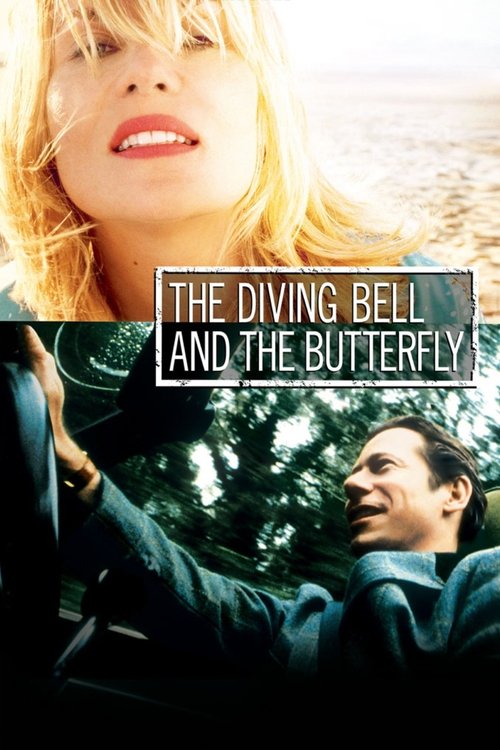
The Diving Bell and the Butterfly2007
Julian Schnabel's camera locks you inside a paralysed body after a stroke, mixing hallucination with hospital-ward tedium — a bravura piece of first-person filmmaking about a mind that outlives its body.
But The visual trickery is dazzling early on but repeats itself; some find its whimsy at odds with the horror of the condition.
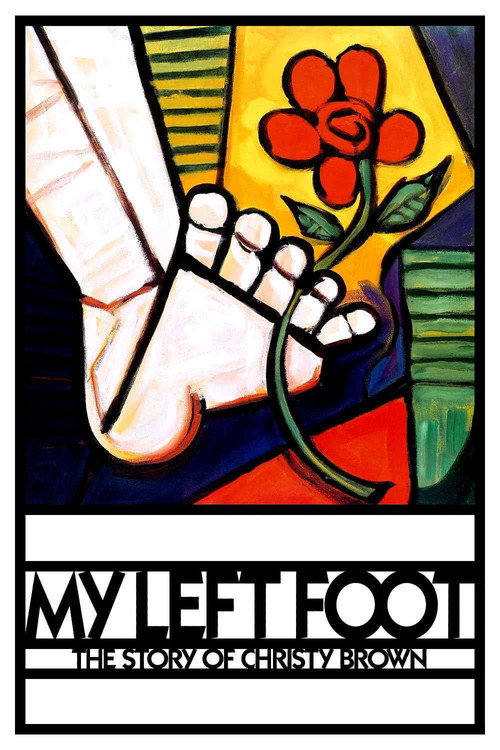
My Left Foot: The Story of Christy Brown1989
Daniel Day-Lewis, in an Oscar-winning performance, plays Christy Brown with a ferocity and wit that refuses every ounce of pity — a portrait of disability as full, difficult, un-sentimental personhood.
But It's a bruising, sometimes bleak Dublin childhood story, and Day-Lewis's intensity can tip toward the theatrical.
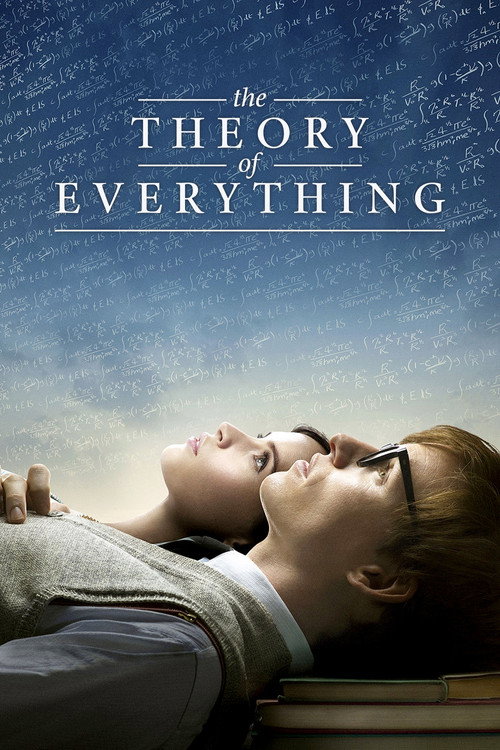
The Theory of Everything2014
Eddie Redmayne charts Stephen Hawking's physical collapse against his mind's expansion, and the film is really a marriage story — about what a body owes a partnership once it starts failing.
But It smooths some of the real relationship's harder edges and leans hard into biopic gloss and swelling strings.
The wildcard
Something you would not have found on your own.
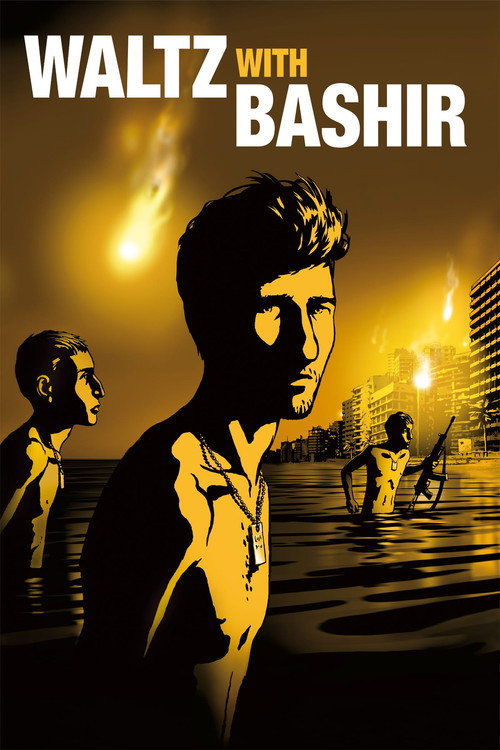
Waltz with Bashir2008
Like Notes on Blindness, it reconstructs real testimony through a stylised, non-literal visual language — animation instead of actors — to reach a truth that plain documentary footage couldn't touch.
Ari Folman's animated documentary excavates his own buried memories of the 1982 Lebanon War, turning interviews and half-recovered trauma into some of the most haunting images in modern nonfiction film.
But The subject is a war atrocity, not a personal loss, and its animation style is stark rather than beautiful.
More like this (8)
The Sea Inside2004no page yet
Javier Bardem plays a quadriplegic fisherman fighting for the right to die, sharing Notes on Blindness's interest in a mind that stays vivid, funny and stubborn inside a failing body.
But It's a right-to-die film with a clear moral position, which won't sit easily with every viewer.
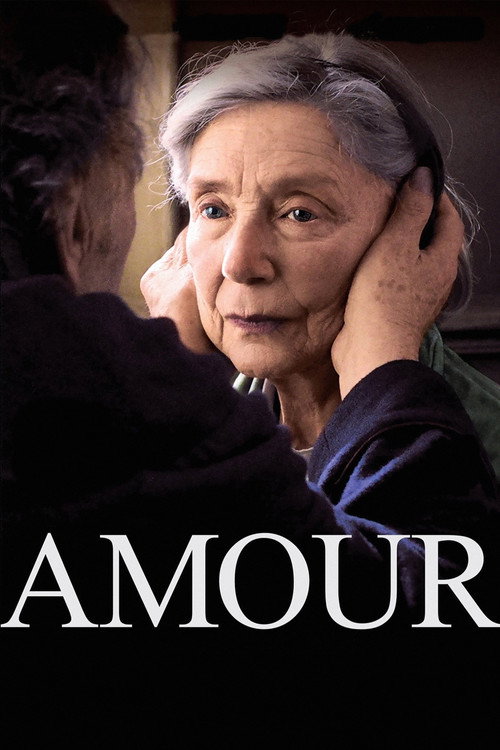
Amour2012
Haneke watches an elderly couple as one partner's body and mind fail, with a clinical patience that makes small domestic acts — feeding, washing — feel enormous.
But It is deliberately, almost punishingly slow, and offers little comfort or redemption by the end.
Wit2001
Emma Thompson delivers a devastating monologue-driven performance as a professor dying of cancer, narrating her own decline with the same dark, exacting intelligence she once used on poetry.
But It's stagey and dialogue-heavy by design, and the hospital setting is relentlessly clinical and sad.

Breathe2017no page yet
Andrew Garfield plays a polio survivor confined to a ventilator, in a film — directed by Andy Serkis — that turns out to be unexpectedly about adventure and marriage more than illness.
But It's warmer and more conventionally uplifting than the subject matter might suggest, sometimes at the cost of nuance.
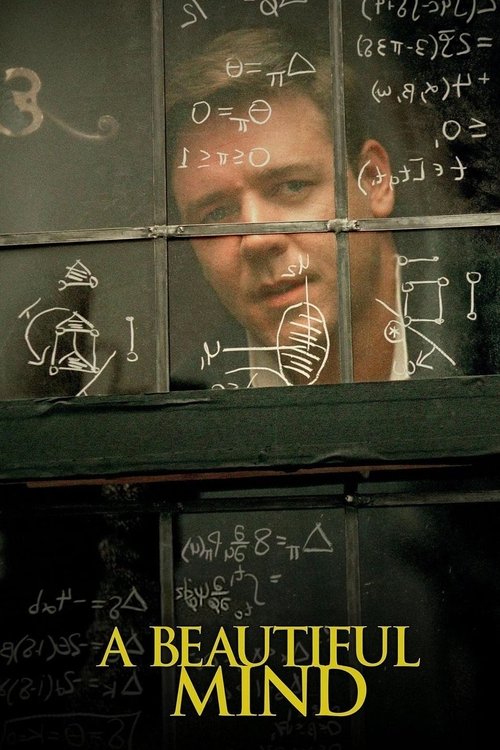
A Beautiful Mind2001
Russell Crowe plays a mathematician whose brilliant, unreliable mind becomes the whole drama, told from the inside so you experience his delusions as real before the film pulls the rug.
But The twist has been widely spoiled for decades now, and its handling of mental illness is Hollywood-simplified.
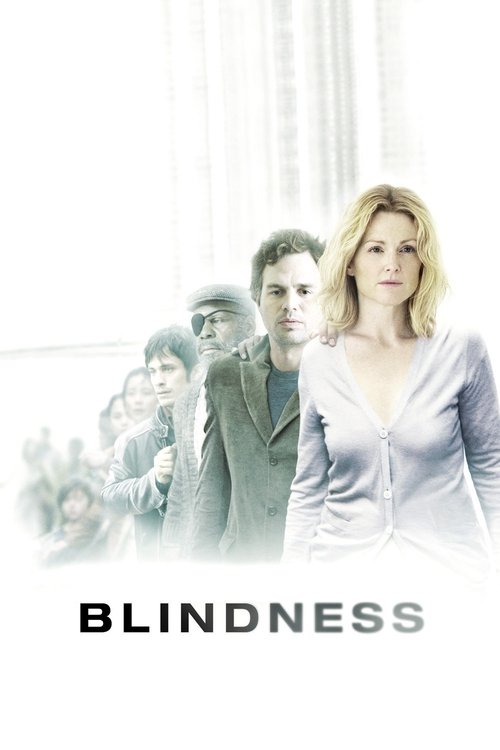
Blindness2008
Based on José Saramago's novel, this imagines a whole city struck suddenly sightless — a bleak, dystopian counterpoint to Hull's private experience, blindness as social collapse rather than inward reckoning.
But It's grim, occasionally exploitative in its depiction of chaos, and was critically divisive on release.
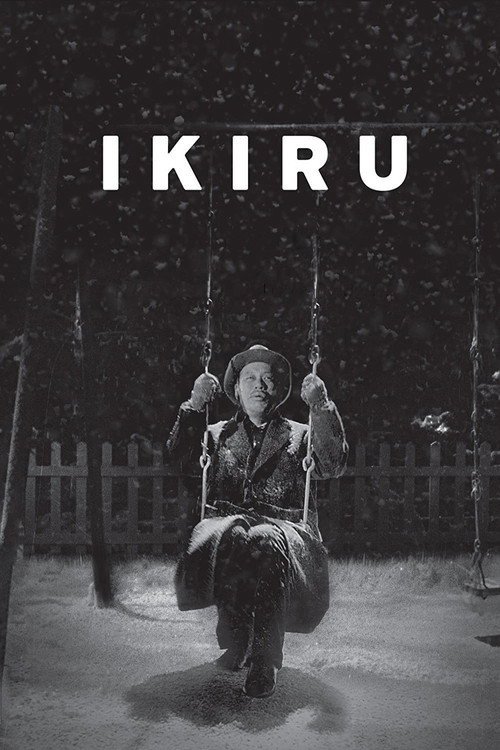
Ikiru1952
Decades before Hull's diary, Kurosawa was already asking what a terminal diagnosis does to a person's sense of meaning — the same arc from devastation to hard-won renewal, in a 1950s Tokyo bureaucrat's suit instead of a blind man's.
A civil servant learns he's dying and spends the rest of the film relearning how to actually live — funny, sad, and one of the great films about mortality forcing clarity.
But It's in black-and-white Japanese with a slow, novelistic pace that some modern viewers find a hard adjustment.
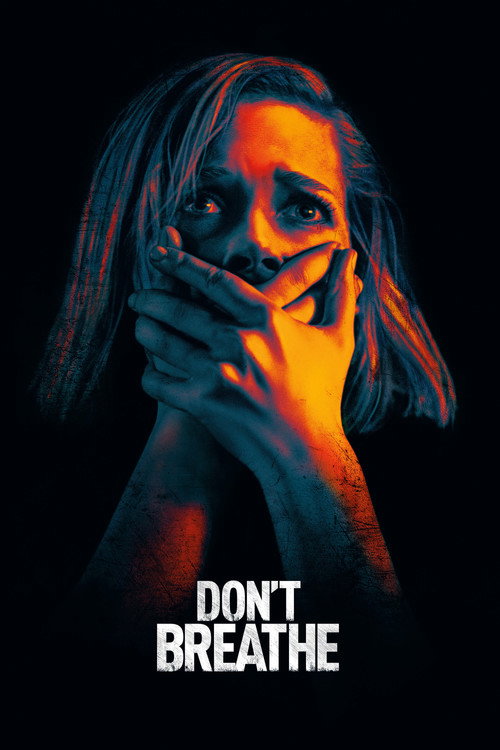
Don't Breathe2016
It takes the exact sensory problem Hull describes — mapping a room by sound, memory, touch — and turns it into pure survival-horror mechanics, with a blind man as the terrifying antagonist rather than the sympathetic narrator.
A home-invasion thriller where the blind homeowner is the most dangerous person in the house, using silence and spatial sound design with real ingenuity and cruelty.
But It's trashy, morally uneasy about disability, and exists purely to thrill rather than to understand anything.
People
Cast
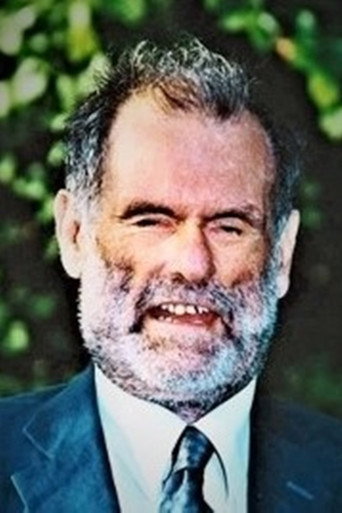 John M. HullHimself (voice)
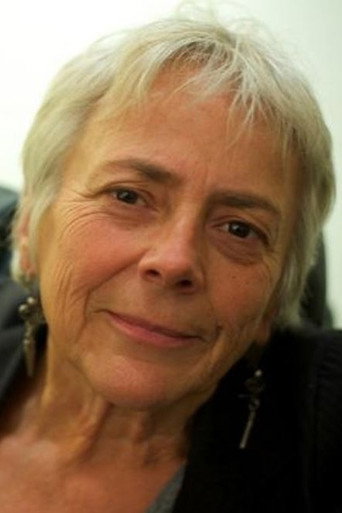 Marilyn HullHerself (voice)
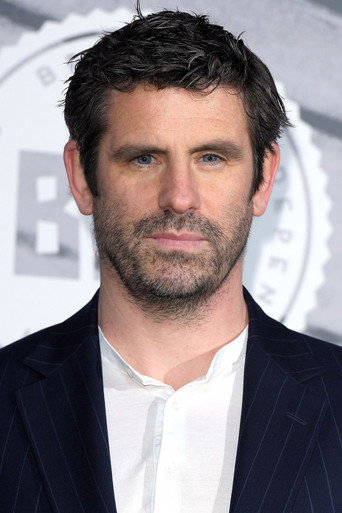 Dan Renton SkinnerJohn Hull
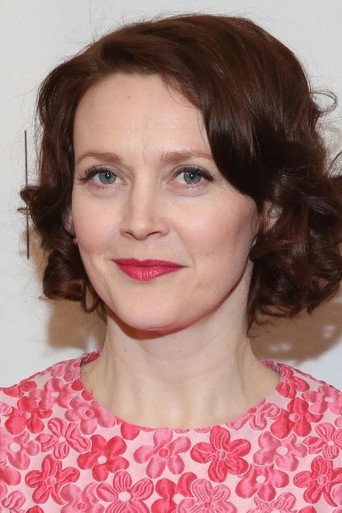 Simone KirbyMarilyn Hull
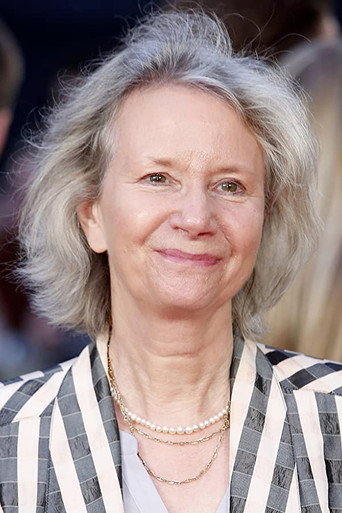 Eileen DaviesMadge Hull
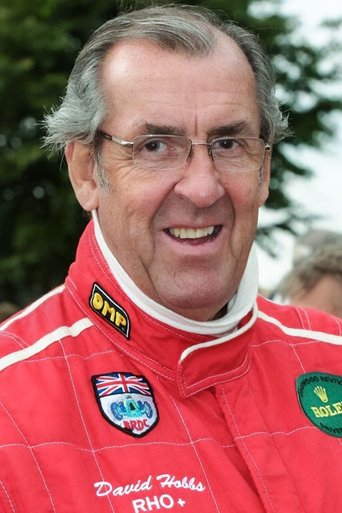 David HobbsJack Hull
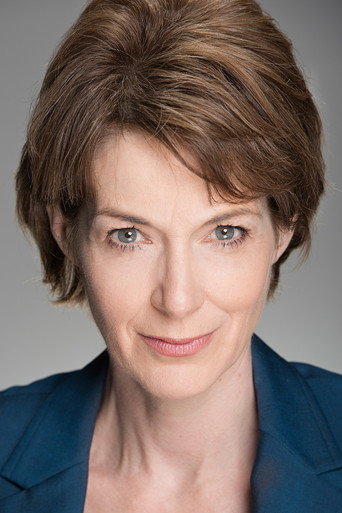 Victoria WicksLibrarian
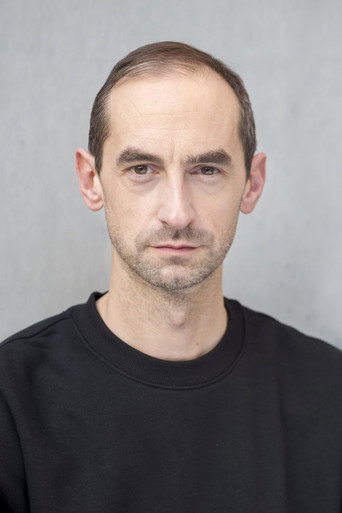 Jamie BradleyFaith Healer
- Imogen HullHerself (voice)
- Thomas HullHimself (voice)
- Lizzie HullHerself (voice)
- Gaby HullHerself (voice)
Directing
- James SpinneyDirector
- Pete MiddletonDirector
- Tom LancasterFirst Assistant Director
- Dan BakerOther
- Guy Murray-BrownOther
- Matt HoughtonOther
- Pascha HanawaySecond Assistant Director
- Sheena PatelThird Assistant Director
- Zoe McCarthyThird Assistant Director
Writing
- Ivana MacKinnonScript Editor
- James SpinneyWriter
- Pete MiddletonWriter
Production
- Amy HubbardCasting
- Florence Izen-TaylorCasting Assistant
- Jenny RaskinCo-Executive Producer
- Arnaud ColinartCo-Producer
- David CoujardCo-Producer
- Dan CoganExecutive Producer
- Kate TownsendExecutive Producer
- Lizzie FranckeExecutive Producer
- Nick FraserExecutive Producer
- Richard HolmesExecutive Producer
- Ben AhmedLocation Manager
- Helen PritchardLocation Manager
- Naomi AshcroftLocation Manager
- Lizzie MarchOther
- Alex UsborneProducer
- James SpinneyProducer
- Jo Jo EllisonProducer
- Matt HoughtonProducer
- Mike BrettProducer
- Pete MiddletonProducer
- Steve JamisonProducer