
Film
Still Processing
- Family drama
- Slow-burning
A 17-minute documentary where a woman confronts a box of family photographs she hasn't seen in years, discovering them alongside her husband on camera. It's intimate, unguarded cinema about memory, loss, and the weight photographs carry. For anyone who understands that some moments demand to be witnessed rather than explained.
If you liked this
Stories We Tell2012
Sarah Polley's documentary about her family's secrets unfolds through home video and interview, building toward a revelation that reframes everything you've watched. Devastating and profound.
But It's deliberately obscure about its central mystery until late in the film, which some find frustrating rather than earned.
The Farewell2019
Lulu Wang's film about a family keeping a diagnosis secret explores memory, identity, and what we owe each other across culture and time. Funny and heartbreaking without being manipulative.
But The tonal shifts between comedy and grief can feel jarring if you're expecting one or the other consistently.

Moonlight2016
Barry Jenkins' three-act meditation on identity and intimacy moves through time like photographs in an album—each chapter a different exposure of the same life. Quiet and hypnotic.
But The deliberate pacing and sparse dialogue won't satisfy anyone looking for plot momentum.

Not sure tonight? Get a pick in a minute, starting from Still Processing
The wildcard
Something you would not have found on your own.
Notes on Blindness2016
Both transform private, intimate documentation into something cinematic that preserves what would otherwise be lost to time.
A diary by John Hull written after going blind is performed, animated, and sonically composed into something that feels like memory itself—fragmented, textured, sensory. It's about what we retain when one sense is gone.
But It's experimental and audiovisual in ways that can feel opaque on first viewing, and the subject matter is unrelenting.
More like this (7)
Boyhood2014
Richard Linklater filmed the same boy over twelve years, creating a living document of time and change. It feels less like a movie and more like watching someone's actual life accumulate.
But Two hours fifty-four minutes of understated realism will feel like nothing happening if you need conventional drama.
The Great Beauty2013
Sorrentino's film follows a writer reviewing his life through memory and encounter, shot in baroque, layered frames. It's about the gap between living and remembering, gorgeously rendered.
But The ornate style and episodic structure demand active viewing; passive watching will lose you entirely.
Sans Soleil1983
Chris Marker's essayistic film collages memories from Guinea-Bissau and Japan with voice-over meditation on photography, time, and human connection. Formally inventive and genuinely moving.
But It's experimental and abstract in ways that can feel pretentious, and the fragmented style takes real concentration.

Stalker1979
Tarkovsky's slow meditation on desire and meaning follows three men through a mysterious zone. It's about the gap between what we seek and what we find, shot in amber light.
But Ten minutes in, you'll know if patience with three-hour contemplative cinema is your thing. Most viewers won't make it.

The Act of Killing2012
Joshua Oppenheimer's documentary asks perpetrators of Indonesian genocide to reenact their crimes, creating a surreal, horrifying excavation of memory and self-justification.
But It's deeply disturbing and ethically complex in ways that can feel complicit. The runtime is 117 minutes of moral discomfort.

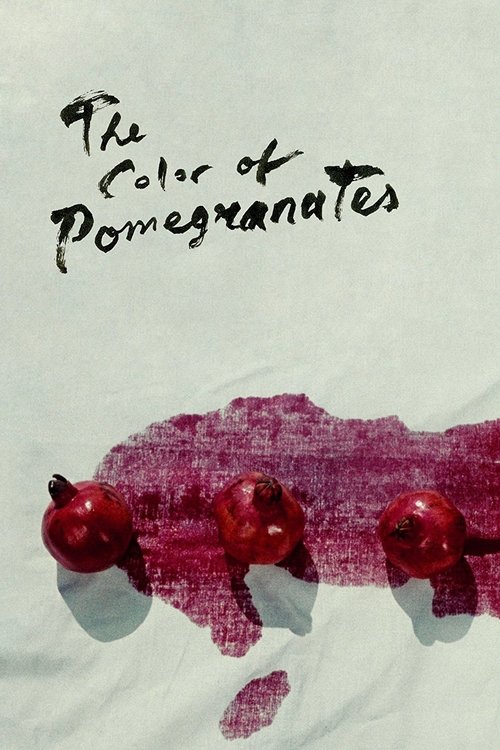
The Color of Pomegranates1969
Both work through accumulated images and emotional associations rather than narrative logic, using photographs or photograph-like stasis as their primary language.
Sergei Parajanov's film biography of an Armenian poet is pure visual abstraction—tableaux vivants, color, gesture, no conventional narrative. It's memory as sensory impression rather than chronology.
But There's almost no plot, dialogue, or character development. If cinema means story to you, this will feel like watching a very expensive gallery installation.
Shoah1985
Both are investigations of what photographs and memory *mean* when they're all that's left—one intimate and private, one historical and unbearable, both asking what we do with the evidence of time.
Lanzmann's nine-and-a-half-hour oral history of the Holocaust refuses archive footage, instead recording survivors, perpetrators, and witnesses in real time. It's about memory being carried in living bodies.
But It is nine and a half hours. It is extremely heavy. It will exhaust you emotionally and physically, and some find the length excessive rather than necessary.

People
Cast
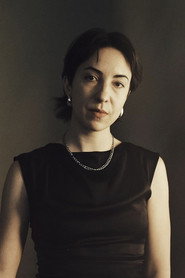 Sophy RomvariHerself
- Ben RomvariHimself
- Marcos ArriagaDark Room Technician
Directing
- Sophy RomvariDirector