
Film
Hear and Now
A daughter films her own deaf parents as they receive cochlear implants after 65 years of silence, discovering what happens when a lifetime of assumptions about disability and identity suddenly becomes negotiable. Intimate, unsentimental, and genuinely surprising—it questions what we think we know about loss, gain, and what makes a life whole.
Should you watch it?
Watch it if you find yourself drawn to intimate family documentaries where the camera is held by someone who loves the subjects and isn't afraid to ask the awkward question.
Skip it if you want a film with an outside eye and a tidy arc, since this one is shaped by a daughter's private curiosity and its emotional threads can feel loosely gathered.
What it asks of you: Eighty-five minutes of patient, close watching, with long quiet stretches of everyday life and few signals telling you how to feel.
Not sure? Find tonight's pick in a minute.
If you liked this
Sound and Fury2000
The documentary that sparked the cochlear implant debate in the Deaf community. Essential context for understanding the tensions Brodsky's parents navigate, and a searing portrait of families torn by differing philosophies about deafness.
But Heavy and confrontational in ways that can feel exhausting. The family conflict is real and sometimes painful to watch.
The Passenger2023
A documentary about a deaf filmmaker reclaiming her own story and autonomy. Shares Hear and Now's interest in perspective and who gets to narrate a deaf life, but from the opposite angle—what it means to resist hearing.
But Slower paced and more experimental in form. Requires patience with ambiguity and open-ended questions.
The Dawn Wall2017
Two climbers attempt an impossible rock face while documenting their partnership and personal demons. Like Hear and Now, it's about transformation through an extraordinary challenge, and what we discover about ourselves in the attempt.
But If climbing documentaries don't interest you, the technical detail can feel like noise. The personal stakes take time to emerge.
Not sure tonight? Get a pick in a minute, starting from Hear and Now
The wildcard
Something you would not have found on your own.
In the Realm of the Senses1976
Both films treat sensory experience—the physical reality of perception—as the literal subject, not the backdrop. Neither sentimentalizes the body or its capacities.
Nagisa Oshima's banned film follows a couple as sensory experience—touch, taste, sight—becomes their entire world, isolating them from everything else. Like Hear and Now, it's fascinated by what happens when one sense dominates or transforms a life, and how desire and identity are inseparable.
But Sexually explicit and aesthetically extreme. Oshima made it to provoke, and it still does. Not a film for passive viewing.
More like this (8)
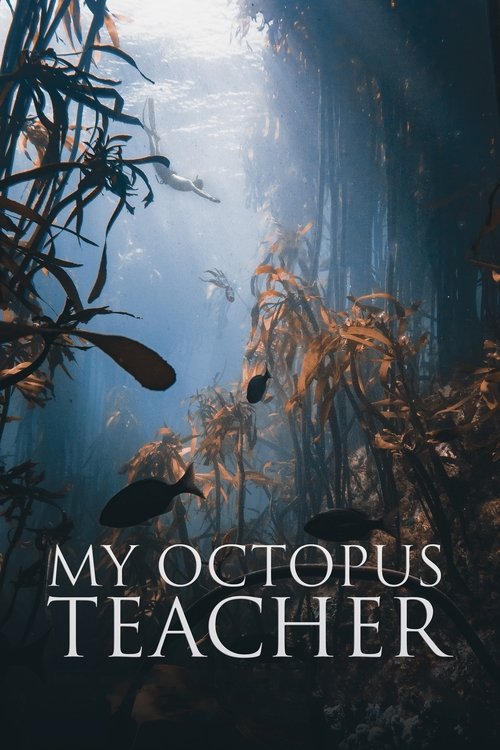
My Octopus Teacher2020
A filmmaker builds an unexpected relationship with a wild creature and finds himself transformed. Shares Hear and Now's meditative pace and the idea that connection changes you in ways you can't predict or control.
But Can veer toward the precious and Instagram-ready. Some find the whimsy undercuts the deeper emotional work.
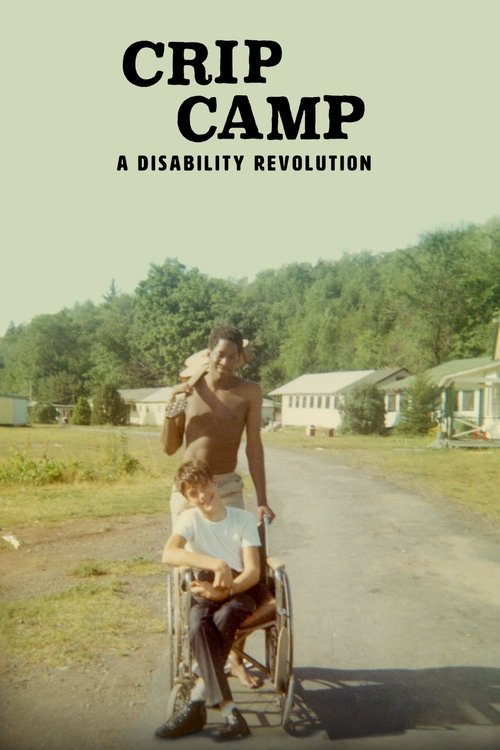
Crip Camp: A Disability Revolution2020
A rollicking history of disability activism told through archival footage and interviews. Energetic and unapologetic, it contextualizes why the Deaf and disabled communities have such complex feelings about 'cure' narratives.
But More overtly political than Hear and Now. If you want pure intimacy over ideology, this pushes harder on the latter.
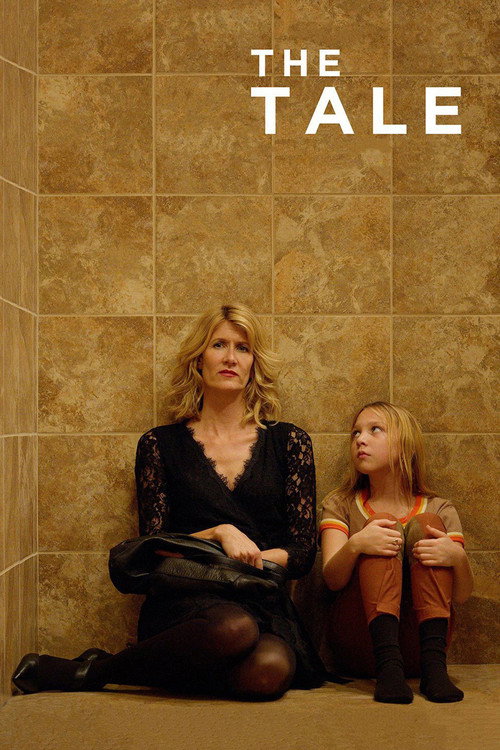
The Tale2018
A director excavates a formative memory and discovers it's not what she thought. Like Brodsky's film, it's about a filmmaker turning the camera inward and finding that familiar stories contain hidden truths.
But Deliberately fragmented and sometimes cryptic. The narrative structure mirrors confusion rather than clarifying it, which frustrates some viewers.
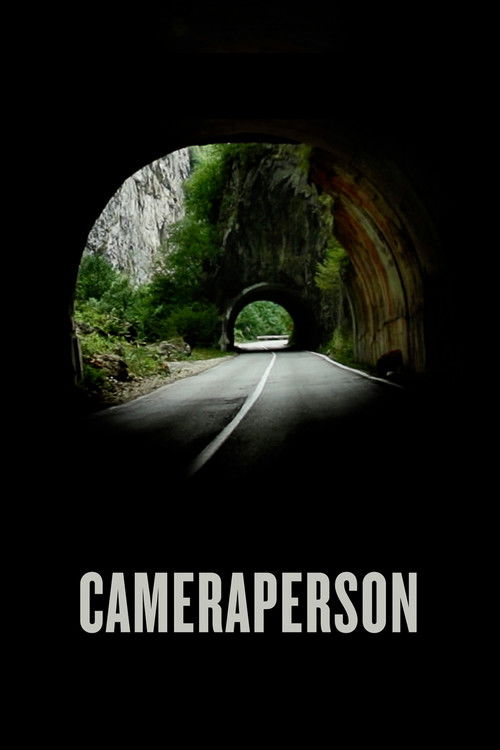
Cameraperson2016
Documentary cinematographer Kirsten Johnson reflects on her life through scenes she's filmed around the world. A meditation on witness, distance, and what it costs to observe suffering—questions Brodsky implicitly asks about her parents.
But Structurally abstract and quite short. Some find it more like a visual essay than a traditional documentary.
Senna2010
A thrilling portrait of a racing legend told entirely through archival footage and interviews. Bradsky's intimate family study and this epic biography share a focus on how transformation reveals character under pressure.
But If Formula One holds zero interest for you, the technical racing passages can feel impenetrable. It assumes some baseline engagement with the sport.

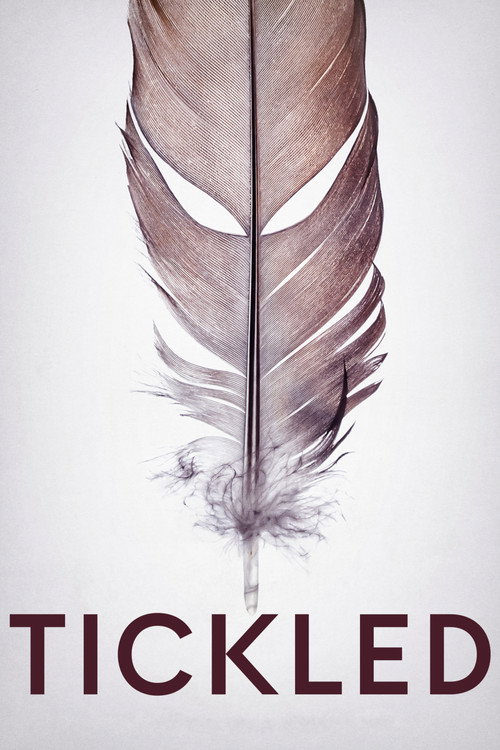
Tickled2016
A film critic investigates the strange world of competitive tickling and uncovers something far darker. It shares Hear and Now's willingness to follow a story wherever it leads, without knowing the ending in advance.
But Tonal whiplash from absurd to genuinely disturbing. The shift from curiosity to menace alienates viewers who want tonal consistency.
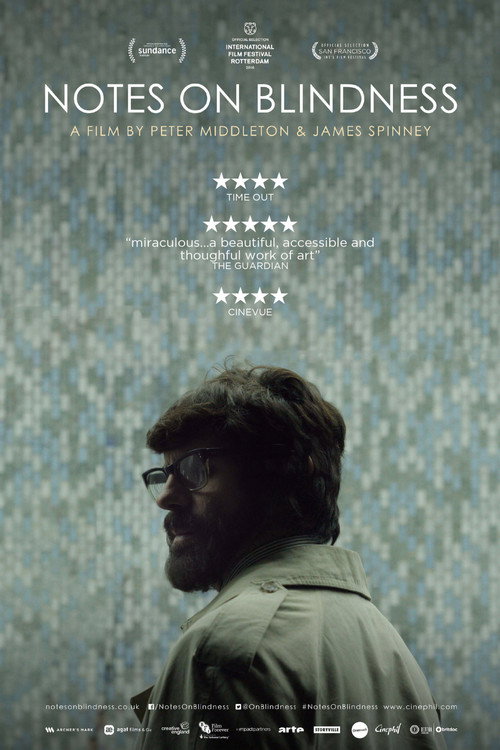
Notes on Blindness2016
Both use documentary as a tool for exploring what it means when disability reshapes consciousness itself. Both ask: what does the world look like from inside?
An audio diary by a man losing his sight is translated into experimental visual cinema. It inverts Hear and Now's premise: instead of gaining sound, we lose sight. The result is a film that makes you listen harder and rethink what cinema can be.
But Deliberately difficult and abstract. Some viewers find the experimental form gets in the way of the profound personal story underneath.
Gett: The Trial of Viviane Amsalem2014
Structural parallel: both protagonists face institutions—one medical, one legal—that assume they know what's best. Both films trust you to feel the injustice without spelling it out.
An Israeli woman fights for her freedom in religious court for twelve years. Brodsky's father must negotiate his new hearing in a hearing world; Amsalem negotiates her identity in a system that won't recognize her autonomy. Both are about people trapped by systems that claim to help.
But Courtroom drama told in real time, mostly dialogue. Slow, legalistic, and sometimes repetitive by design. The lack of resolution exhausts some viewers.

People
Directing
- Irene TaylorDirector