
Film
Gett: The Trial of Viviane Amsalem
A meticulous courtroom drama about an Israeli woman's five-year battle to secure a divorce through the Rabbinical Court—the only legal authority that can grant one. Deliberately paced, anchored by Ronit Elkabetz's quietly furious performance, it's a film about the grinding attrition of bureaucracy and the way institutions can weaponize their own procedures. For anyone who finds moral clarity in the specifics of law.
Should you watch it?
Watch it if you like talky, claustrophobic chamber dramas where the real action is in what people won't say, and a marriage is argued over one hearing at a time.
Skip it if you need restless plot or a range of locations, since nearly all of it plays out in a courtroom where the same arguments circle back again and again.
What it asks of you: Roughly under two hours, but it moves at a deliberate, hearing-by-hearing pace, so you must sit with stalled exchanges and let frustration build rather than expecting relief.
Not sure? Find tonight's pick in a minute.
If you liked this
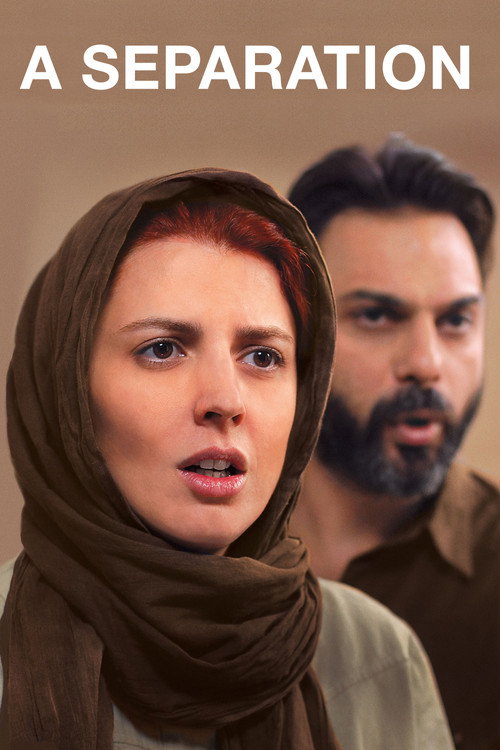
A Separation2011
Asghar Farhadi's Iranian divorce drama has the same forensic precision and moral ambiguity. Both films trust the audience to sit in discomfort while systems fail the people they're supposed to serve. Devastating.
But It's deliberately slow and offers no catharsis. If you need your films to resolve, this will feel punishing rather than clarifying.
In the Mood for Love2000
Wong Kar-wai's meditation on longing and constraint. Like Gett, it's about what cannot be said or done, about people trapped by circumstance and social architecture. Achingly beautiful where Gett is austere.
But The pacing is glacial and the emotional landscape is interior. Some find it frustrating rather than moving; the restraint doesn't work for everyone.

The Killing2011
Sarah Lund's investigation unfolds with the same methodical, grinding intensity as Viviane's case. Both are about institutions failing the vulnerable, and both find tragedy in procedure. You'll want to keep watching.
But It's bleak and it commits to that bleakness. There's no moment where things suddenly improve, and the darkness is sustained rather than punctuated.

Not sure tonight? Get a pick in a minute, starting from Gett: The Trial of Viviane Amsalem
The wildcard
Something you would not have found on your own.
The Arbor2010
Both films are about women testifying within institutions that don't listen. Gett uses the camera as witness; The Arbor questions what testimony even means when the system is rigged. Both are about evidence that doesn't matter.
Clio Barnard's radical documentary-drama hybrid restages interviews with the family of British playwright Lorraine Hilton as actors performing them. It's about testimony, the law, and how institutions silence women. Unlike anything else, and devastatingly relevant.
But The form—actors lip-syncing to recordings, interspersed with documentary footage—is deliberately estranging. Some find it gimmicky rather than illuminating; the emotional distance it creates puts people off.

More like this (6)
Manchester by the Sea2016
Kenneth Lonergan's film shares Gett's refusal to sentimentalize grief or provide easy answers. Both watch people navigate systems—legal, familial, emotional—that don't bend for human need. Quietly devastating.
But Nothing is resolved. The ending offers no uplift or reconciliation, which some experience as frustrating rather than realistic.

Scenes from a Marriage2021
Bergman's miniseries is equally unflinching about the machinery of marriage and its dissolution. Like Gett, it's fascinated by how people communicate (or don't) when everything is breaking. Masterful.
But At nearly five hours, it demands commitment. Bergman's psychologically intense approach feels dated to some; the emotional vocabulary won't resonate with everyone.

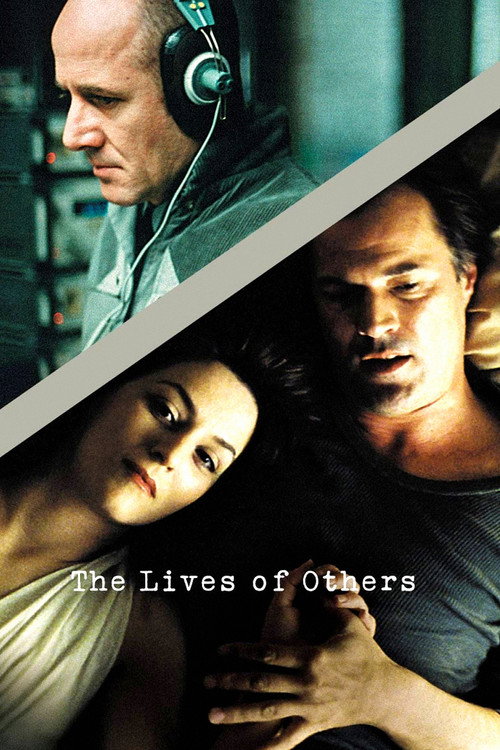
The Lives of Others2006
Florian Henckel von Donnersmarck's Cold War thriller shares Gett's interest in surveillance, control, and the way institutions diminish individual dignity. Both are about power asymmetries made visible through paperwork.
But It's a spy film with genre expectations. If you go in wanting Gett's courtroom focus, you'll be disappointed by the shift to thriller mechanics.
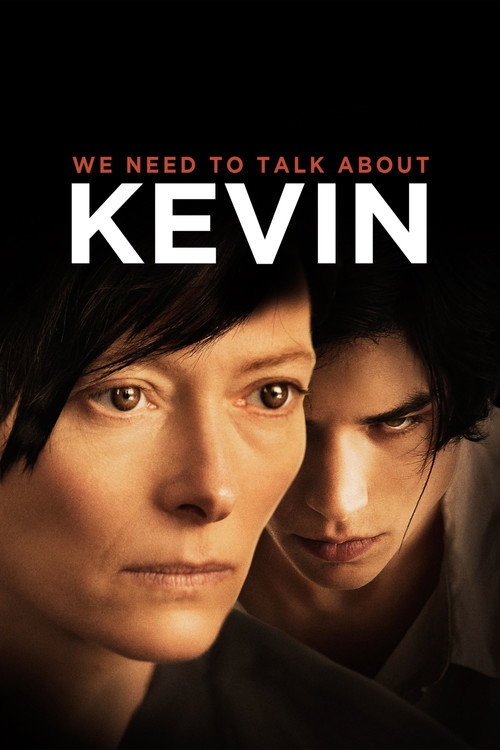
We Need to Talk About Kevin2011
Lynne Ramsay's film examines blame, responsibility, and the ways institutions and individuals fail each other. Like Gett, it refuses easy answers and sits with moral complexity without resolution.
But It's about maternal grief and a school shooting. The subject matter is genuinely difficult, and the fractured structure can feel deliberately difficult to watch rather than illuminating.
Lea2015
Shulamith Zuckerman's film about a woman navigating institutional neglect shares Gett's interest in systemic failure and female resilience. Both are Israeli films that examine how the state fails its citizens.
But It's quieter and even more formally austere than Gett. The pace will test even patient viewers, and emotional payoff is minimal.

The Other Side of Hope2017
Aki Kaurismäki's film about a refugee navigating bureaucratic systems shares Gett's dark humor about institutions designed to exhaust rather than serve. Both find dark comedy in systemic cruelty.
But The tone is deliberately flat and the comedy is bleak. Viewers expecting warmth or conventional emotional beats will find it alienating.

People
Cast
 Ronit ElkabetzViviane Amsalem
 Simon AbkarianElisha
 Sasson GabaiSimeon Amsalem
 Menashe NoyCarmel
 Eli GorensteinJudge (rabbi)
 Gabi AmraniHaim
- Dalia BegerDonna Aboukassis
 Albert IluzEmil Amzalg
 Ruby Porat ShovalRachel Amzalg
 Evelin HagoelEvelin Ben Shoshan
 Ze'ev RevachSimon Abecassis
 Shmil Ben AriJacob Ben Harouch
Directing
- Ronit ElkabetzDirector
- Shlomi ElkabetzDirector
- Sivan LavyScript Supervisor
Writing
- Ronit ElkabetzWriter
- Shlomi ElkabetzWriter
Production
- Yuval AharoniCasting
- Denis CarotProducer
- Marie MasmonteilProducer
- Sandrine BrauerProducer
- Shlomi ElkabetzProducer
Recommended by
What Happened, Miss Simone?, A Syrian Love Story, Hear and Now, Say Amen, Somebody, Fill the Void, Nightjohn, Benda Bilili!