
Film
The Other Side of Hope
Aki Kaurismäki's tragicomic portrait of unlikely friendship between a Finnish restaurateur and a Syrian refugee navigating bureaucracy and belonging in contemporary Helsinki. It's tender without sentimentality, funny without mockery, and moving in its quiet insistence that decency matters. For anyone who believes cinema can hold contradiction—that serious things can be light, that small gestures carry weight.
If you liked this
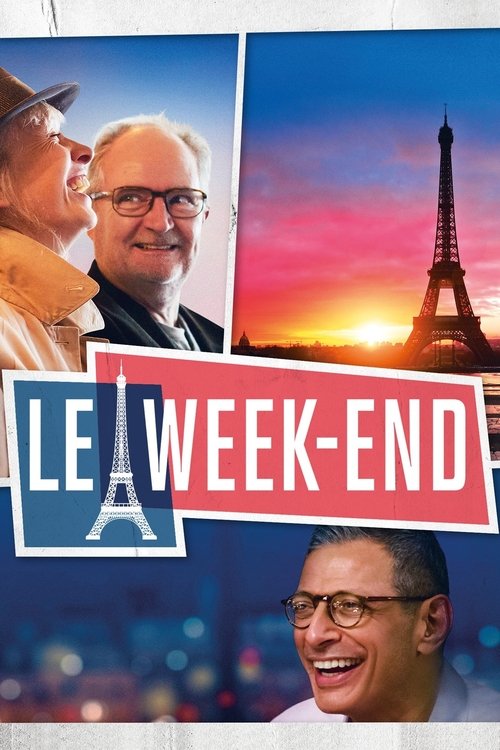
Le Week-End2013
A brittle marriage thaws during a London weekend as two people remember why they chose each other. It has the same generous observation of human frailty and the same belief that connection can survive disappointment. Roger Michell directs with real warmth.
But It's quiet and moves at a conversational pace. If you want plot momentum or emotional catharsis, this offers neither. Some will find it frustratingly static.
About Elly2009
A weekend trip unravels when a guest vanishes, exposing the moral contradictions in a group of educated Iranians. Like Kaurismäki, Asghar Farhadi sees how people rationalize themselves away from kindness. Both films trust the audience to judge without narrating judgment.
But It's a slow-burn mystery that privileges character over resolution. The ending won't satisfy if you want answers. It demands you sit with ambiguity.

A Prophet2009
A young Arab imprisoned in France forges unexpected alliances inside and outside prison walls. It shares The Other Side of Hope's interest in outsiders building dignity in hostile systems, and in the small loyalties that sustain us. Tremendous filmmaking.
But It's gritty and violent in ways Kaurismäki isn't. The prison setting is claustrophobic and harsh. Some scenes are genuinely brutal.

Not sure tonight? Get a pick in a minute, starting from The Other Side of Hope
The wildcard
Something you would not have found on your own.
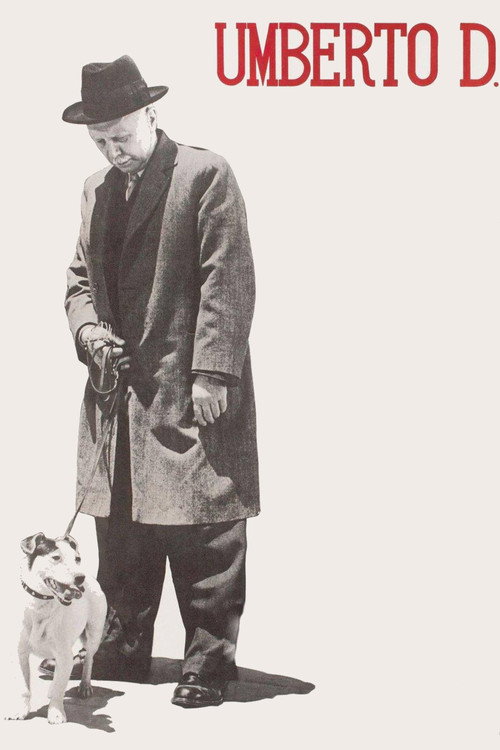
Umberto D.1952
Both films insist on the humanity of people the world would rather ignore, finding grace in their ordinariness and their refusal to disappear.
De Sica's neorealist gem about an elderly retired man and his dog struggling to survive in post-war Rome. It has the same refusal to look away from precarity, the same love for small acts of dignity in the face of indifference. A direct ancestor to Kaurismäki's humanism.
But It's shot like a documentary and moves with the rhythm of actual life—glacially slow by modern standards. The ending offers no comfort. It's in Italian and requires patience.
More like this (8)
Another Year2010
Mike Leigh's portrait of a contented couple and the unhappy people who orbit them. It has Kaurismäki's anthropological eye—the way small rituals and silences reveal character. You recognize everyone in it, which is both the reward and the discomfort.
But It's relentlessly sad under its social comedy. Leigh doesn't let anyone off the hook, including the couple you might want to root for. Bleak without redemption.

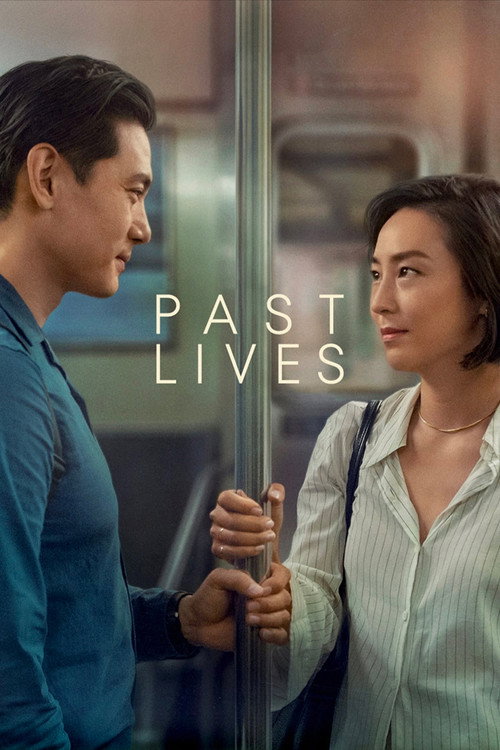
Past Lives2023
Two childhood friends reconnect years later, separated by immigration and time. It shares Kaurismäki's interest in how geography and circumstance reshape identity, and his gift for extracting emotion from restraint. Quietly devastating.
But Almost nothing happens in conventional terms. It's three conversations in different cities. If you need external drama or closure, you'll leave frustrated.
The Turin Horse2011
Béla Tarr's final film depicts the last days of Nietzsche and his caretaker with mythic minimalism. It shares Kaurismäki's economy of gesture and his conviction that small human acts matter even as the world darkens. Haunting.
But It's bleak, repetitive by design, and shot in severe black-and-white. Tarr asks you to find meaning in very little. Most people will find it exhausting rather than moving.

In the Mood for Love2000
Wong Kar-wai's masterpiece about two neighbours who discover their spouses are having an affair. Like Kaurismäki, he finds the dignity in small moments—a glance, a gesture, the cut of a suit. Visually ravishing and emotionally precise.
But It moves at a languid, deliberately artificial pace. The beauty of the frame sometimes overwhelms narrative. Can feel more like a visual poem than a story.

Moonlight2016
Barry Jenkins' portrait of a Black gay man across three decades, told with poetic restraint. It shares Kaurismäki's refusal to sentimentalize struggle, and his faith that quiet resilience is its own form of heroism. Profound.
But It's fragmentary and elliptical—you don't get full explanations or neat arcs. The pain is real and never fully resolved. Some want more catharsis.

Stalker1979
Tarkovsky's philosophical meditation on desire and meaning, following three men through a mysterious zone. Both films believe that how we move through the world matters more than where we end up. Hypnotic if it catches you.
But It's 163 minutes of deliberate pacing. Tarkovsky asks total patience. This is not a film you watch while doing something else—or you'll resent it.

A Ghost Story2017
Both use quiet, sometimes deadpan form to explore how people remain tethered to each other across distance, time, and circumstance—how we don't simply move on.
David Lowery's strange, haunting film about a man returned as a ghost to watch his widow move on. It has Kaurismäki's interest in how we persist in the world, how connection outlasts presence, how longing shapes us. Genuinely original.
But It's a surrealist ghost story told at funereal pace, with a famous scene of eating pie that tests patience. The final sections are abstract and deliberately unclear. You will feel grief more than catharsis.

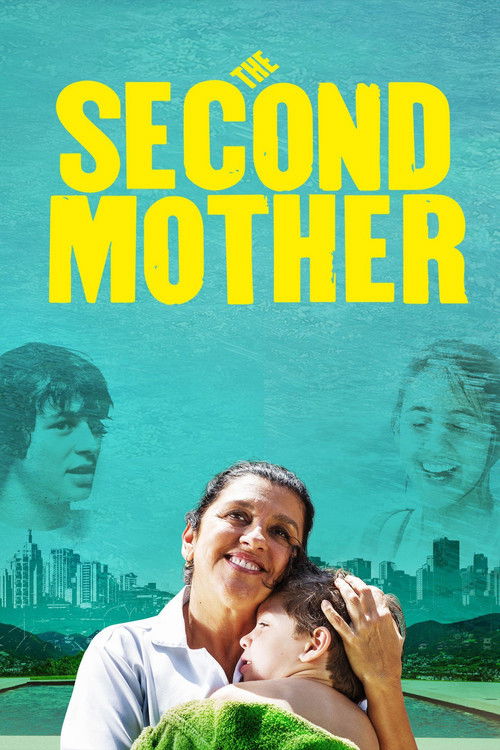
The Second Mother2015
Both dramatize the gap between people sharing space and people truly seeing each other—and the small, costly acts required to bridge it.
Anna Muylaert's Brazilian drama about a live-in housekeeper whose daughter arrives and disrupts the family's careful equilibrium. It shares Kaurismäki's interest in how class and circumstance determine kindness, and his conviction that small rebellions matter. Urgent and tender.
But It's in Portuguese and carries the specific weight of Brazilian class dynamics. The film doesn't soften its critique of complicity. Some will find it too accusatory of the comfortable characters.
People
Cast
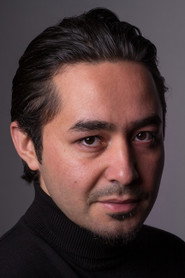 Sherwan HajiKhaled
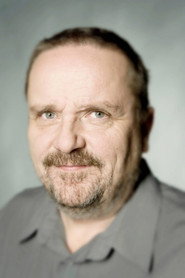 Sakari KuosmanenWikström
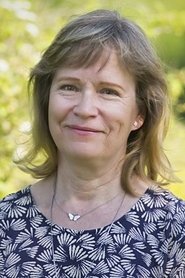 Kaija PakarinenWikström's Wife
 Niroz HajiMiriam
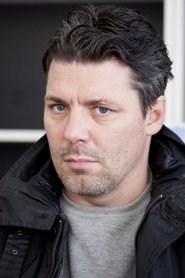 Janne HyytiäinenNyrhinen
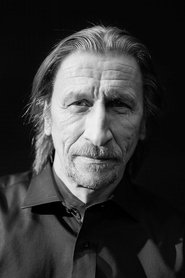 Ilkka KoivulaCalamnius
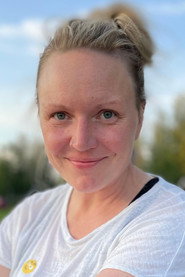 Nuppu KoivuMirja
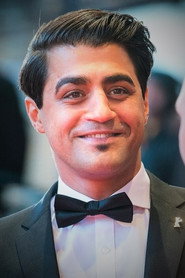 Simon Al-BazoonMazdak
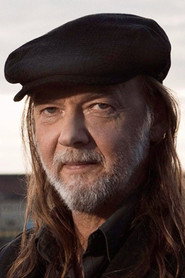 Tuomari NurmioBusker / Band Member
- Abdi JamaCashier at Train Station
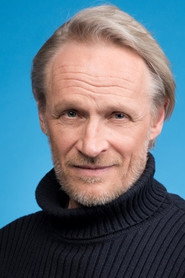 Antti VirmavirtaPolice at the Station
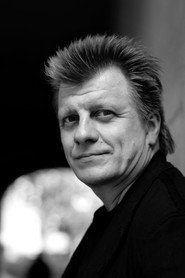 Timo TorikkaPolice at the Station
Directing
- Eevi KareinenAssistant Director
- Aki KaurismäkiDirector
- Malla HukkanenScript Supervisor
Writing
- Aki KaurismäkiWriter
Production
- Eevi KareinenCasting
- Jonas NourissonLocation Manager
- Aki KaurismäkiProducer
- Milla SevónProduction Coordinator
- Mark LwoffProduction Manager
- Misha JaariProduction Manager
- Haije AlanojaProduction Secretary
- Kirsi HataraProduction Secretary