
Television series
How To with John Wilson
John Wilson wanders New York with a camera, ostensibly teaching you how to do mundane things—eat cereal, make small talk, take a compliment—but really he's cataloging the beautiful, hilarious strangeness of human life. Each 30-minute episode is a collage of overheard conversations, architectural oddities, and Wilson's deadpan observations about anxiety, connection, and the gap between who we are and who we pretend to be. It's simultaneously deeply personal and utterly impersonal, funny and oddly moving.
If you liked this
Seinfeld1989
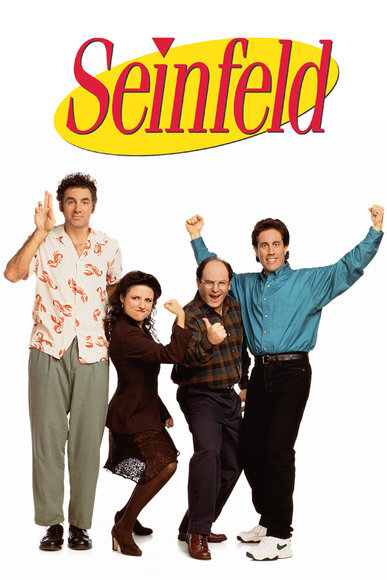
Both find comedy in the tiny frictions of everyday urban life—waiting in line, small talk, the rules nobody wrote down. Wilson's approach is formally experimental, but the sensibility is recognizable: nothing is too small to be worth examining.
But Seinfeld's comedy is punchier and more traditionally structured. If you want satisfying jokes with clear setup-and-payoff, Wilson's observational drift might feel shapeless by comparison.
Louie2010
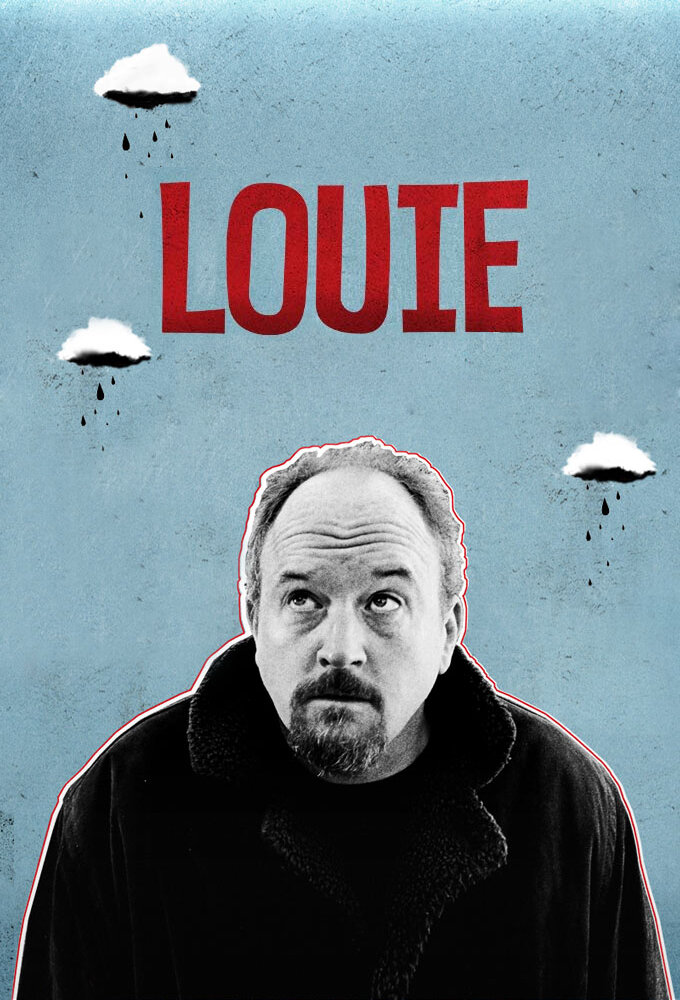
Louis C.K. also uses comedy as a vehicle for personal anxiety and contradiction. Both shows blend humor with genuine pathos, finding the sadness underneath the absurd. The formal experimentation and willingness to sit in discomfort are kindred.
But Louie centers one perspective from start to finish. Wilson's dispersed, documentary approach to New York feels less confined but also less dramatically resolved than Louis C.K.'s more traditionally structured episodes.
Scrubs2001
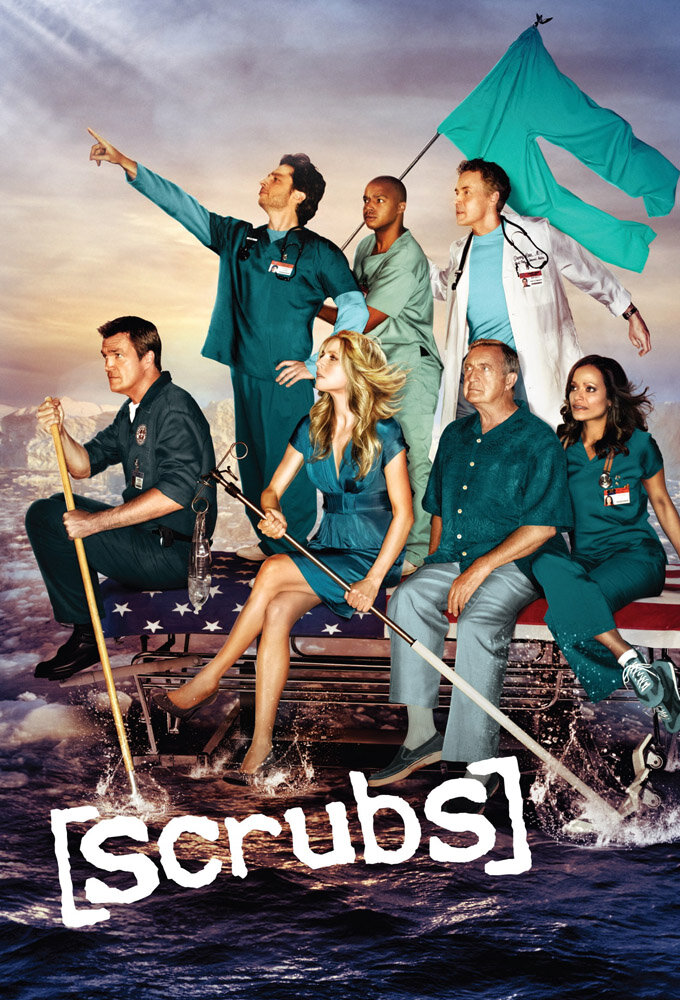
A show that knows comedy lives in the gap between what we think we're doing and what we're actually doing. Both find warmth in awkwardness and make room for genuine emotion without abandoning the funny parts of being human.
But Scrubs is a workplace sitcom with narrative arcs and character development. It's far more conventionally plotted than Wilson's essayistic, wandering structure.
Not sure tonight? Get a pick in a minute, starting from How To with John Wilson
The wildcard
Something you would not have found on your own.
Notes on Blindness2016
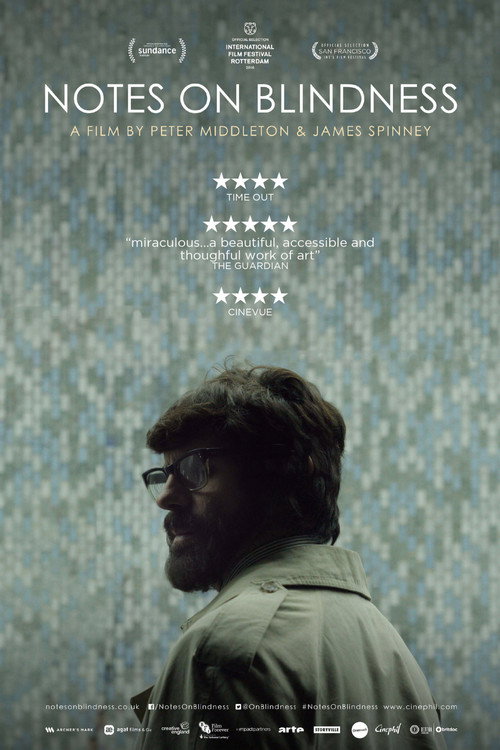
Both artists use documentary form not to capture truth but to think through the act of looking itself. Both are about the kindness of paying attention to what everyone else ignores.
Agnès Varda's final essay film—90 minutes of a filmmaker in her nineties thinking through the nature of seeing, presence, and what we notice. Like Wilson, it's about attention as a moral act. It's formal, poetic, and quietly profound.
But It's difficult. It's experimental. It requires patience with a 90-year-old filmmaker's pace and philosophy. There's no conventional narrative and it assumes you're ready to be challenged.
More like this (6)
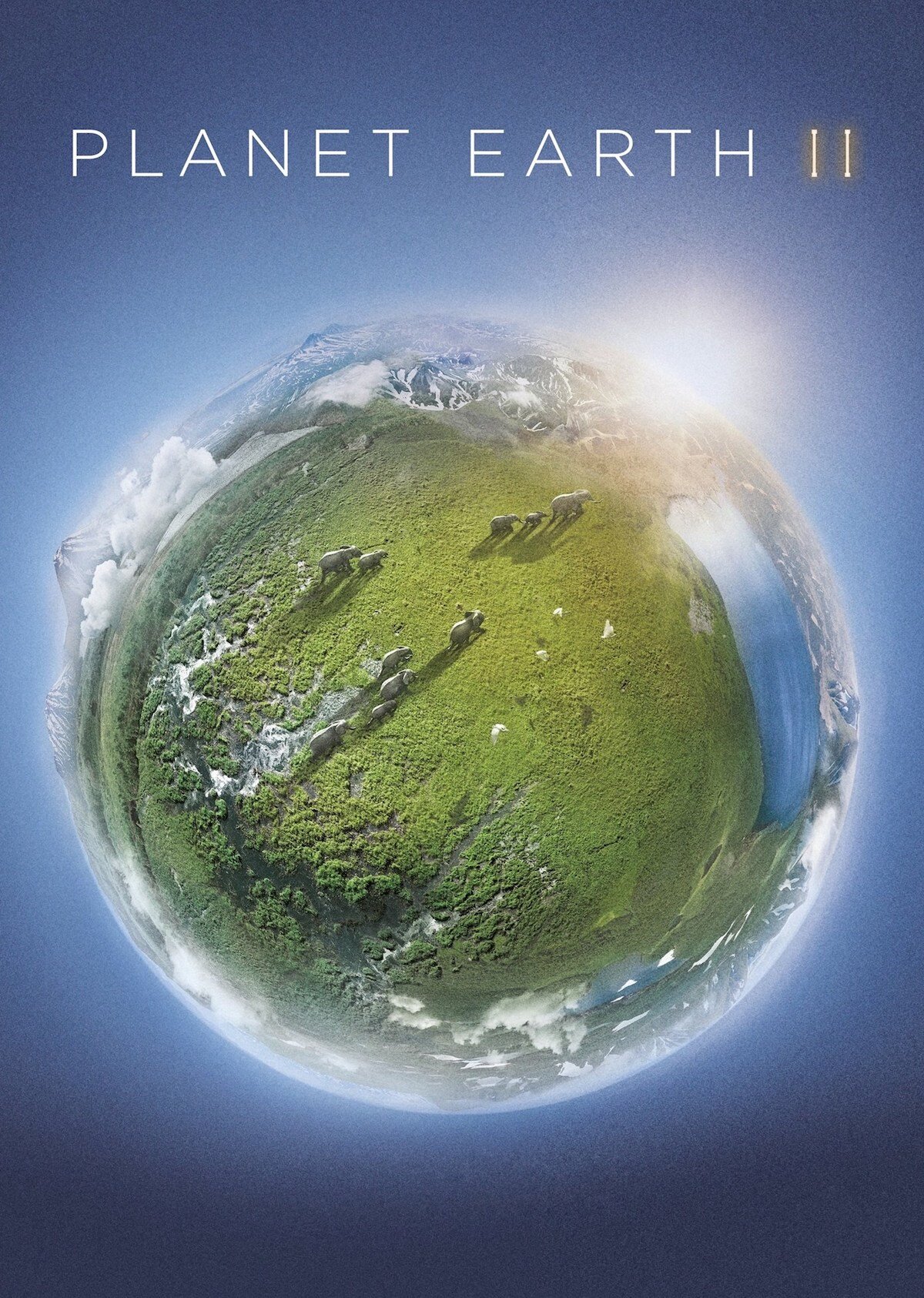
Planet Earth II2016
Gorgeous, patient observation of life unfolding. Wilson does the same thing to New York that this does to the natural world: he makes you see the extraordinary in what you thought was ordinary. Both are about attention.
But One is about animals in their habitats with narration by David Attenborough; the other is deliberately awkward and personally fraught. The tones couldn't be more different, even if the impulse to observe is similar.
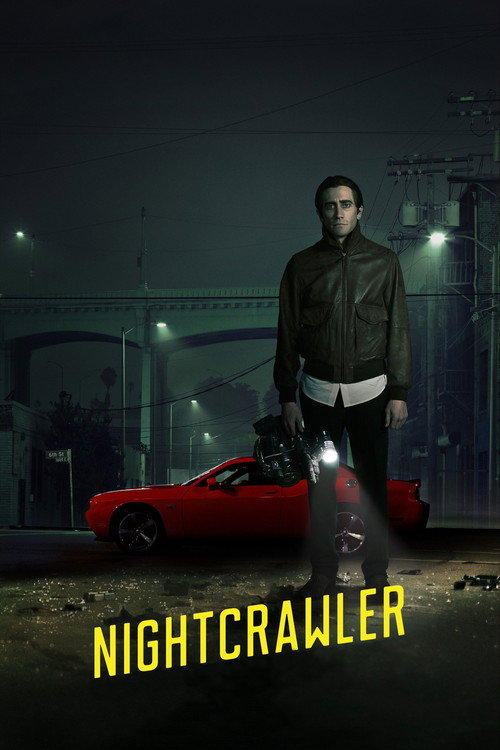
Nightcrawler2014
A dark, precise look at an anxious man trying to navigate a system that doesn't quite make sense to him, armed with a camera. Both share an unsettling mix of comedy and commentary on voyeurism, loneliness, and the urban landscape.
But Nightcrawler is a thriller with a protagonist you're meant to find disturbing. It's far darker and more conventionally plotted than Wilson's warmly observational documentary comedy.
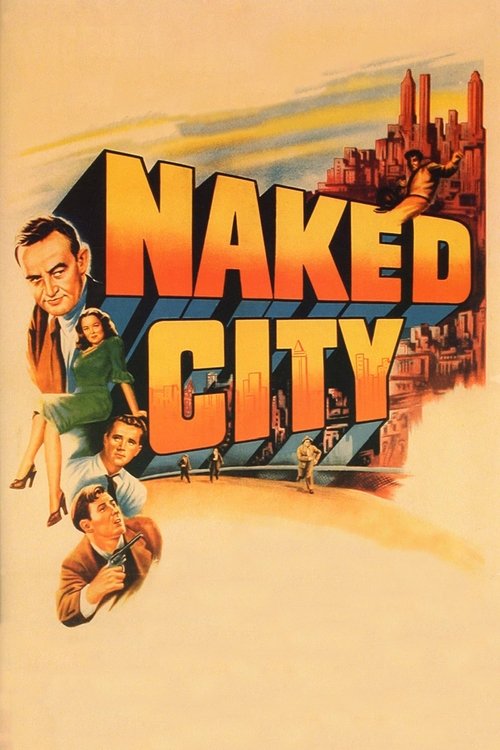
The Naked City1948
A noir that treats New York itself as the protagonist, using location shooting and semi-documentary style to capture the texture of urban life. It's an ancestor of Wilson's approach: the city as a character, not just a setting.
But It's a 1940s crime story, not a comedy. The formal sensibility is totally different, even if the fascination with documenting the city is shared.
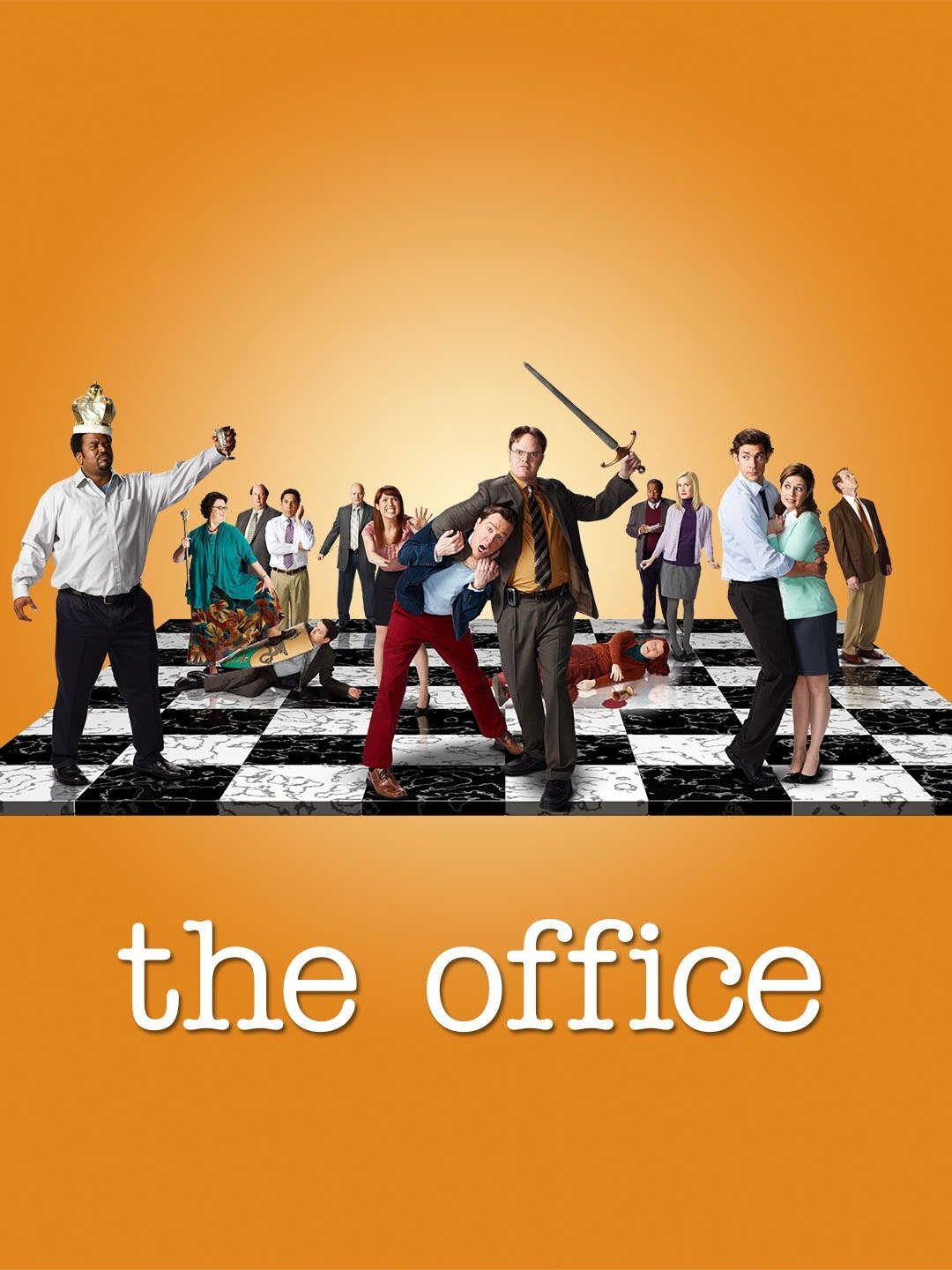
The Office2005
Mockumentary format lets it capture the same awkward, intimate texture. Both use the camera as permission to examine ordinary people being ordinary, finding comedy and poignancy in professional and social discomfort.
But The Office is built around workplace relationships and character arcs. Wilson's New York is far more dispersed and less invested in the same people over time.
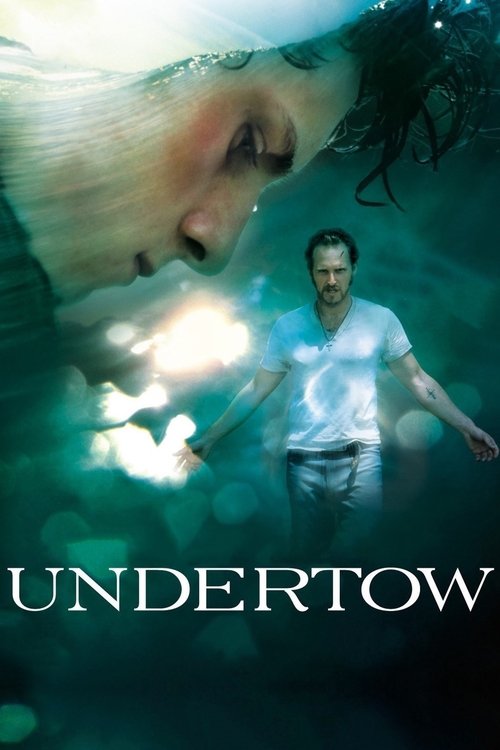
Undertow2004
Both are obsessed with the texture of specific places and the small rituals by which people survive. Both trust viewers enough to sit with moments that don't explain themselves. Both are fundamentally about seeing.
A Brazilian film about two men living at the edge of society in Rio, shot in a style so patient and observational it feels like documentary. It finds profound beauty and strangeness in ordinary moments—exactly Wilson's gift, but in a completely different register.
But It's slow. It's in Portuguese with subtitles. It has almost no plot. If you need narrative momentum or comedy, you won't find it here. It's asking for a different kind of attention than you might expect.
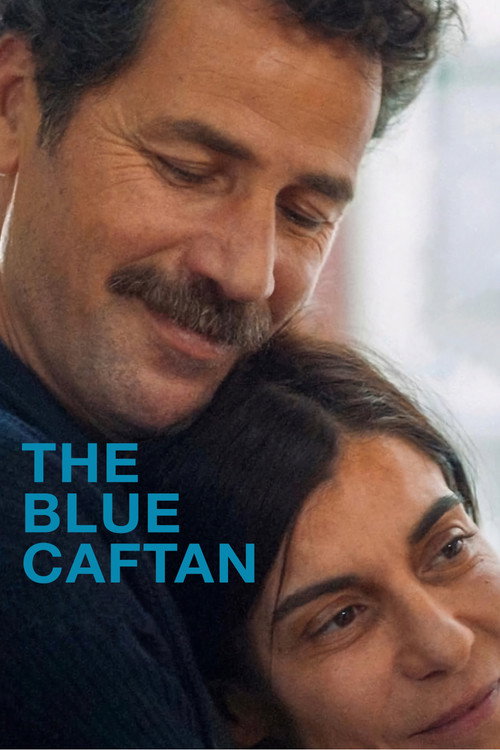
The Blue Caftan2023
Both artists are fascinated by how people *actually* live when nobody's watching—the small compromises, the moments of genuine connection. Both refuse to judge their subjects and instead offer a kind of tender observation.
A Moroccan film about an aging man in a small seaside town trying to live authentically while the world changes around him. It shares Wilson's eye for the overlooked details of how people actually exist, and his capacity to find grace in contradiction and regret.
But It's meditative and slow-paced. It requires you to accept that nothing much happens, but that nothing much is everything. If you prefer conventional drama with clear emotional arcs, this will feel too quiet.
People
Cast
Production
- Clark ReinkingExecutive Producer
- John WilsonExecutive Producer
- Michael KomanExecutive Producer
- Nathan FielderExecutive Producer