
Film
Breathe
Other titles called Breathe: the 2014 film.
A true story of defiant love and ingenuity after polio steals a young man's ability to move. Breathe is tender and unsparing, refusing sentimentality while celebrating how two people remake their lives against brutal odds. It's for anyone moved by devotion tested—and strengthened—by catastrophe.
Should you watch it?
Watch it if you like a sturdy, old-fashioned true-life romance where a marriage carries the weight, and the sweetness comes with a stubborn, cheerful refusal to feel sorry for itself.
Skip it if you find sentiment hard going when it arrives in polished, reassuring form, since it leans on the uplift of its story more than on surprise.
What it asks of you: Settle in for just under two hours of unhurried scenes, where the emotional weight builds through small domestic moments rather than through quick cuts or big set pieces.
Not sure? Find tonight's pick in a minute.
If you liked this
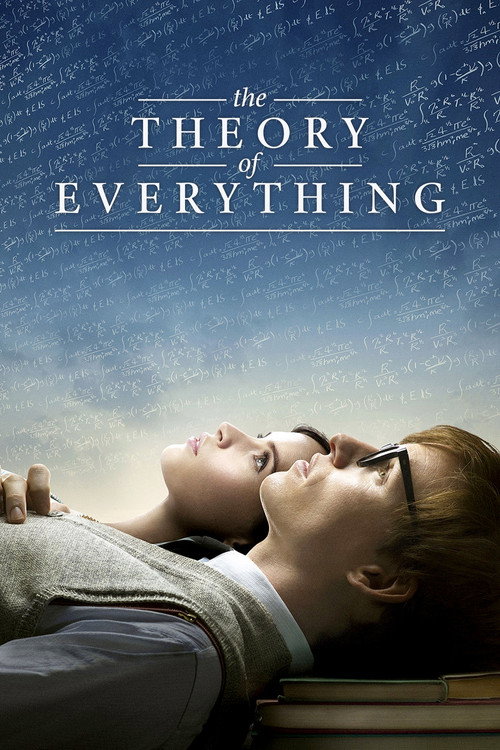
The Theory of Everything2014
Eddie Redmayne's portrayal of Stephen Hawking navigates profound physical limitation with dignity and wit, finding lightness in darkness much as Breathe does. A portrait of adaptation and the mind's refusal to diminish.
But Splits its attention between science and relationship drama, which can feel like two films awkwardly stitched together. Some find it tidier than truth.
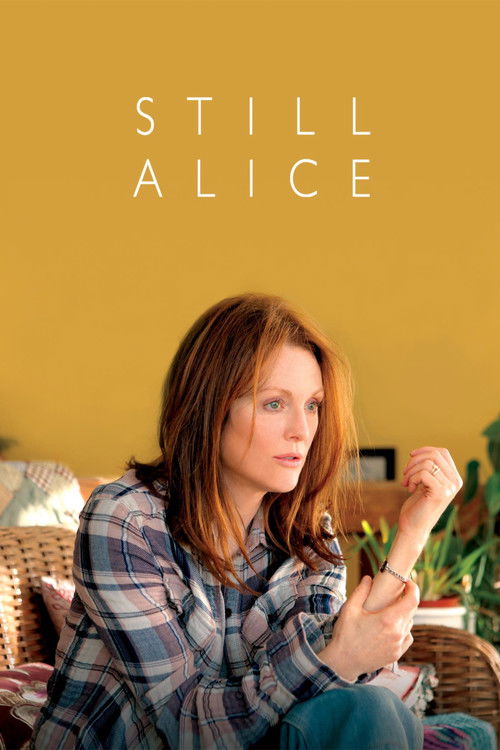
Still Alice2014
Julianne Moore delivers a devastating performance as someone losing herself to dementia. Like Breathe, it centers the interior life of the ill person rather than those around them, refusing pity and melodrama.
But The slow dissolution is relentless and will sit with you for days. Not a film that offers comfort, only honesty.
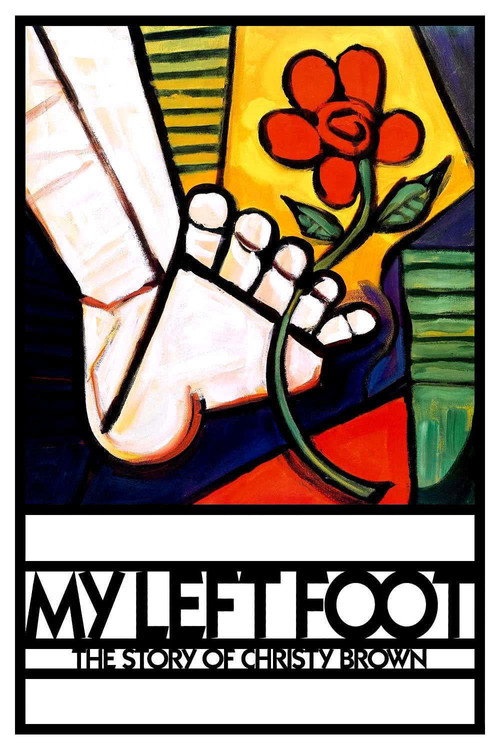
My Left Foot: The Story of Christy Brown1989
Daniel Day-Lewis embodies a cerebral palsy sufferer who becomes an artist through sheer will and humor. It's about what remains usable, what creativity demands, and love that doesn't coddle. Remarkably alive.
But Made in 1989, it carries some dated attitudes about disability. The film acknowledges his worth but doesn't entirely escape paternalism.
Not sure tonight? Get a pick in a minute, starting from Breathe
The wildcard
Something you would not have found on your own.
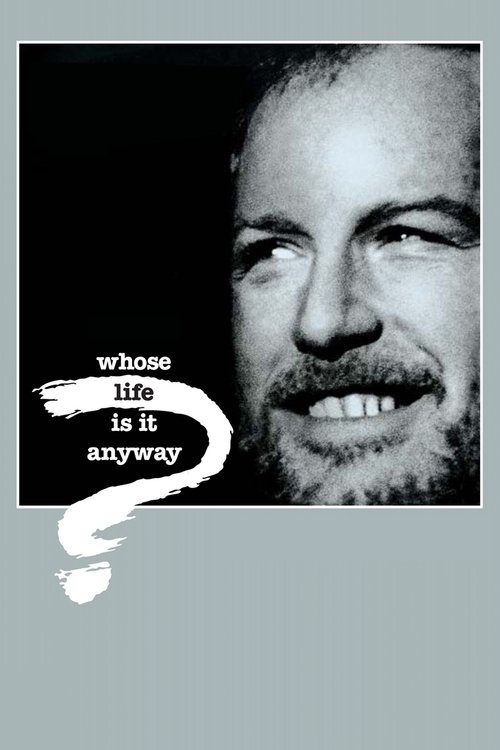
Whose Life Is It Anyway?1981
Both feature brilliant men made physically dependent, but this one interrogates whether life as confinement is still a life worth living—the dark question Breathe doesn't need to ask.
Richard Dreyfuss as a sculptor left quadriplegic by accident, fighting the hospital system for the right to die. Where Breathe chooses life and adaptation, this asks whether that choice should always be available. Same paralysis, opposite register—philosophical rather than romantic.
But Confrontational and legally focused. Made in 1981, it feels dated in style. Some viewers will find its argument distasteful; others will find it insufficiently radical.
More like this (8)
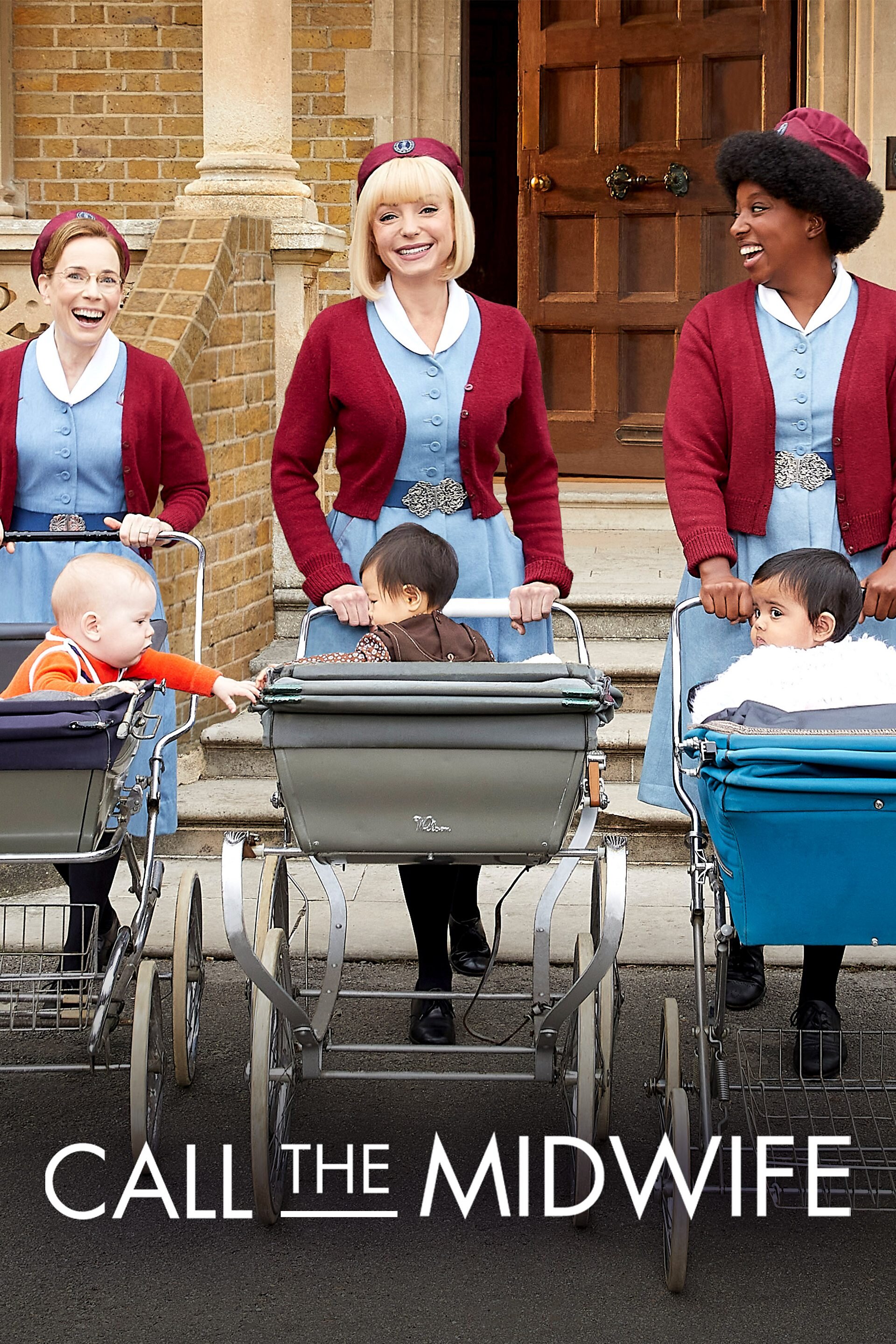
Call the Midwife2012
Character-driven, intimate, rooted in real bodies and real consequences. It finds profound meaning in small acts of care and presence—the same oxygen that keeps Breathe alive. Deeply humane.
But Each episode follows a formula: birth, complication, resolution. If you want surprise over sentiment, this will feel repetitive by season two.
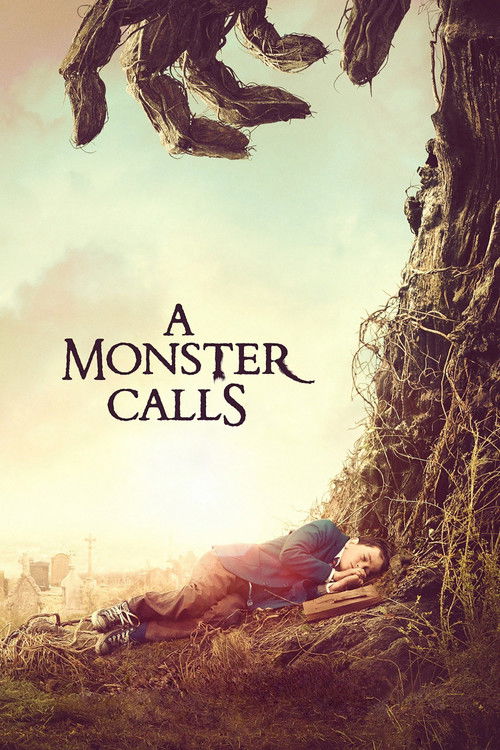
A Monster Calls2016
A boy processes his mother's terminal illness through myth and honesty. It captures how young people experience catastrophe—with anger, confusion, and sudden maturity. Beautiful without being false.
But The magical realism element won't land for everyone. Some feel it softens the story unnecessarily, introducing whimsy where stark truth would cut deeper.
The Farewell2019
Lulu Wang's film observes how families face mortality and what we owe each other across distance and culture. Funny, precise, and refuses easy answers about love, obligation, and keeping on.
But Centered on a much older woman and a family's collective decision. If you want intimate two-person drama, this spreads focus wider than Breathe.

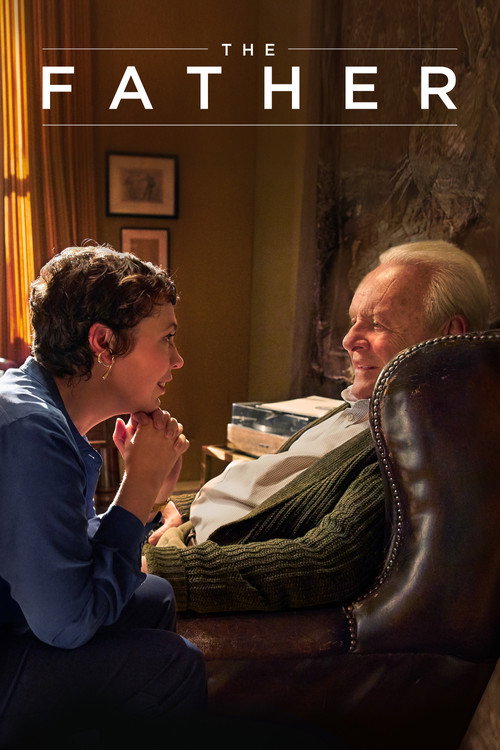
The Father2020
Anthony Hopkins gives a performance of terrifying precision about cognitive decline. The film puts you inside his confusion. It's about presence and absence, and how love persists across the rupture of forgetting.
But Disorienting by design—the narrative fragments to mirror his mind. Brilliant but exhausting. Some find it coldly cerebral rather than moving.
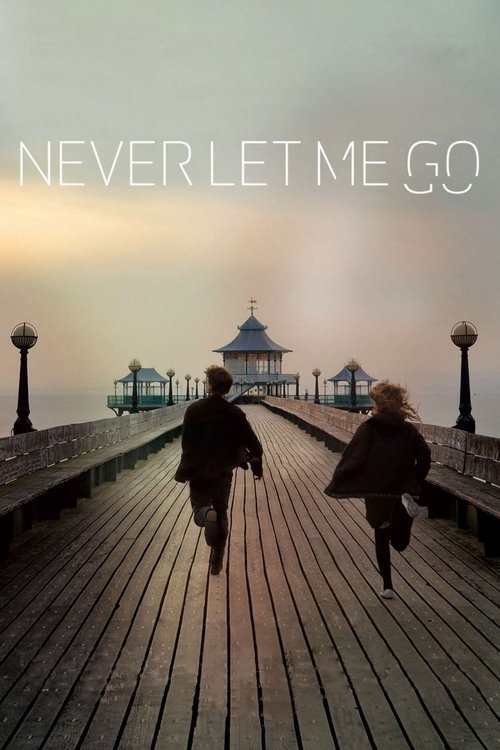
Never Let Me Go2010
Quiet, formal, and devastating. Carey Mulligan carries a life shaped by forces beyond her control with grace and restraint. It's about acceptance without surrender, and the ordinary beauty of time with those you love.
But Glacially paced, with muted emotions and an ending you'll see coming. If you want catharsis or struggle, you won't find it here—only resignation.
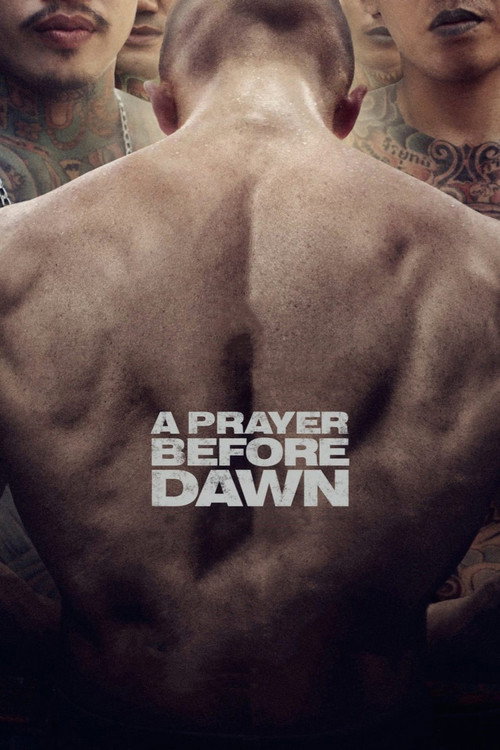
A Prayer Before Dawn2018
Joe Cole embodies a desperate man finding himself through Muay Thai training in a Thai prison. It's about reclaiming the body as a tool, discipline as redemption, and what we demand of ourselves when everything is taken.
But Brutally violent and set in a carceral nightmare. The protagonist is difficult and damaged. Not a uplifting story about triumph, more about survival through brutality.
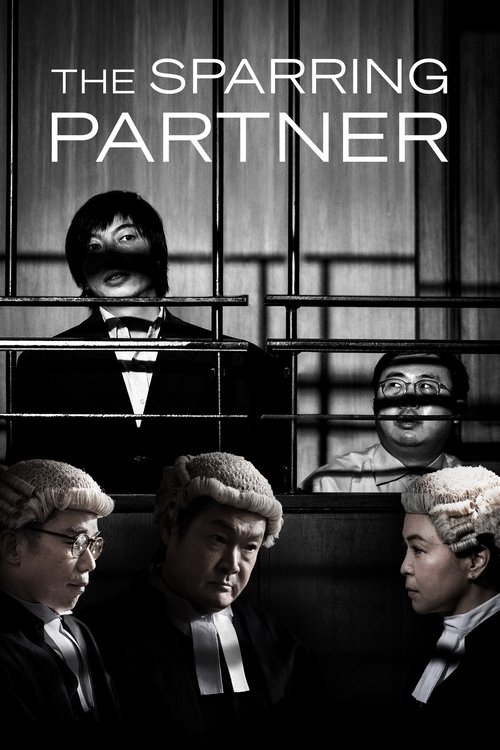
The Sparring Partner2022
Both celebrate ingenuity and improvisation within constraint. Where Breathe hacks solutions to paralysis, this watches small kindnesses within the limits of age and injury—the same quiet defiance, far less celebrated.
Belgian film about a retired boxer coaching young fighters in an amateur gym. No grand narrative—just bodies, attention, and the way presence teaches. Like Breathe, it believes in the dignity of showing up, of doing what you can with what remains. Subtitled but hypnotic.
But Meditative to the point of static. Nothing happens in the conventional sense. If you need plot or resolution, you'll find it sparse and frustrating.
Come and See1985
Breathe assumes life persists and improves; Come and See shows what happens when it doesn't, when the body and mind are shattered beyond adaptation. The opposite of Breathe's faith, equally shattering, equally human.
A Belarusian film about a boy swept into WWII combat. Visionary, harrowing, and absolutely necessary—it transforms a human being before your eyes. It's about what catastrophe does to the body and spirit in ways both literal and psychological.
But One of cinema's most disturbing films. Not artistic distance—genuine devastation. The final image will haunt you. Approach only if you can metabolize true horror.

People
Cast
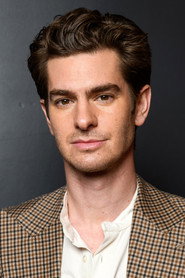 Andrew GarfieldRobin Cavendish
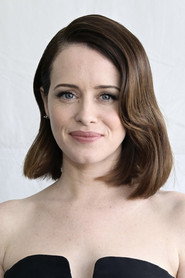 Claire FoyDiana Cavendish
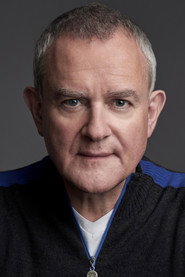 Hugh BonnevilleTeddy Hall
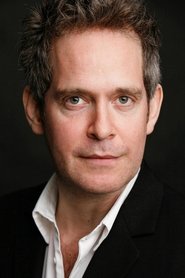 Tom HollanderBloggs Blacker / David Blacker
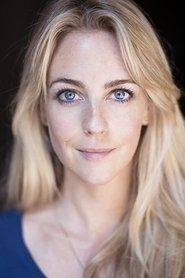 Miranda RaisonMary Dawney
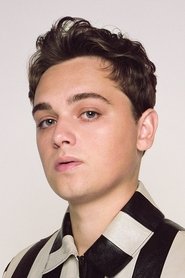 Dean-Charles ChapmanJonathan
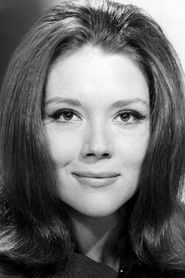 Diana RiggLady Neville
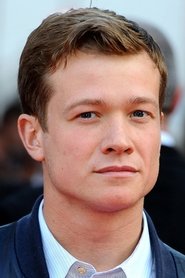 Ed SpeleersColin Campbell
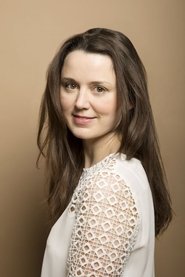 Emily BevanNurse Margaret
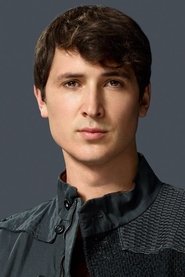 Ben Lloyd-HughesDr. Don McQueen
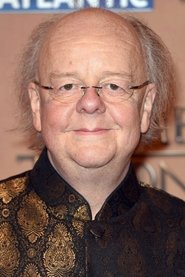 Roger Ashton-GriffithsHospital Chaplain
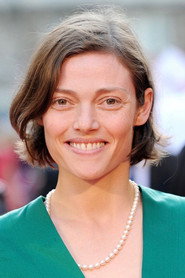 Camilla RutherfordKatherine Robertson
Directing
- Andy SerkisDirector
- Stuart RenfrewFirst Assistant Director
- Suzanne McGeachanScript Supervisor
- Ben RogersSecond Assistant Director
- Emma JouannetSecond Assistant Director
- Alexander SzygowskiThird Assistant Director
- Kingsley HoskinsThird Assistant Director
Writing
- William NicholsonScreenplay
Production
- Vanessa BakerADR Voice Casting
- Lucy BevanCasting
- Chiara MolinaroCasting Assistant
- Olivia GrantCasting Assistant
- Emily BrockmannCasting Associate
- Jane RobertsonCo-Producer
- Ron AmesCo-Producer
- Claudia BluemhuberExecutive Producer
- Hugo GrumbarExecutive Producer
- Ian HutchinsonExecutive Producer
- James SpringExecutive Producer
- Phil RobertsonExecutive Producer
- Tim HaslamExecutive Producer
- Michael HarmLocation Manager
- Jonathan CavendishProducer
- Anna HindsProduction Coordinator
- Daniel Oliver JonesProduction Coordinator
- Richard MayProduction Manager
- Simon DamastProduction Manager
Recommended by
The Theory of Everything, The Diving Bell and the Butterfly, Notes on Blindness, The Big Blue, Chasing Mavericks, The Accidental Tourist, Table No. 21