
Film
Whose Life Is It Anyway?
A paralyzed sculptor fights in court for the right to refuse life support, anchored by Richard Dreyfuss's defiant performance. It's urgent and intimate—less courtroom drama than a man asserting his autonomy against a system built to keep him alive. For anyone grappling with dignity, choice, and what a life is actually worth living.
Should you watch it?
Watch it if you want a talky, bruising debate about who gets to decide when a life is worth continuing, carried by Dreyfuss's sharp, funny-bitter performance and dialogue that refuses easy answers.
Skip it if you need a faster, more cinematic story, since most of this unfolds in rooms and conversations and its humour can feel strained against the subject.
What it asks of you: Roughly two hours of talky, close-up dialogue with little action, it moves at a deliberate pace and wants patience with its arguments.
Not sure? Find tonight's pick in a minute.
If you liked this
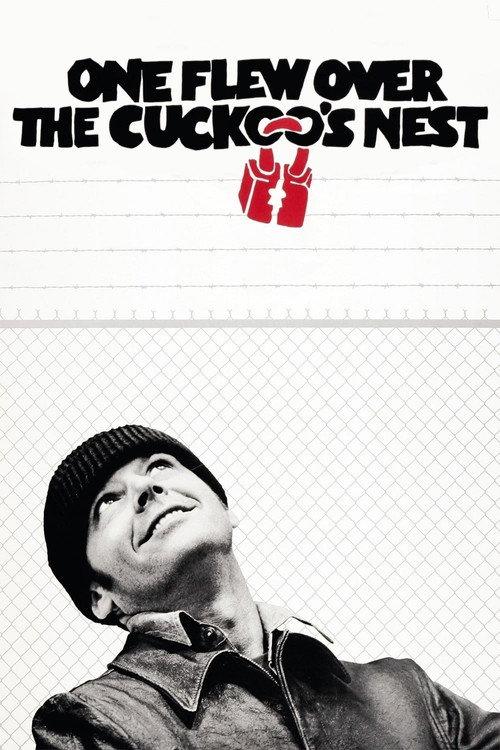
One Flew Over the Cuckoo's Nest1975
Jack Nicholson against an institution that claims to heal but actually crushes individuality. Like Whose Life, it's about one man's right to exist on his own terms, even when the system says no.
But The tone is darker and more cynical; it doesn't offer the moral complexity Whose Life reaches for.
My Left Foot: The Story of Christy Brown1989
Daniel Day-Lewis as a man with severe cerebral palsy who becomes an artist and lives with ferocious will. A mirror image: where Whose Life asks if life is worth living, this shows someone proving it absolutely is—on their terms.
But It's a bit sentimental in places, and the inspirational-person-overcomes-disability structure can feel familiar.

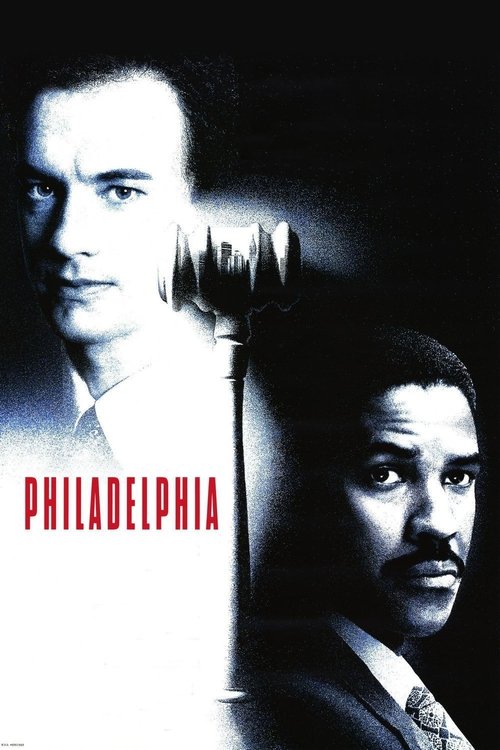
Philadelphia1993
Tom Hanks as a dying man fighting a system—his employer, his illness, his own fear. It shares the same moral engine: dignity in the face of institutional indifference, and the right to be seen as fully human.
But The courtroom scenes can feel schematic, and it relies on your sympathy for the protagonist in ways that feel engineered.
Not sure tonight? Get a pick in a minute, starting from Whose Life Is It Anyway?
The wildcard
Something you would not have found on your own.
Come and See1985
Both examine the point where continued existence becomes a form of torture, though they approach it from opposite directions.
Elem Klimov's Soviet war film about a boy's consciousness being destroyed by violence. What connects it: both are about watching a human being stripped of agency and autonomy, and the moral horror of that process. Whose Life asks if you should be allowed to choose death; Come and See asks what death would be merciful.
But It's one of the most disturbing films ever made—not metaphorically, literally. Images will stay with you in ways you may not want them to.

More like this (8)
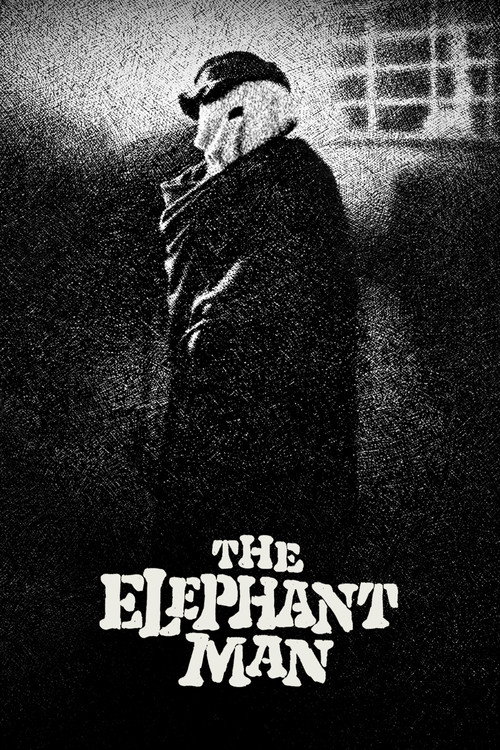
The Elephant Man1980
David Lynch's meditation on what we owe to bodies we find difficult to look at. John Merrick, like Ken Harrison, is trapped—by his body, by others' expectations—and demands to be treated as a person, not a case.
But It's slower and more dreamlike; if you want clarity and argument, this floats past you in shadow.
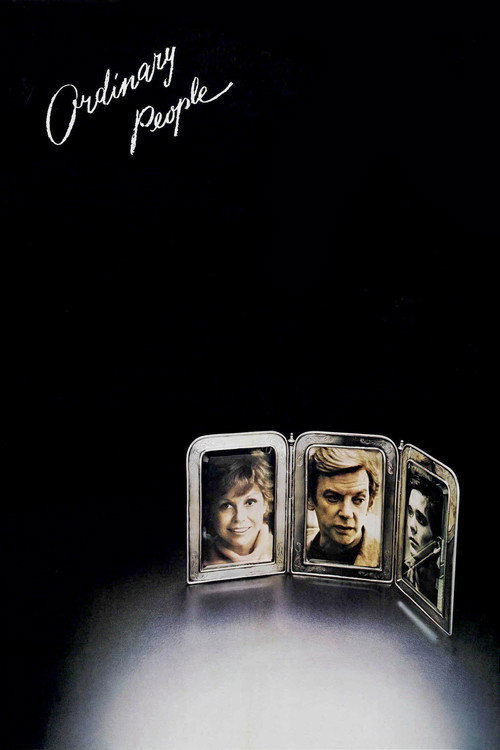
Ordinary People1980
Robert Redford's film about grief, shame, and the spaces between what people say they want and what they actually need. Less directly about bodily autonomy, but the same question: how do we live with irreversible change?
But It's restrained to the point of coldness; some find it distant rather than moving.
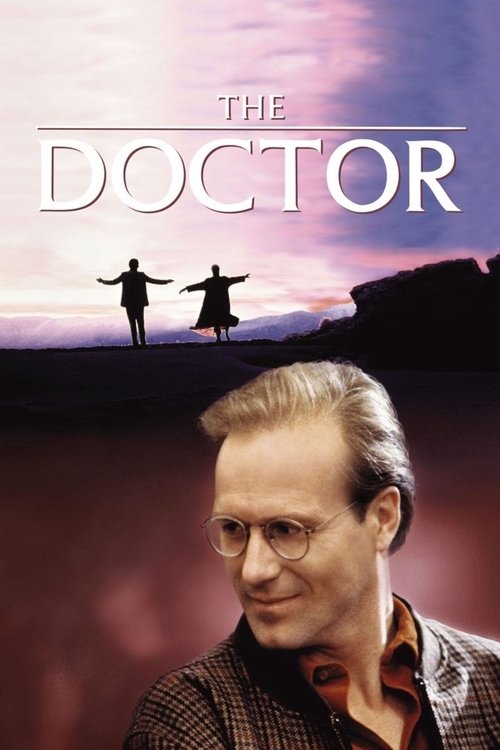
The Doctor1991
William Hurt plays a surgeon who becomes a patient and suddenly understands what his patients experience—powerlessness, indignity, the system's casual cruelty. It's a gentler cousin to Whose Life's argument.
But It's earnest in a way that can feel like an after-school special; the transformation is a bit neat.
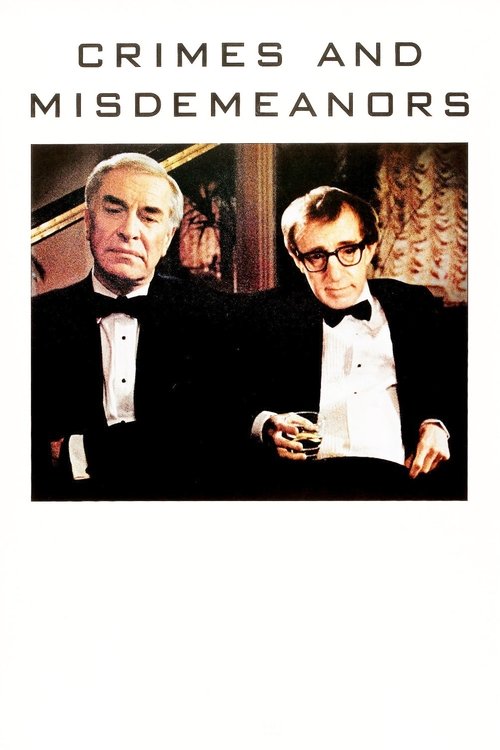
Crimes and Misdemeanors1989
Woody Allen's film about morality, conscience, and whether the universe cares what we do. It reaches for the same existential question Whose Life poses: what makes a life worth living, and who gets to decide?
But It's philosophical rather than dramatically urgent, and shifts between stories in ways that diffuse the tension.
The Sessions2012
John Hawkes as a paralyzed poet seeking a sexual surrogate to experience intimacy before he dies. It's tender and unflinching about desire, autonomy, and what a full life looks like from inside a body that doesn't work.
But The tone is quieter and more contemplative; if you want argument and urgency, this won't deliver it.

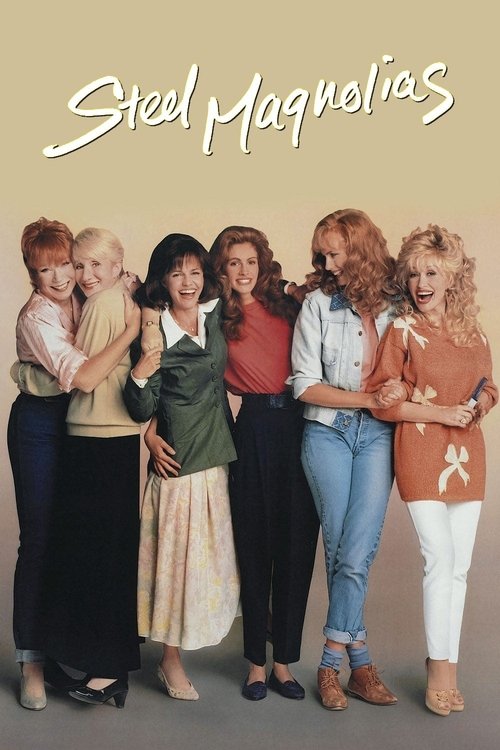
Steel Magnolias1989
A woman with diabetes chooses to have a child despite medical warnings, knowing it will shorten her life. It's about choice, consequence, and the right to live fully even when time is limited.
But It's a melodrama with a heavy reliance on catharsis; the emotional beats can feel manipulative.
The Seventh Seal1957
Both are about a man facing mortality and deciding what he owes to his own existence.
Bergman's knight plays chess with Death itself, trying to buy time and meaning before the end. Where Whose Life is a legal battle, this is metaphysical—a man negotiating with the inevitable and asking what matters in the hours remaining.
But It's glacially paced, symbolic, and demands you work for meaning rather than handing it to you.

Wings1966
Both are hospital films about what constitutes a life worth living, but Wings finds the answer in the mind's freedom rather than the body's right to choose.
Larisa Shepitko's invisible masterpiece: a retired pilot, lying in a hospital bed, dreams of flying. A meditation on life reduced to consciousness itself. What's left when the body fails? Shepitko answers: everything, if you look inward.
But It's a difficult Soviet film from the 1960s that's genuinely obscure; finding it takes work, and it rewards patience more than pleasure.

People
Cast
 Richard DreyfussKen Harrison
 John CassavetesDr. Michael Emerson
 Christine LahtiDr. Clare Scott
 Bob BalabanCarter Hill
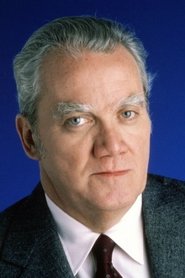 Kenneth McMillanJudge Wyler
 Kaki HunterMary Jo Sadler
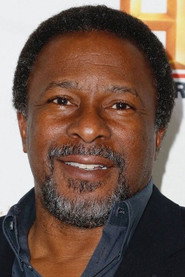 Thomas CarterOrderly John
- Alba OmsNurse Rodriguez
 Janet EilberPat
 Kathryn GrodyMrs. Boyle
 George WynerDr. Jacobs
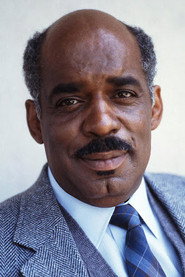 Mel StewartDr. Barr
Directing
- John BadhamDirector
Writing
- Brian ClarkScreenplay
- Reginald RoseScreenplay
Recommended by
The Sea Inside, Breathe, You Don't Know Jack, The Waterdance, Joni, Heartsounds