
Film
You Don't Know Jack
A taut, furious examination of Dr. Jack Kevorkian's crusade for assisted dying and the legal gauntlet he ran. Pacino's restless energy perfectly captures a man convinced of his rightness, surrounded by those equally convinced he's a killer. Unflinching about what it means when medicine becomes ideology, and vice versa.
Should you watch it?
Watch it if you want a study of a polarizing man's crusade, carried by an actor's fierce, talky performance more than by plot mechanics.
Skip it if the subject is euthanasia handled with grim seriousness, and at over two hours of legal wrangling and talk, its pace may test patience if you want quiet or lightness.
What it asks of you: Expect long stretches of courtroom argument and intimate, talky scenes, paced rather than fast, with little relief and a demand that you keep track of who is arguing what.
Not sure? Find tonight's pick in a minute.
If you liked this
Dallas Buyers Club2013
Matthew McConaughey's gaunt, furious performance as an AIDS activist fighting the medical establishment. Like Kevorkian, a man on the wrong side of law but convinced of his cause—except here you're invited to believe he's right.
But Heavy-handed at times, and the narrative can feel like a prescribed arc rather than a lived story. Some viewers find the rhetoric overwrought.

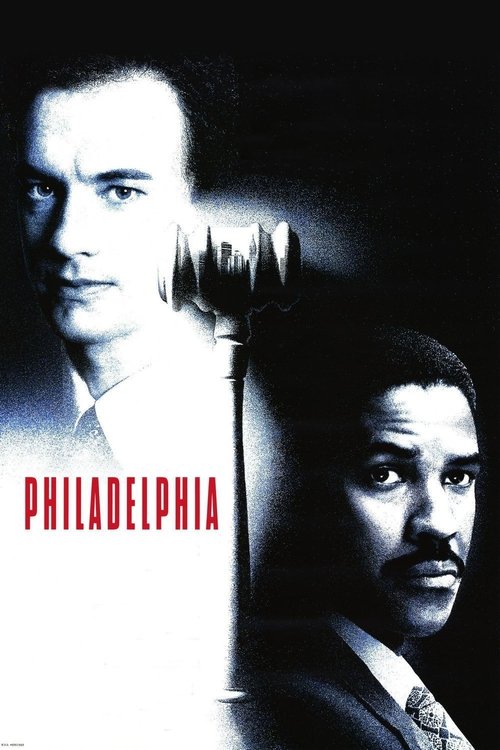
Philadelphia1993
Tom Hanks and Denzel Washington navigate law, medicine, and dying with precision and heartbreak. It's about how institutions fail individuals, but with a tenderness Kevorkian's story sometimes lacks.
But Now-dated in its earnestness and some elements haven't aged well politically. The courtroom drama can feel formulaic if you know the genre.
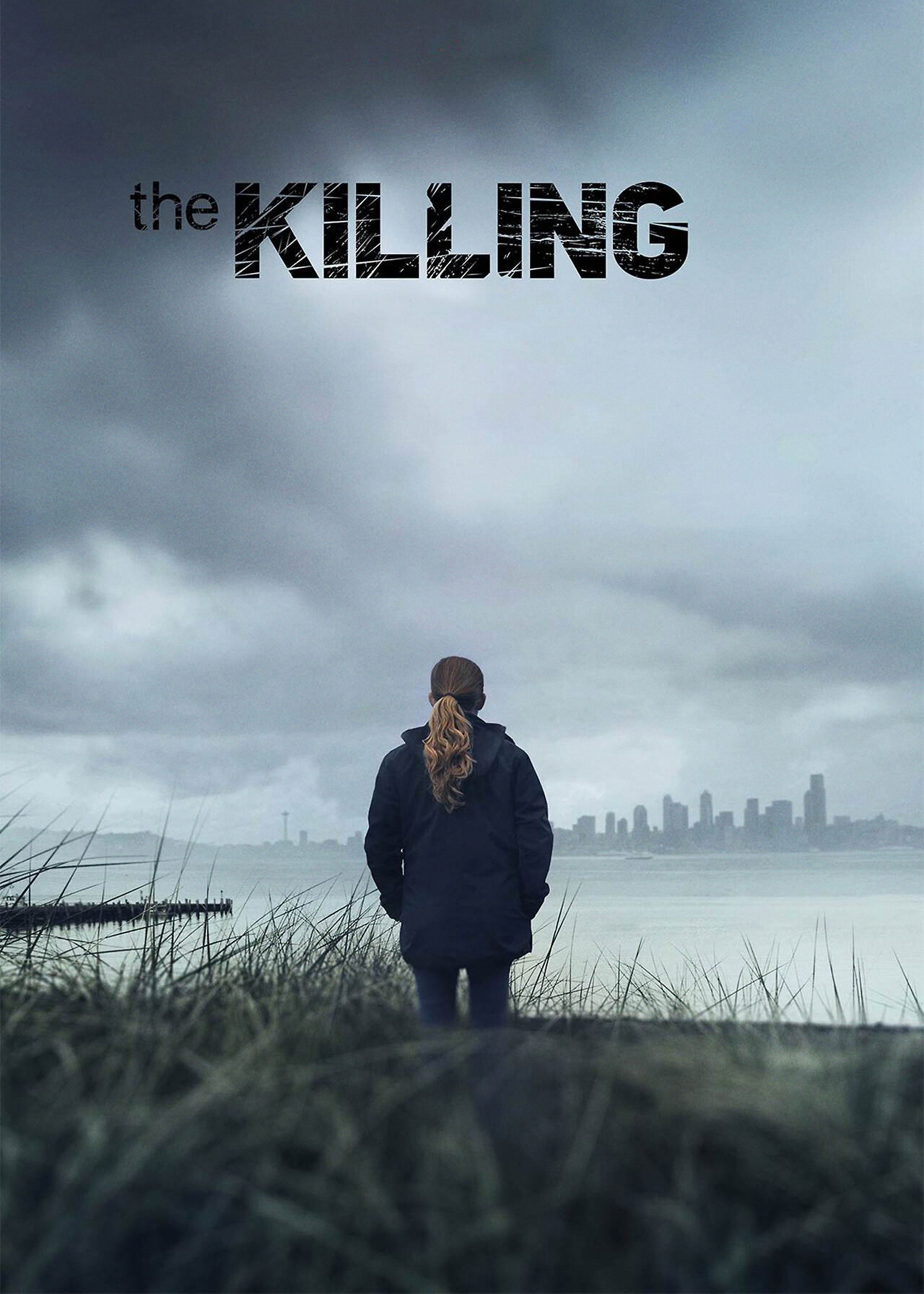
The Killing2011
Sarah Lund investigating a murder that spirals into institutional corruption and personal obsession. Shares Kevorkian's DNA: a protagonist convinced of truth while everyone else smells only blood and self-interest.
But Three seasons of relentless bleakness and false leads. Some people find it punishing rather than rewarding. The pacing demands your full attention.
Not sure tonight? Get a pick in a minute, starting from You Don't Know Jack
The wildcard
Something you would not have found on your own.
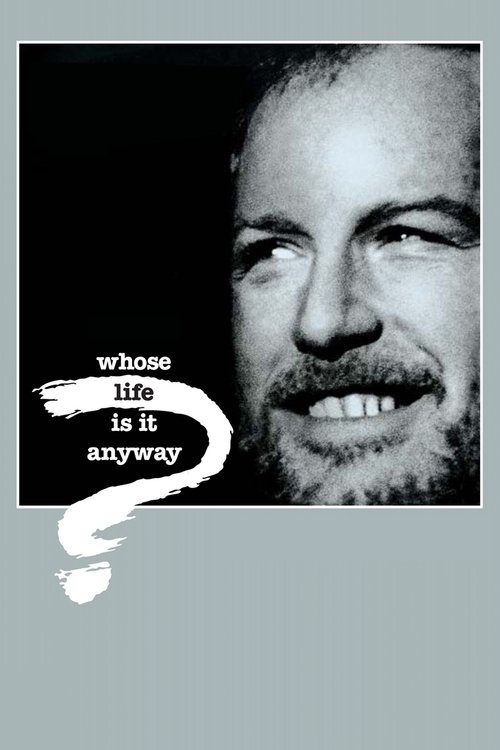
Whose Life Is It Anyway?1981
Both use the courtroom and medical apparatus as crucibles for a single moral question. Kevorkian advocates *for* death; Dreyfuss's character demands the right *to* it. Both are about whose body it is, and neither offers easy answers.
Richard Dreyfuss as a paralyzed sculptor fighting the hospital system for the right to die. It directly confronts Kevorkian's central question—but from the patient's perspective, without his certainty. Heartbreaking and unsentimental.
But Early-80s filmmaking means the emotional beats can feel broad. Some find the courtroom arguments preachy. It's a small film in a small space.
More like this (8)
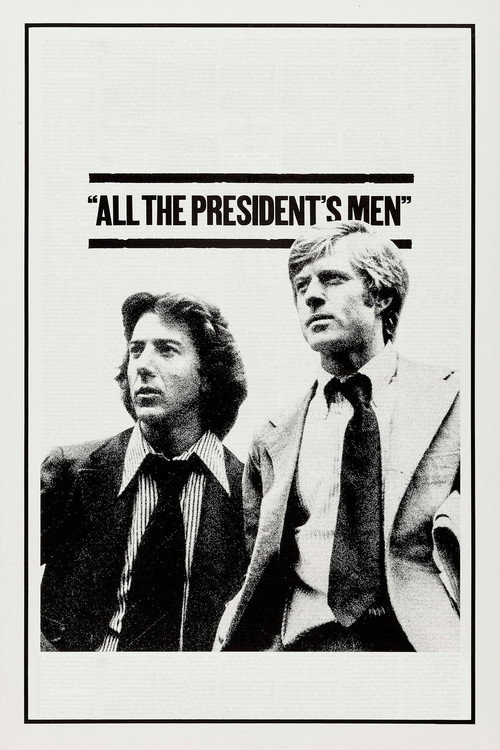
All the President's Men1976
Woodward and Bernstein pursuing truth against institutional resistance. Like Kevorkian, a story about conviction, documentation, and the machinery of law being tested by someone outside it.
But Slow-burn procedural that ages into a different film than it felt in 1974. For some, it's methodical rather than gripping.
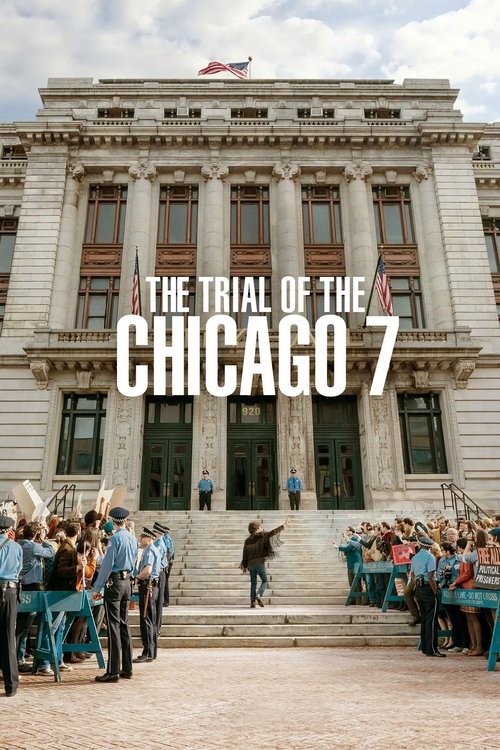
The Trial of the Chicago 72020
Sorkin's take on activists on trial, full of righteous argument and the gap between belief and legality. Shares Kevorkian's central tension: can the law ever encompass what's right?
But Sorkin's rhythms can feel decorative, all snap with less weight. The film's political simplicity bothers people who want moral complexity.
Spotlight2015
Boston Globe journalists uncovering institutional evil. Shares the procedural drive and slow revelation of complicity—how systems protect themselves from the people they harm.
But Ensemble piece means individual characters don't pierce as deeply as they might. Some find it worthy but cool—impressive rather than emotionally gripping.

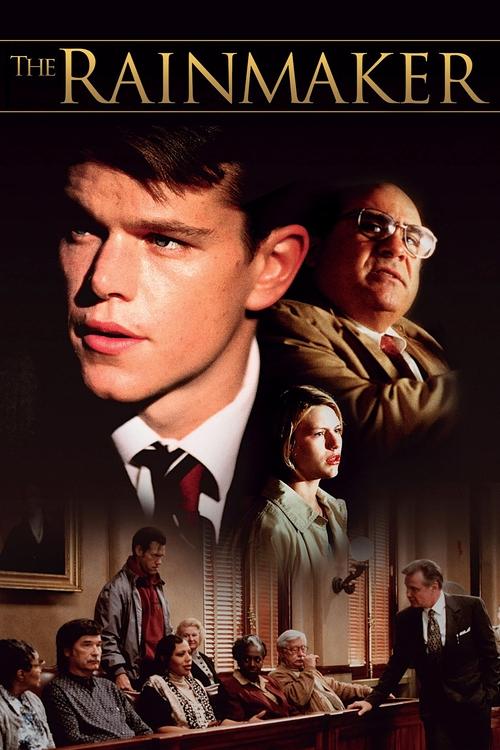
The Rainmaker1997
Young lawyer Matt Damon going up against system, law, and corruption. Grisham adaptation with real heart about why individuals challenge the machine.
But Melodramatic in places and the victory feels too neat. Not Fincher at his best; some see it as slightly too much Hollywood shine.
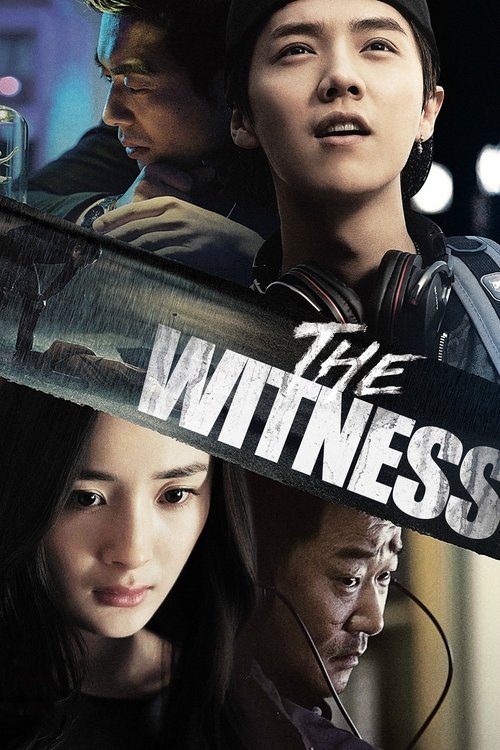
The Witness2015
Alex Gibney documentary about Jehovah's Witnesses' institutional response to abuse. Like Kevorkian, a story about a closed system confronted by someone with evidence and conviction.
But Heavy subject matter, limited distribution. The witness accounts are repetitive by design, which some find frustrating rather than clarifying.
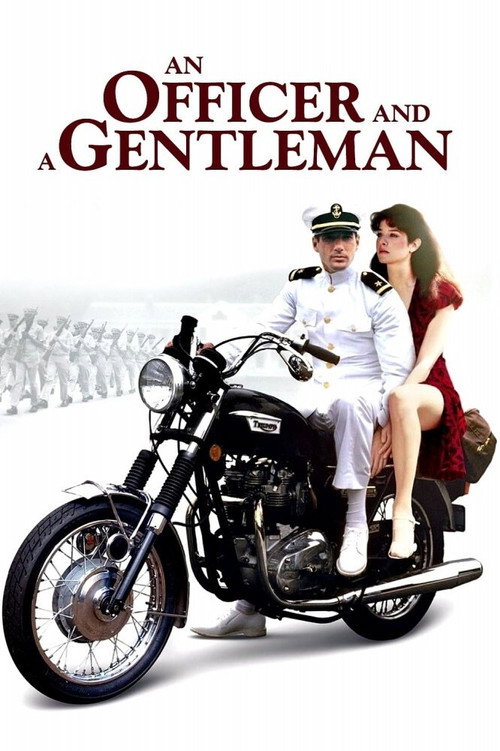
An Officer and a Gentleman1982
Maverick male lead, institutions, authority questioned. Lighter than Kevorkian but the same DNA: one person against the system that shaped them.
But Romantic subplot overwhelms the institutional drama. It's a different film than it wants to be, and the tonal balance is clumsy by modern standards.
Synecdoche, New York2008
Kevorkian and Kaufman's Caden both mistake obsession for righteousness. Kevorkian built an ideology around ending life; Caden built a play around documenting his own. Both are about systems that refuse to let anyone else matter. One is tragedy, one is horror—Kaufman's tragedy is a man's refusal to stop.
Kaufman's baroque, devastating meditation on mortality, meaning-making, and a man who can't let go—of work, of life, of anything. It's a film *about* dying that never mentions medicine. Bracingly weird and profoundly sad.
But Willfully obscure and emotionally punishing. Some viewers find Caden Cotard so narcissistic that empathy collapses. It's not a story; it's a maze Kaufman built to trap you.

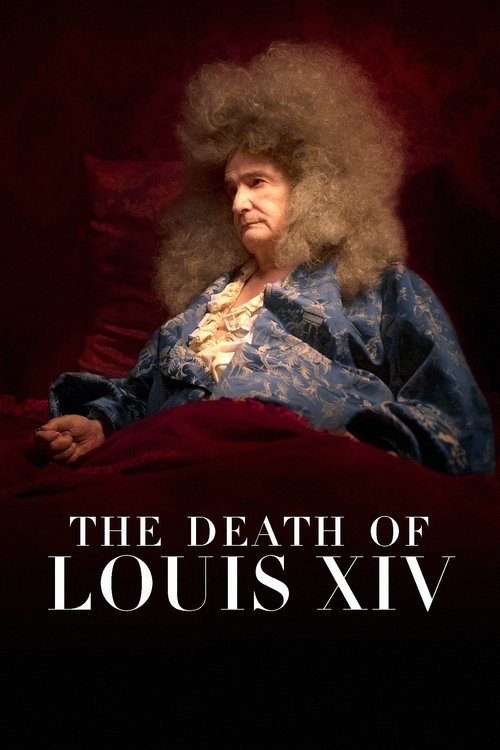
The Death of Louis XIV2016
Kevorkian denies death ceremony—efficiency, the quick exit, the refusal of prolonged indignity. Serra's film is the exact inverse: death as the only ceremony that matters, stripped of meaning except what the body insists on. One says 'get it over with'; the other says 'stay and watch.' Neither lets you look away.
Albert Serra's film is almost plotless—just a king dying in his bed, attended by priests and physicians, in real time. It makes dying a ceremony and a humiliation. Watching it is like holding your breath for 90 minutes.
But Glacially paced, deliberately artificial, very French. If you want narrative momentum or psychological insight into character, this is not it. Some find it pretentious; they're not entirely wrong.
People
Cast
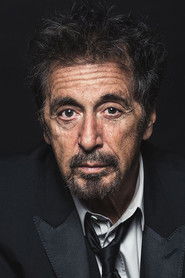 Al PacinoDr. Jack Kevorkian
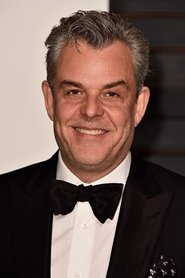 Danny HustonGeoffrey Fieger
 Susan SarandonJanet Good
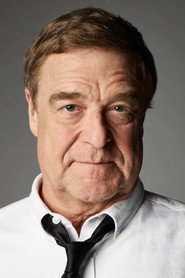 John GoodmanNeal Nicol
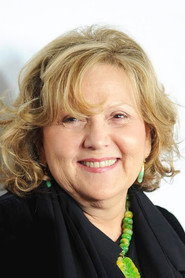 Brenda VaccaroMargo Janus
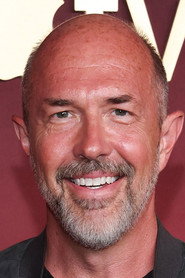 Eric LangeJohn Skrzynski
 James UrbaniakJack Lessenberry
 Rutanya AldaVendor
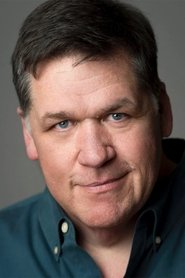 Delaney WilliamsDetective #1
 Danielle McKeeDorothy Lessenberry
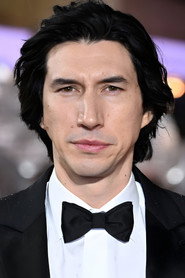 Adam DriverGlen Stetson
 Deirdre O'ConnellLinda
Directing
- Deanna Leslie KellyAssistant Director
- Timothy BirdAssistant Director
- Barry LevinsonDirector
- Jessica LichtnerScript Supervisor
Writing
- Adam MazerWriter
Production
- Drew GallagherAssociate Producer
- Ellen ChenowethCasting
- Amelia Rasche McCarthyCasting Associate
- Barry LevinsonExecutive Producer
- Glenn RigbergExecutive Producer
- Lydia Dean PilcherExecutive Producer
- Steve Lee JonesExecutive Producer
- Tom FontanaExecutive Producer
- Chris-Teena ConstasLocation Manager
- James D. LeeLocation Manager
- Scott FergusonProducer
- Derek YipProduction Accountant
- Scott FergusonUnit Production Manager
Recommended by
The Sea Inside, Wit, A Short Stay in Switzerland, How to Die in Oregon