
Film
How to Die in Oregon
- Drama
- Slow-burning
A sober, close-up documentary about people using Oregon's Death with Dignity law, following patients, families and doctors through diagnosis, deliberation and the final choice itself. It's unhurried and intimate rather than sensational, more interested in kitchen-table conversations than courtroom argument. For anyone curious about the actual mechanics and ethics of assisted death, told through lived experience rather than talking-head debate.
Should you watch it?
Watch it if you want an unflinching, patient look at a contested end-of-life choice, told through the people living it rather than through debate about it.
Skip it if you need a film with a clear argument or a lighter touch, since this one lingers on hard conversations and sickrooms without offering much relief along the way.
What it asks of you: Two hours of slow, sober attention, where the pace is deliberate and the mood stays grave from start to finish.
Not sure? Find tonight's pick in a minute.
If you liked this
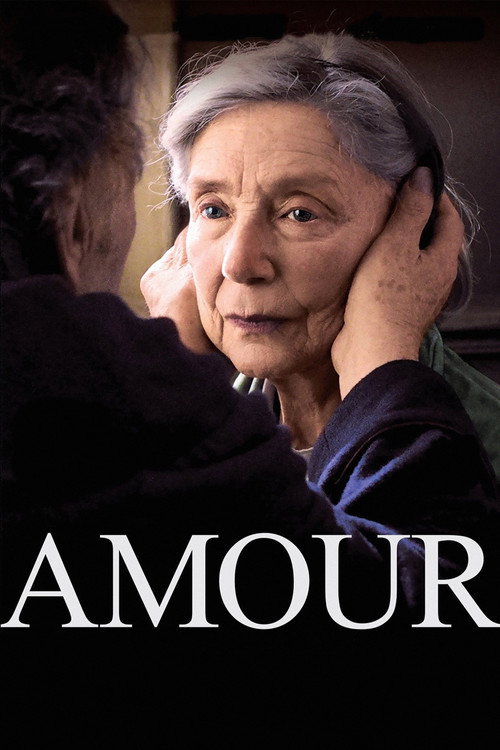
Amour2012
Haneke's unflinching portrait of an elderly couple facing the wife's decline shows love as endurance and the terrible intimacy of caregiving that no law can smooth over.
But It's clinically cold, deliberately slow, and offers no comfort or resolution—Haneke never blinks.
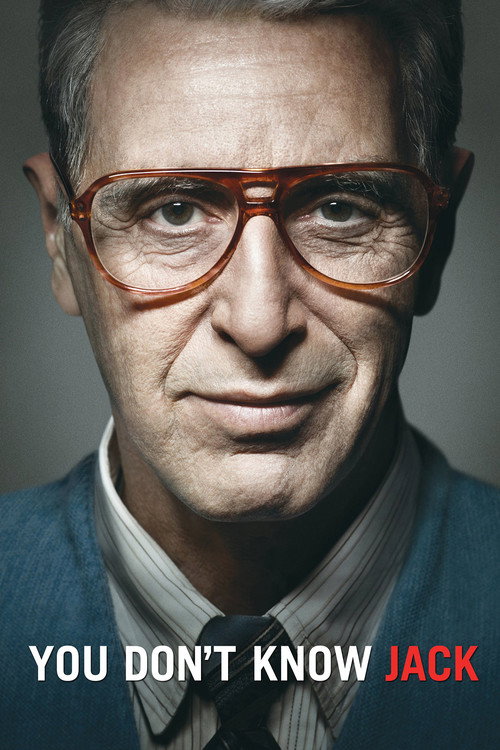
You Don't Know Jack2010
Al Pacino plays Jack Kevorkian, the man who forced America to confront assisted death decades before Oregon made it lawful; angry, funny, and deeply human.
But It's a biopic with a clear point of view—don't expect the balanced multiple perspectives of a documentary.
The Farewell2019
A family conceals a fatal diagnosis from the grandmother herself, asking whether mercy sometimes means silence rather than the frank conversations Oregon's law depends on.
But It's a comedy-drama, gentler and warmer in tone; if you want unvarnished reality, this softens it.

Not sure tonight? Get a pick in a minute, starting from How to Die in Oregon
The wildcard
Something you would not have found on your own.
Ikiru1952
Same terminal-diagnosis clock as Oregon's patients, but Kurosawa asks what you do with the time left rather than how you end it—the flip side of the same question.
A dying bureaucrat, given months to live, spends them trying to matter for the first time—less about the mechanics of death than the scramble to make life retroactively worth it.
But Black-and-white, subtitled, nearly seventy years old, and paced like the era it comes from—patience required.

More like this (6)
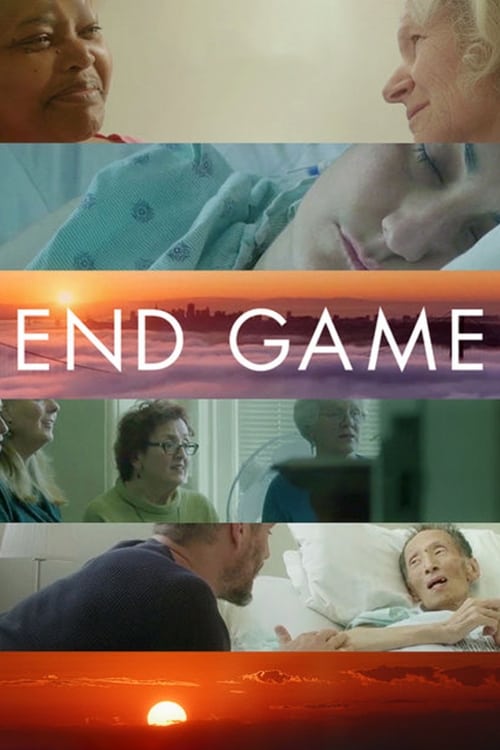
End Game2018
A Netflix short following hospice and palliative care doctors in San Francisco, sitting with dying patients and their families with the same quiet camera patience as this film.
But At 40 minutes it's slighter and more polished, and doesn't dwell on the legal fight the way Oregon does.
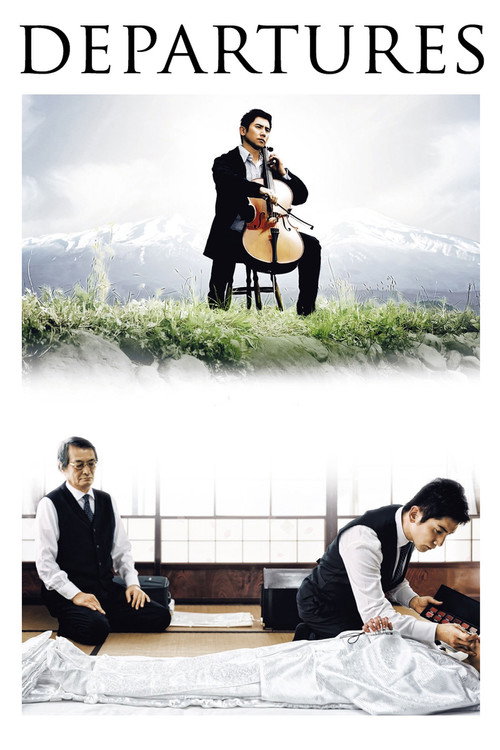
Departures2008
A Japanese drama about a man who becomes a ritual mortician, finding unexpected grace in preparing bodies for the send-off—death handled with tenderness rather than politics.
But There's no assisted dying here at all; it's about the after, not the choosing.
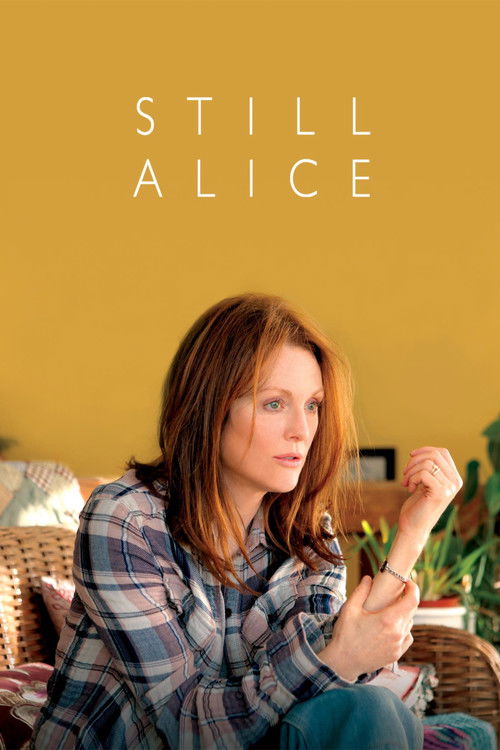
Still Alice2014
Julianne Moore's Oscar-winning performance as a linguist losing herself to early-onset Alzheimer's asks what dignity means when the mind, not the body, is what's failing.
But It's a mainstream weepie at heart—moving, but tidier and more conventionally staged than a documentary.
Extremis2016
A 24-minute Netflix short filmed inside an ICU, watching doctors and families negotiate end-of-life decisions in real time, unbearably close and unresolved.
But It's brief and leaves you with almost no context—more gut-punch than the fuller picture this film offers.

Million Dollar Baby2004
Eastwood's boxing drama pivots into a mercy-killing question that blindsides most first-time viewers, smuggling the same moral weight into a genre nobody expects it from.
But Getting there means sitting through a fairly conventional sports movie first—the ending arrives late and hits hard.

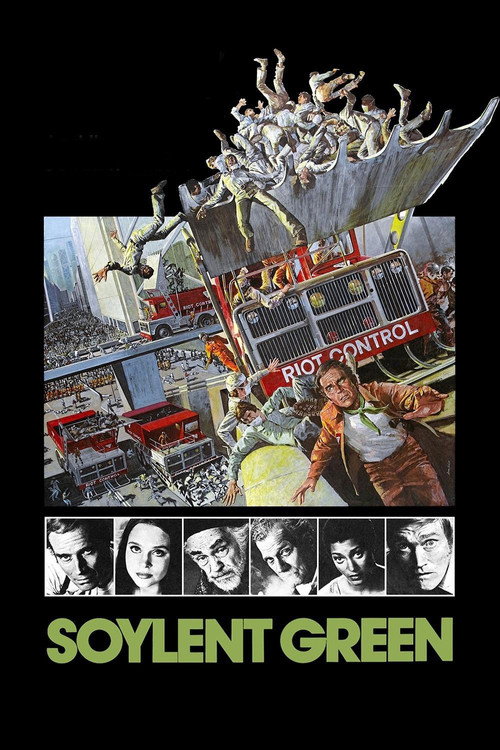
Soylent Green1973
Turns the same question—who controls a peaceful death, and why—into genre paranoia, imagining institutional 'mercy' as something to fear rather than choose.
A grimy sci-fi thriller set in an overcrowded dystopia, where a state-run euthanasia clinic offers a peaceful death with music and colour—chilling because it's sold as kindness.
But It's pulpy 70s sci-fi with dated effects and a wild tonal shift from anything resembling documentary realism.
People
Cast
- Harry BrutonSelf
- Ray CarnaySelf
- Cody CurtisSelf
- Paul DarleySelf
Directing
- Peter RichardsonDirector