
Film
Extremis
- Medical drama
- Very dark
- Slow-burning
Extremis is a 24-minute observational documentary that sits silently in an ICU as families and doctors navigate the impossible choice of when to let someone die. Shot with unflinching intimacy, it's a masterclass in documentary restraint—no narration, no music, just the weight of the moment. For anyone curious about medicine, mortality, or what it means to bear witness.
Should you watch it?
Watch it if you want a quiet, unflinching look at how hard choices actually get made, watching real people weigh medicine, family and mercy with no narrator telling you what to feel.
Skip it if you need a story with a clear arc, characters you get to know over time, or any relief from heavy subject matter, since this stays with difficult conversations from start to finish.
What it asks of you: It runs only about twenty-four minutes, but each minute asks you to sit still with grief and uncertainty, and it trusts you to draw your own conclusions without guidance.
Not sure? Find tonight's pick in a minute.
If you liked this
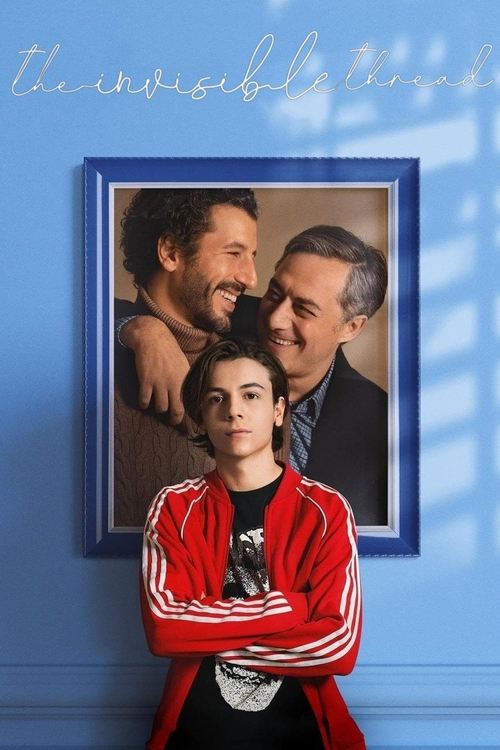
The Invisible Thread2022
Rodney Levi's meditation on grief and family after sudden loss. Spare, emotionally precise, and deeply compassionate about how we hold onto people after they're gone—the emotional inverse of watching someone leave.
But Very quiet and internal. No narrative arc, just the texture of mourning. Some will find it too austere.
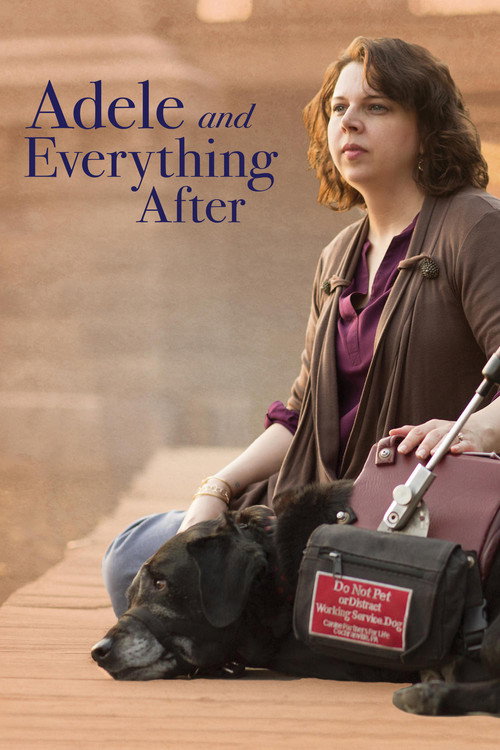
Adele and Everything After2017
Follows patients and families at a palliative care center with the same respectful distance as Extremis. Illuminates how good medicine at the end of life looks less like fighting and more like witnessing.
But Limited distribution and a smaller scope. Some may find it less cinematically compelling than Extremis.
The Act of Killing2012
A documentary about moral reckoning and confession—men asked to confront the weight of deaths they've caused. It's about mortality and accountability in profoundly different circumstances, but the psychological burden is similarly immense.
But Extremely long (two hours plus), morally disturbing, and structurally unconventional. Can feel exploitative if you're not in the right frame of mind.

Not sure tonight? Get a pick in a minute, starting from Extremis
The wildcard
Something you would not have found on your own.
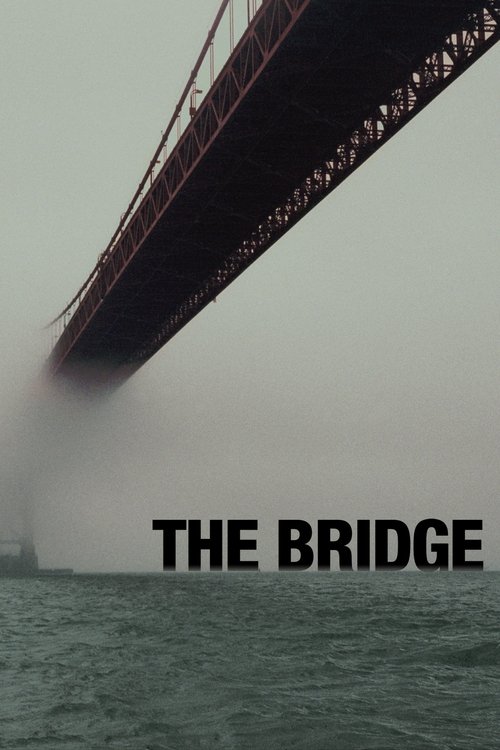
The Bridge2006
Both are observational documentaries about death that refuse to look away or offer false comfort. They trust viewers to witness and think.
A documentary about suicide at the Golden Gate Bridge. Like Extremis, it observes death with radical honesty and without sentimentality. Both films trust the viewer to sit with grief and moral complexity—neither offers easy catharsis.
But Deeply triggering material. Some will find it exploitative despite its intentions. Not a film for acute emotional vulnerability.
More like this (5)
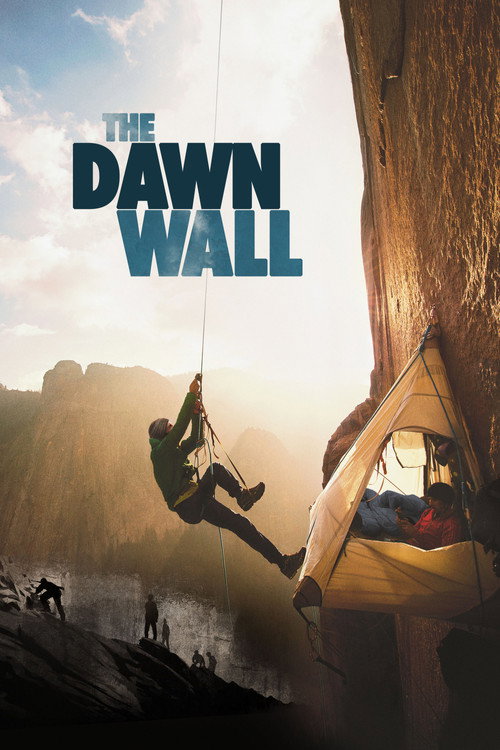
The Dawn Wall2017
A climb up a nearly impossible rock face becomes a meditation on commitment, mortality, and what we're willing to risk for meaning. The stakes are physical rather than medical, but the existential weight is similar.
But Rock climbing sequences may feel irrelevant if you don't care about the sport itself.
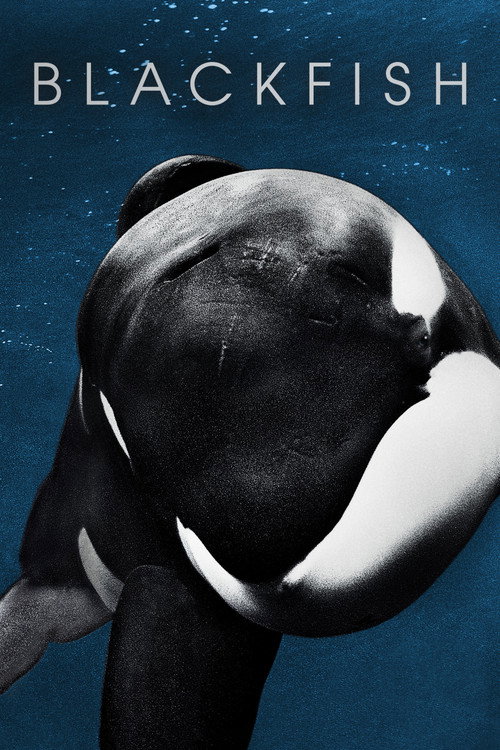
Blackfish2013
Another observational documentary about suffering and systems—here, orcas in captivity. Like Extremis, it trusts you to draw ethical conclusions without voice-over hectoring.
But Advocacy doc in disguise; some argue it manipulates evidence. Also widely discussed, so less of a discovery.
O.J.: Made in America2016
A five-hour oral history that shows how observation and restraint can shape massive material. It trusts the interviews themselves without sensationalizing, much as Extremis trusts the hospital room.
But Extremely long and sprawling. Demands real commitment and repeated viewing to absorb.

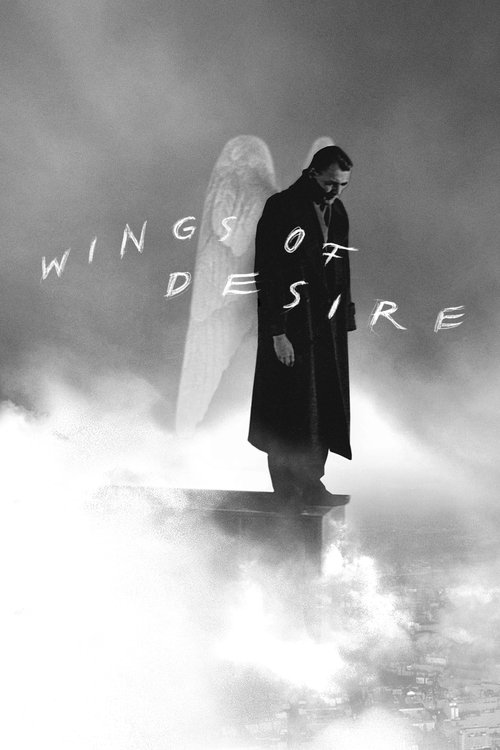
Wings of Desire1987
Both are absorbed in what it means to witness human mortality up close. Wenders is metaphysical; Extremis is literal. Same obsession, different doors.
Wim Wenders' meditation on mortality, presence, and the weight of being alive—told from the perspective of angels watching a city. Poetic and philosophical where Extremis is clinical, but both are fascinated by the threshold between life and death, presence and absence.
But Deliberately slow and metaphorical. Some will find it pretentious or baffling; it rewards patience more than clarity.
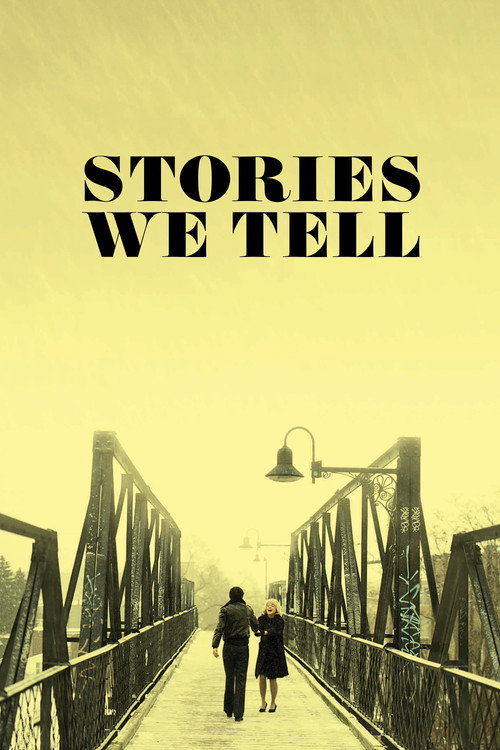
Stories We Tell2012
Both grapple with how to film what cannot be filmed—death, intimacy, the gap between event and understanding. Haneke's tool is memory and reconstruction; Chung's is observation and silence.
Michael Pleya Haneke's film essay about his family's secrets and mortality. Where Extremis documents strangers at the edge of death, Haneke excavates familial intimacy and the stories we construct around loss. Both are formal experiments in representing the unrepresentable.
But Formally demanding and family-specific in ways that can feel hermetic. Some viewers find it self-indulgent or unclear.
People
Cast
- Monica BhargavaHerself
- Jessica ZitterHerself
Directing
- Dan KraussDirector
Production
- Bonni CohenExecutive Producer
- Dan KraussProducer