
Film
Breaking the Waves
Lars von Trier's shattering study of faith, sacrifice, and love in a rigid religious community. Emily Watson delivers a performance of raw vulnerability as a woman whose unshakeable devotion to her paralyzed husband becomes an act of self-destruction. Operatic, cruel, and weirdly tender—a film that stays with you like a scar.
If you liked this
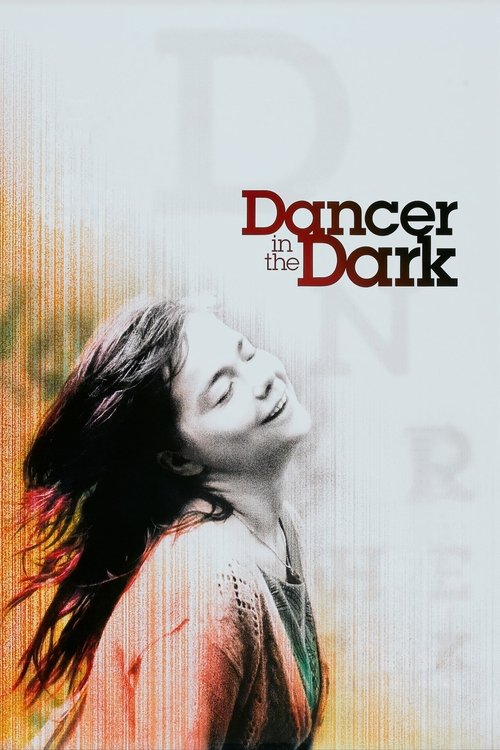
Dancer in the Dark2000
Another von Trier vision of a woman destroyed by circumstance and her own goodness, this time Björk in a factory worker's tragedy that unfolds as a musical. Utterly devastating and formally audacious.
But The grief is relentless and the ending is unbearable. Some will find the musical numbers jarring rather than cathartic.
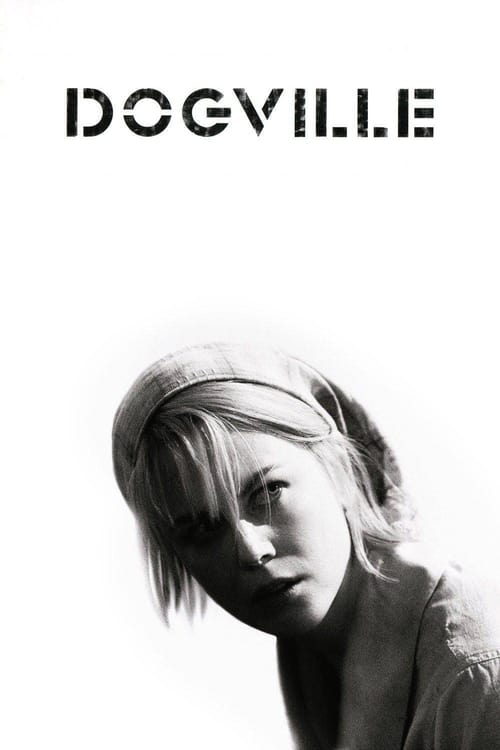
Dogville2003
Von Trier again exploring how a community's cruelty accumulates against one woman. Nicole Kidman gives a career-best performance in this defiantly theatrical experiment—no sets, just chalk outlines and human ugliness.
But It's a three-hour philosophical play masquerading as film, and the finale is so bleak it borders on nihilistic. Demands patience and emotional endurance.
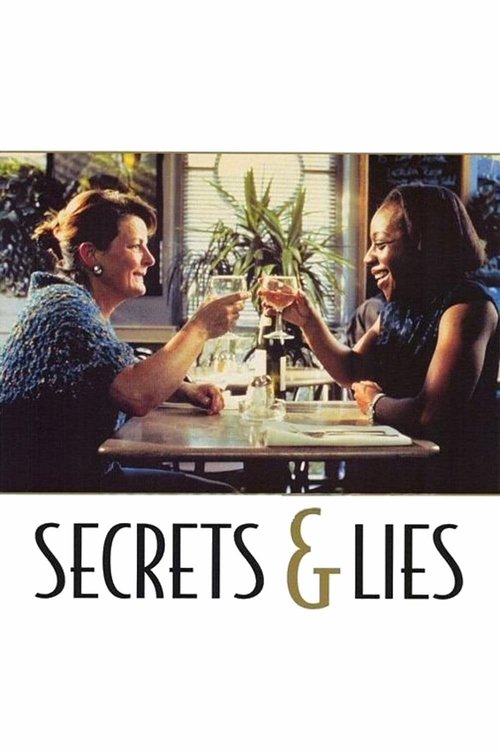
Secrets & Lies1996
Mike Leigh's masterpiece about hidden pain simmering beneath suburban normalcy. A Black woman searches for her birth mother in working-class London; the emotional excavation is as tender and honest as cinema gets.
But It's nearly three hours of conversation and close observation. The emotional exposure will exhaust you—there's nowhere to hide from these characters' truths.
Not sure tonight? Get a pick in a minute, starting from Breaking the Waves
The wildcard
Something you would not have found on your own.
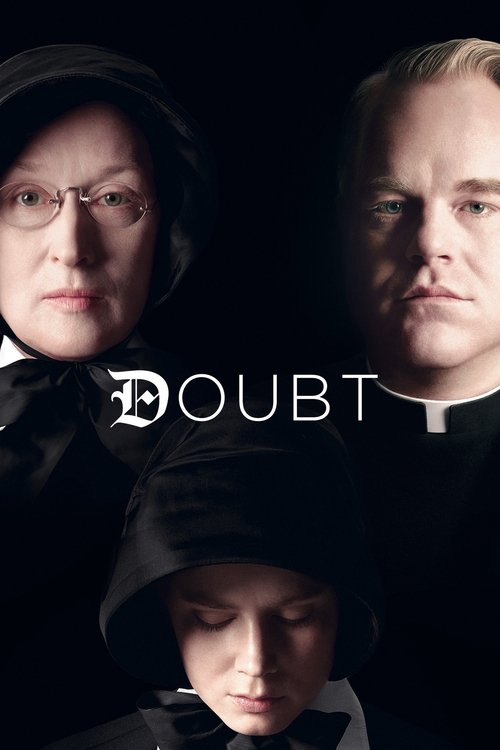
Doubt2008
Both films ask whether faith itself can be a form of harm. Both centre women destroyed by their own convictions. Both find God in the wreckage.
Shanley's stage adaptation becomes something deeper on film: Meryl Streep and Philip Seymour Hoffman locked in a battle over faith, accusation, and the impossibility of knowing truth. It's about the cruelty of certainty.
But It's a filmed play with theatrical rhythms. And the ending offers ambiguity where many want judgment—the film trusts you to hold two truths.
More like this (8)
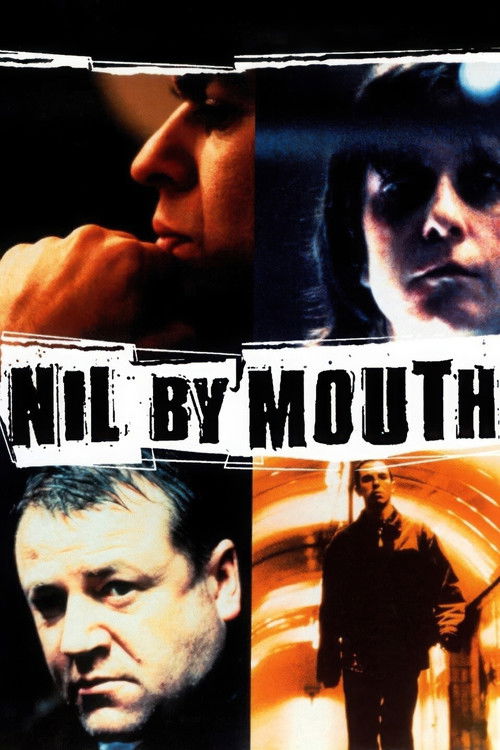
Nil by Mouth1997
Gary Oldman's directorial debut: a brutal, unsparing portrait of a South London family drowning in addiction and violence. Ray Winstone is magnificent. Unflinching and sometimes darkly funny.
But The language is deliberately raw, the abuse casual and frequent. It's authentically grim—no softening for the audience, no easy catharsis.
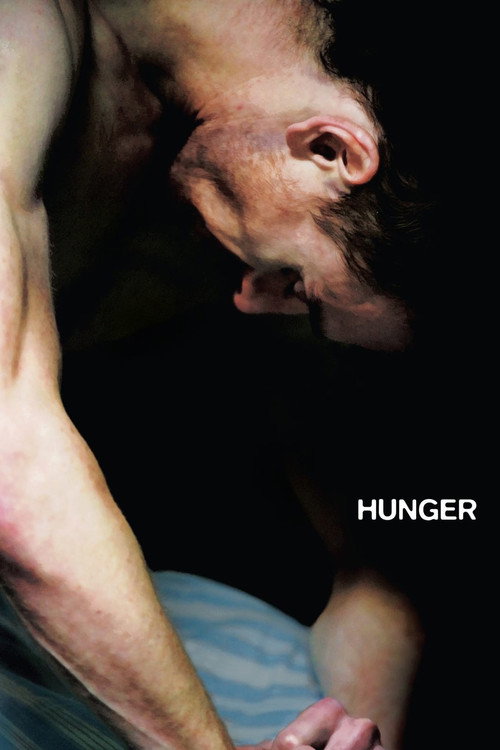
Hunger2008
Steve McQueen's debut feature about Bobby Sands' final days. Michael Fassbender communicates an entire spiritual and political crisis through physical degradation. Formally radical and morally urgent.
But It's abstract and physically difficult to watch. Long stretches without dialogue; the human body becomes almost documentary in its specificity.
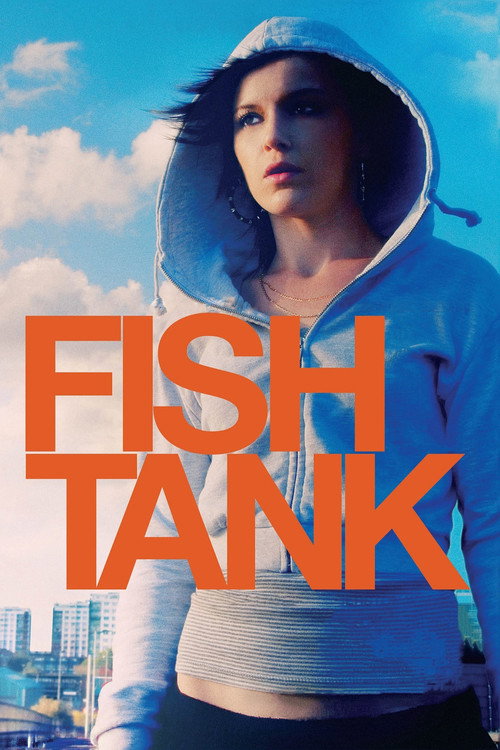
Fish Tank2009
Andrea Arnold's gritty portrait of a young dancer trapped in a bleak Essex estate, desperate for escape. Raw energy, authentic violence, and a girl you'll believe in completely.
But The environment is claustrophobic and the options genuinely limited. It offers no comfortable resolution—just the weight of circumstance.
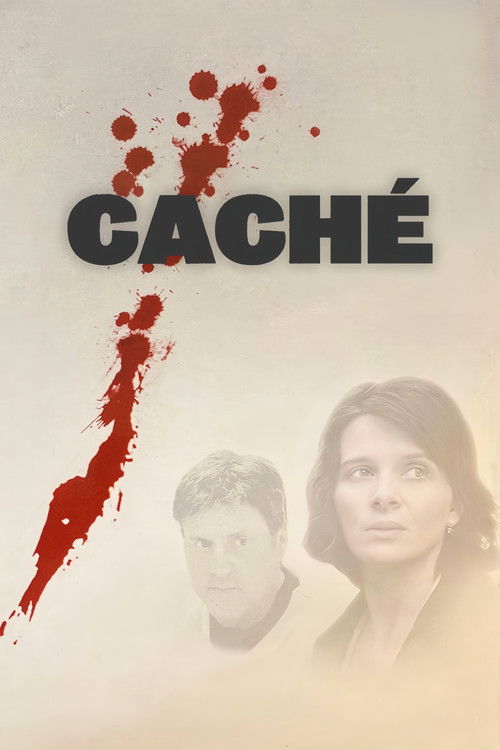
Caché2005
Haneke's masterpiece about guilt, class, and the comfortable blindness of the bourgeoisie. Isabelle Huppert and Daniel Auteuil are trapped in a mystery that might be about colonialism or paranoia or both.
But It's deliberately obscure; Haneke refuses to explain what's happening. The ambiguity will frustrate those who want answers.
A Prophet2009
Jacques Audiard's prison epic tracking a young man's transformation from victim to kingpin. Beautifully shot, morally complex, with a lead performance that haunts you.
But It's nearly two and a half hours and entirely set in and around prison. The violence is matter-of-fact and the trajectory is darker than it first appears.

Under the Skin2014
Jonathan Glazel's hypnotic sci-fi nightmare with Scarlett Johansson in a nearly silent role, luring lonely men. Unsettling, formally experimental, more about mood than plot.
But It's glacially paced and deliberately cryptic. Long scenes of driving and silence; demands surrender rather than engagement. Some will find it pretentious.

Come and See1985
Both films believe cinema has a duty to show suffering without mercy. Both centre someone whose goodness makes them vulnerable to destruction. Both end with faith shattered.
Elem Klimov's Soviet masterpiece: a boy conscripted into WWII and destroyed by what he witnesses. Shot like a fever dream, it's less a war film than a descent into human monstrosity. Unforgettable and terrifying.
But It's genuinely difficult to watch—not exploitative, but so committed to showing the spiritual devastation of war that it becomes almost unwatchable. The final image will haunt you painfully.

The Holy Mountain1973
Both are operatic assaults on faith and spirituality. Both use the body as theology. Both ask whether sacrifice brings you closer to God or just destroys you—and leave you uncertain.
Jodorowsky's hallucinatory spiritual odyssey: deliberately obscene, acid-logic mysticism, surrealist imagery that burrows into your unconscious. Defiantly strange and impossibly ambitious.
But It's nearly three hours of pure weirdness with no conventional narrative. If you need plot or realism, this will seem like pretentious nonsense. It demands you surrender to its logic.

People
Cast
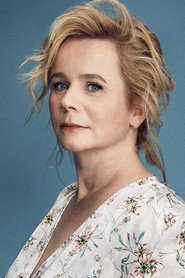 Emily WatsonBess McNeill
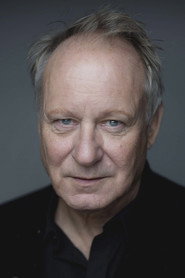 Stellan SkarsgårdJan Nyman
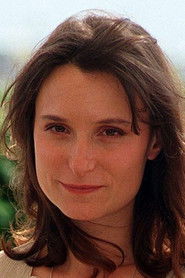 Katrin CartlidgeDodo McNeill
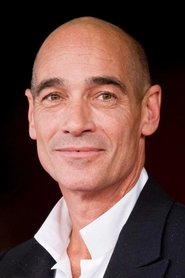 Jean-Marc BarrTerry
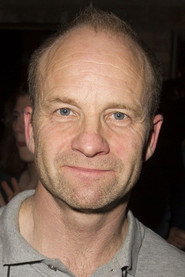 Adrian RawlinsDr. Richardson
- Jonathan HackettPriest
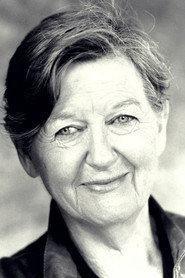 Sandra VoeMother
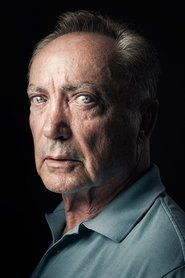 Udo KierSadistic Sailor
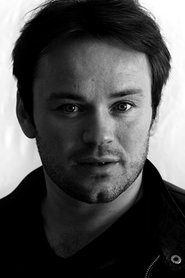 Mikkel GaupPits
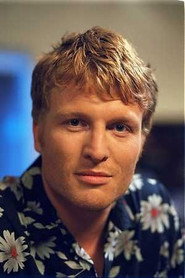 Roef RagasPim
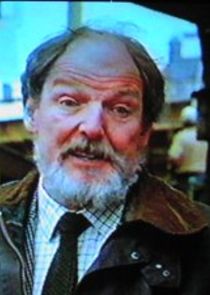 Robert RobertsonChairman
- Phil McCallGrandfather
Directing
- Linda DaaeContinuity
- Lars von TrierDirector
- Morten ArnfredFirst Assistant Director
- Kristoffer NyholmSecond Unit Director
Writing
- David PirieCo-Writer
- Peter AsmussenCo-Writer
- Kirsten Bonnén RaskScript Consultant
- Tómas GislasonScript Consultant
- Lars von TrierWriter
Production
- Ruth TarkoAdditional Casting
- Joyce NettlesCasting
- Rie HedegaardCasting
- Louise CrossCasting Assistant
- Axel HelgelandCo-Producer
- Marianne SlotCo-Producer
- Peter van VogelpoelCo-Producer
- Rob LangestraatCo-Producer
- Lars JönssonExecutive Producer
- Anna AnthonyExecutive Producer's Assistant
- Anne CampbellExtras Casting
- Janet RiddochLocation Manager
- Morten KleenerLocation Manager
- Peter Aalbæk JensenProducer
- Vibeke WindeløvProducer
- Charlotte PedersenProducer's Assistant
- Ann KøjProduction Accountant
- Ann VognsenProduction Accountant
- Ghita NorrekjærProduction Accountant
- Casper HolmProduction Assistant
- Nanna Mailand-MercadoProduction Assistant
- Tine Grew PfeifferProduction Assistant
- Christine MacLeanProduction Consultant
- Leif MohlinProduction Manager
- Glenn WeinoldProduction Runner
- John GoodwinProduction Runner
- Rasmus HeisterbergProduction Runner
- Ricki RasmussenProduction Runner
- Stephen BurtProduction Runner
- Lene NielsenUnit Production Manager