
Film
The Apostate
A Spanish comedy-drama about a young man's surprisingly bureaucratic battle to officially leave the Catholic Church. Droll and intimate, it finds absurdity in institutional inertia and family obligation. Perfect for anyone who's ever tangled with paperwork designed to exhaust you into compliance, or who appreciates wry European humor about faith, doubt, and the gaps between them.
Should you watch it?
Watch it if you enjoy quietly absurd satire that finds the comedy in paperwork and institutional red tape, and you don't mind a story that keeps its laughs understated even when the subject turns personal.
Skip it if the comedy is gentle and episodic, so if you want a sharp plot pulling you forward, its slow accumulation of office visits may feel thin.
What it asks of you: Its runtime is brief, around eighty minutes, and it moves at an unhurried pace, with scenes that linger on people waiting and speaking in circles.
Not sure? Find tonight's pick in a minute.
If you liked this
Spotlight2015
Another film about people fighting institutional Catholicism through paperwork and persistence. Methodical, angry, necessary—but where Apostate is dry comedy, this is urgent investigative drama. Both reveal how bureaucracy shields wrongdoing.
But It's a serious, heavy treatment of genuine abuse. No levity, no Spanish eccentricity—just the patient work of uncovering horror.

Moonlight2016
A intimate portrait of identity formation against faith, family, and inherited shame. Like Apostate, it privileges quiet observation over explanation. Both trust you to sit with contradiction and discomfort.
But It's slow and poetic rather than comedic. If you want laughs, you won't find them here. The rhythm is meditative.

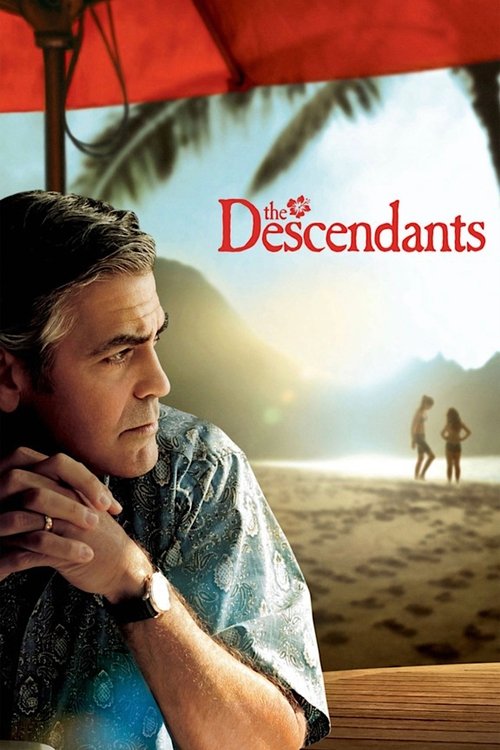
The Descendants2011
George Clooney navigating family, faith, and bureaucratic tangles in Hawaii. Shares Apostate's dry humor about men failing to manage adult relationships. Both balance comedy with genuine emotional stakes.
But It's warmer and less biting than Apostate. If you want sharper social critique, this trades it for empathy.
Not sure tonight? Get a pick in a minute, starting from The Apostate
The wildcard
Something you would not have found on your own.
Priest2011
Both center a young man's impossible relationship with Catholic institutional authority, but from opposite emotional temperatures—one finds it absurd, the other finds it devastating.
Paul Dano as a young priest in a rural Pennsylvania parish, suffocated by doctrine and desire. Like Apostate, it's a portrait of a man at odds with the Church's demands. But where Apostate is witty and bureaucratic, this is visceral and tragic—faith as a violent interior conflict rather than a paperwork problem.
But It's a slow-burn tragedy about sexual abuse and trauma. The tone is punishing. Apostate has humor to relieve the tension; this doesn't.

More like this (8)
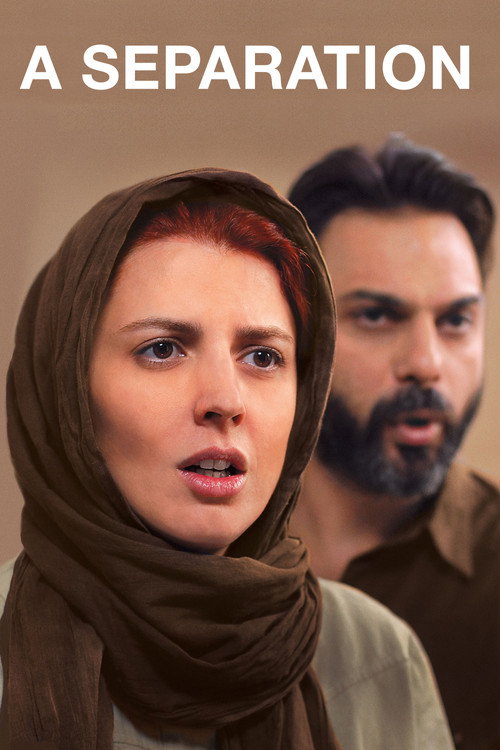
A Separation2011
Iranian drama about bureaucratic nightmare and family dissolution. Like Apostate, it finds dark comedy in systems designed to frustrate. Both are about what institutions demand from us versus what we actually want.
But It's grimmer and more formally severe. Apostate has levity; this doesn't flinch from bleakness.
Paterson2016
Jim Jarmusch's deadpan portrait of routine and small disappointments. Shares Apostate's affection for ordinary people navigating absurd situations with quiet dignity and dry wit.
But Almost nothing happens. If you need plot momentum or resolution, you'll find the pacing maddening.

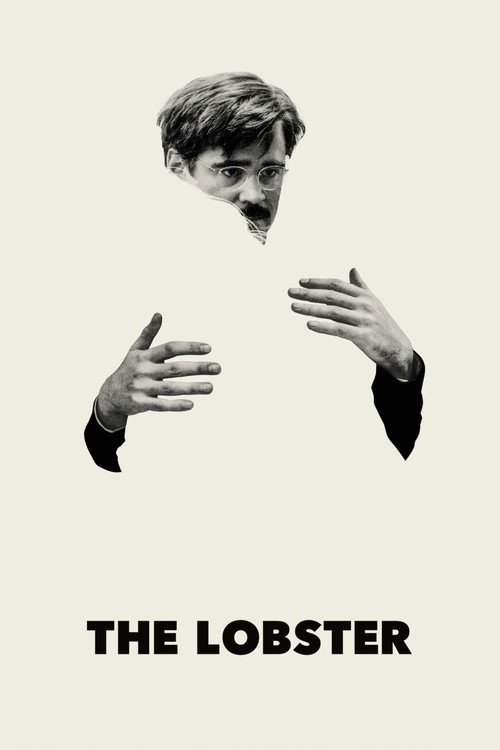
The Lobster2015
Greek absurdist comedy about systems that don't quite make sense. Like Apostate, it uses bureaucratic logic as the engine for surreal, darkly funny situations. Both find humanity in the cracks.
But It's far stranger and more deliberately alienating. If Apostate feels too grounded, this might feel impenetrable.
Another Year2010
Mike Leigh's chamber piece about English family and obligation. Shares Apostate's interest in how people relate to authority figures and institutions. Both are quietly devastating about duty versus desire.
But It's relentlessly grim. Apostate has moments of lightness; this doesn't offer much comfort.

Toni Erdmann2016
German comedy about a man testing his relationship with his daughter through performance and gentle chaos. Like Apostate, it's about negotiating identity within family structures, with both comedy and real tenderness.
But It's nearly three hours and meanders. Apostate moves briskly; this one demands patience with digression.

The Guard2011
Irish comedy-drama pairing a cantankerous cop with an FBI agent. Shares Apostate's European sensibility: dry, skeptical, amused by authority, fond of its people despite their failings.
But It's broader and more traditionally funny. If you prefer subtle comedy to wisecracks, this will feel like it's winking too hard.

Dogville2003
Both use institutional logic to reveal moral rot. Where Apostate is a comedy about futility, Dogville is a tragedy about judgment. The scaffolding is identical; the mercy is gone.
Lars von Trier's staging of faith, judgment, and community betrayal. Like Apostate, it's about systems that appear rational but are actually expressions of collective cruelty. Both expose the gap between what institutions claim to do and what they actually do to people.
But It's aggressively bleak, formally experimental, and extremely long. Apostate is humane; this is punishing. Von Trier doesn't offer comfort.

Floating Clouds1955
Both use bureaucratic entanglement as the structure for intimate character study. Both films are about a person alone against an indifferent apparatus, expressed through formal restraint rather than melodrama. Opposites in era and culture; identical in their cool, observant eye.
Mikio Naruse's Japanese melodrama about a woman fighting post-war bureaucracy and male indifference. Like Apostate, it's formally precise, subtly funny, and about a protagonist trying to navigate systems designed to deny them. Both films trust silences and find humanity in procedural frustration.
But It's a 1950s Japanese film in black and white. If you need contemporary dialogue and close-ups, the emotional register will feel distant and strange.

People
Cast
 Andrés GertrúdixCarlos
 Vicky PeñaMadre
 Bárbara LennieMaite
 Marta LarraldePilar
 Álvaro OgallaGonzalo Tamayo
 Kaiet RodríguezAntonio
 Juan CalotObispo
 Joaquín ClimentPadre
 Jaime ChávarriPadre Quirós
 Álvaro RoigTío
- Tino MartínezAuxiliar audiencia
 Mercedes HoyosMujer bus
Directing
- Federico VeirojDirector
- Adrián OrrFirst Assistant Director
- Sonia González RieraSecond Assistant Director
Writing
- Álvaro OgallaWriter
- Federico VeirojWriter
- Gonzalo DelgadoWriter
- Nicolás SaadWriter
Production
- Alejandro CrasnyAssociate Producer
- Álvaro OgallaAssociate Producer
- Carlos HamparzoumianAssociate Producer
- Carmen SeranoAssociate Producer
- Maria Martin StanleyAssociate Producer
- Ana Sainz-TrápagaCasting
- Arantza VélezCasting
- Patricia Álvarez de MirandaCasting
- Céline MaugisExecutive Producer
- Federico VeirojExecutive Producer
- Fernando FrancoExecutive Producer
- Guadalupe Balaguer TrellesExecutive Producer
- Nicolas BrevièreExecutive Producer
- Mayi Gutiérrez CoboLocation Manager
- Pablo BarinagaLocation Manager
- Ybare SecoLocation Manager
- Guadalupe Balaguer TrellesProducer
- Clara SalvadorProduction Assistant
- Paula IzquierdoProduction Assistant
- Ybare SecoProduction Assistant
- Kévin RousseauProduction Coordinator
- Guadalupe Balaguer TrellesProduction Manager
- Fernando NuevoProduction Trainee
- Luis González PeñínProduction Trainee
- Mayi Gutiérrez CoboUnit Production Manager