
Film
We Live in Public
A 2009 documentary about Josh Harris, a 1990s internet visionary who believed the future meant total surveillance—first of strangers living underground, then of himself and his girlfriend. It's a portrait of obsession, technological utopianism curdling into something darker, and the dot-com bubble told through the lens of one man's descent. For anyone fascinated by how we got here.
Should you watch it?
Watch it if you are drawn to big, brittle ideas about the internet and enjoy watching one collide with real people and their private lives, slowly and uncomfortably.
Skip it if you want a tidy, upbeat tech documentary; this one is unsettling, talky in stretches, and more interested in unease than in celebrating the era.
What it asks of you: It asks for patience with a slow, talky pace across under ninety minutes, and steady attention to who is performing and who is genuinely exposed.
Not sure? Find tonight's pick in a minute.
If you liked this
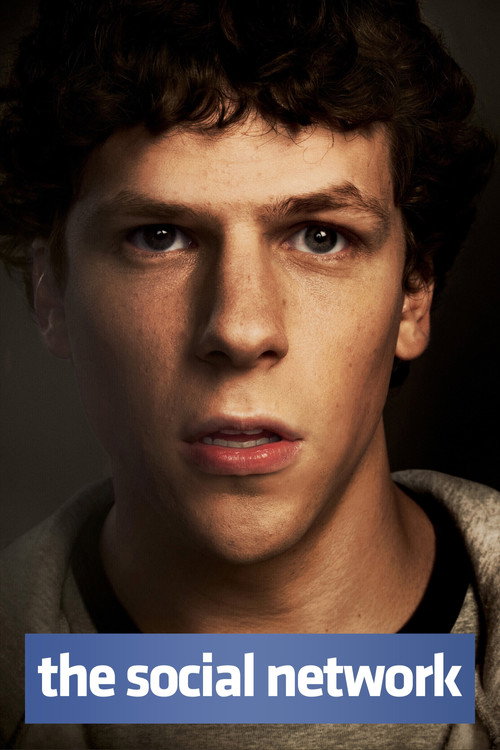
The Social Network2010
The flip side of internet mythology: ambition, ego, and the cost of disruption. Like Harris, Zuckerberg wanted to reshape the world; this film asks what that actually means, and what gets left behind.
But It's more interested in legal drama and interpersonal betrayal than technological vision, so if you want pure ideas over character conflict, it won't scratch that itch.
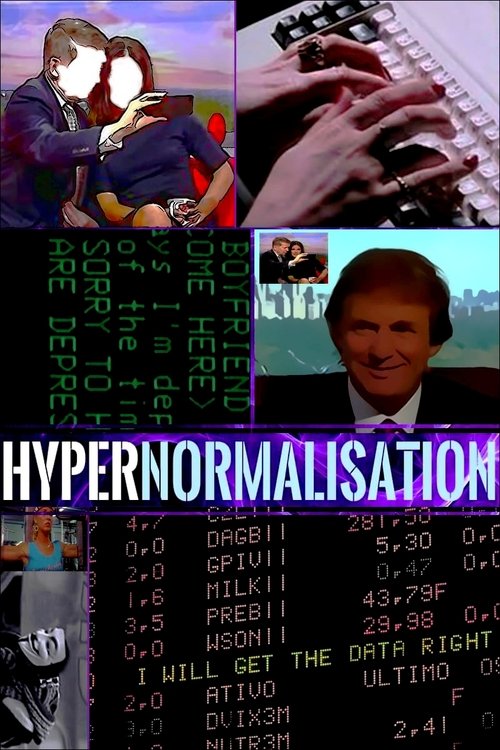
HyperNormalisation2016
Adam Curtis's essay film traces how we learned to accept surveillance and chaos as normal. It shares Harris's obsession with technology's unintended consequences and the gap between utopian promises and reality.
But It's dense, meandering, and demands your full attention. Curtis doesn't guide you—he assumes you'll follow the thread yourself, which can feel exhausting.
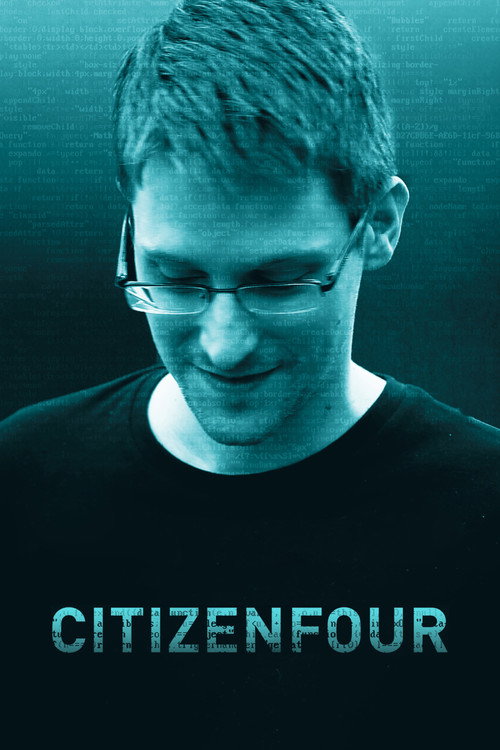
Citizenfour2014
Surveillance as documentary subject, but from the opposite angle: what happens when the watcher becomes watched. It shares Harris's fascination with technology revealing truth, but with real stakes.
But It's slower and more meditative than you might expect. If you want urgency and drama, the restraint here can feel remote.
Not sure tonight? Get a pick in a minute, starting from We Live in Public
The wildcard
Something you would not have found on your own.
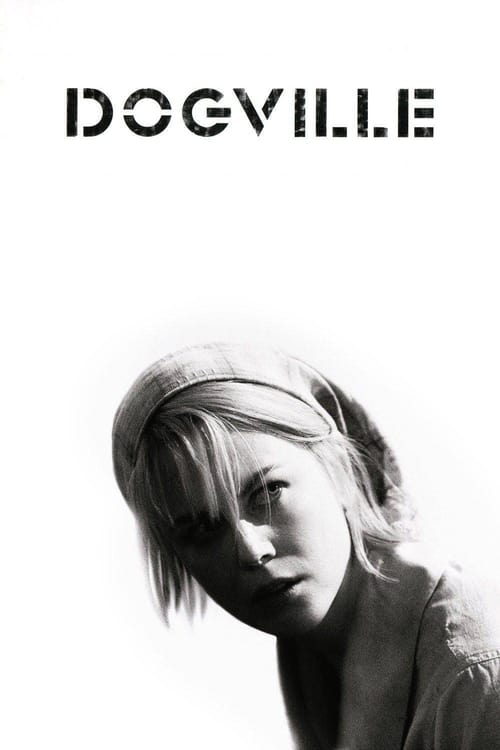
Dogville2003
Both are about the camera revealing cruelty—not in the subjects, but in the ones watching. Both ask uncomfortable questions about the viewer's role.
Lars von Trier's parable about exploitation and complicity. Like Harris's documentary, it's about what happens when people perform themselves, and how surveillance becomes a mirror for the watchers' desires.
But It's deliberately theatrical and stylized; some find it affected or too clever. And it's about the erasure and abuse of a woman, which is neither light nor accidental.
More like this (6)
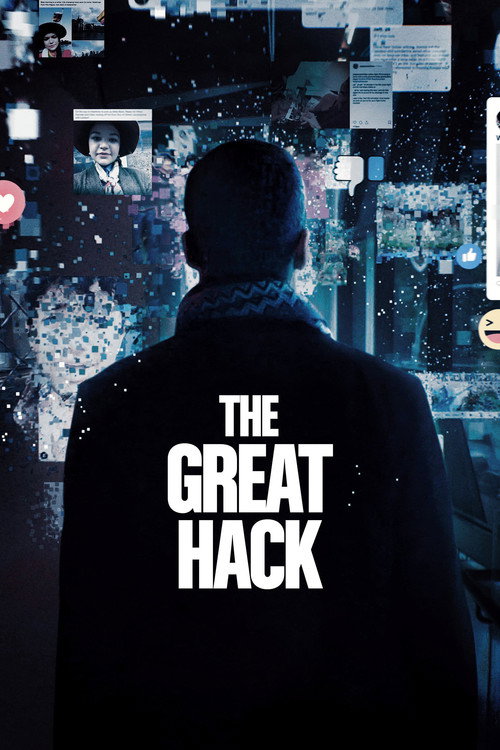
The Great Hack2019
Shows how the internet's early idealism became a tool for manipulation. It tracks the same throughline as Harris: technology as liberation becomes technology as control.
But Easier to digest than Curtis, which also means less strange and less challenging. It can feel like a well-made explainer rather than a provocation.
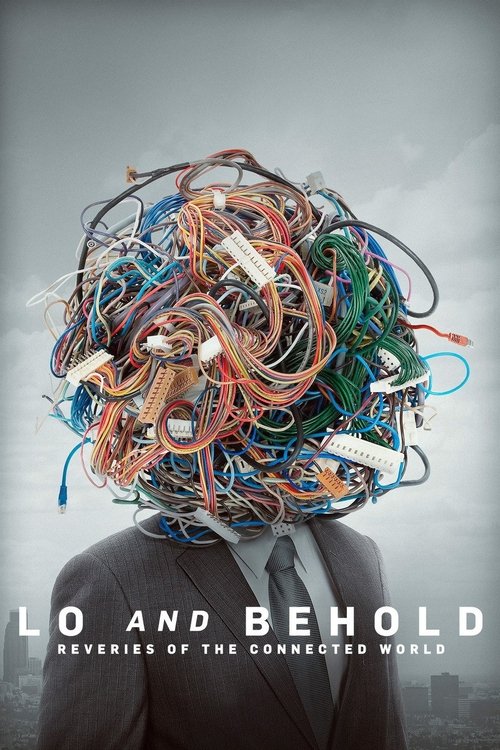
Lo and Behold: Reveries of the Connected World2016
Herzog asks the same questions Harris lived: what does connection do to us? It's more philosophical and less schadenfreude-y, but equally unsettled by technology's promises.
But Herzog's voiceover can feel grandiose. If you prefer directness and specificity, his floating-above-the-material approach might irritate you.
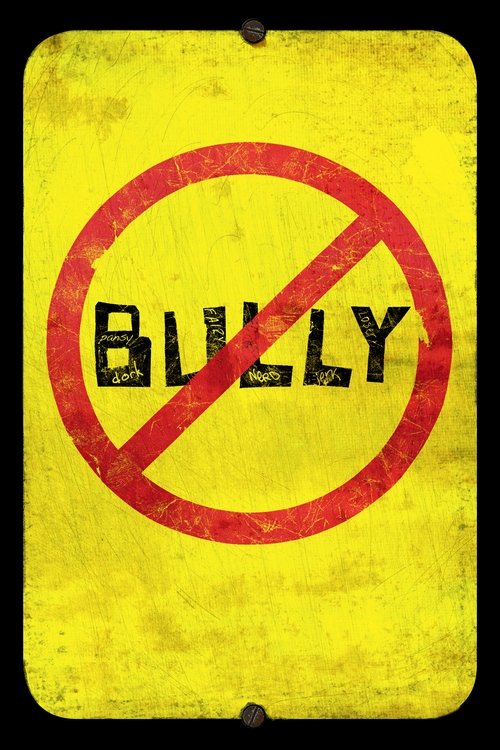
Bully2011
Lee Hirsch's documentary about teenage cruelty has the same eye for how people perform for cameras and how visibility doesn't always mean protection. The surveillance here is social rather than technological.
But It's about children suffering in real time, which is hard to watch. It earns that weight, but it's not comfortable.
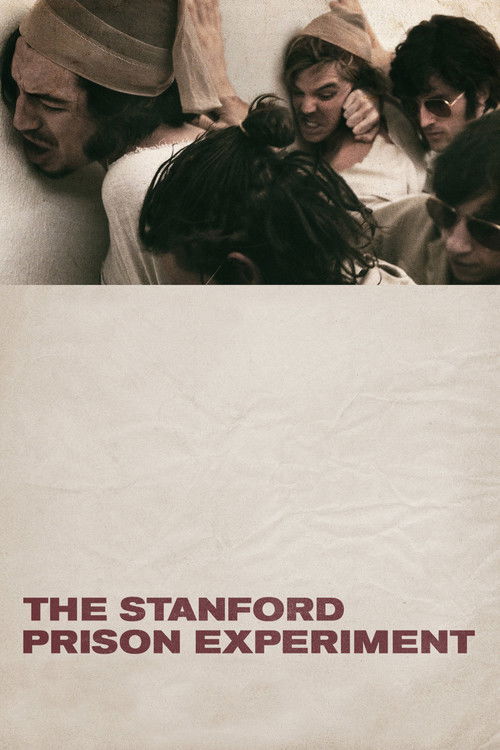
The Stanford Prison Experiment2015
A narrative film about an experiment in power dynamics and observation. It echoes Harris's interest in what happens when people know they're being watched, and how that changes behavior.
But The real experiment is now controversial. The film doesn't reckon deeply with those critiques, so it can feel dated.
Terms and Conditions May Apply2013
A documentary about privacy, surveillance, and the digital trail we leave. It builds the context for why Harris's experiment feels so prescient now.
But It can be preachy and sometimes oversimplifies. If you want nuance over alarm, it swings the other way a bit too hard.
The Act of Killing2012
Both use the camera as a tool to make something visible about power and self-deception. Both trust that watching can change the watcher, not just the watched.
Joshua Oppenheimer asks perpetrators of genocide to stage their crimes. It's a documentary that turns cameras into moral instruments, asking what truth-telling actually means. Like Harris, it trusts the camera to do something honest.
But It's a film about real atrocity, staged and restaged. The stylization can feel obscene to some viewers. It's not entertainment; it requires you to sit with complicity.

People
Cast
- Josh HarrisSelf
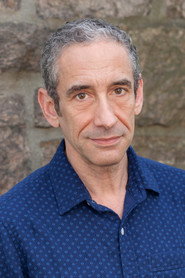 Douglas RushkoffSelf - Author
- Nacho PlatasSelf - Software Developer, Operator 11
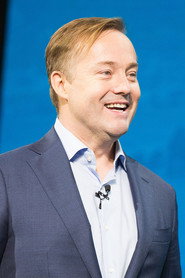 Jason CalacanisSelf - Internet Mogul
- Cal ChamberlainSelf - Producer/Host, Pseudo
- Leo FernekesSelf - Surveillance Artist
- Fred WilsonSelf - Venture Capitalist
- Joshua WhiteSelf - Director of Production, Pseudo
- Jess ZainoSelf - Host, Pseudo
- V. Owen BushSelf - Artist
- David HershkovitsSelf - Founder/Editor, Paper Magazine
- Adeo RessiSelf - Internet Entrepreneur
Directing
- Ondi TimonerDirector
Writing
- Ondi TimonerWriter
Production
- Austin WilkinAssociate Producer
- Meagan KeaneAssociate Producer
- Merritt LearAssociate Producer
- Vasco NunesAssociate Producer
- Jeff FreyCo-Producer
- Andrew RuhemannExecutive Producer
- John BattsekExecutive Producer
- Sean McKeoughExecutive Producer
- Vladimir RadovanovExecutive Producer
- Keirda BahruthProducer
- Ondi TimonerProducer
- M. Elizabeth HughesProduction Manager