
Film
Do Not Track
Do Not Track is a 69-minute interactive documentary about how your digital footprint is harvested, packaged, and sold. Director Brett Gaylor walks you through the data-broking machinery that maps your movements, desires, and relationships—then shows you what Google and others already know. It's alarming without being apocalyptic, smart without smugness, and short enough to actually finish.
If you liked this
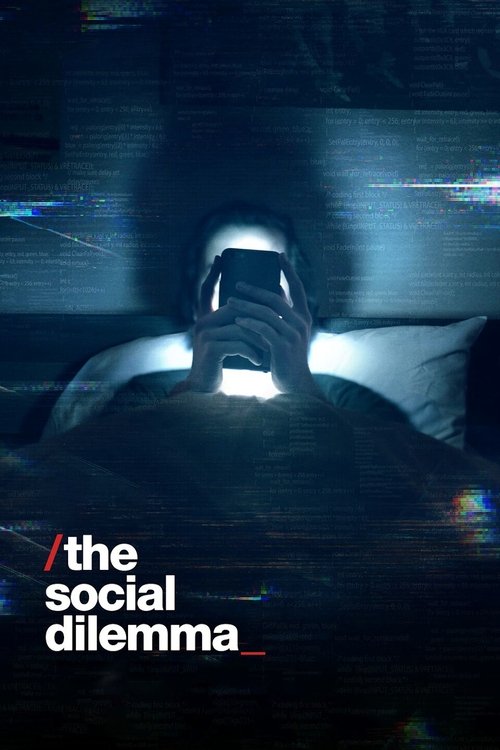
The Social Dilemma2020
Examines how tech platforms engineer addiction and manipulate behavior using the same surveillance infrastructure. Features engineers and designers who built these systems explaining the architecture of persuasion from inside.
But Sometimes trades nuance for drama; the scripted narrative sections feel preachy compared to the documentary testimony.
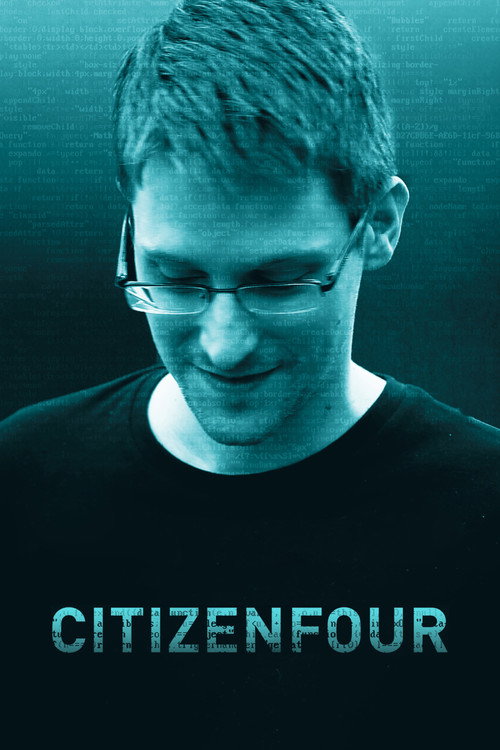
Citizenfour2014
Laura Poitras's Oscar-winning film about Edward Snowden's NSA leaks shows the scope of mass surveillance by governments. Complements Do Not Track's corporate focus with the state apparatus that enables it.
But Slower, more meditative, and deliberately tense in a way that demands patience. Not as viscerally animated or accessible.
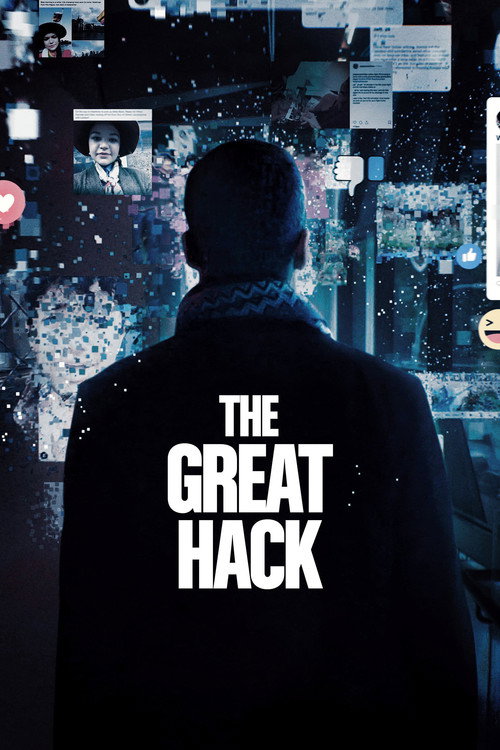
The Great Hack2019
Traces the Cambridge Analytica scandal—how Facebook data fueled political manipulation. Shows your personal data weaponized in real time, with human stories at the center of the breach.
But The narrative framing occasionally oversimplifies complex tech questions. Some critics feel it doesn't go far enough in holding platforms accountable.
Not sure tonight? Get a pick in a minute, starting from Do Not Track
The wildcard
Something you would not have found on your own.
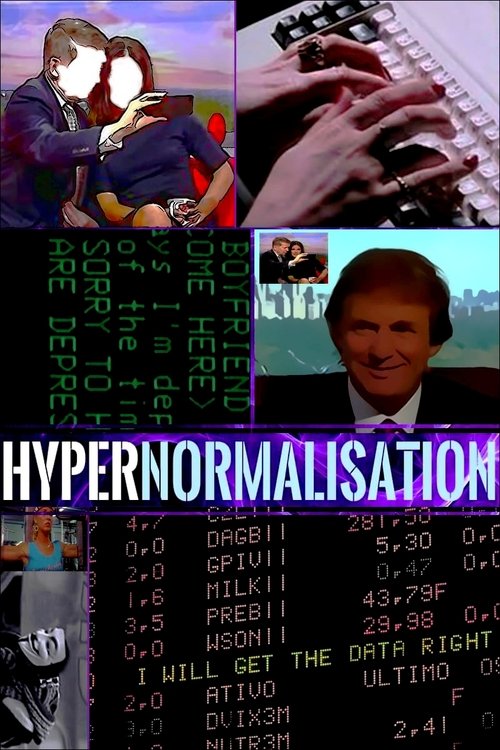
HyperNormalisation2016
Both examine how we've been conditioned to accept the unacceptable. Do Not Track shows the mechanism; HyperNormalisation shows why we stopped fighting it.
Adam Curtis's three-hour essay-film argues that we've been trained to accept surveillance as inevitable. Uses archive footage, electronic music, and abstract argument to show how data collection became normalized propaganda.
But Not a conventional documentary. Demands active watching; Curtis moves by association and mood rather than argument. Very long, very strange, easy to lose patience with.
More like this (7)
Terms and Conditions May Apply2013
Explores what we've surrendered in our user agreements. Absurdist and darkly funny while genuinely terrifying—a perfect tone match for a digital nightmare.
But A decade old now; some specifics have evolved. The humor sometimes undercuts the stakes.
Zero Days2016
Documentary about Stuxnet, the first digital weapon used against Iran. Shows surveillance and hacking from a geopolitical angle that makes corporate tracking feel like a rehearsal.
But Technical and deliberately opaque; you need patience to follow the thread. Much heavier and more paranoid in tone.
The Internet's Own Boy: The Story of Aaron Swartz2014
Documents Aaron Swartz's fight against digital restriction and surveillance, ending in tragedy. A portrait of someone who tried to liberate information from the same systems Do Not Track examines.
But Quite sad. Anger and grief don't lighten as the film progresses; it becomes harder to watch, not easier.
Algorithms2017
Short exploration of how algorithms make decisions about you without your knowledge. Complements Do Not Track with a focus on the logic layer.
But Very brief; feels more like a visual essay than a full investigation. Won't give you the comprehensive picture.
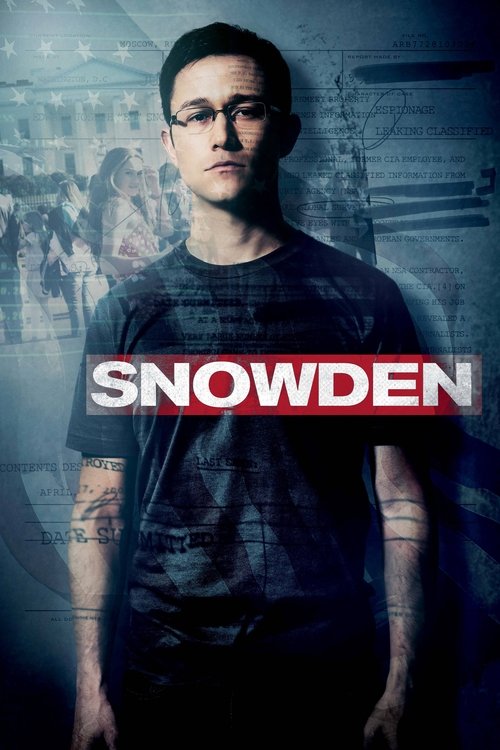
Snowden2016
Oliver Stone's dramatization of the leak. If you want to understand state surveillance as entertainment rather than documentary, this is the spy thriller version of what Citizenfour showed you.
But Dramatized; less rigorous than the real thing. Some critics felt Stone's hand made it less effective as either thriller or journalism.
In the Mood for Love2000
Explores the emotional and relational consequences of being watched. Do Not Track shows surveillance as data; this shows it as claustrophobia and lost possibility.
Wong Kar-wai's 1960s Hong Kong romance is about surveillance and longing—two people slowly discovering they're being watched, their movements tracked through mirrors and windows. Visual poetry about invisible observation.
But Not about digital tracking at all. Glacially slow, obsessed with color and repetition over plot. Asks a lot of patience for mood.

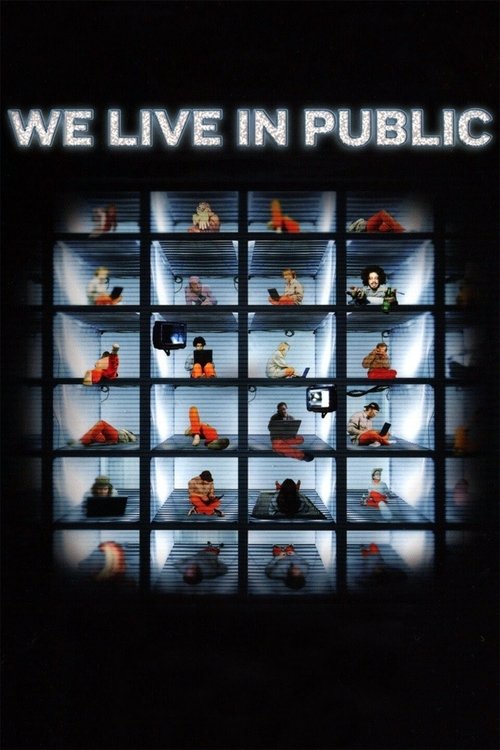
We Live in Public2009
The inverse scenario: Do Not Track shows unwilling surveillance. This shows someone who volunteered his privacy before the data industry even existed—prophetic about what was coming.
Documentary about Josh Harris, who voluntarily livestreamed his entire life in the 1990s before we had the word 'influencer.' The first person to realize the internet was watching, and to perform for it anyway.
But Chaotic and sometimes incoherent; Harris's mental state becomes part of the story, which means the documentary's focus drifts. Can feel exploitative.
People
Cast
- Brett GaylorSelf
- Vincent GladSelf
- Richard GutjahrSelf
- Sandra RodriguezSelf
- Chelsea TuckerSelf (voice)
- Zineb DryefSelf
- Danah BoydSelf - Data & Society Research Institute
- Nathan FreitasSelf - The Guardian Project
- Harlo HolmesSelf - The Guardian Project
- Ethan ZuckermanSelf - MIT Media Lab
- Julia AngwinSelf - Investigative journalist
Directing
- Brett GaylorDirector
Writing
- Angela SanmannAdaptation
- Anna VictorAdaptation
- Anne Marie BabkineAdaptation
- Arnaud VogtAdaptation
- Gabrielle Lisa CollardAdaptation
- Leah KosatskyAdaptation
- Valentine SoleAdaptation
- Valérie BélangerAdaptation
- Brett GaylorWriter
- Christiane MiethgeWriter
- Richard GutjahrWriter
- Vincent GladWriter
- Virginie RaissonWriter
- Zineb DryefWriter
Production
- Marie-Andrée BonneauAdministration
- Camille HummelAssistant Production Manager
- Caroline AstaesAssistant Production Manager
- Samuel LepoilAssistant Production Manager
- AkufenDevelopment Manager
- Nicolas MenetDevelopment Manager
- Hugues SweeneyExecutive Producer
- Marie-Pier GauthierHead of Production
- Alexandre BrachetProducer
- Gregory TrowbridgeProducer
- Louis-Richard TremblayProducer
- Margaux MissikaProducer
- Caroline FournierProduction Coordinator
- Dominique BrunetProduction Coordinator
- Auriane MeilhonProduction Manager
- Natacha AvramProduction Manager
- Valérie DarveauProduction Manager
- Sandra RodriguezResearcher
- Wolfie ChristlResearcher