
Film
The Internet's Own Boy: The Story of Aaron Swartz
- Biopic
- Very dark
A portrait of Aaron Swartz, the programming prodigy who fought for open access to information and became ensnared in federal prosecution. It's a bracing, angry documentary about idealism meeting institutional power, with real stakes and real tragedy. For anyone who cares about the internet, justice, or what happens when brilliant people challenge the system.
Should you watch it?
Watch it if you want a clear-eyed, interview-led account of how fights over information and the open internet actually got fought, and you are willing to sit with the people who fought them.
Skip it if you need a tightly plotted sequence of events, since this leans on ideas and colleagues' recollections more than on suspense.
What it asks of you: At under two hours, it is a patient, talky watch that rewards staying with long stretches of talk and dense, unfamiliar technical and legal ground.
Not sure? Find tonight's pick in a minute.
If you liked this
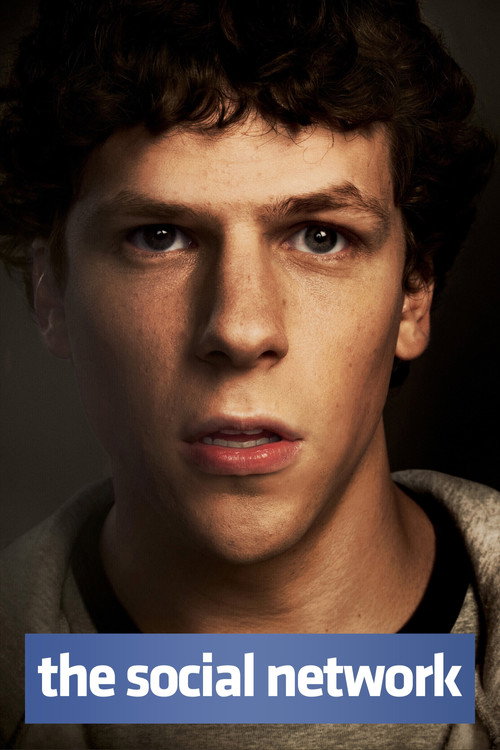
The Social Network2010
Captures the same period of internet idealism and disruption, with sharp writing about ambition, legacy, and the gap between intention and impact. A fascinating counterpoint to Swartz's story.
But It's a fiction dramatization rather than direct testimony, and the narrative takes liberties that some find reductive about Zuckerberg and Facebook's origins.
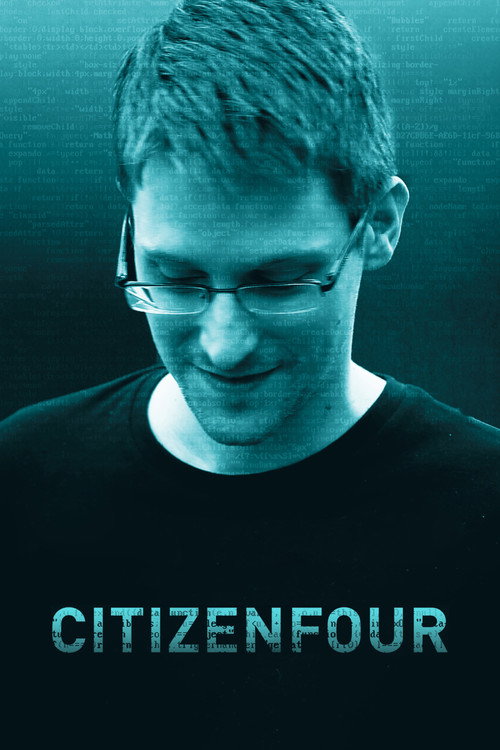
Citizenfour2014
A raw, intimate documentary about whistleblowing and the personal cost of challenging institutional secrecy. Laura Poitras builds tension and humanity in real time, showing exactly what courage looks like.
But It's methodically paced and occasionally cryptic, which some find frustrating. The surveillance material can feel abstract if you're not already invested in the issue.
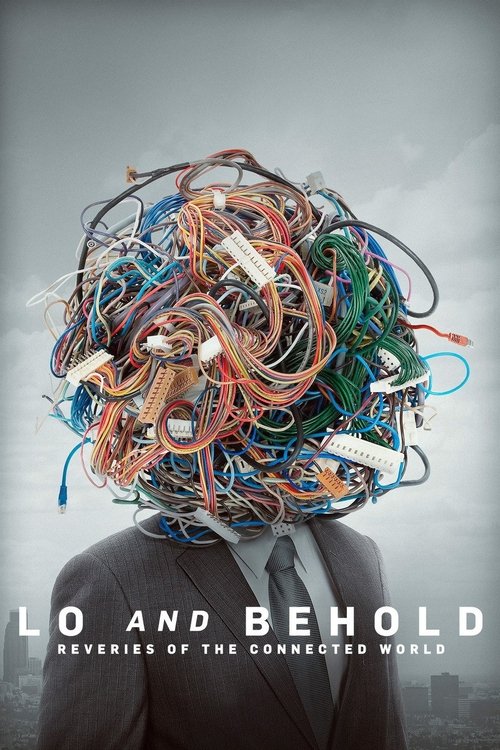
Lo and Behold: Reveries of the Connected World2016
Werner Herzog meditates on the internet's origins, power, and future. It shares Swartz's sense that the web's story matters, but approaches it with wonder rather than anger.
But Herzog's style is deliberately digressive and philosophical. If you want straight answers about technical history, you'll be frustrated by the poetry.
Not sure tonight? Get a pick in a minute, starting from The Internet's Own Boy: The Story of Aaron Swartz
The wildcard
Something you would not have found on your own.
The Act of Killing2012
Both documents what happens when systems are allowed to crush individuals without consequence. Swartz died at the hands of prosecutorial machinery; this film shows how ordinary people become the machinery. They're inverse studies of the same horror.
Joshua Oppenheimer's extraordinary documentary gets perpetrators of atrocity to reenact their crimes, making visible the psychology of systems that destroy people. It's about how power and violence work, and what it does to the conscience. Unbearably brilliant.
But It's intensely disturbing—not just difficult but grotesque. The structure takes time to understand. If you're looking for clarity or catharsis, this denies both.

More like this (6)
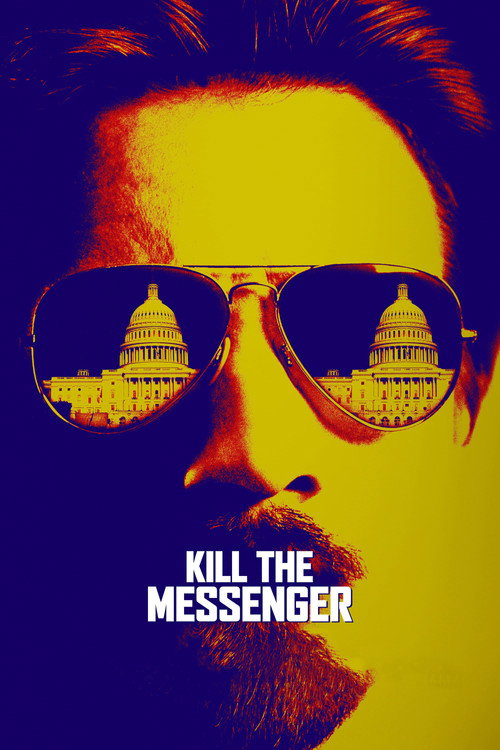
Kill the Messenger2014
True story of journalist Gary Webb destroyed by institutional forces for reporting the truth. Similar arc of idealism meeting a system designed to crush it, with Jeremy Renner delivering a performance of genuine fury.
But The ending is foreordained and bleak, which can feel heavy-handed. It's more conventional drama than documentary, so it loses some documentary's immediacy.
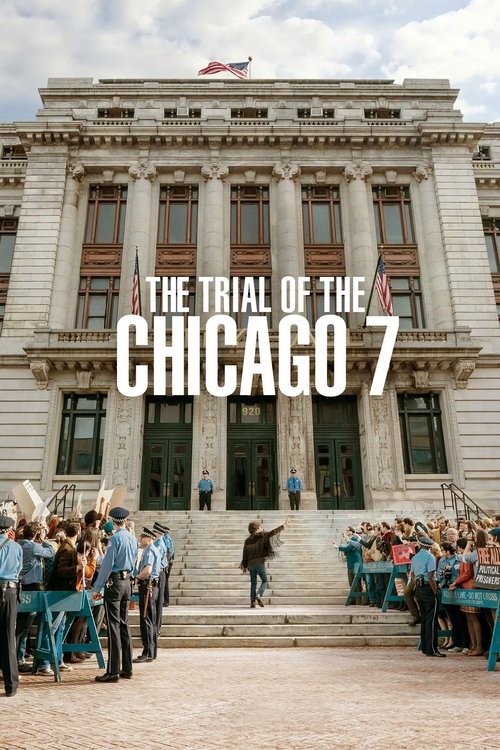
The Trial of the Chicago 72020
Sorkin dramatizes activists prosecuted for their politics. It's about young people with conscience getting caught in the machinery of law weaponized against dissent—the exact terrain of Swartz's case.
But It's zippy and slick where Swartz's story demands gravity. The screenplay can feel more interested in being clever than truthful.
Spotlight2015
Journalists pursuing truth against institutional resistance, showing how systems protect themselves and what it costs to expose them. Methodical and moral without being preachy.
But It's about reporters, not activists, so the terrain is narrower. The tone is measured where you might want rawer anger about injustice.

The Two Faces of January2014
A taut thriller about a young man caught between powerful forces with no good options. It captures the suffocation of being trapped by circumstances beyond your control, which resonates with Swartz's legal persecution.
But It's oblique and doesn't address the same issues directly. If you want documentary clarity, this philosophical thriller approach will feel evasive.

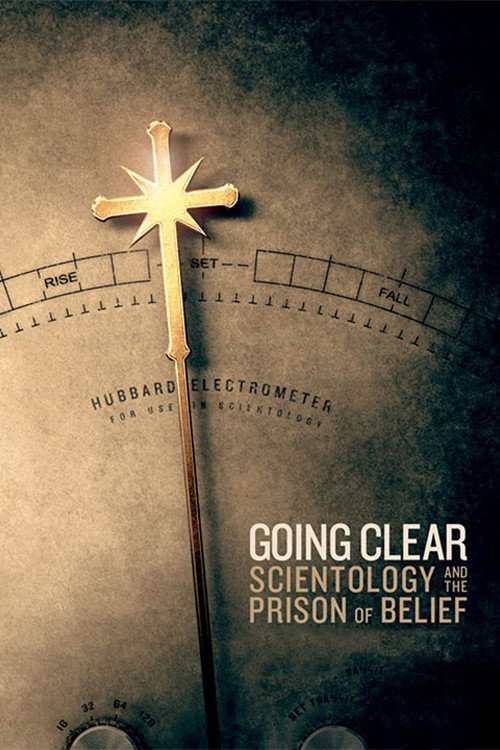
Going Clear: Scientology and the Prison of Belief2015
HBO documentary about institutional power crushing individuals who try to leave or speak out. The parallels to prosecutorial overreach and the machinery that silences dissent are direct and chilling.
But It's long and sometimes repetitive. The scope is narrower than Swartz's broader questions about access and justice, so it can feel like a true-crime profile rather than a systemic indictment.
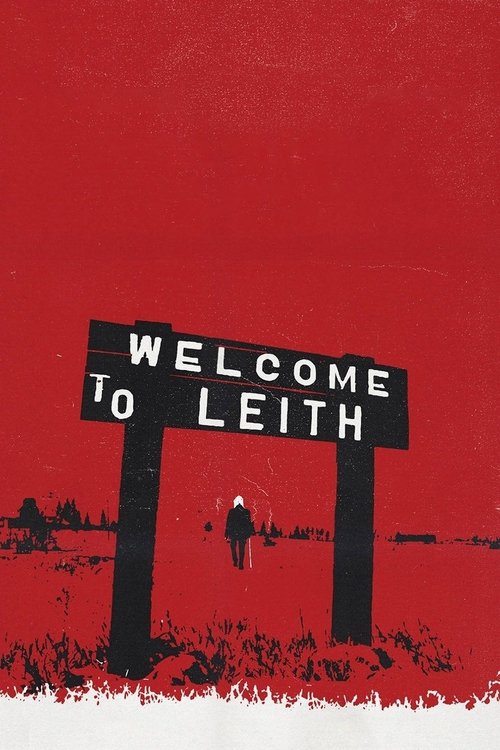
Welcome to Leith2015
Like Swartz, it shows the internet as a organizing tool and explores what happens when one person's conviction—however different from Swartz's—collides with the law and community resistance. It's a dark mirror: what if the idealist was wrong?
Documentary about a white supremacist who moves to a dying North Dakota town and tries to take it over. It's not about Swartz, but it's about surveillance, legal weapons, and how communities protect themselves from those who would dismantle them. Tense, propulsive, genuinely frightening.
But The subject matter is repugnant. The film refuses to pass judgment, which some find morally equivocal. It's a procedural thriller about politics, not an argument about justice.
People
Cast
 Aaron SwartzSelf
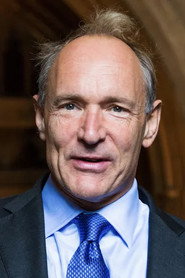 Tim Berners-LeeSelf
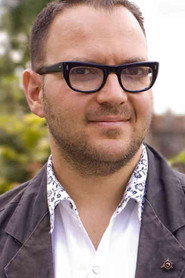 Cory DoctorowSelf
- Peter EckersleySelf
 Lawrence LessigSelf
 Brewster KahleSelf
- Cindy CohnSelf
 Zoe LofgrenSelf
Directing
- Brian KnappenbergerDirector
Writing
- Brian KnappenbergerWriter
Production
- Clementine LegerAssociate Producer
- Denise GabermanAssociate Producer
- Jeffrey KanjanapangkaAssociate Producer
- Suzanne DanzigerAssociate Producer
- Aaron GreenspanExecutive Producer
- Charles Annenberg WeingartenExecutive Producer
- Greg KiddExecutive Producer
- Mason FinkExecutive Producer
- Zach BraffExecutive Producer
- Brian KnappenbergerProducer
Recommended by
Lo and Behold: Reveries of the Connected World, Downloaded, The Machine That Changed the World, Winnebago Man, The Dungeon Masters, Feels Good Man, Banksy Does New York, Adam Ruins Everything, Batkid Begins, Second Skin, Banking on Bitcoin, Explained, CamGirls, Computer Networks: The Heralds of Resource Sharing, The Facebook Dilemma, Do Not Track, The Cleaners, Skin in the Game, Wrinkles the Clown, Print the Legend, Kony 2012, Life 2.0, Terror Studios