
Television series
Adam Ruins Everything
- Satire
- Dip in and out
Adam Ruins Everything deconstructs everyday myths and institutions with comedy and rigorous reporting. Each 30-minute episode targets a different pillar of modern life—from dating to voting to your job—and explodes it with charm and evidence. It's intellectually satisfying without being smug, funny without being mean, and genuinely good at making you reconsider things you'd accepted without question.
Should you watch it?
Watch it if you like explainers where the punchline and the citation arrive together, and you don't mind a host who treats a bit of slapstick as a legitimate teaching tool.
Skip it if you find the lecture-hall format tiresome, since each half-hour is a single host pacing a set and making his case in fast, pun-heavy bursts.
What it asks of you: Full attention in short bursts: each half-hour is packed with claims, examples and sketches, so it rewards viewers who keep up rather than let it play behind dinner.
Not sure? Find tonight's pick in a minute.
If you liked this
Last Week Tonight with John Oliver2014
Investigative comedy with real bite. Oliver digs into one topic per week with the same mix of humor and seriousness, backed by research that feels bulletproof. The format lets ideas breathe in ways that feel genuinely educational.
But The UK accent and the studied comedic timing can feel a bit much if you just want laughs without the lecture. Some episodes drag when the subject is less compelling.
Patriot Act with Hasan Minhaj2018
A comedian dismantling myths and power structures, one topic at a time. Minhaj brings style and energy to serious investigations, and the visual design is inventive enough to hold your attention through dense material.
But The show occasionally substitutes outrage for insight. It can feel preachy when it's trying to be funny, or funny when it should be taking something seriously.

Mythbusters2003
The spiritual ancestor of Adam's approach: take something everyone believes and actually test it. Sensible people with a budget and a curious temperament, proving or disproving common assumptions with rigorous method.
But The production values are 2000s television. Some episodes feel padded, and the conclusions aren't always as surprising as the setup promises.
Not sure tonight? Get a pick in a minute, starting from Adam Ruins Everything
The wildcard
Something you would not have found on your own.
The Social Network2010
Both ask: what's the real story behind the myth we've bought? Both are more interested in how institutions actually function than in comfortable narratives.
Not a documentary, but it works like one. Sorkin's script is relentless about pulling back the curtain on something shiny (Facebook, innovation, the internet) and showing you the messy, morally complicated machinery underneath. It shares Adam's belief that you should know how things actually work.
But It's a drama first, so it takes liberties with facts. If you're looking for accuracy over narrative, you'll be frustrated.
More like this (5)
The Toys That Made Us2017
Nostalgia-friendly but seriously researched. Each episode reveals the business, design decisions, and cultural forces behind toys you loved, making you see your childhood in a completely new light.
But If you're not interested in the specific toy, the formula becomes transparent and the runtime feels long. Some episodes lean more on interviews than genuine insight.
The True Cost2015
A documentary that does exactly what Adam does: pulls back the curtain on something you use every day (fashion) and shows you the hidden human cost. Serious, urgent, and visually compelling without being manipulative.
But It's a feature film, so it's heavier than Adam's quick hits. The anger underneath never quite breaks into humor, which makes it harder to sit with for some viewers.

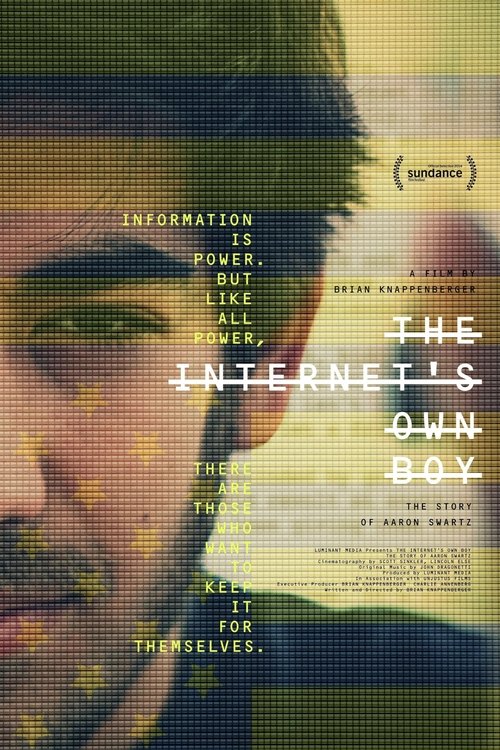
The Internet's Own Boy: The Story of Aaron Swartz2014
A documentary about someone who believed that information should be free and fought the system to prove it. It has Adam's DNA—confronting institutions with evidence—but told with real stakes and real tragedy.
But It's darker and sadder than Adam's tone. The ending is genuinely difficult, and the pacing meanders in ways that test patience.
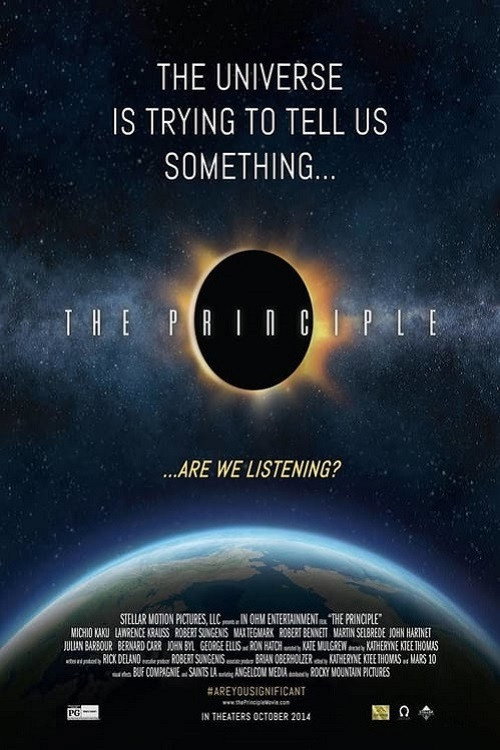
The Principle2014
The formal inverse of Adam: same investigative structure, same 'trust me, the real story is different' energy, but in service of claims that don't hold up. A masterclass in how conviction can look like truth.
This one's trickier—it's a documentary that claims to debunk everything we know about the universe and our place in it. It uses the exact structure Adam uses: take what you know, show counterarguments, present evidence. Except it's completely wrong in ways that make it fascinating to watch.
But It's pseudoscience presented as rigorous inquiry. You'll either love it as a case study in how misinformation works or be frustrated that it wastes your time with bad arguments.
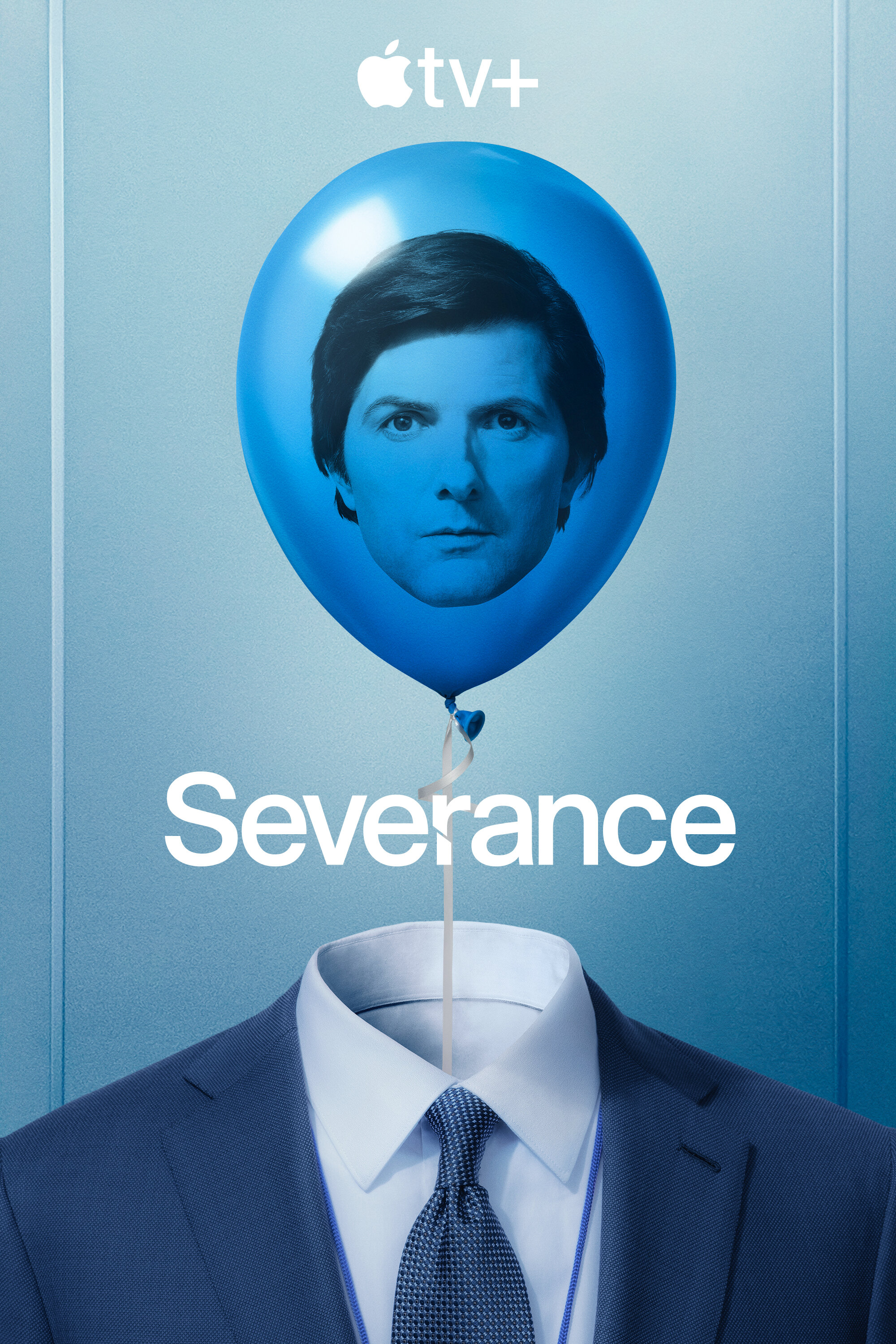
Severance2022
Both obsess over how institutions shape our lives. Adam proves how; Severance makes you feel it. One is documentary, one is dark fiction, but they're asking the same question: how much of yourself does the system ask you to leave at the door?
Science fiction that operates like Adam's best episodes: takes a workplace practice you know is weird (corporate compartmentalization, the division of work and life) and makes it literal, unsettling, profound. The show doesn't explain things, it makes you feel them until understanding arrives.
But It's deliberately slow and atmospheric rather than punchy and informative. If you want answers, it refuses to give them in the way Adam's format does—everything stays ambiguous.
People
Cast

Writing
- Adam ConoverCreator
Production
- Adam ConoverExecutive Producer
- Sam ReichExecutive Producer
- Spencer GriffinExecutive Producer
Recommended by
Patriot Act with Hasan Minhaj, How We Got to Now with Steven Johnson, Explained, Brainiac: Science Abuse, @midnight