Television series
How We Got to Now with Steven Johnson
- Light-hearted
- Dip in and out
Steven Johnson traces six innovations that shaped the modern world—from glass to refrigeration—with infectious curiosity and visual flair. Each hourlong episode spirals outward from one invention to reveal unexpected connections across science, history, and culture. It's smart without condescension, playful without being slight, and genuinely rewarding for anyone who wonders *why* things work the way they do.
Should you watch it?
Watch it if you find pleasure in history told as a chain of accidents, where a humble invention quietly rewires kitchens, cities and clocks, and a restless host chases every tangent.
Skip it if you want a tight single-thread argument, or you tire of a presenter who turns every detour into a personal adventure and lets the thread drift.
What it asks of you: Six hour-long episodes, each one a self-contained wander through an object or idea, with brisk cuts and a lot of location travel; it wants patience more than close study.
Not sure? Find tonight's pick in a minute.
If you liked this
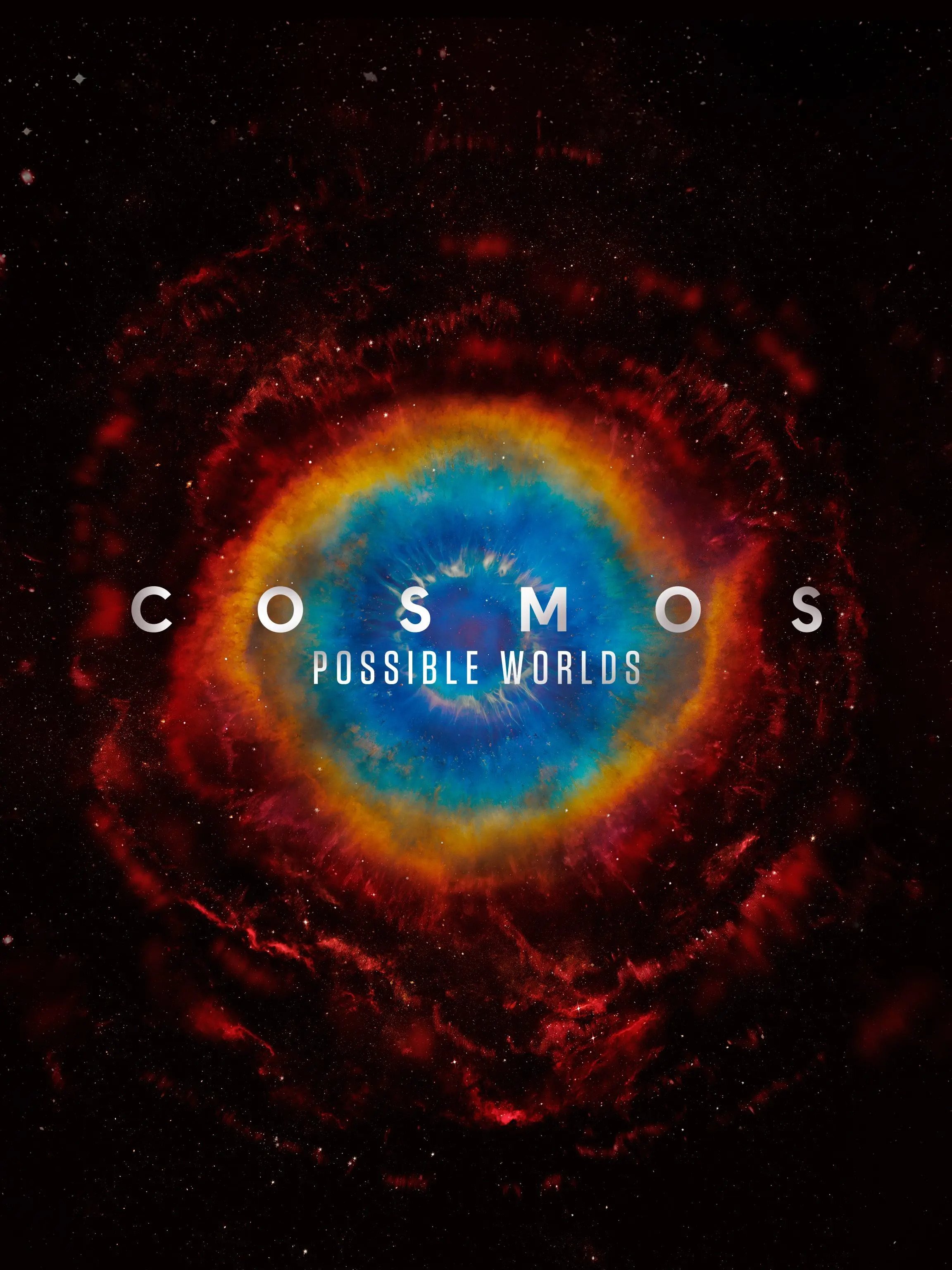
Cosmos1980
Carl Sagan's successor brings the same sense of wonder and accessibility to scientific history. Neil deGrasse Tyson connects ideas across centuries with genuine warmth, making big concepts feel personal and urgent.
But The scope can feel overwhelming. Some episodes move so quickly between ideas that you may need to pause and sit with what you've learned.
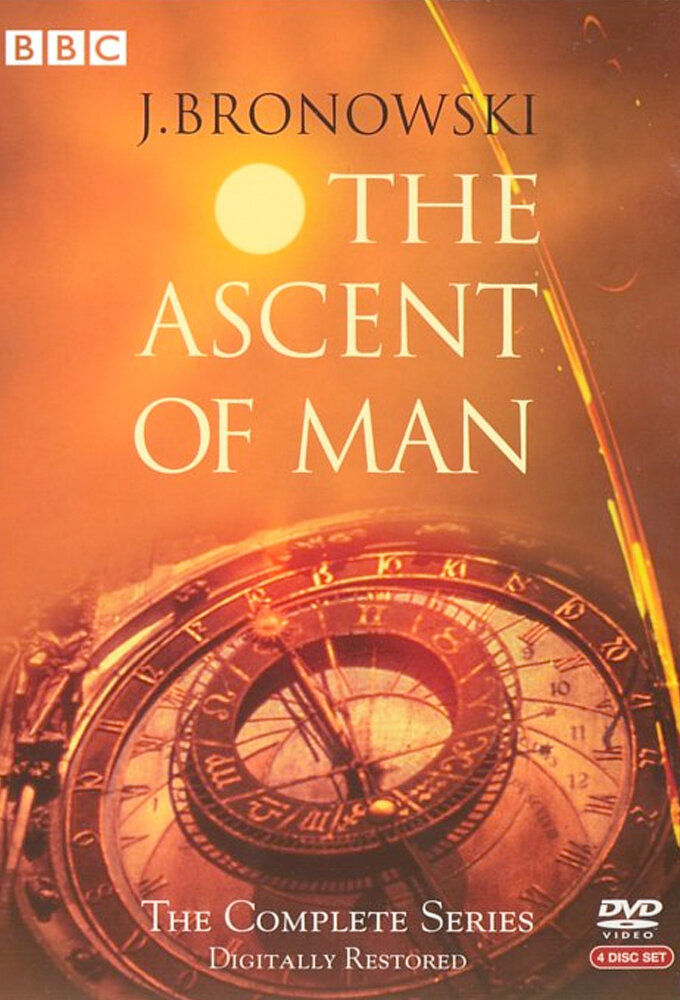
The Ascent of Man1973
Jacob Bronowski's essential series about how science shaped civilization. It has the same DNA as Johnson's work—tracing ideas across time with visible passion. A true precursor, equally rewarding.
But Produced in the 1970s, so the pacing and production values feel deliberately paced. Not everyone wants to slow down that much.
Adam Ruins Everything2015
Adam Conover demolishes everyday assumptions about how things came to be. Funny, briskly paced, and genuinely curious about the real history behind things we take for granted. Similar spirit, different tone.
But The comedy-first approach can feel glib when tackling serious topics. Some debunking feels reductive compared to deeper exploration.

Not sure tonight? Get a pick in a minute, starting from How We Got to Now with Steven Johnson
The wildcard
Something you would not have found on your own.
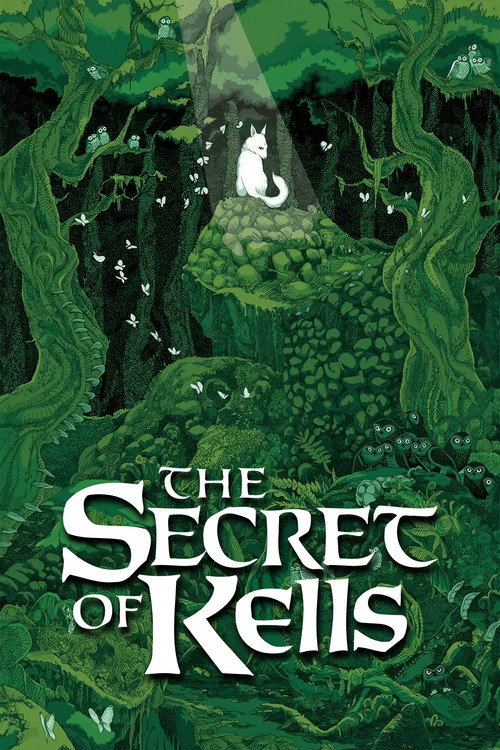
The Secret of Kells2009
Both explore how human ideas and skills accumulate and transform across time. Johnson traces the chain; Kells embodies it—showing how monks preserved learning and created beauty despite chaos.
An animated film about Irish monks illuminating the Book of Kells. It's visually astonishing—intricate, layered, alive—and explores how knowledge, craft, and beauty get preserved and transmitted across centuries.
But Deliberately paced and deeply stylized. It's not explanatory or linear; it asks you to feel rather than understand.
More like this (2)
Connections1978
James Burke's legendary series about how technological breakthroughs chain together across history. The granddaddy of this format: endlessly inventive, visually playful, deeply intelligent.
But The 1970s production and Burke's theatrical delivery won't appeal to everyone. The pacing assumes a patient, focused viewer.
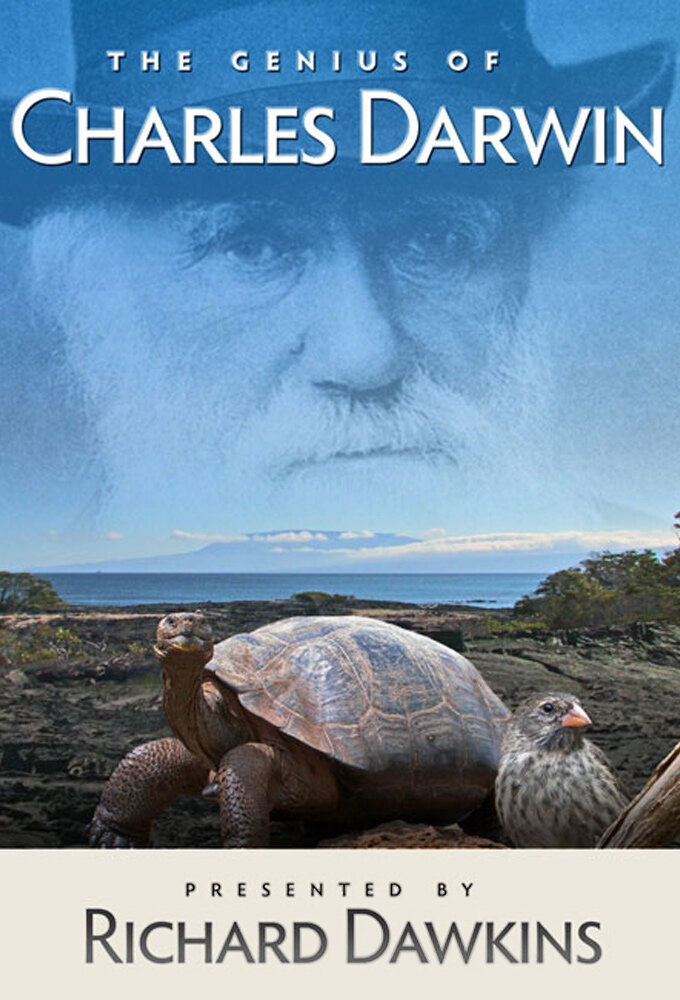
The Genius of Charles Darwin2008
Richard Dawkins explores how Darwin's idea revolutionized everything we understand about life. Intellectually rigorous but genuinely excited, with beautiful natural sequences and clear explanations.
But Dawkins' atheism informs the whole thing. If that's a sore point, it'll be hard to settle into the argument.