
Film
Computer Networks: The Heralds of Resource Sharing
- Light-hearted
A 1972 documentary capturing the moment computer networking emerged as a practical reality. Shot with the clarity and optimism of early-seventies technical filmmaking, it presents the pioneers explaining resource sharing and ARPANET's promise directly to camera. Essential viewing for anyone curious about how the internet began, or about the particular confidence of engineers convinced they're building the future.
Should you watch it?
Watch it if you like hearing the people who built a thing explain, in their own words, why they thought it mattered before anyone else agreed with them.
Skip it if you want a story with characters moving through time, since this 26-minute piece is mostly pioneers speaking to camera, with little drama beyond the ideas.
What it asks of you: Its shape is short and unhurried: one sitting of about half an hour, patience for older technical talk, and no plot to keep up with.
Not sure? Find tonight's pick in a minute.
If you liked this
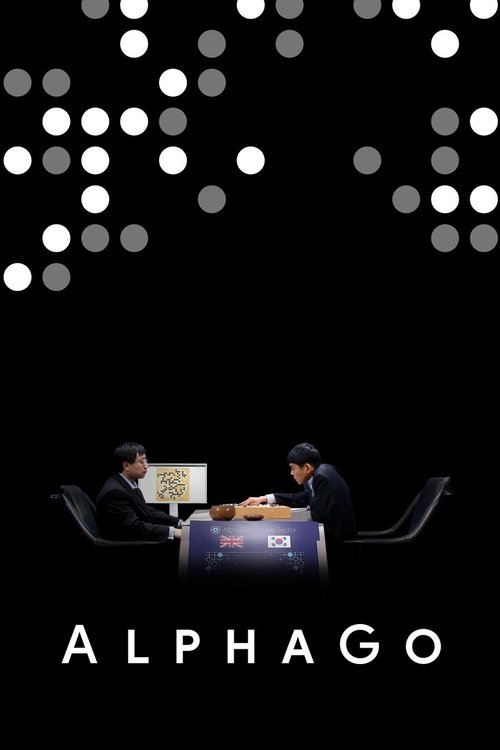
AlphaGo2017
A recent documentary that does for AI what *Computer Networks* does for networking: captures a pivotal technical moment with real clarity, letting the innovators speak and showing why they matter.
But The subject is abstract; if you need concrete applications and tangible outcomes, the philosophical stakes might feel thin.
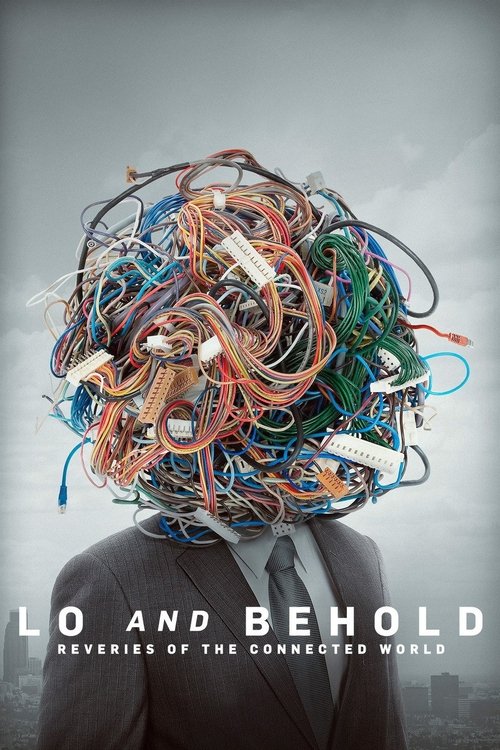
Lo and Behold: Reveries of the Connected World2016
Werner Herzog's documentary about the internet's birth and impact. Pairs beautifully with this film—Herzog asks the big questions about what ARPANET became, while this one captures the moment before anyone knew.
But Herzog's style is meditative and sometimes slow; it's more interested in wonder than explanation.
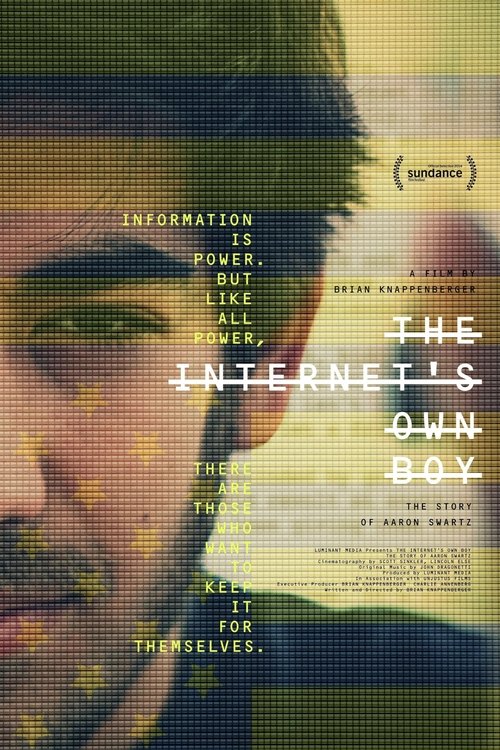
The Internet's Own Boy: The Story of Aaron Swartz2014
Documents Aaron Swartz and the ideals of information freedom that trace back directly to the resource-sharing vision this film presents. A natural successor in spirit, even if separated by decades.
But It's angry and tragic in ways this earlier film isn't; the mood is quite different.
Not sure tonight? Get a pick in a minute, starting from Computer Networks: The Heralds of Resource Sharing
The wildcard
Something you would not have found on your own.
The Big Picture1989
Both present technology not as gadgetry but as a new way of organizing human relationships and information—the philosophical engine underneath the engineering.
A groundbreaking educational television series about technological change and systems thinking, created partly by the same intellectual lineage as ARPANET. Sees technology as a means to rethink how we organize everything.
But It's didactic by design and visibly a product of its era; the production style can feel quaint and the pacing is slow.

More like this (4)
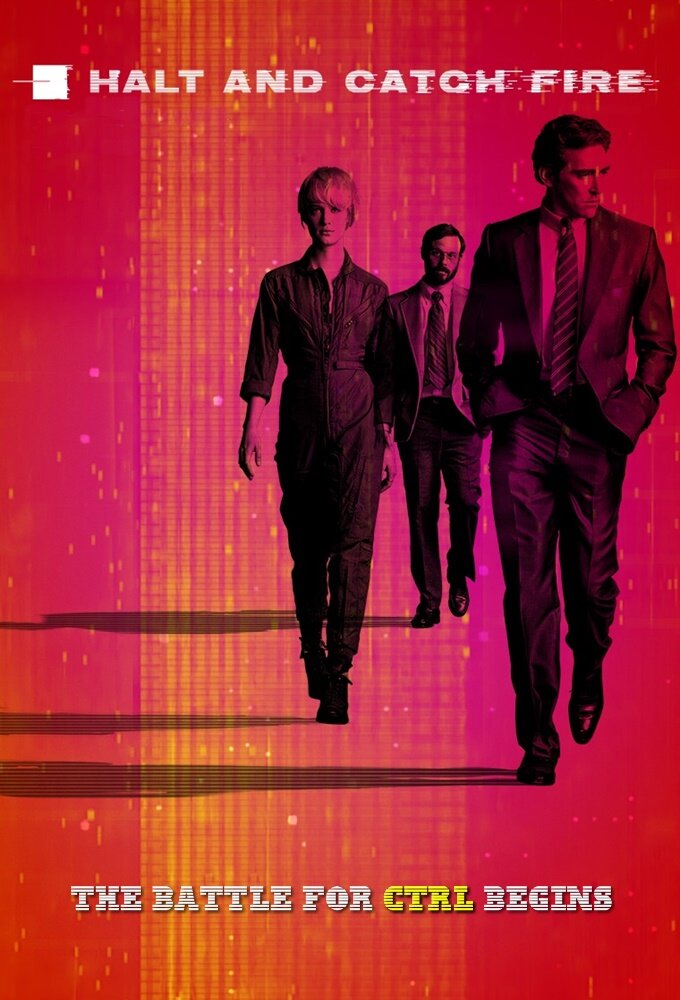
Halt and Catch Fire2014
A drama series about the early personal computer era that captures the same mix of technical ambition, personality clashes, and the sense of building something that will reshape everything.
But It's dramatized and often soapy; if you want historical accuracy over narrative engagement, this isn't it.
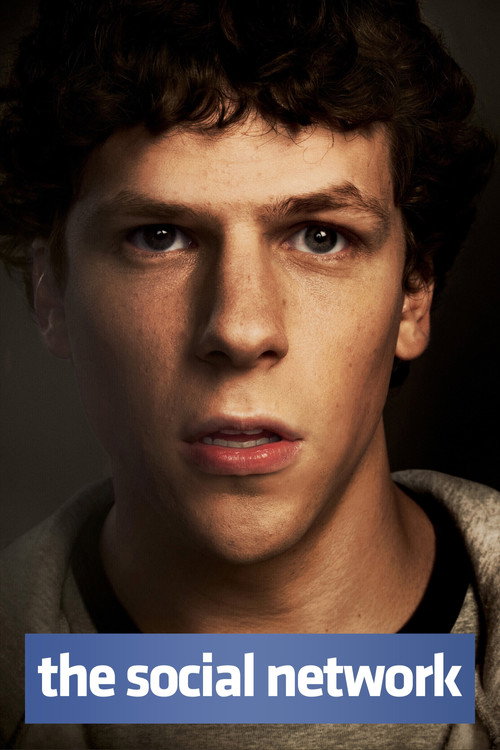
The Social Network2010
A different chapter of the same story—how networks of people connect. It shares the documentary's interest in the personalities behind the technology and the idealism of sharing information.
But It's fiction, and it's primarily interested in drama and money rather than technical vision.
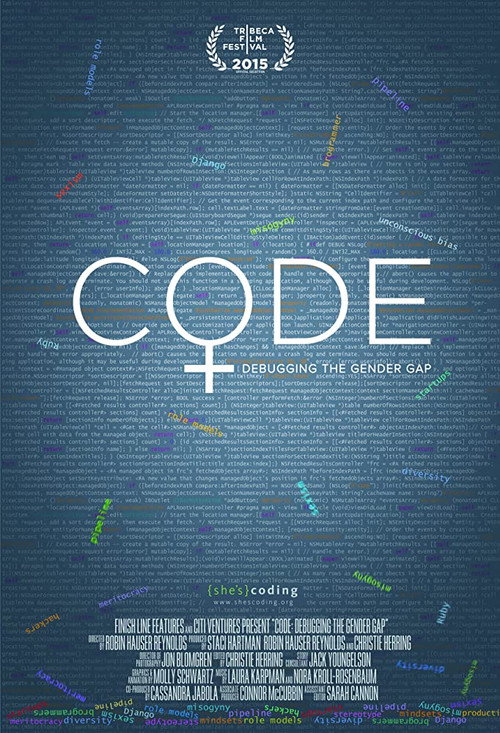
Code: Debugging the Gender Gap2016
A documentary that asks why women disappeared from computing, looking back at the field's early days—the era this film documents—and tracing what changed.
But It's advocacy-driven; if you want pure history without contemporary argument, it may feel directed.
Stalker1979
Both films are about the desire to reach something transformative through new pathways and systems—one through networks, one through a mysterious landscape. Both assume technology or nature offers genuine access to something profound.
Andrei Tarkovsky's science fiction masterpiece about people journeying through a mysterious zone toward a room that might grant wishes. Visually hypnotic, philosophically immense, entirely unlike anything you've seen.
But It's nearly three hours of slow, meditative cinema with minimal plot; if you need action or conventional story structure, it will test your patience severely.

People
Cast
- Fernando CorbatóSelf
Directing
- Peter ChvanyDirector