
Film
Atari: Game Over
A brisk documentary about Atari's spectacular collapse, centered on the legend of millions of unsold E.T. cartridges buried in a New Mexico landfill. It's a love letter to gaming history that treats corporate failure as tragedy, mixing interviews with archival footage to trace how the industry's first giant fell so far so fast.
Should you watch it?
Watch it if you enjoy a detective-style hunt through corporate wreckage, where the pleasure is in following rumors and in hearing the people who lived through a business collapse tell their own side.
Skip it if you want a tight, polished history of the industry, since this is a brisk hour that leans heavily on rumor and speculation around its central legend.
What it asks of you: An hour and six minutes, paced briskly between talking heads and archival footage, with a light touch that rewards keeping track of who said what.
Not sure? Find tonight's pick in a minute.
If you liked this
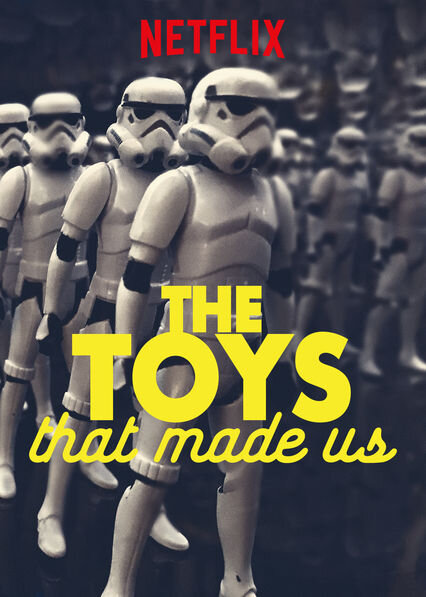
The Toys That Made Us2017
Netflix's slick nostalgia machine examines how iconic toys conquered culture. Each episode has the same DNA as Atari: Game Over—corporate ambition, cultural moment, the human stories behind the products.
But The format is almost aggressively pleasant. There's little room for genuine critique or mess; everything resolves into feel-good revelation.
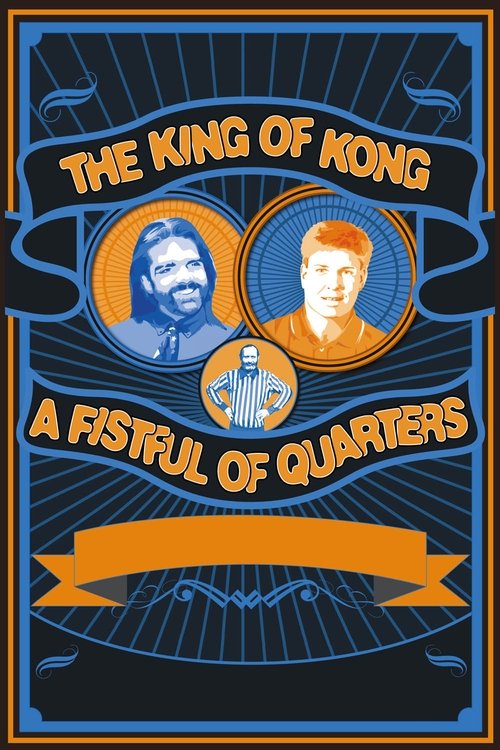
The King of Kong: A Fistful of Quarters2007
A documentary about two men obsessed with Donkey Kong that's actually a portrait of American ambition, regret, and the people video games saved. Darker and funnier than its premise suggests.
But The central rivalry can feel manufactured on repeat viewing. Some accused the filmmakers of unfairly editing one side; it ages less cleanly than it once did.
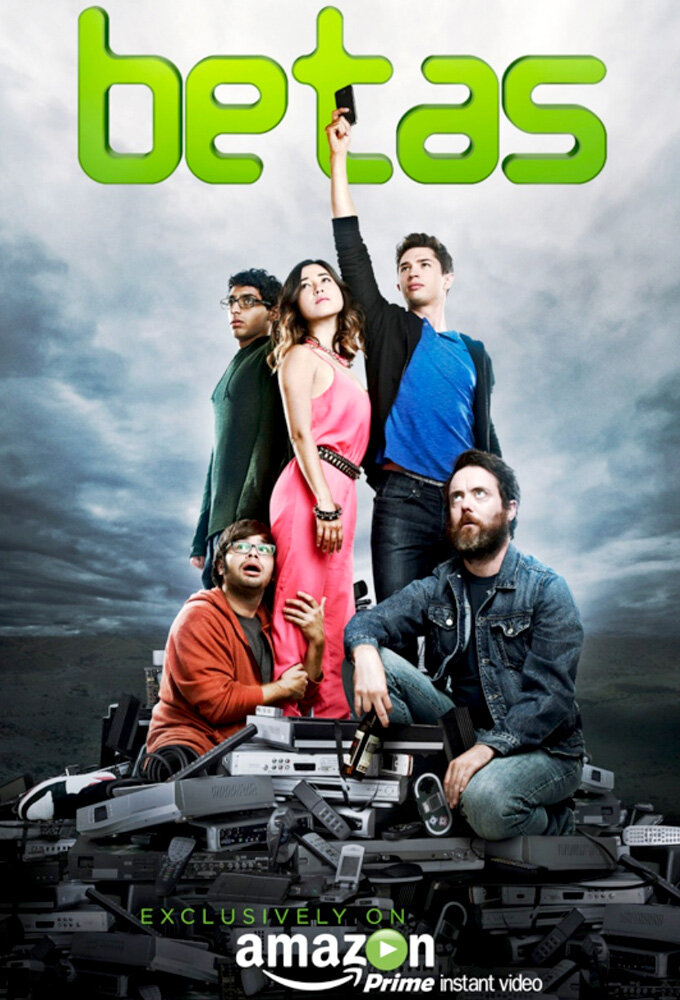
Betas2013
HBO's Silicon Valley ancestor follows actual tech founders trying to launch a startup. The chaos and backstabbing have real weight. It captures the same hunger and delusion that drove early Atari ambitions.
But Only one season. It cancels before finding its rhythm, and the format feels dated now compared to what came after.
Not sure tonight? Get a pick in a minute, starting from Atari: Game Over
The wildcard
Something you would not have found on your own.
Wake in Fright1971
Both mourn an industry's golden era through the lens of one company's collapse; both suggest that timing and luck matter more than talent or vision.
A glam-rock drama about a failed 80s band trying one last tour. Not about games or tech—about creative people watching their moment pass, chasing ghosts of relevance. The mood is Atari's tragedy reframed as human drama.
But Obscure, janky, low-budget. The film itself has the production values of a failed venture, which matches its theme but strains patience.
More like this (8)
Indie Game: The Movie2012
Three indie developers chase their dreams with the kind of hunger early Atari engineers had. It's beautifully shot, genuinely moving, about passion and risk before the industry became mechanized.
But The reverence can tip into worship. Not much critical distance; it celebrates struggle without examining whether that struggle was necessary.

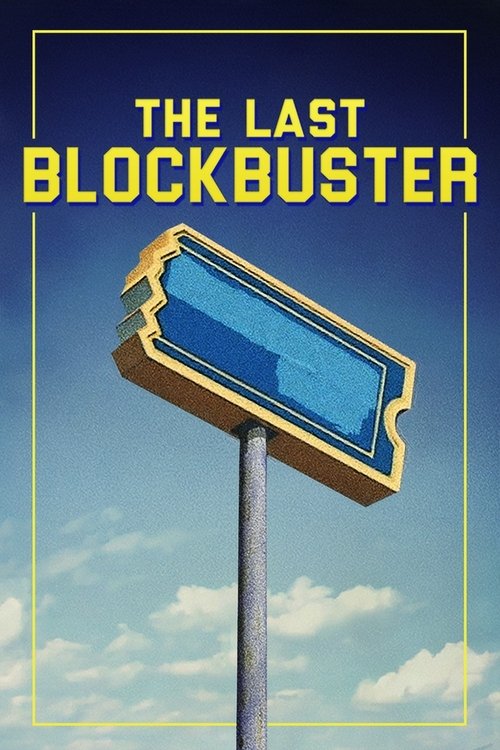
The Last Blockbuster2020
Netflix's documentary about Blockbuster Video uses corporate death as a lens onto cultural change. It has Atari's DNA—a beloved company, technological obsolescence, nostalgia that's both earned and complicated.
But It's more about sentiment than analysis. The film doesn't dig deep into why the company failed, just mourns that it did.
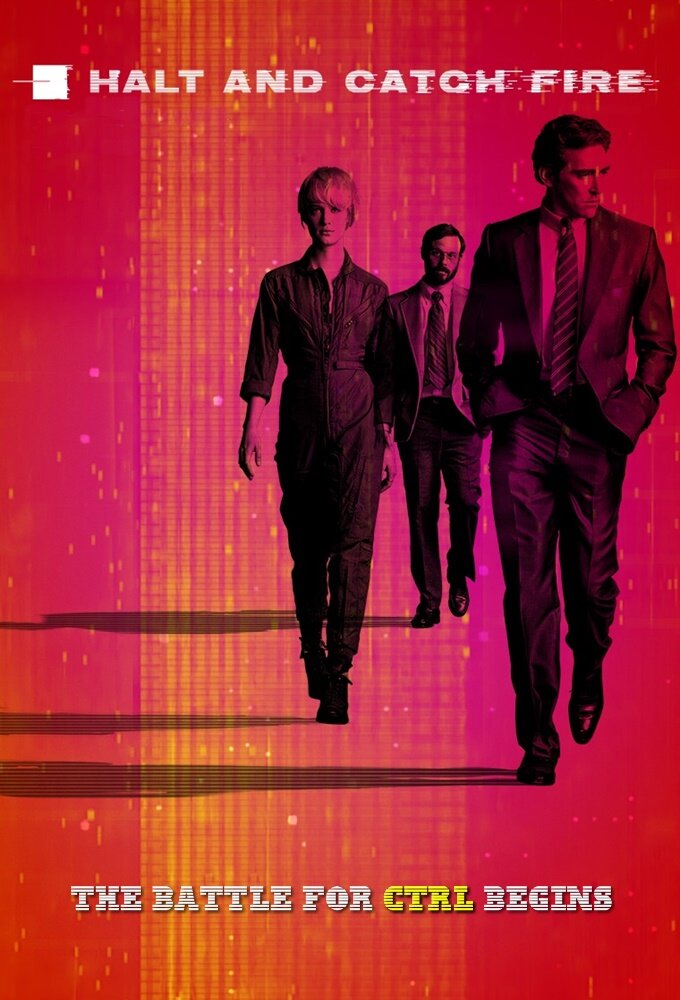
Halt and Catch Fire2014
A drama about personal computer pioneers in the 1980s with genuine stakes. It captures the obsession and interpersonal wreckage that Atari: Game Over only hints at. Beautifully written.
But Slow-burn TV that demands patience. If you're drawn to documentaries for facts and speed, the dramatic approach may feel indulgent.
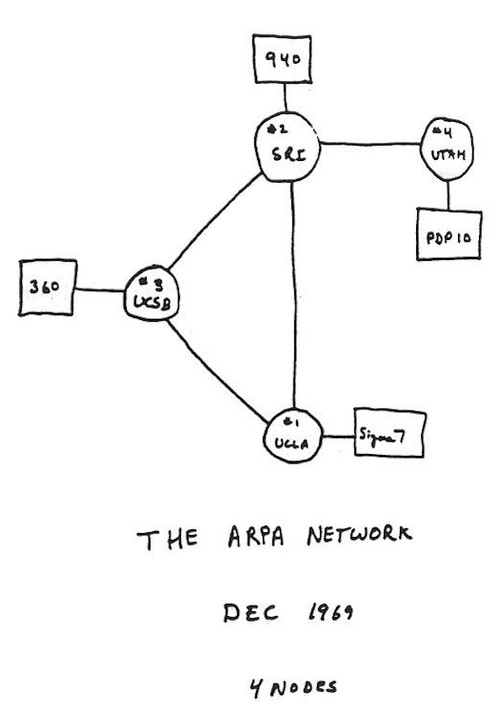
Computer Networks: The Heralds of Resource Sharing1972
A half-forgotten educational film about the dawn of computing that's hypnotic in its optimism. It shows what visionaries believed was possible before anyone knew if they were right. Historical texture Atari: Game Over mentions but doesn't show.
But Very dry, very dated aesthetically. It's a primary source, not entertainment; watching requires accepting 1970s pacing and production values.
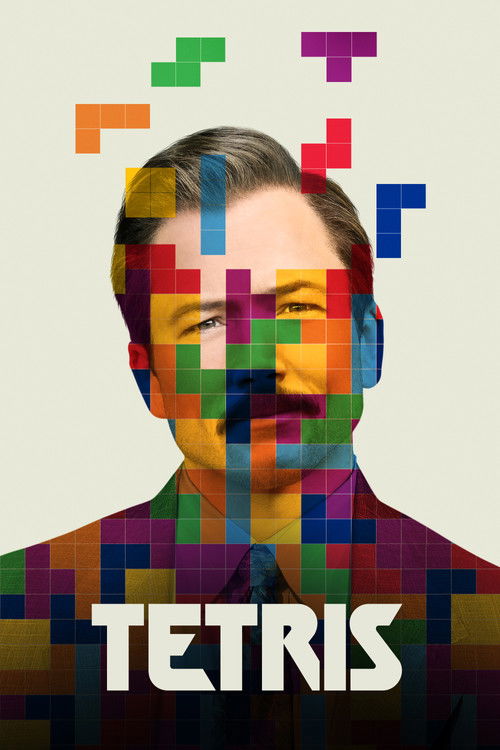
Tetris2023
Apple TV's film about how one game conquered the world. It's a corporate thriller about a product with meaning. Same era as Atari's downfall, same stakes, more successful outcome—a useful comparison.
But It bends history for drama. The conspiracy-thriller tone sometimes obscures whether you're watching fact or reconstruction.
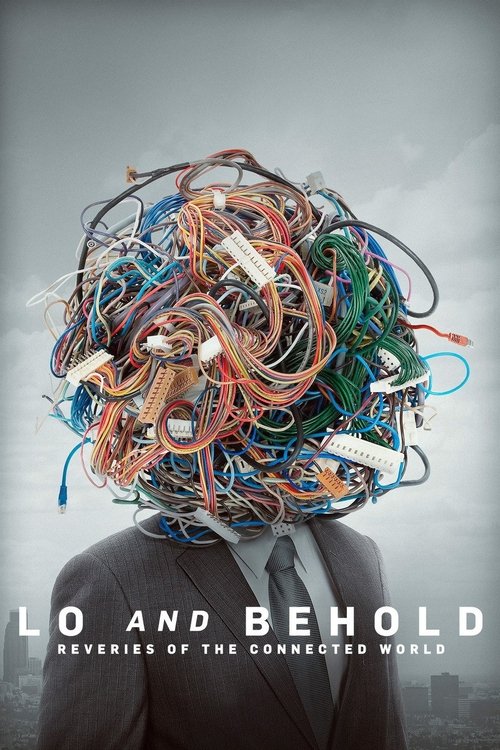
Lo and Behold: Reveries of the Connected World2016
Werner Herzog's documentary about the internet's history and future, including early computing culture. Idiosyncratic, unpredictable, occasionally profound about technology's human cost.
But Herzog's voice and philosophy dominate the film. If that sensibility irritates you, there's nowhere to hide from it.
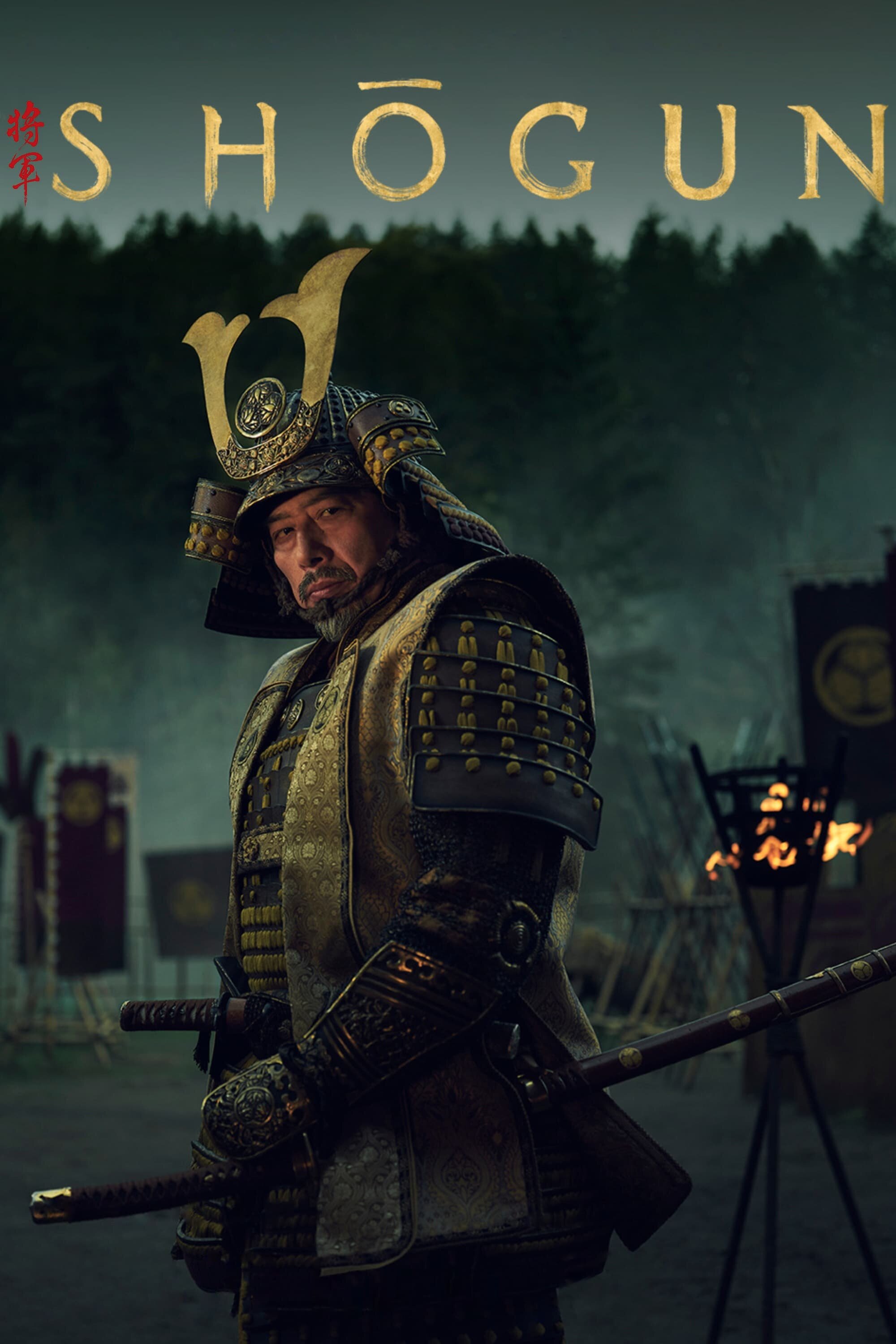
Shōgun2024
Both are obsessed with how industries rise and fall, but this one interrogates the *why* beneath the nostalgia, treating video game history as cultural criticism.
Not a film but a video essay series that excavates gaming history with intelligence and style. It's the analytical depth Atari: Game Over gestures toward but doesn't quite reach. Genuinely revelatory about technology and capitalism.
But YouTube essay format; some find it tedious. Also requires seeking out deliberately rather than clicking play on a service you subscribe to.
Man with a Movie Camera1929
Atari: Game Over is a requiem for a technological dream; this is the dream itself before anyone knew it could fail. Both are about what human ambition looks like through machines.
Dziga Vertov's avant-garde silent film is about technology as possibility—the camera, the city, human connection through innovation. It's pure visual euphoria about what machines can do. The inverse of Atari's arc: technology as utopian.
But Silent, experimental, completely abstract. If you want narrative or information, this offers neither. It's an experience, not a story.

People
Cast
 Zak PennSelf
- Nolan BushnellSelf
- Manny GerardSelf
- Joe LewandowskiSelf
- Paul SanchezSelf
 Ernest ClineSelf
 Seamus BlackleySelf
- Raiford GuinsSelf
- Mike MikaSelf
- Andrew ReinhardSelf

Directing
- Zak PennDirector
Writing
- Zak PennWriter
Production
- Catherine PasciakAssociate Producer
- Ari MarkExecutive Producer
- Jada MirandaExecutive Producer
- Jonathan ChinnExecutive Producer
- Simon ChinnExecutive Producer
- Stuart SchwartzLine Producer
- Colin K. GrayProducer
- Daniel SchechterProducer
- Francis GaspariniProducer
- Gerhard RunkenProducer
- Megan Raney AaronsProducer
- Mike A. BurnsProducer