
Film
The Last Blockbuster
- Workplace drama
- Slow-burning
A documentary about the Bend, Oregon Blockbuster—the last standing store—and what it meant to rent movies before streaming killed the business. It's a portrait of obsolescence and nostalgia, featuring celebrities reminiscing about late fees and Friday night rituals. Bittersweet, funny, and genuinely moving for anyone who misses browsing physical shelves.
Should you watch it?
Watch it if you have a soft spot for video store nostalgia and enjoy documentaries that find real feeling in a small, stubborn workplace rather than in grand statements about the industry.
Skip it if you want a tightly plotted investigation or a hard-edged critique of corporate decline; this is warm, loose and more interested in memory and affection than in argument.
What it asks of you: Under ninety minutes, it moves at an easy, conversational pace, asking you to settle in with ordinary people and their small, humorous routines rather than follow a sharp arc.
Not sure? Find tonight's pick in a minute.
If you liked this
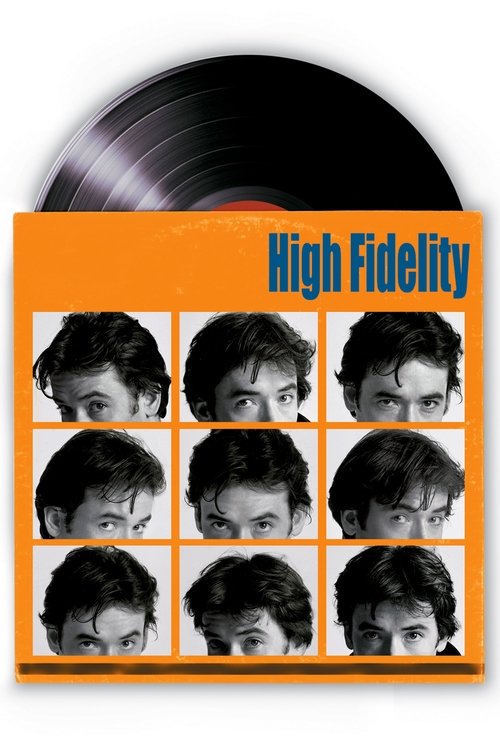
High Fidelity2000
John Cusack navigates a record store full of memory and meaning. Like The Last Blockbuster, it's about the emotional weight of curation and the people drawn to places that hold our cultural moments.
But The romantic plot feels thin and 2000s-dated. If you want pure obsession over sentimentality, this tilts too far toward the love story.
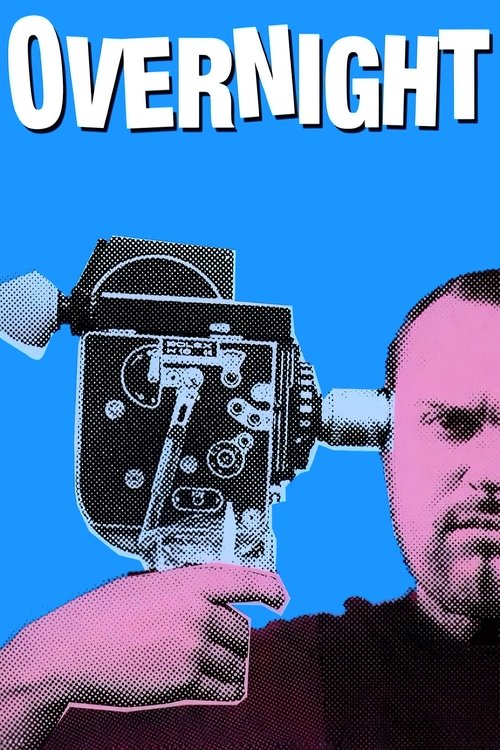
Overnight2003
A raw documentary about a filmmaker's rise and catastrophic fall. It captures how places and people embody entire eras, and what happens when those eras end—with less nostalgia, more tragedy.
But It's genuinely cruel and difficult to watch. There's no comfort in this one, just unflinching documentation of a man's unraveling.
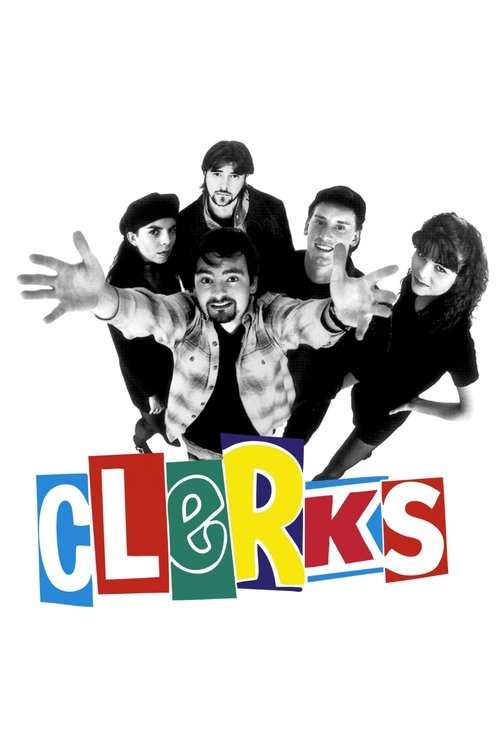
Clerks1994
Kevin Smith's micro-budget film about retail workers killing time, shot entirely in a convenience store. The same DNA: ordinary spaces made sacred by the people working them and the customers who linger.
But Black-and-white, deliberately static, and relentlessly dialogue-heavy. Some find it naturalistic and freeing; others find it aggressively boring.
Not sure tonight? Get a pick in a minute, starting from The Last Blockbuster
The wildcard
Something you would not have found on your own.
Synecdoche, New York2008
Both are meditations on how we try to preserve and memorialize—one through keeping a store open, one through building an impossible replica. Both ask whether that impulse saves or destroys.
Charlie Kaufman's baroque masterpiece about a director building a scale model of New York inside a warehouse—a film obsessed with reproduction, memory, and the impossible task of capturing something whole. It's the inverse of Blockbuster: instead of mourning what's gone, it's about trying to recreate it and watching that impulse devour you.
But Deliberately confusing, fragmented structure. It refuses clarity and rewards active confusion. Many find it pretentious; it is pretentious—beautifully so, but that's not for everyone.

More like this (5)
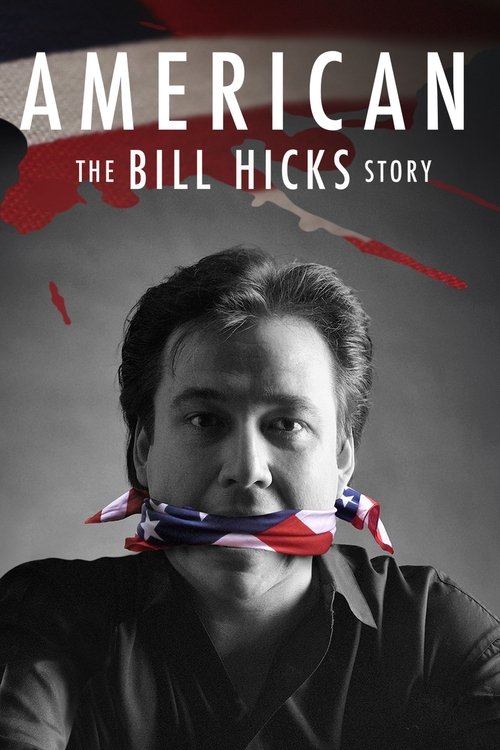
American: The Bill Hicks Story2010
A documentary essay about an artist whose moment passed, and the spaces—comedy clubs—that held him. It's about cultural memory and the venues that shaped us, told with real tenderness.
But Requires interest in stand-up comedy and Bill Hicks specifically. If neither speaks to you, it can feel narrow and overly reverent.
Lo and Behold: Reveries of the Connected World2016
Werner Herzog documenting the internet's rise, with his characteristic blend of wonder and doom. Like The Last Blockbuster, it's asking what we lose when old technologies vanish.
But Herzog's narration is stately and sometimes arch. If you want straightforward information, his poetic detachment will feel pretentious.
The Toys That Made Us2017
Each episode lovingly documents a toy line's entire life cycle—from invention through obsolescence. Shared DNA: celebrating objects and eras, nostalgia tempered with honest industry history.
But Some episodes feel like extended brand advertisements. The tone can be saccharine if you're not already primed to feel nostalgic.
The Profit2013
Where The Last Blockbuster asks 'What do we lose?', The Profit asks 'What does it cost to keep it?' They're antithetical views of the same problem—obsolete businesses in a changing market.
A reality show where Marcus Lemonis buys failing businesses and attempts to save them. Raw capitalism versus nostalgia. It's what happens when someone decides sentiment doesn't matter and efficiency does—the ideological opposite of The Last Blockbuster.
But It's fundamentally a show about hard decisions and people losing things. Watching businesses dismantled for profit, even to save them, can feel punishing.
Tokyo Story1953
Both are elegies. Not angry, not melodramatic—just clear-eyed observations of eras ending and people trying to stay relevant in them. Both trust you to feel the sadness without narrating it.
Ozu's film about aging parents visiting their adult children in post-war Tokyo. No plot, just time passing and relationships weathering it. Made 70 years ago, it captures what The Last Blockbuster is really about: the quiet grief of living in a world that no longer needs you.
But Austere, slow, and philosophically detached. It's the opposite of sentimental—it watches loss without flinching, which some find cold.

People
Cast
 Sandi HardingSelf
 Lauren LapkusSelf - Narrator
 Kevin SmithSelf
 Samm LevineSelf
 Ione SkyeSelf
 Adam BrodySelf
 Brian PosehnSelf
 Paul ScheerSelf
 Doug BensonSelf
 Lloyd KaufmanSelf
 Jamie KennedySelf
Directing
- Taylor MordenDirector
- Zeke KammSecond Unit Director
Writing
- Zeke KammWriter
Production
- Nate GilbertAssociate Producer
- Taylor MordenAssociate Producer
- Tim SkousenAssociate Producer
- Zeke KammProducer
Recommended by
Class Action Park, The Toys That Made Us, Rewind This!, The Dungeon Masters, The People vs. George Lucas, Atari: Game Over, Nintendo Quest, Chasing Ghosts: Beyond the Arcade, Kim's Video