
Film
Rewind This!
- Light-hearted
A love letter to VHS and home video's seismic shift through culture. Directors, collectors, and archivists testify to how magnetic tape democratized cinema, preserved the weird, and shaped childhoods. Nostalgic but unsentimental—it's really about power: who got to show what, and to whom.
If you liked this
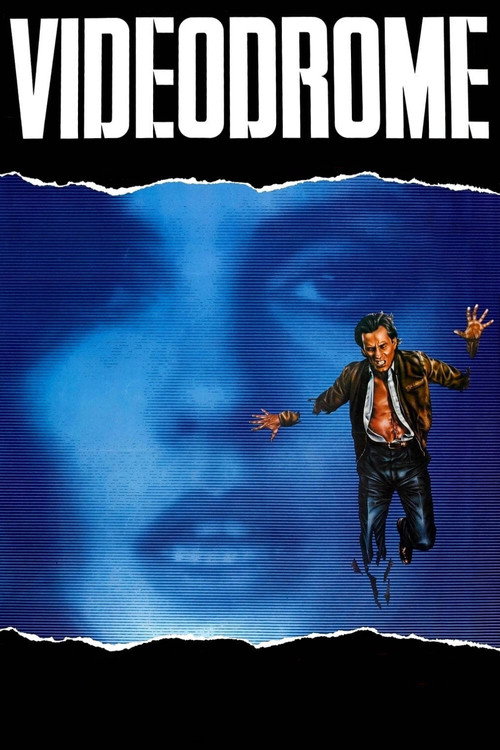
Videodrome1983
Cronenberg's hallucinatory nightmare about VHS's psychic grip. If Rewind This examines the tape's real cultural impact, this imagines its dark fantasy—a perfect companion piece that suggests the medium wasn't just neutral technology.
But Deliberately disorienting and visceral. Long stretches are deliberately unpleasant to watch, and the narrative dissolves by design rather than clarity.
Singin' in the Rain1952
A glorious film about technology upending art and careers. VHS did for cinema what sound did for silent film—killed some traditions, liberated others, and put control in different hands. The parallel is stunning.
But If you're expecting a documentary beat-down of the old Hollywood system, you'll find a musical instead. Spectacle can obscure the argument.

The Last Blockbuster2020
Another documentary love song to VHS retail culture, but focused on Blockbuster's social function—the Friday night ritual, the late fees, the genuine loss. Pairs beautifully with Rewind This as a portrait of a specific ecosystem.
But Leans hard into millennial nostalgia. If you weren't there, it might feel like private mourning for something you never had.
Not sure tonight? Get a pick in a minute, starting from Rewind This!
The wildcard
Something you would not have found on your own.
Sinister2012
Both are obsessed with what magnetic and film media preserve, and what preservation costs. Where Rewind This celebrates rescue, Sinister asks if some things should stay buried.
A horror film built on found footage—snuff films on 8mm and Super 8. It takes Rewind This's archival reverence and weaponizes it; the medium becomes the monster. A found-footage film that understands format as narrative.
But Genuinely disturbing in ways beyond jump scares. Designed to make you uncomfortable with the act of watching itself. Some will find that manipulative rather than brilliant.

More like this (7)
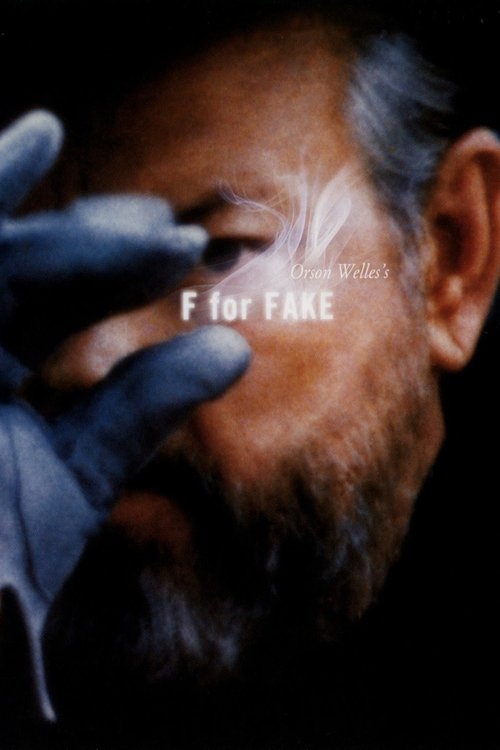
F for Fake1973
Welles' essay film about authenticity, authorship, and how technology mediates truth. Rewind This asks who controls narrative; this asks how we ever know what we're seeing. Both are fascinated by the magic trick at cinema's core.
But Deliberately evasive and playful in ways that can feel smug on first viewing. The form *is* the argument, which demands patience.
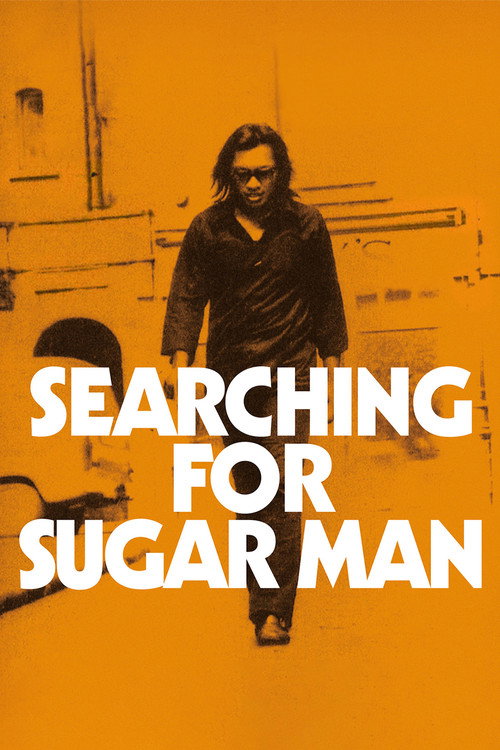
Searching for Sugar Man2012
A documentary that uses the search itself as narrative engine. How one musician was preserved, mythologized, and rediscovered through analog and early digital culture. The obsession matches Rewind This's infectious energy.
But A feel-good mystery that resolves tidily. If you prefer documentaries that trouble their own conclusions, this wraps things up.
Nights of Cabiria1957
Fellini on video is the miracle Rewind This celebrates—a masterpiece that might have stayed locked in archives suddenly available to anyone. Watch it on whatever format you can find. The medium changes how we experience it.
But A melancholy film about exploitation and longing. Not light. The pacing is deliberate in ways modern cinema has trained us to find slow.

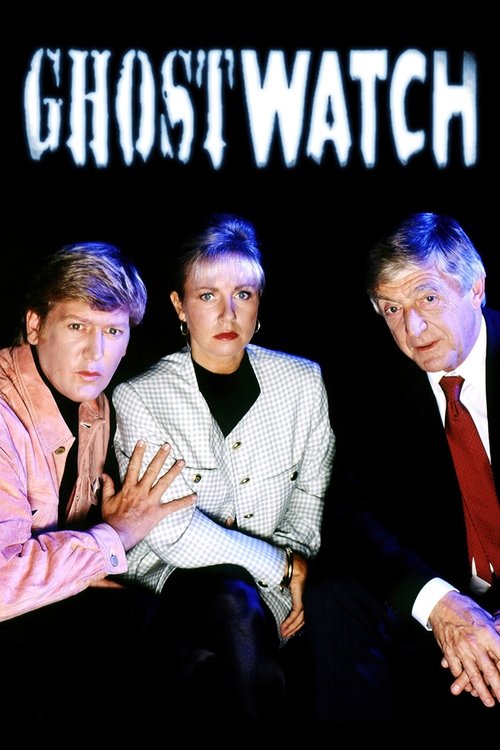
Ghostwatch1992
A BBC broadcast masquerading as live haunted-house investigation. It terrified Britain because it looked 'real'—a found-footage ancestor that depends entirely on video's documentary credibility. Rewind This explains how we came to trust (and distrust) the format.
But A TV broadcast from three decades ago with period-specific production values that read as amateur now. The scare lands psychologically, not viscerally.
Memories of Murder2003
Bong Joon-ho on analogue media's relationship to evidence and memory. A serial killer film where video quality and archive matter to the mystery itself. Thematically aligned with Rewind This's deeper questions about what tape preserves and betrays.
But A long, grueling crime procedural set in 1980s Korea. The resolution frustrates deliberately. You're watching a film that refuses comfort.

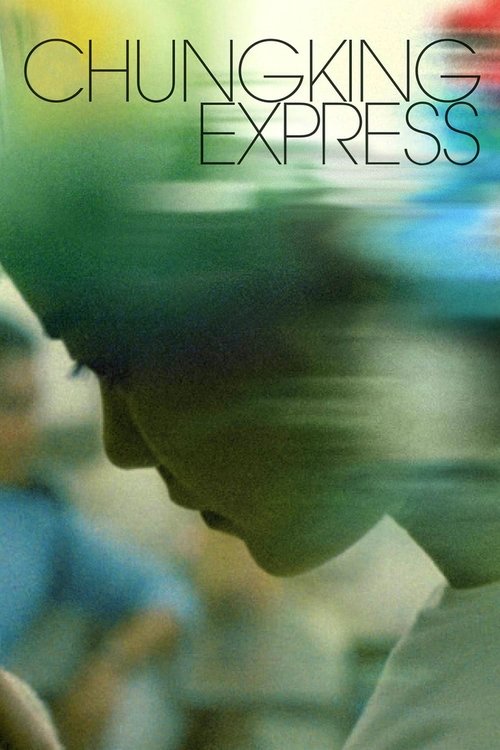
Chungking Express1994
While Rewind This documents video's democratization, Chungking Express is a masterpiece made *because* affordable formats existed. It's the artistic proof of the documentary's thesis.
Wong Kar-wai on Super 8, DV, and expired film stock as visual language. The film's visual texture is inseparable from its format—handheld, degraded, intimate. A love story told through the grammar of home video before smartphones existed.
But Oblique narrative, rapid-fire editing, and a register so precious it can feel airless. Slowness and directness are not among its virtues.
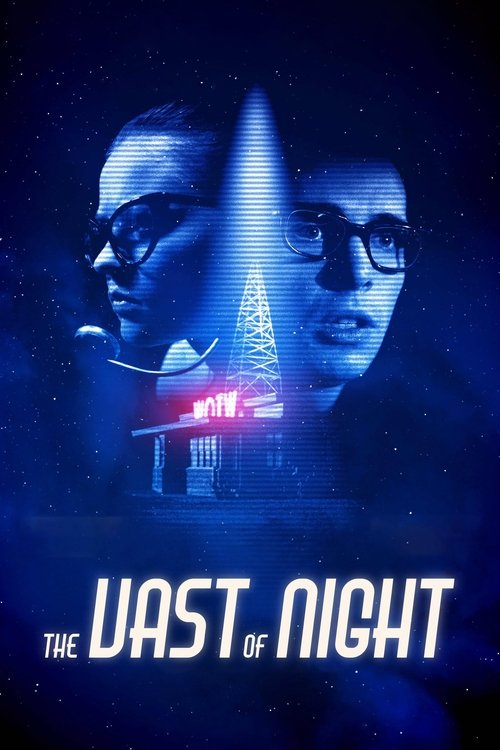
The Vast of Night2019
Where Rewind This mourns the loss of VHS culture, The Vast of Night resurrects earlier media languages entirely. Both say: old formats hold aesthetic power no amount of resolution can replicate.
A low-budget sci-fi film that mimics 1950s radio drama and early TV aesthetics. Proves that format and era are tools for storytelling, not constraints. Made in 2019 but sounds and moves like something rescued from a vault—a love letter to how we consume media across time.
But Deliberately paced like a radio play. Long dialogue scenes without edits. If you're watching for plot momentum, it will test your patience severely.
People
Cast
 Atom EgoyanSelf

 Lloyd KaufmanSelf
 Jason EisenerSelf
 Mamoru OshiiSelf

 Kevin TenneySelf
 Charles BandSelf
- Zack CarlsonSelf
 Scott WeinbergSelf
 Drew McWeenySelf
 Dimitri SimakisSelf
Directing
- Josh JohnsonDirector
Production
- Panos CosmatosExecutive Producer
- Carolee MitchellProducer