
Film
Code: Debugging the Gender Gap
A brisk, urgent documentary investigating why women have largely disappeared from computing and tech careers—a field they helped pioneer. It traces historical erasure, systemic barriers, and cultural gatekeeping with clarity and urgency. Essential viewing for anyone in tech, anyone considering it, and anyone who wonders why half the population is missing from an industry reshaping the world.
Should you watch it?
Watch it if you want a clear-eyed documentary that follows people and patterns rather than lecturing, and you enjoy seeing a familiar workplace problem taken apart with patience and specifics.
Skip it if you came for a tight, fast investigation; this is a mostly conversational film that circles its argument, and its reflective pauses can feel slow if you want hard data.
What it asks of you: It runs about eighty minutes and stays measured, sitting with interviews and open questions rather than rushing toward a verdict, so settle in for steady, thoughtful talk.
Not sure? Find tonight's pick in a minute.
If you liked this
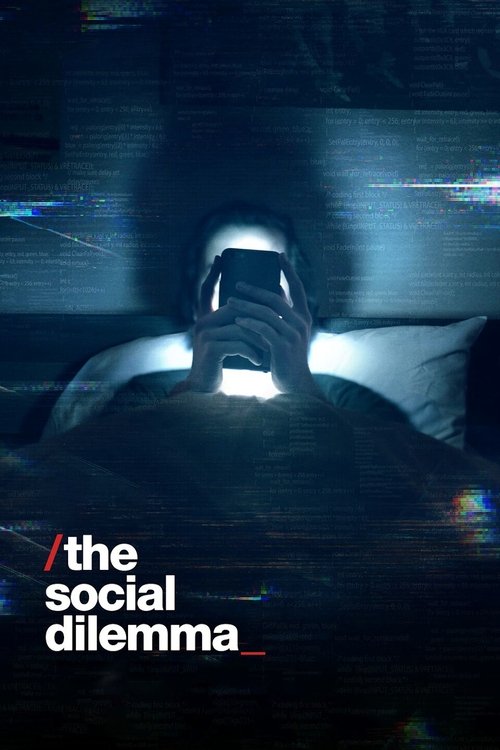
The Social Dilemma2020
Exposes how the tech industry's culture and incentives have created systems that harm users. Complements Code by showing what happens when that male-dominated sector builds products without diverse perspectives at the table.
But Heavy on talking heads and somewhat alarmist in tone; doesn't offer practical solutions, just warnings.
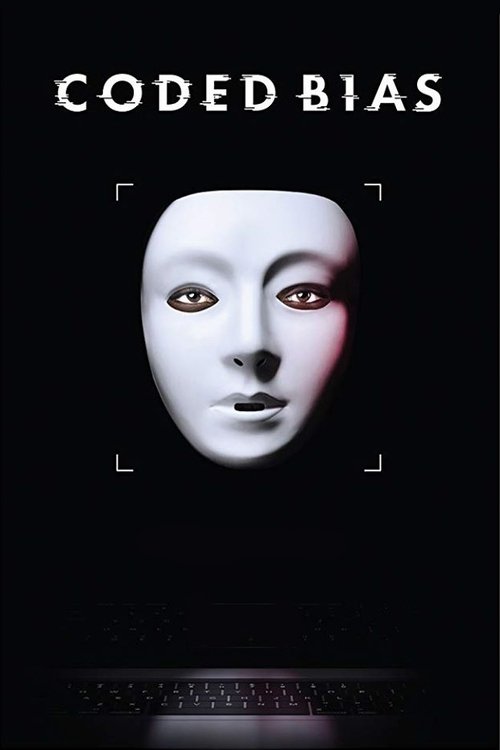
Coded Bias2020
Documents how AI systems trained by homogeneous teams encode discrimination into algorithms. A natural follow-up that shows the real-world consequences of excluding women from tech leadership and development.
But Can feel repetitive about the core problem; some sections lean toward the academic side.
AlphaGo2017
A beautiful, tensely constructed film about AI and human competition. Shows the cutting edge of tech innovation, making the absence of women's voices in these breakthroughs even more striking after watching Code.
But Requires some patience with technical concepts; not overtly about gender, so you have to draw the connections yourself.

Not sure tonight? Get a pick in a minute, starting from Code: Debugging the Gender Gap
The wildcard
Something you would not have found on your own.
Pumping Iron1977
Both explore how a subculture builds rituals, hierarchies, and gatekeeping around an arbitrary skill set, then excludes 'outsiders' by naturalizing their dominance as inherent rather than constructed.
A documentary about bodybuilding obsession and masculine performance in 1970s California. Not about tech at all, but it captures the cult-of-personality, homogeneous competitive culture that tech inherited and weaponized.
But Stylistically dated and very long; requires tolerance for watching men pose and talk about muscles for most of the runtime.

More like this (6)
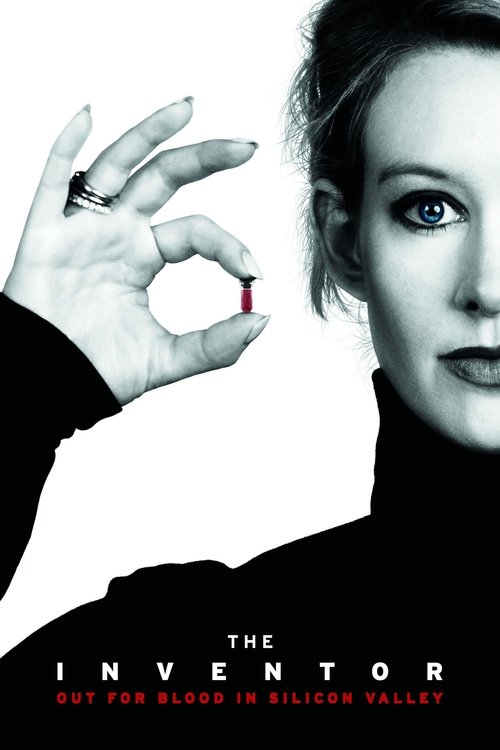
The Inventor: Out for Blood in Silicon Valley2019
A portrait of Theranos's Elizabeth Holmes and the toxic tech culture that enabled her fraud. Shows how the 'bro culture' problem Code identifies creates room for deception and harm at every level.
But At times feels more like a true-crime thriller than a systemic critique; doesn't explore gender dynamics as deeply.
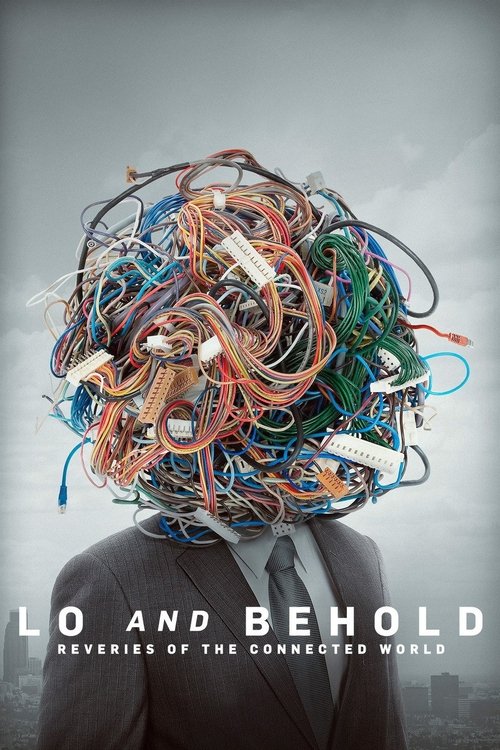
Lo and Behold: Reveries of the Connected World2016
Werner Herzog's oddball, philosophical tour through the internet's history and present. Episodes touch on diversity gaps and the human cost of tech's rapid growth with Herzog's characteristically skeptical eye.
But Meandering and sometimes absurdist; not a tight argument, more a meditation that requires patience with Herzog's quirks.
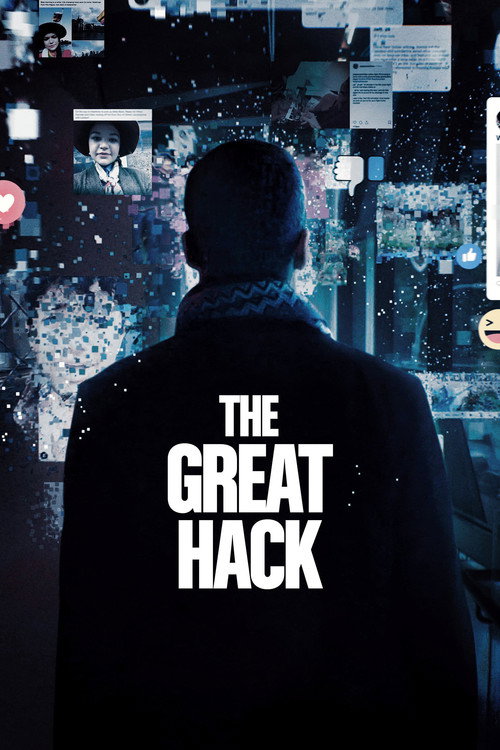
The Great Hack2019
Investigates Cambridge Analytica and data privacy, revealing how tech companies exploit personal information. Again, asks what different choices might look like if more women held power in these spaces.
But More spy-thriller in structure than documentary; the investigation can feel scattered and the ending uncertain.
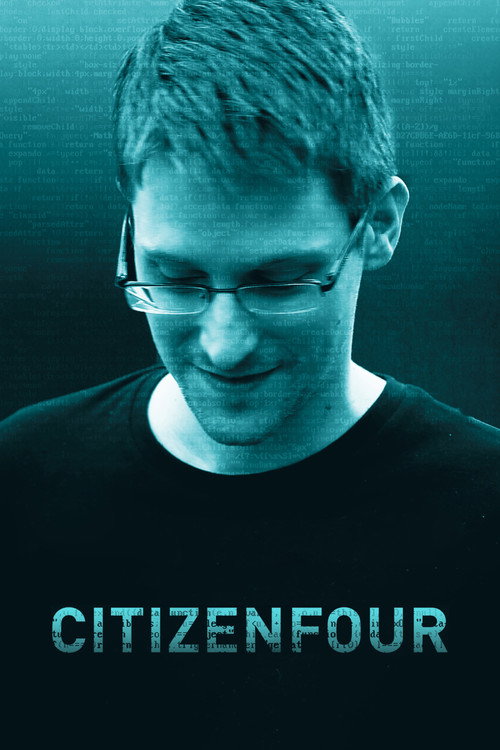
Citizenfour2014
Laura Poitras's Oscar-winning film about Edward Snowden and NSA surveillance. Shows tech's immense power and the stakes of who controls it—reinforcing Code's urgency about representation.
But Deliberately paced and sometimes dry; assumes some familiarity with the Snowden story to land emotionally.
Print the Legend2014
Examines the 3D printing boom, startup culture, and entrepreneurship with a skeptical eye. Captures the same 'move fast and break things' ethos that Code shows has no room for women's voices.
But Feels more like a business story than a social critique; gender isn't its focus, so connections require inference.

Code Black2015
Not a wildcard in the structural sense, but a wildcard in availability—most people don't know this cut exists, and it deepens everything the film establishes without diluting the argument.
Wait—this isn't a wildcard dodge. If you loved the film, track down the expanded television version. More interviews, deeper history, and breathing room to sit with the stories.
But Longer means it can feel repetitive; some will prefer the concise film version's punch.

People
Directing
- Robin HauserDirector
Writing
- Jack YoungelsonStory
Production
- Cassandra JabolaCo-Producer
- Amy BatchelorExecutive Producer
- Regina K. ScullyExecutive Producer
- Christie HerringProducer
- Robin HauserProducer
- Staci HartmanProducer
Recommended by
Silicon Cowboys, Making The Billion Dollar Code, Computer Networks: The Heralds of Resource Sharing