
Film
Coded Bias
Coded Bias follows MIT researcher Joy Buolamwini's discovery that facial recognition struggles to see darker skin, then widens into a brisk survey of how algorithms already shape credit, hiring, and policing. It's talking-heads journalism rather than cinematic flair, built for anyone who still assumes 'the computer' is neutral and wants that assumption dismantled fast.
If you liked this
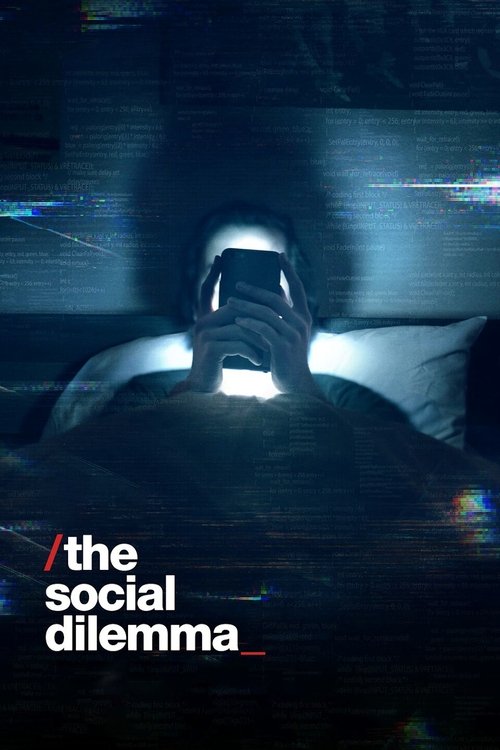
The Social Dilemma2020
Tech insiders who built the algorithms turn whistleblower, laying out exactly how attention-hacking and engagement optimisation work, in a slick, doggedly watchable format.
But The reenacted family subplot is heavy-handed, and the alarm-bell tone can feel like fear-mongering by the second act.
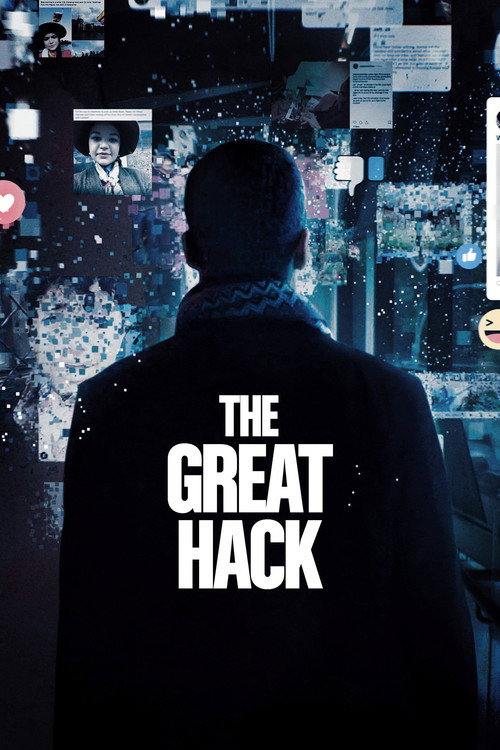
The Great Hack2019
Follows the Cambridge Analytica scandal from the inside, showing how personal data quietly becomes a political weapon with unnerving clarity.
But Focuses more on data harvesting for political ads than algorithmic bias, so the link to facial recognition is thinner.
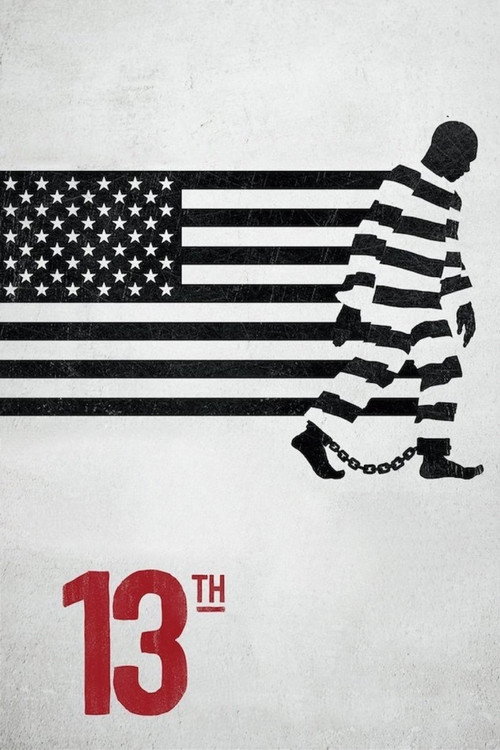
13th2016
Ava DuVernay's blistering history of race and the American justice system gives crucial context for why biased data keeps producing biased outcomes.
But It's about mass incarceration broadly, not algorithms specifically, so viewers expecting a tech focus may be surprised.
The wildcard
Something you would not have found on your own.
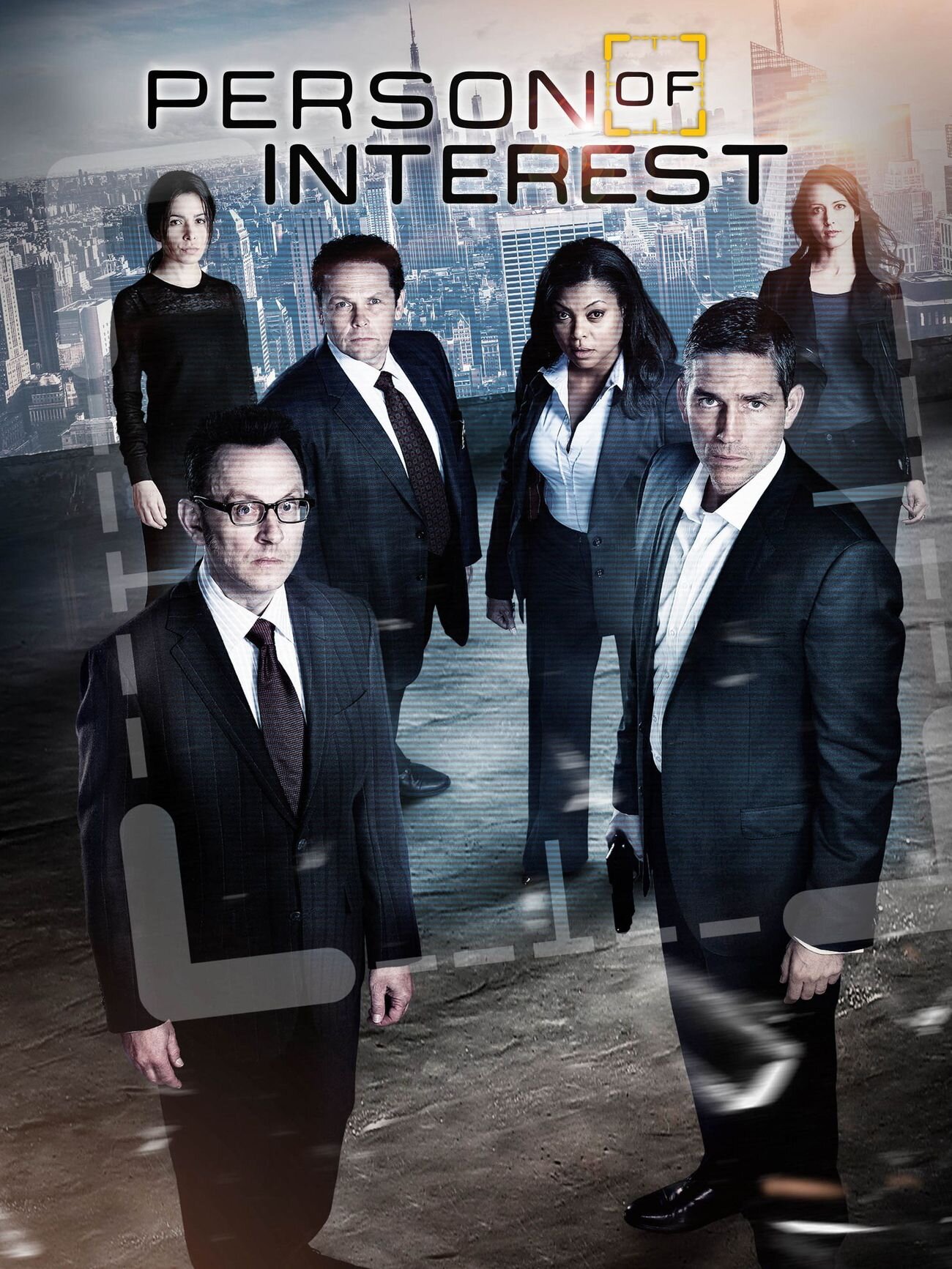
Person of Interest2011
It dramatizes, almost beat for beat, the fear Coded Bias raises in reality — an opaque algorithm silently deciding who counts as a threat, with no appeal process.
A former CIA agent partners with a reclusive genius whose secret machine predicts violent crimes before they happen — vigilante thriller that slowly becomes a serious meditation on machine judgment.
But Five seasons is a big ask, and the early run plays as fairly conventional case-of-the-week action before the ideas really kick in.
More like this (8)
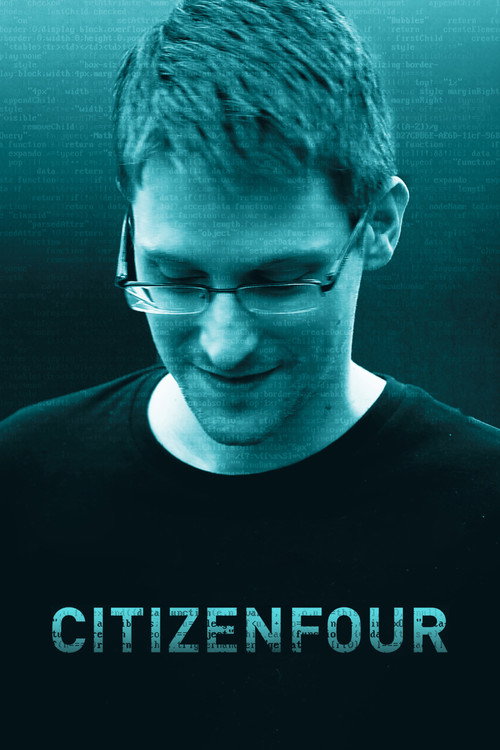
Citizenfour2014
The real-time record of Edward Snowden explaining mass surveillance from a Hong Kong hotel room, tense and genuinely history-making.
But Centres on government surveillance infrastructure rather than the commercial algorithms Coded Bias is chiefly worried about.
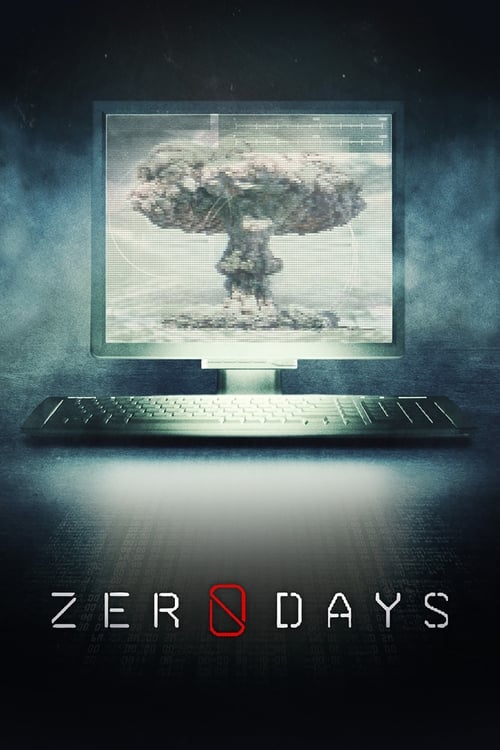
Zero Days2016
A gripping account of Stuxnet, the cyberweapon that proved invisible code can cause devastating real-world damage.
But Plays more like an espionage thriller than a social-justice documentary, so the moral urgency here is largely absent.
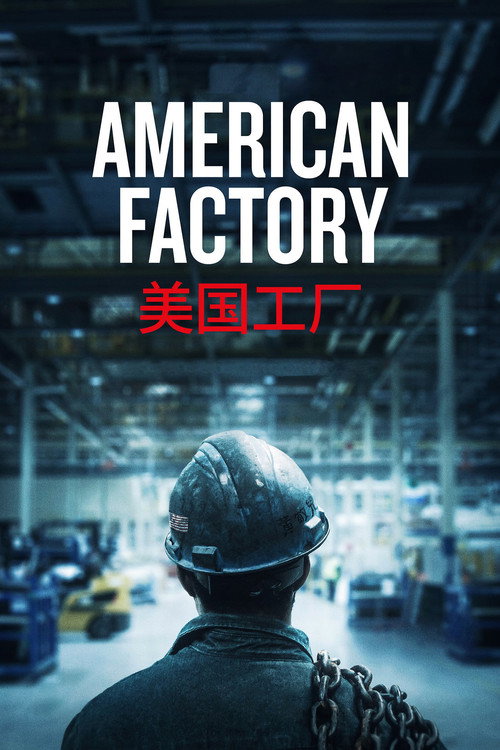
American Factory2019
A patient, humane ground-level look at automation replacing human labour in an Ohio factory, and who gets left behind.
But No algorithms or facial recognition on screen, just the slower, quieter violence of a robot doing your old job.
Do You Trust This Computer?2018no page yet
A wide-lens survey of AI's rapid rise, carrying the same unease about opaque systems quietly making decisions for us.
But Skims across many topics rather than digging into one, so it can feel like a highlight reel rather than an argument.
iHuman2019no page yet
A moody, unsettling essay on AI's power over politics and identity, with striking visuals that make abstract fears feel physical.
But Lighter on hard evidence and journalistic rigor than Coded Bias, heavier on atmosphere and dread.
The Feeling of Being Watched2018no page yet
A journalist investigates why her Muslim-American neighbourhood was under FBI surveillance for years — personal, rigorous, and a fitting companion on who watches whom.
But Smaller and harder to find than the others, with a slower, more meditative pace throughout.
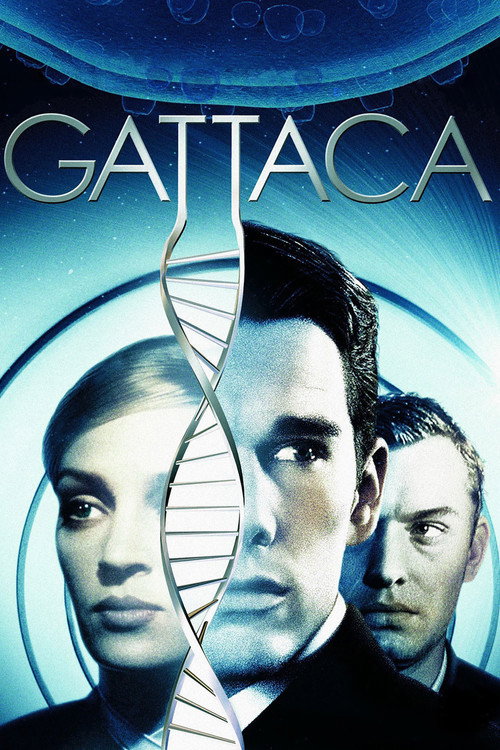
Gattaca1997
It imagines exactly the caste system Coded Bias warns is already arriving — people sorted and denied opportunity by data they can't contest, DNA standing in for a face scan.
A sleek, melancholy sci-fi about a world where your genetic code determines your entire future whether you like it or not — gorgeous, cold, and quietly furious.
But It's a slow-burn character drama, not a thriller, and the retro-futurist style may feel dated to viewers expecting something sharper.
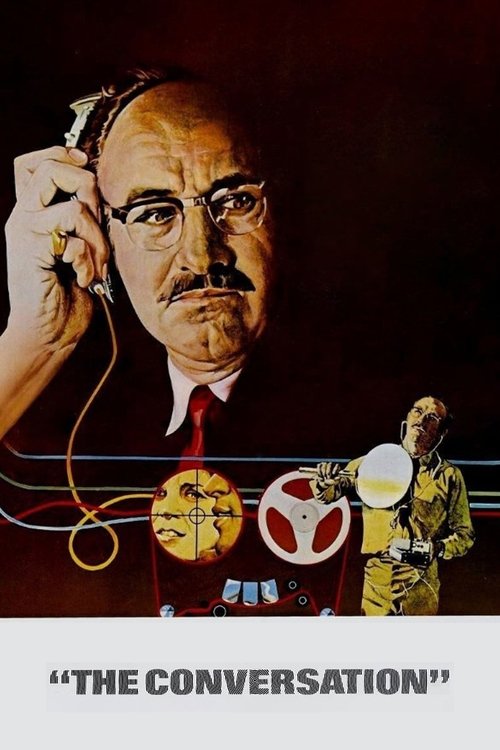
The Conversation1974
Same anxiety, different century — the terror of being watched by systems you can't see or challenge, rendered here as one man's quiet mental collapse rather than a policy argument.
Gene Hackman plays a surveillance expert unraveling with paranoia after overhearing something he shouldn't — tense, low-tech, made decades before anyone said 'big data.'
But It's slow, analog, and almost entirely interior; anyone hoping for talking-head experts or hard facts will find only mood and dread.
People
Cast
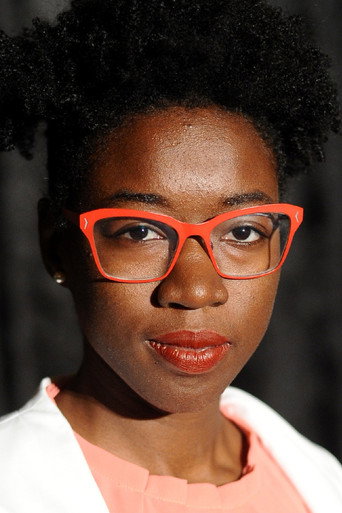 Joy BuolamwiniSelf
- Cathy O'NeilSelf
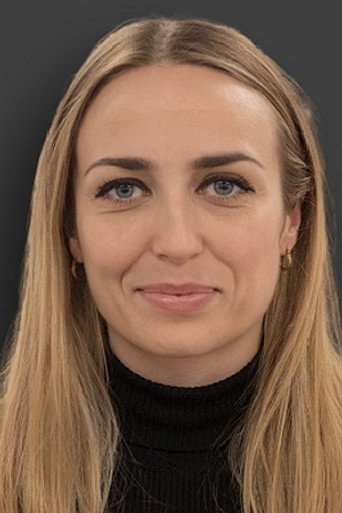 Silkie CarloSelf
- Virginia EubanksSelf
 Ravi NaikSelf
- Zeynep TufekciSelf
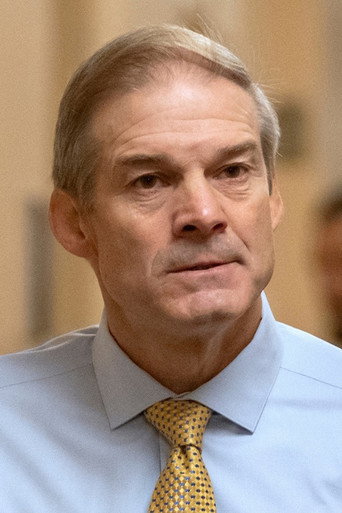 Jim JordanSelf
Directing
- Shalini KantayyaDirector
Writing
- Shalini KantayyaWriter
Production
- Sabine HoffmanCo-Producer
- Shalini KantayyaProducer