
Film
Tiny Shoulders: Rethinking Barbie
A sharp documentary about how Barbie survived six decades by constantly reinventing herself, and what those reinventions say about women's changing roles. It's energetic, funny, and genuinely moving—part cultural history, part corporate chronicle, entirely watchable whether you grew up with the doll or just have opinions about it.
Should you watch it?
Watch it if you like seeing a childhood plaything dissected as a mirror of social change, with its makers and critics arguing on screen, and you don't mind a clear critical argument driving the film.
Skip it if you want a documentary with a tight narrative or fresh investigation, since this one leans on interview-led storytelling and a loose, essayistic argument.
What it asks of you: Roughly ninety minutes of steady, unhurried listening, with few structural surprises and a sober tone held throughout.
Not sure? Find tonight's pick in a minute.
If you liked this
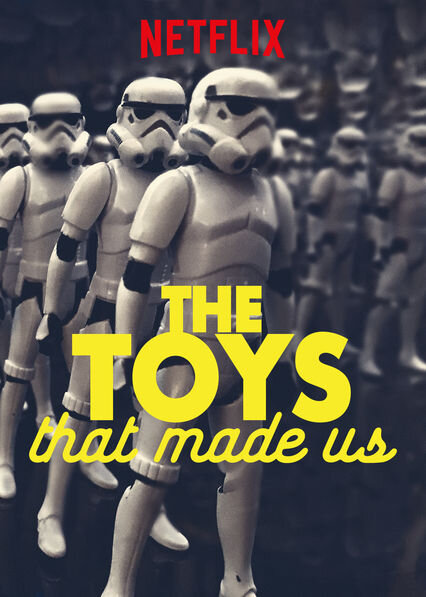
The Toys That Made Us2017
A companion piece examining Barbie's creation and evolution through archival footage and interviews with designers and Mattel executives. It's a tighter, more focussed dive into the exact same story.
But If you've just watched Tiny Shoulders, this will feel repetitive. The two cover nearly identical ground with minimal new insight.
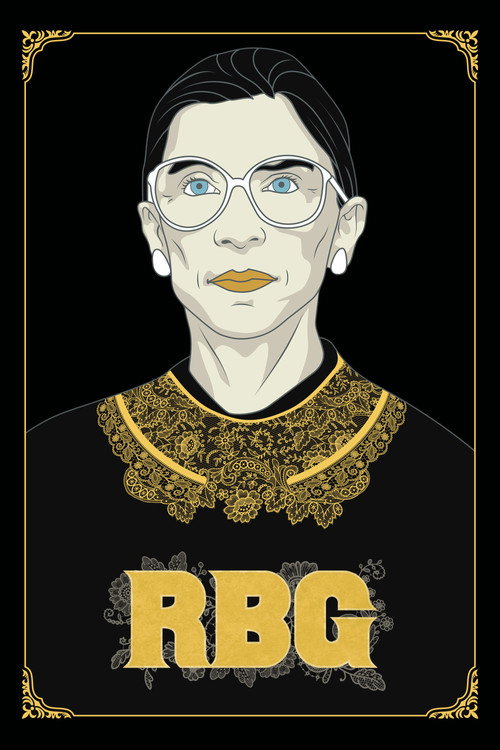
RBG2018
Another documentary about an icon shaped by feminist struggle and public expectation. It has the same mix of archival footage, interviews, and genuine affection for its subject while asking hard questions.
But The parallel is obvious and might feel like you're watching the same film twice. It's also more reverent than critical.
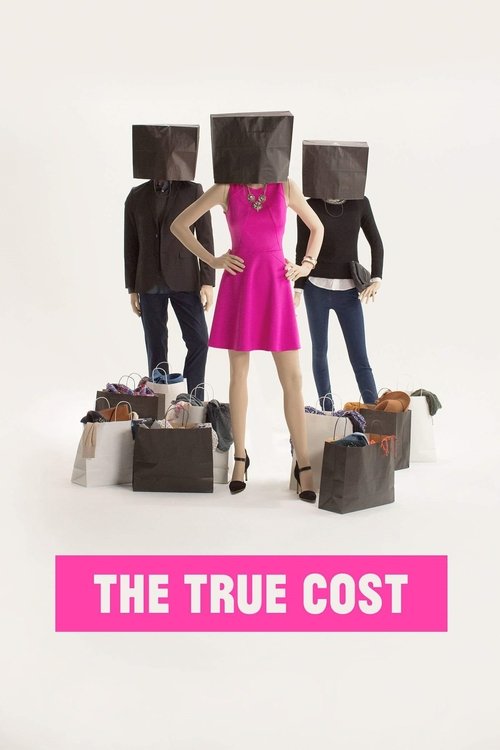
The True Cost2015
A documentary about the fashion industry's human cost. If Tiny Shoulders intrigued you about Barbie's fashion legacy, this examines what that legacy actually costs the women who make the clothes.
But It's darker and angrier than Tiny Shoulders, with graphic footage of sweatshops. The tone shift is jarring if you're expecting something lighter.
Not sure tonight? Get a pick in a minute, starting from Tiny Shoulders: Rethinking Barbie
The wildcard
Something you would not have found on your own.
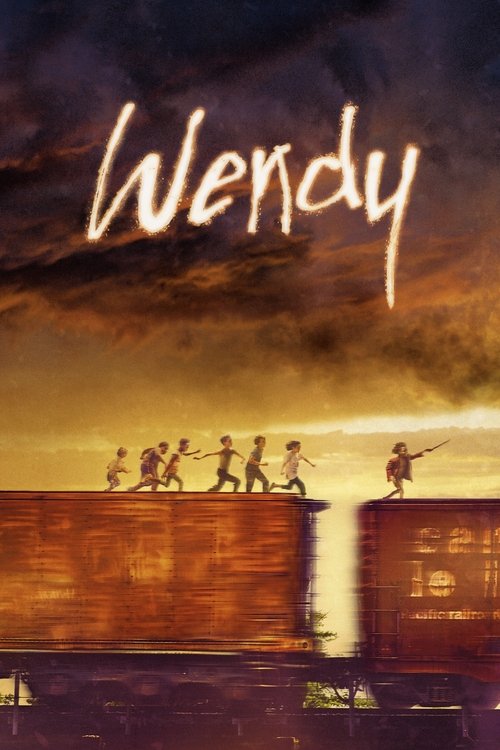
Wendy2020
Like Tiny Shoulders, it's about how we construct identity through the stories and objects of childhood, and what happens when those constructs get interrogated by time and reality.
A magical-realist film about childhood, myth-making, and what happens when the stories we tell ourselves collide with adult reality. It's shot like a fever dream and it's hypnotic.
But It's deliberately slow and oblique. If you want narrative clarity, you'll hate it. Some scenes have almost no dialogue. It's also a small indie film that requires patience.
More like this (4)
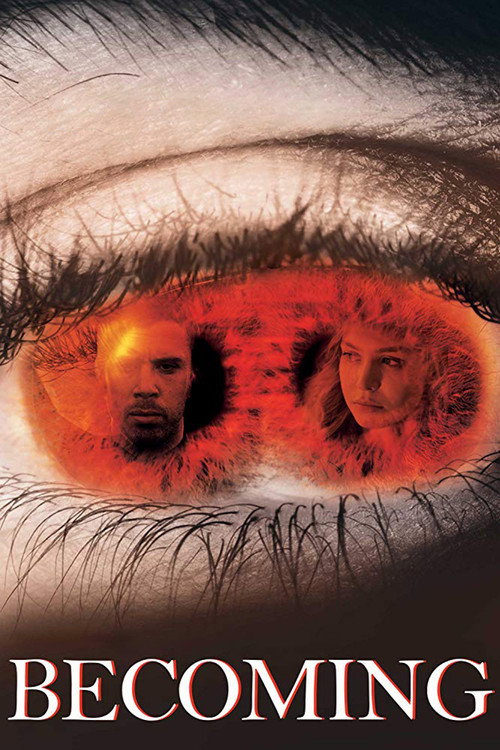
Becoming2020
A portrait of Michelle Obama navigating expectation, identity, and public image. It shares Tiny Shoulders' interest in how women become symbols and how that shapes what they can be.
But It's a conventional talking-heads biography. There's less structural surprise, and it reveres its subject more than interrogates it.
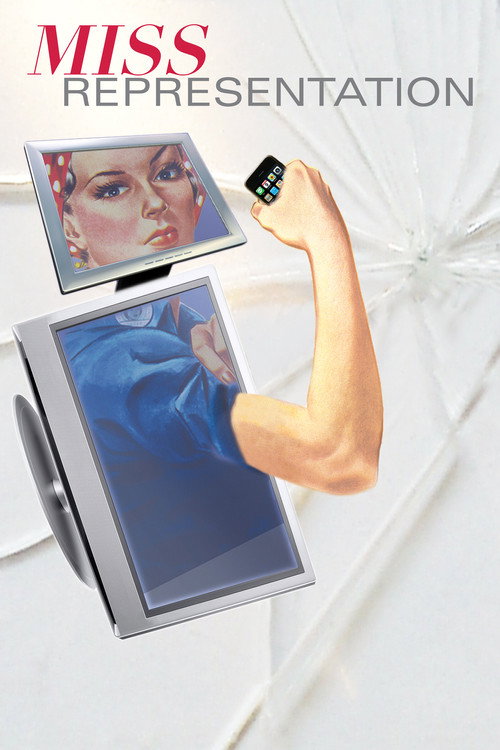
Miss Representation2011
A documentary about media representation and its effect on young women. It uses pop culture to ask the same questions Tiny Shoulders does—what do these images do to us?
But The arguments are broader and less focused. It sometimes trades nuance for talking points, and feels didactic.
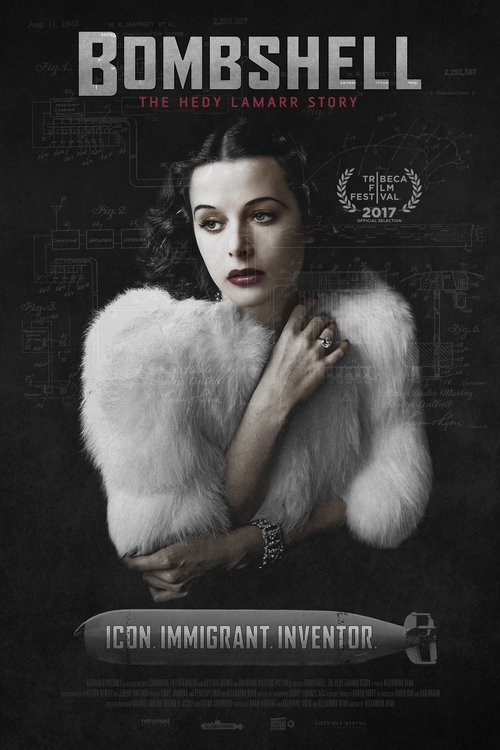
Bombshell: The Hedy Lamarr Story2018
A brief, witty doc about a glamorous actress who invented military technology and was erased by history. It's about how women are packaged, mythologized, and then discarded.
But At 88 minutes it's almost slight. The tone is lighter than Tiny Shoulders, and it doesn't dig as deep into the systemic problems.
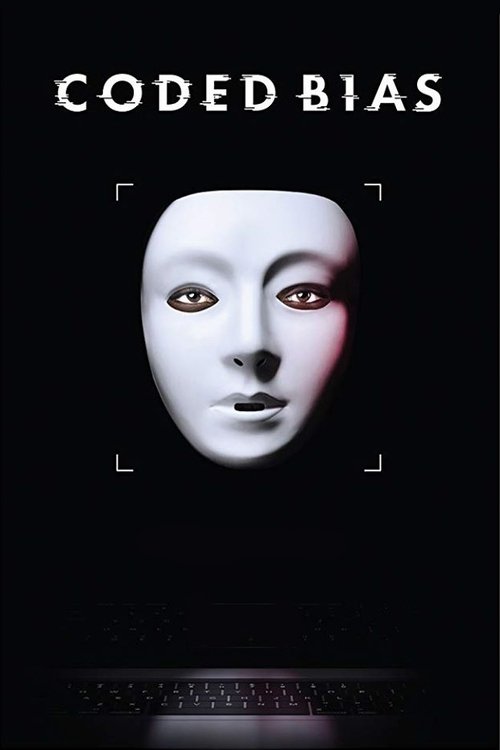
Coded Bias2020
A documentary about algorithmic bias in AI systems. It's a distant cousin to Tiny Shoulders—about how the things we build encode our prejudices and then scale them infinitely.
But The connection is thematic rather than direct. If you want something about toys and fashion, this will feel like a weird pivot.
People
Cast
 Gloria SteinemSelf
 Richard DicksonSelf
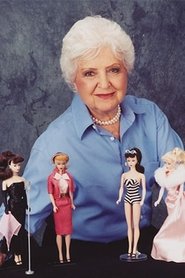 Ruth HandlerSelf
- Kristina DuncanSelf
- Michelle ChidoniSelf - Senior Account Executive, Mattel Inc.
- Kim CulmoneSelf
- M.G. LordSelf
- Elliot HandlerSelf
- Amy RichardsSelf - Feminist Author and Activist
- Amanda ForemanSelf - Historian
- John W. RyanSelf
- Peggy OrensteinSelf
Directing
- Andrea Blaugrund NevinsDirector
Writing
- Andrea Blaugrund NevinsWriter