
Film
Do You Trust This Computer?
A 78-minute documentary that asks whether artificial intelligence will liberate or destroy us. Elon Musk, Ray Kurzweil, and other technologists and researchers grapple with the real risks and promises of machine learning, mostly without the breathless hype or apocalyptic theatrics. It's thoughtful, accessible, and genuinely uncertain—which is refreshing from a genre that often pretends to have answers.
Should you watch it?
Watch it if you enjoy a sober, well-argued documentary about big ideas, where the pleasure is hearing researchers and futurists wrestle with a question that feels like science fiction but is quickly becoming a policy problem.
Skip it if you want a film that dramatizes the technology or moves briskly through spectacle; this is largely talking heads and archival footage, with the argument carrying almost all of the weight.
What it asks of you: It runs about78 minutes and keeps a measured pace, asking you to sit with interviews and follow an extended line of reasoning rather than be carried by plot or emotion.
Not sure? Find tonight's pick in a minute.
If you liked this
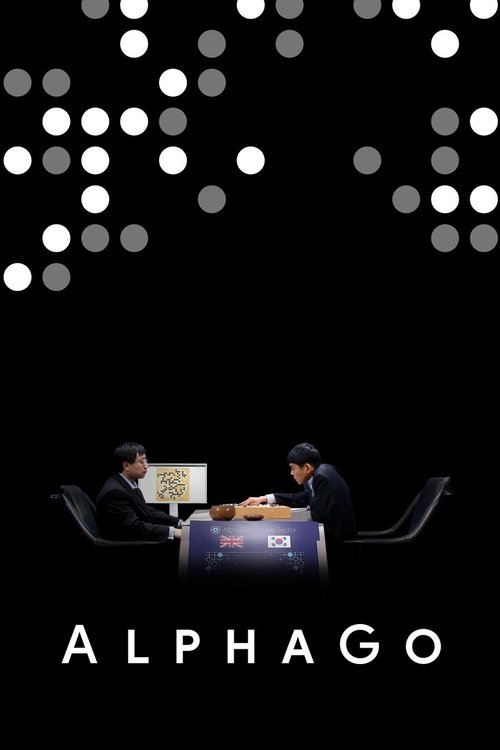
AlphaGo2017
A mesmerizing look at how DeepMind's AI mastered the ancient game of Go by thinking in ways humans never could. The documentary captures both the technical breakthrough and the very human stakes of competition and obsolescence.
But If you don't understand Go or care about board games, the significance of the victory may feel abstract. The pacing is meditative rather than urgent.
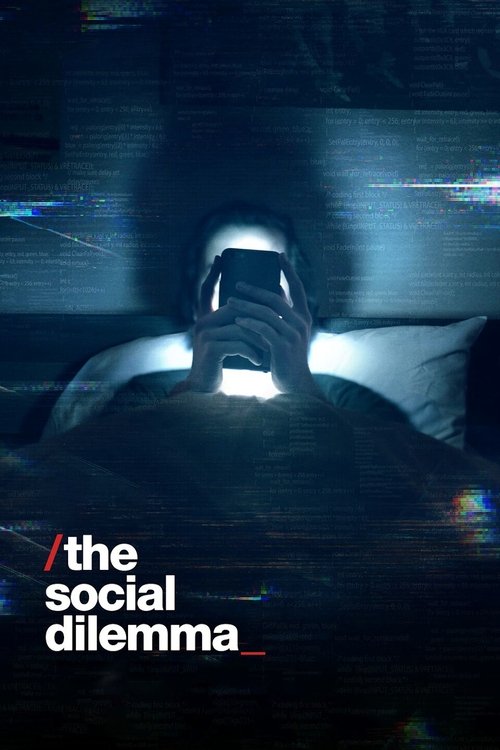
The Social Dilemma2020
Examines how the algorithms reshaping our attention and behaviour were built, often by engineers who now regret their creations. Combines interviews with tech insiders, dramatizations, and genuine alarm about consequences we're just beginning to understand.
But Veers toward doomerism without always offering substantive solutions. Some dramatized sequences feel a bit heavy-handed for what should be straightforward analysis.
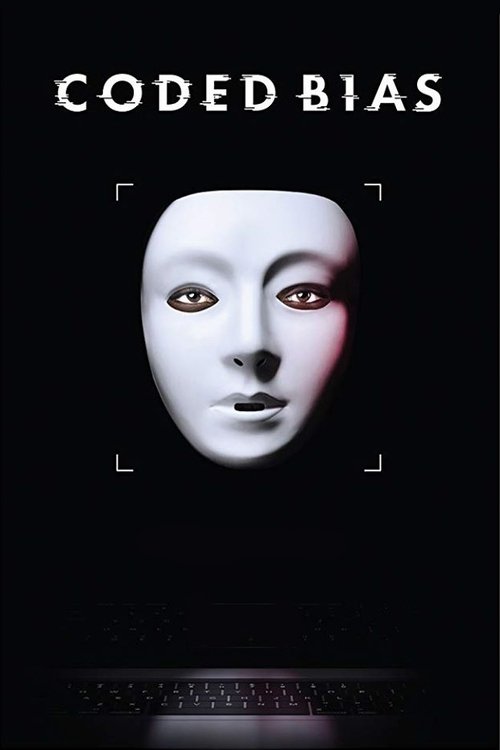
Coded Bias2020
Investigates how machine learning perpetuates racial discrimination, from facial recognition that fails on dark skin to predictive policing. Urgent and specific about real harms, anchored by MIT researcher Joy Buolamwini's personal investigation.
But Focuses on bias rather than existential risk, so if you're interested in the 'AI destroys humanity' question, this approaches the problem from a different angle. Some technical concepts move quickly.
Not sure tonight? Get a pick in a minute, starting from Do You Trust This Computer?
The wildcard
Something you would not have found on your own.
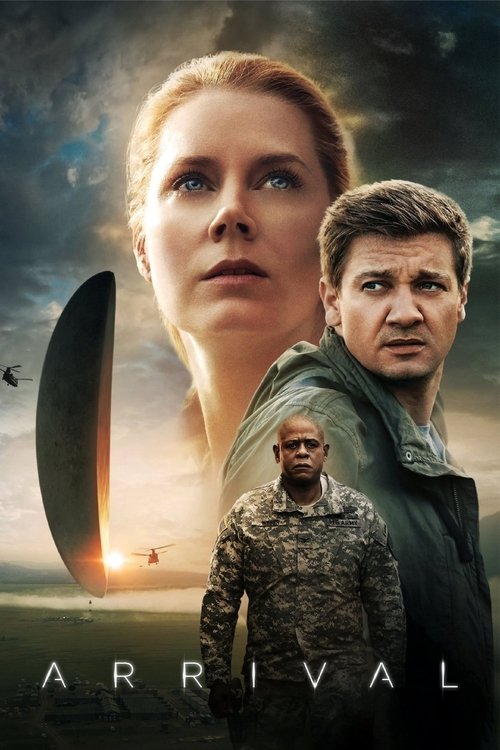
Arrival2016
Both grapple with the fundamental problem: how do humans and alien intelligence—whether extraterrestrial or machine—bridge the gap between incommensurable ways of thinking? Both refuse easy reassurance.
A first-contact film where linguistics, not violence, is the solution. It asks what it means to truly understand intelligence radically different from our own—and what changes when communication finally happens. Philosophically engaged and utterly beautiful.
But Science fiction, not documentary. The central twist is philosophical rather than technical, which means it won't give you policy recommendations or risk assessments. Some find it slow.
More like this (6)
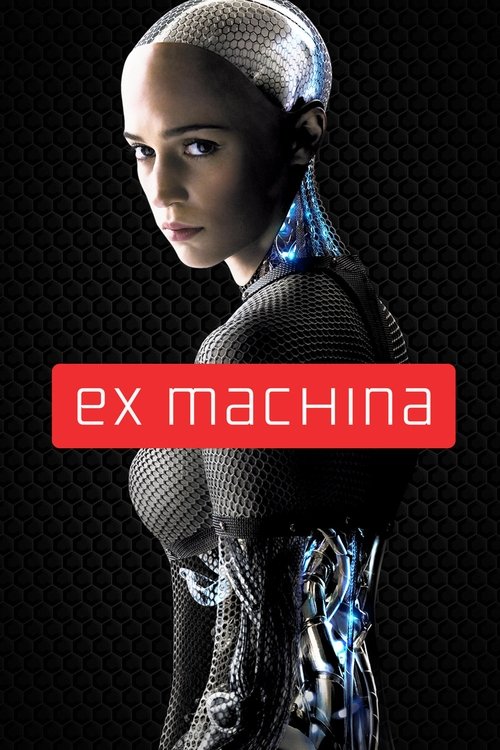
Ex Machina2015
A taut thriller about a young man invited to test a secretive AI, it explores the problem of whether we can ever truly know what a mind—artificial or otherwise—wants. Philosophically sharp and genuinely unsettling.
But Deliberately enigmatic and slow-burn. If you want action or clear answers about AI, you'll be frustrated. Also: it's primarily a character study, not a technical investigation.
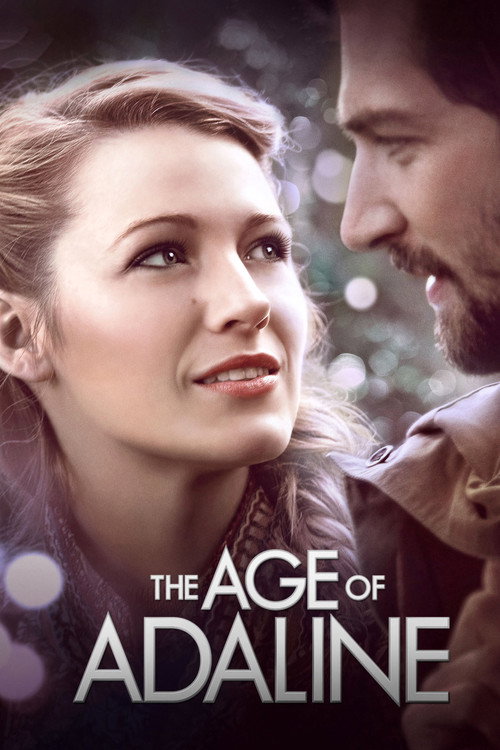
The Age of Adaline2015
A ten-part series that moves through concrete applications—music, medicine, art, agriculture—to show how AI is already reshaping the world in real time. Optimistic without being naive, and visually inventive in how it explains complex systems.
But More interested in 'what can AI do now?' than in long-term risk or philosophical questions. If you're seeking darker possibilities, this skews toward possibility and wonder.
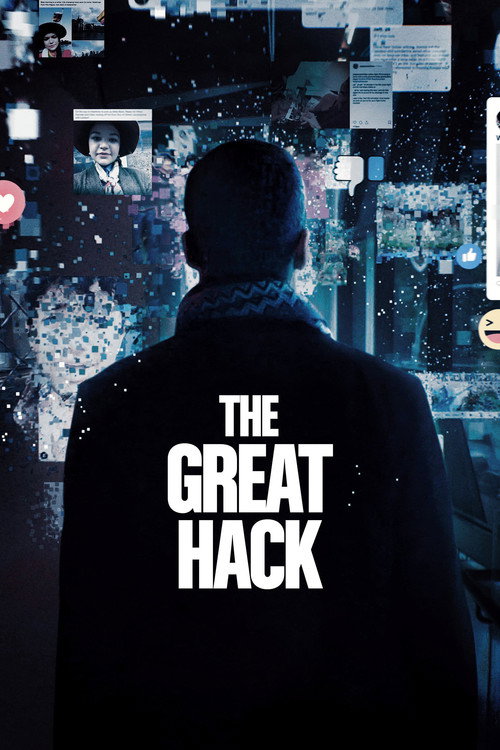
The Great Hack2019
Unpacks the Cambridge Analytica scandal and how algorithmic targeting weaponized personal data to manipulate elections. A necessary companion to any discussion of AI's role in shaping behaviour at scale.
But The conspiracy-documentary style can feel slightly sensational. Some threads don't resolve cleanly because the scandal itself didn't, which leaves things frustratingly open-ended.
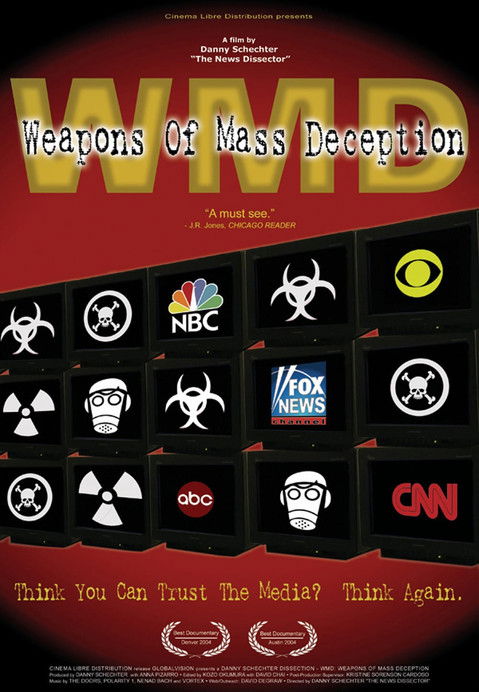
WMD: Weapons of Mass Deception2004
A documentary about how intelligence and data were weaponized to justify the Iraq War. It's tangential to AI but essential viewing for understanding how algorithms and computational thinking are already used to shape perception and justify power.
But Older, pre-AI boom, so it approaches the problem of technology and authority from a different era. Doesn't address machine learning specifically, which may feel like a miss.
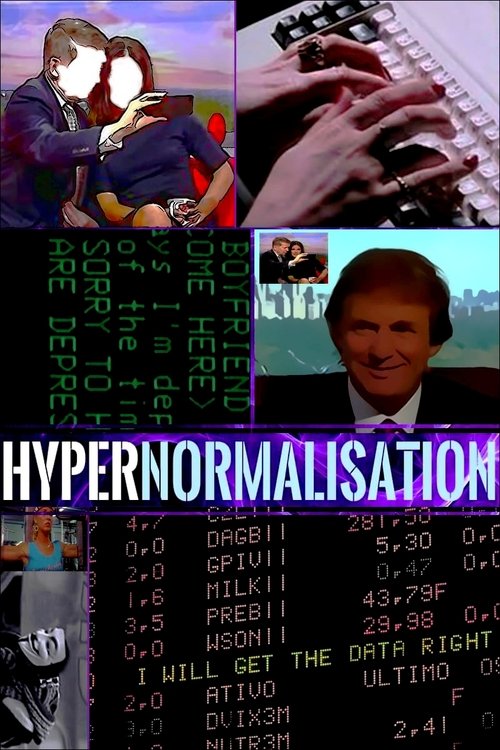
HyperNormalisation2016
Where 'Do You Trust This Computer' asks whether we can control AI, Curtis explores why we've already surrendered control to systems we don't understand. Both are about helplessness in the face of complexity.
Adam Curtis's sprawling essay argues that we've all retreated into simpler, false narratives because reality became too complex to grasp. It's about how systems (political, technological, informational) overwhelm human understanding—the context in which AI actually emerges.
But Deliberately digressive and associative. No linear argument. If you want clarity, you'll be frustrated. Curtis trusts you to sit with ambiguity and make connections yourself. It's demanding.
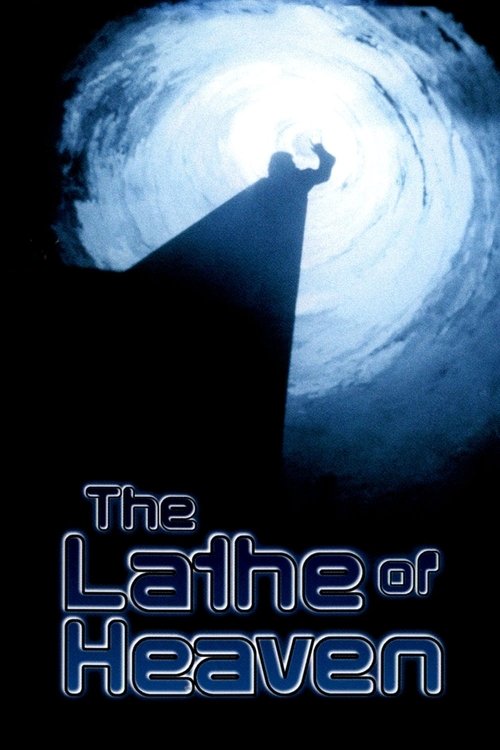
The Lathe of Heaven1980
Both work from the assumption that we cannot predict or manage complex systems we create. Both are ultimately about whether good intentions matter when outcomes spiral beyond our grasp.
A made-for-TV adaptation of Ursula K. Le Guin's novella about a man whose dreams reshape reality and a scientist who tries to weaponize them. Quietly devastating exploration of unintended consequences and the hubris of assuming control.
But Made in 1980 on a PBS budget, so the production values are modest and dated. The pacing is languid. But that slowness is the point—Le Guin's moral clarity doesn't need spectacle.
People
Cast
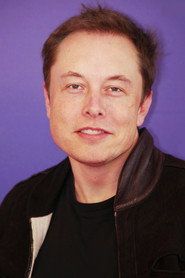 Elon MuskSelf
- Raymond KurzweilSelf
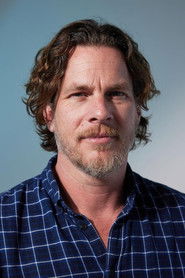 Jonathan NolanSelf
- James BarratSelf
- David FerrucciSelf
- Christine FoxSelf
- Rana El KalioubySelf
- Sean GourleySelf
- Brian HermanSelf
- Eric HorvitzSelf
- Hiroshi IshiguroSelf
Directing
- Chris PaineDirector
Writing
- Mark MonroeWriter
Production
- Alyx AsakawaAssociate Producer
- Chris PaineExecutive Producer
- Tiffany AsakawaExecutive Producer
- Jessie DeeterProducer