
Film
WMD: Weapons of Mass Deception
Danny Schechter's urgent 2004 documentary examines how media institutions became instruments of state propaganda during the Iraq War buildup. Through interviews, archival footage, and sharp analysis, it reveals the mechanics of manufactured consent—how major outlets failed to question official narratives, prioritized access over accountability, and allowed fear to displace journalism. Essential viewing for anyone who wants to understand how democracies can be sold into war.
If you liked this
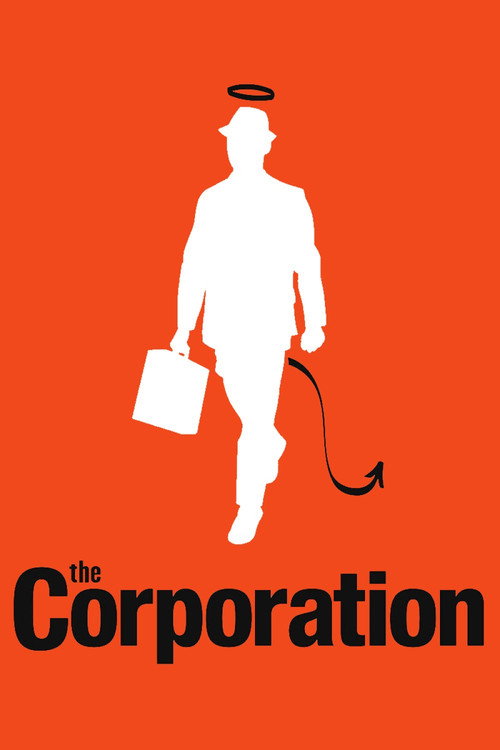
The Corporation2003
A companion investigation into institutional power and moral failure. Explores how large organizations systematically evade accountability through structure and rhetoric, using the same interview-and-evidence approach Schechter employs.
But At 145 minutes, it's long and dense, moving through economic theory that can feel abstract even when the subject matter is concrete.
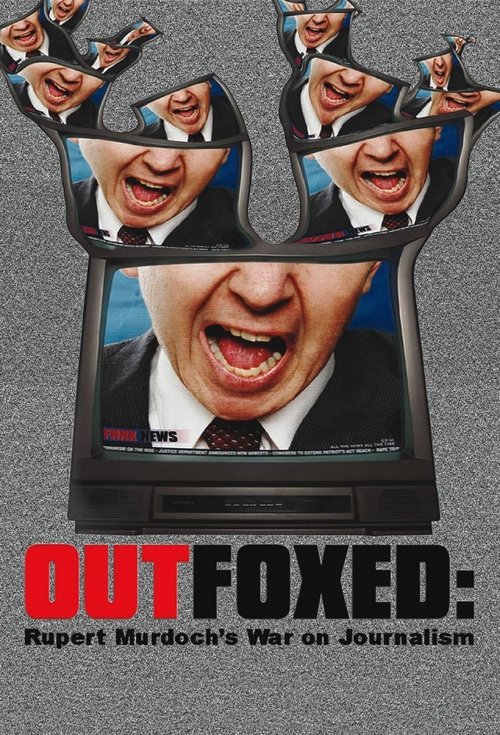
Outfoxed: Rupert Murdoch's War on Journalism2004
Robert Greenwald's equally furious documentary trains a laser on Fox News's specific role in the propaganda machine, with on-camera analysis from former journalists and executives who watched standards collapse in real time.
But It's polemical rather than balanced, so if you need both-sides framing to feel heard, this will frustrate you.
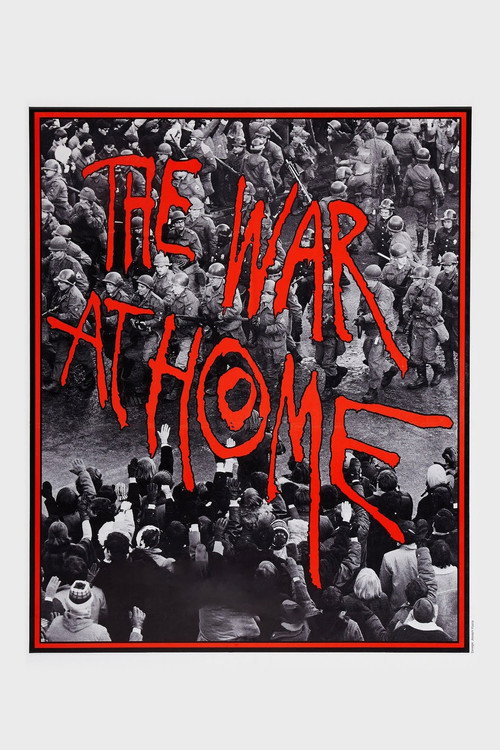
The War at Home1979
Examines how the Bush administration manufactured the case for Iraq through declassified documents and testimony. Slower-paced than WMD but more forensic about the specific mechanics of deception at the highest levels.
But The procedural detail can feel dry if you're looking for the emotional gut-punch of misdirected patriotism.
Not sure tonight? Get a pick in a minute, starting from WMD: Weapons of Mass Deception
The wildcard
Something you would not have found on your own.
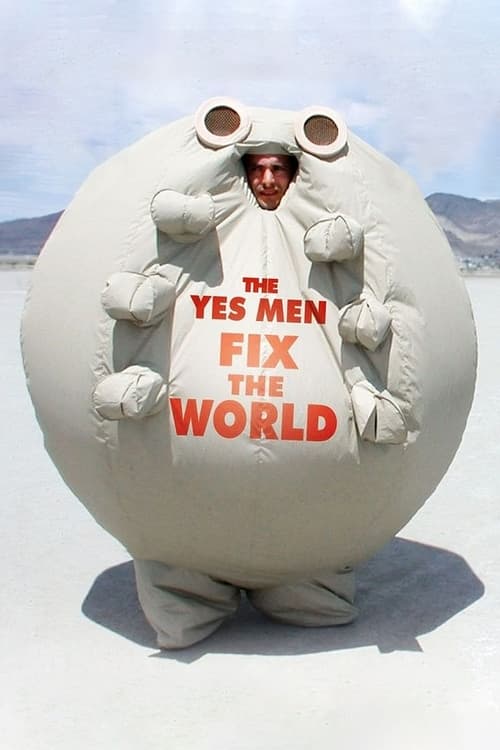
The Yes Men Fix the World2009
Both interrogate how institutions lie through language and spectacle; this one just uses the institution's own tactics turned against it, rather than showing the machinery from outside.
A wildly different approach to the same rage: pranksters impersonate corporate and government institutions to expose their logic and callousness through absurdist mimicry. Proves that anger at manufactured narratives can be funny and still land hard.
But The tonal shift from Schechter's straight-faced evidence to comedy can feel trivializing if you're looking for gravitas about war and death.
More like this (7)
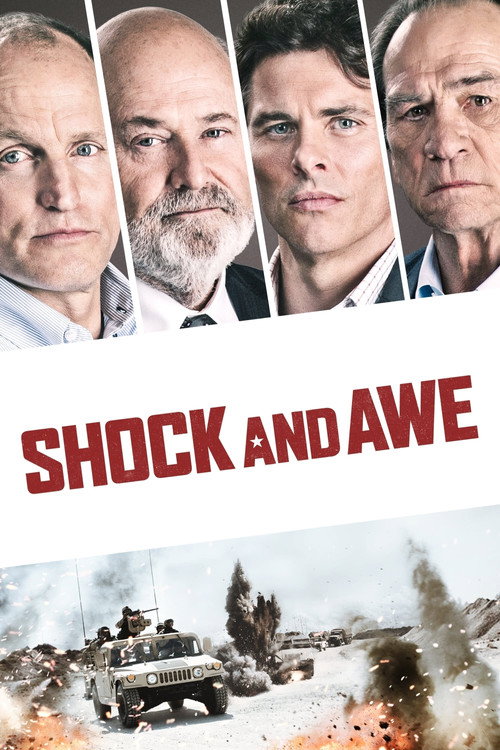
Shock and Awe2017
Rob Reiner's dramatization of Knight Ridder journalists who actually questioned the WMD narrative when everyone else was falling in line. A reminder that institutional resistance was possible, even if rare.
But As drama rather than documentary, it trades some forensic precision for narrative momentum and movie-star casting.
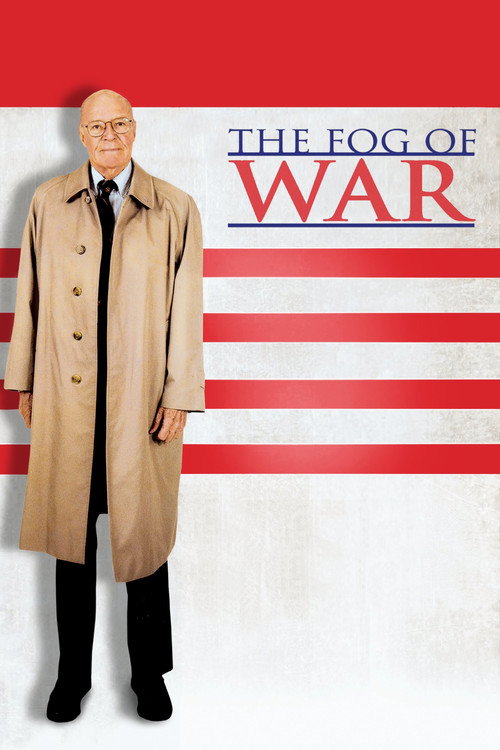
The Fog of War2003
Errol Morris's portrait of Robert McNamara offers a meditation on how intelligent people justify catastrophic decisions. Complements WMD's media criticism with a study of institutional thinking at the top.
But It's more philosophical than investigative, and McNamara's evasions may feel too polite given the stakes.
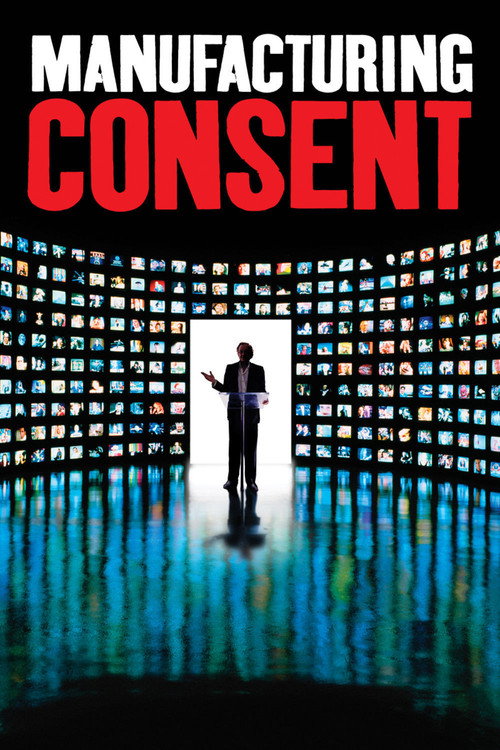
Manufacturing Consent: Noam Chomsky and the Media1992
The foundational text for understanding media as a system of power. Chomsky's framework explains *why* outlets behaved as they did during the Iraq buildup, not just that they did.
But It's from 1992, so Iraq isn't the focus; you'll need to do the translation work yourself to connect theory to Schechter's evidence.
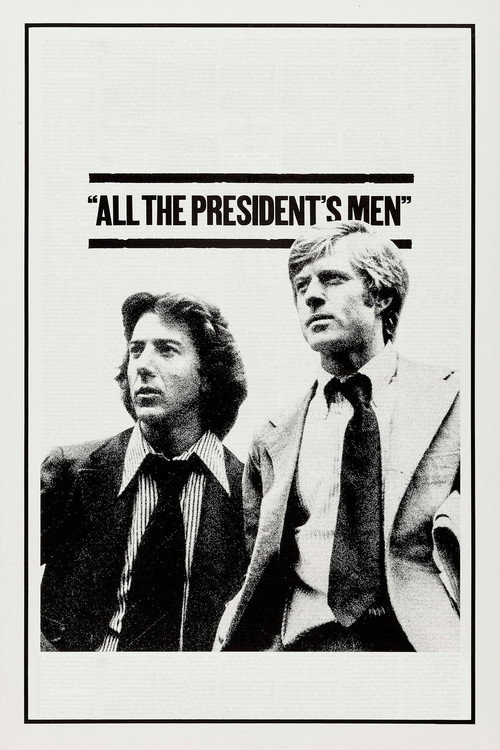
All the President's Men1976
A masterclass in what serious journalism *should* look like—institutional skepticism, verification, and willingness to challenge power. Watching it after WMD stings because you see the template that got abandoned.
But It's a thriller about Watergate, not Iraq, so it can feel like a historical artifact rather than a warning.
Spotlight2015
Another portrait of journalism that refused institutional pressure, this time from the Catholic Church. Shows what institutional accountability *can* look like when editors and reporters hold the line.
But The Iraq War isn't mentioned, so you have to do the work of connecting institutional failure across different domains.

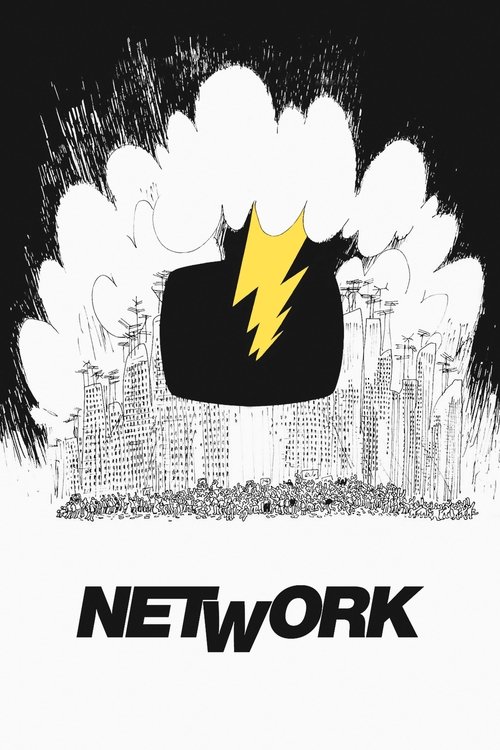
Network1976
Paddy Chayefsky's 1976 satire predicted the marriage of ratings, ideology, and the abandonment of truth that Schechter documents. Darkly funny and prescient about how media becomes spectacle first, information second.
But It's a drama, not an argument, and its cynicism can feel glib when applied to decisions that killed hundreds of thousands.
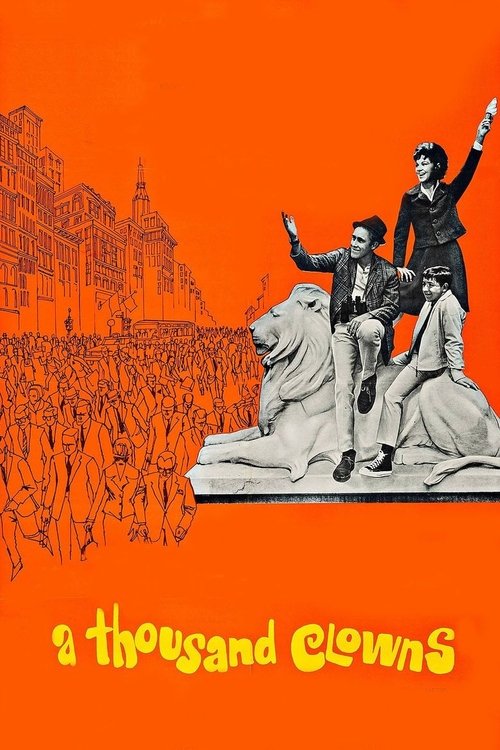
A Thousand Clowns1965
Where WMD shows what happens when journalists *accept* institutional pressure, this shows a character who *refuses* it—the inverse moral arc, same moral question.
A film about a man who drops out of the broadcast media machine—a comedy about someone who refuses to participate in the lies. It's from 1965, so it predates Iraq, but it captures the moral exhaustion of trying to work *inside* institutions you know are corrupt.
But It's a gentle dramedy, not a polemic, so if you want confirmation of your outrage, you won't find it here.
People
Cast
- Peter ArnettSelf
 George W. BushSelf
 Dick CheneySelf
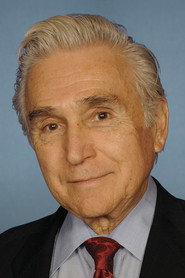 Maurice HincheySelf
- Nicholas JohnsonSelf
- David MarrSelf
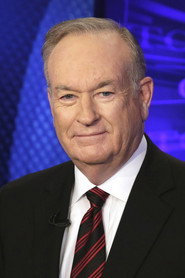 Bill O'ReillySelf
 Dan RatherSelf
 Tim RobbinsSelf
 Donald RumsfeldSelf
Directing
- Danny SchechterDirector
Production
- Anant SinghExecutive Producer
- Barbara KoppleExecutive Producer
- Danny SchechterExecutive Producer
- Anna B. PizarroProducer
- Anna B. PizarroPublicist