
Film
The Creepy Line
A polemic about algorithmic manipulation by Google and Facebook, examining how these platforms shape information flow and public opinion through invisible systems. Briskly argued and visually direct, it's aimed at people concerned about tech power but sceptical of mainstream media coverage. Expect rightward-leaning perspectives and dramatic framing.
Should you watch it?
Watch it if you want a clear-eyed, argument-driven look at how tech platforms might nudge what we see and think, and you enjoy a documentary built around interviews and a stubborn thesis.
Skip it if you want measured, evidence-heavy reporting, since this is a one-sided pitch with a strong point of view and a lot of talking heads reacting to alarming claims.
What it asks of you: Expect a brisk feature-length sitting of about eighty minutes, with a lot of direct-to-camera conversation and argument rather than visual spectacle, so you'll need to stay with the reasoning.
Not sure? Find tonight's pick in a minute.
If you liked this
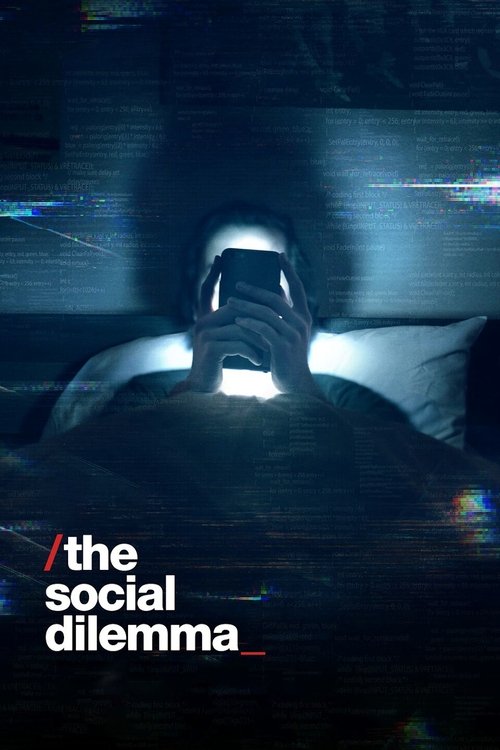
The Social Dilemma2020
Netflix documentary with a broader coalition of tech insiders—former executives from Facebook, Instagram, Twitter—explaining how engagement algorithms hollow out attention and democratic discourse. Slicker production and wider-ranging than its competitors.
But Covers much familiar ground by now. Some solutions offered feel lightweight, and the dramatized sequences with actors undercut the urgency.
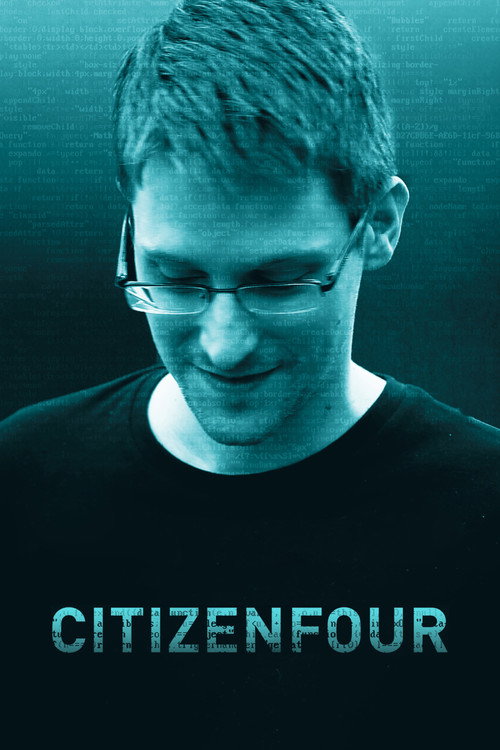
Citizenfour2014
Laura Poitras's Oscar-winning account of Edward Snowden's NSA revelations: granular, tense, and built from primary material. A model for how to document institutional power without editorialising.
But Dense and procedural; if you want speed and clarity over complexity, it can feel slow. Demands active attention.
All Watched Over by Machines of Loving Grace2011
Adam Curtis's three-part essay on how tech utopianism and biological determinism tangled together to shape modern life. Hallucinatory, dense, furiously intelligent. Changes how you see Silicon Valley mythology.
But Genuinely difficult to follow on first watch. Curtis's argumentative leaps feel wilful sometimes. Not for passive viewers.
Not sure tonight? Get a pick in a minute, starting from The Creepy Line
The wildcard
Something you would not have found on your own.
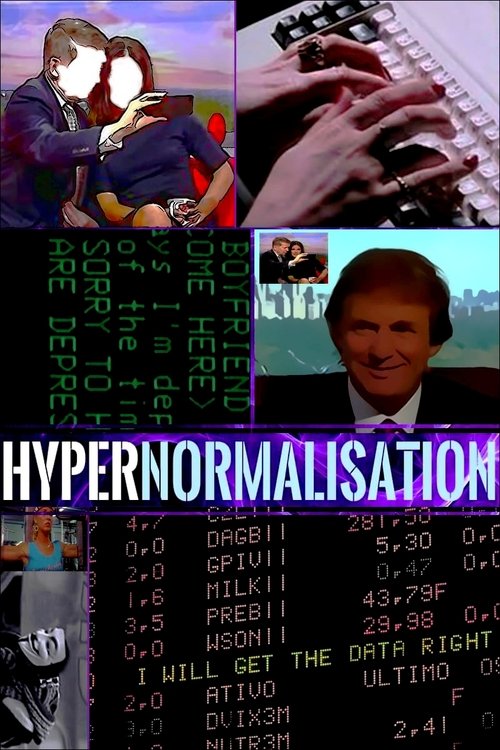
HyperNormalisation2016
Both diagnose manipulation, but Curtis argues we've become *complicit* in it—not victims of malice but symptoms of a larger system we've normalized. Where The Creepy Line treats tech as the culprit, Curtis treats it as evidence of something already broken in how we relate to reality.
Adam Curtis's feature-length essay on how we've learned to accept chaos and contradiction as normal—how reality became too complex for us to oppose. Frames surveillance and algorithmic power as symptoms of surrender rather than technical problems. Hypnotic, apocalyptic, unsettling in ways no straight polemic achieves.
But Genuinely bleak and offers no solutions. The editing is intentionally disorienting. Requires real patience and surrendering to Curtis's logic rather than debating it.
More like this (4)
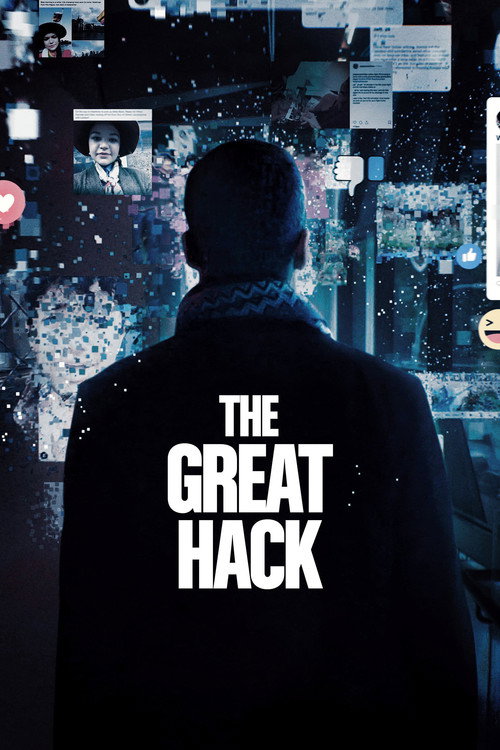
The Great Hack2019
Focus on Cambridge Analytica's data-harvesting in the 2016 election and Brexit. Concrete cases, real people wronged, and a compelling central mystery. Easier to follow than most tech documentaries.
But Sensationalized editing and some victims' accounts feel performed. Offers fewer answers than its confidence suggests.
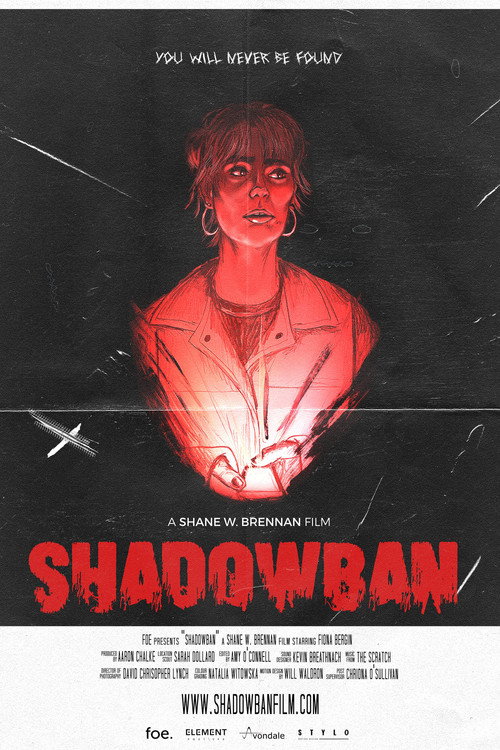
Shadowban2022
Micro-documentary about TikTok's algorithmic suppression of marginalized creators. Precise, urgent, and short enough to feel like an urgent transmission rather than a lecture.
But Very narrow focus. If you want broader tech critique, this zooms in on one problem. Some repetition in testimonies.
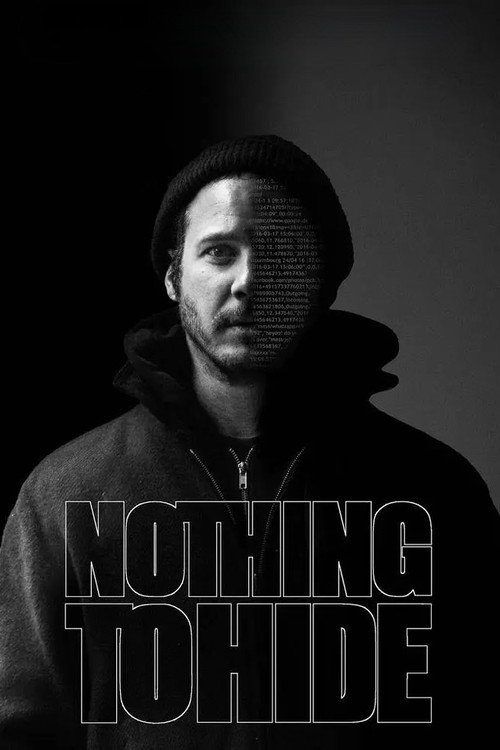
Nothing to Hide2017
German documentary exploring surveillance through the famous 'nothing to hide' argument. Thoughtful, intimate interviews with ordinary people and thinkers; avoids hysteria while making stakes clear.
But Slower rhythm. Subtitled. Won't satisfy anyone wanting bombshells or confrontation.
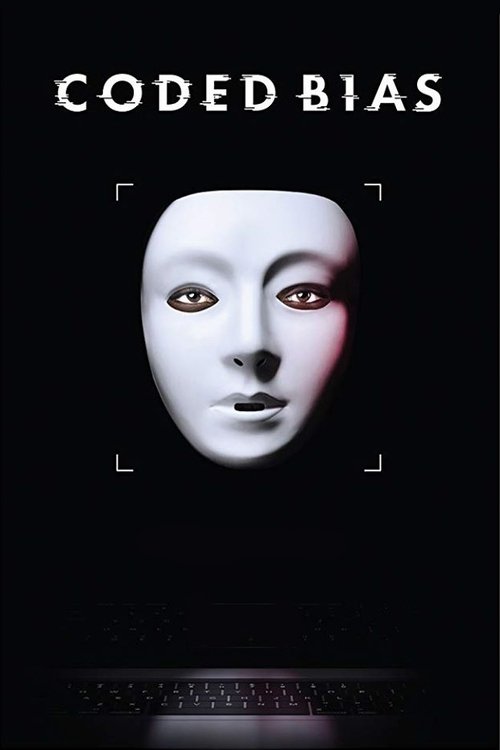
Coded Bias2020
MIT Media Lab researcher investigates algorithmic bias in facial recognition and AI systems. Data-driven and human-centred; shows how mathematical neutrality is a myth.
But Technical at moments. Some solutions sketched feel optimistic given the scale of the problem. Academic pacing.
People
Cast
 Jordan B. PetersonJordan B. Peterson
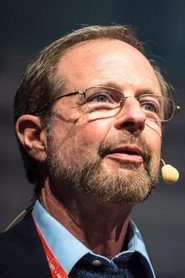 Robert EpsteinDr. Robert Epstein

Directing
- M.A. TaylorDirector
Writing
- M.A. TaylorWriter
- Peter SchweizerWriter
Production
- Eric EggersProducer
- Michelle TaylorProducer
- Peter SchweizerProducer