
Television series
All Watched Over by Machines of Loving Grace
Adam Curtis's three-part essay argues that digital networks and algorithmic thinking have colonised our minds without our noticing. Each film traces how computers promised liberation but delivered invisible control, from counterculture to finance to nature itself. It's hypnotic, paranoid, demanding—a masterclass in documentary as argument, not reportage.
Should you watch it?
Watch it if you enjoy an argumentative documentary essay that stitches old archive footage into a sharp, sceptical argument about how we came to trust the machines around us.
Skip it if you want a calm, explanatory history that stays neutral; the presenter's voice is insistent, the editing relentless, and the argument often runs ahead of the evidence.
What it asks of you: Three hour-long parts of dense narration over rapid archive cuts, so it rewards sustained attention and will wear on you if you drift.
Not sure? Find tonight's pick in a minute.
If you liked this
The Power of Nightmares: The Rise of the Politics of Fear2004
Curtis's earlier trilogy showing how political fear was manufactured in the post-Cold War era. Same penetrating style, same archival brilliance, same sense of being shown how the world actually works behind the curtain.
But Three hours long and deliberately paced. If you want answers wrapped up neatly, Curtis refuses to provide them—he leaves you unsettled.

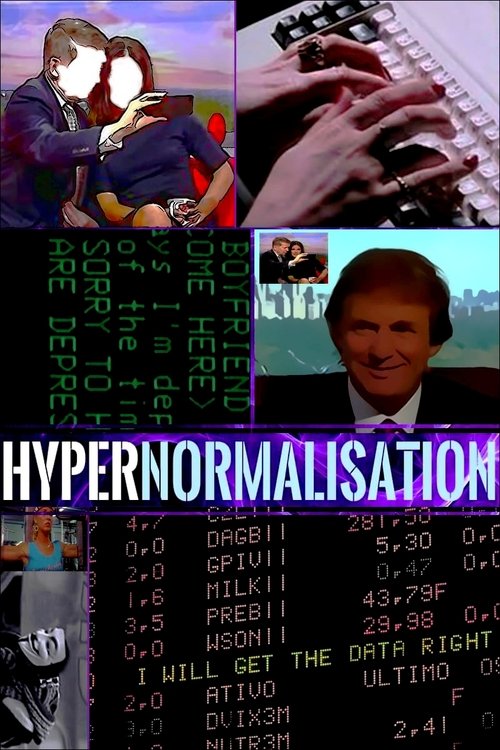
HyperNormalisation2016
Curtis's follow-up that deepens the argument: how digital networks created a world so complex we stopped trying to understand it and just accepted a false reality. Essential viewing after Machines, the natural next step.
But Even more apocalyptic in tone. The editing is deliberately disorienting. Some find it exhausting rather than enlightening.
Requiem for the American Dream2015
Noam Chomsky laying out how concentrated power shapes society through invisible systems. Different medium, same intellectual firepower. Complements Curtis's argument about control with a focus on economics and politics.
But Chomsky's voice and manner won't appeal to everyone. It's lecture-based rather than cinematically propulsive like Curtis's work.

Not sure tonight? Get a pick in a minute, starting from All Watched Over by Machines of Loving Grace
The wildcard
Something you would not have found on your own.
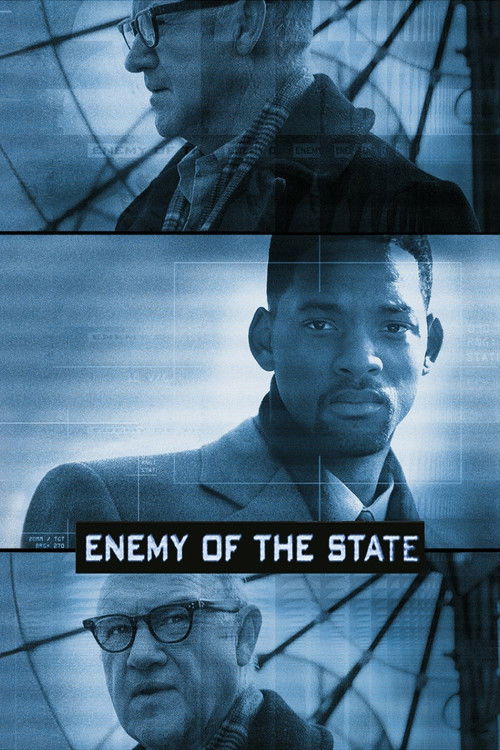
Enemy of the State1998
Both examine how networked systems of surveillance and data become instruments of control that work precisely because ordinary people don't notice them operating.
A genre thriller that dramatises Curtis's actual argument: surveillance, algorithmic tracking, and institutional invisibility turning a man into a hunted target. Hollywood action film as a documentary about systems nobody sees.
But The action-movie framing and 90s tech aesthetic feel dated. It trades intellectual rigour for plot momentum. Some will see it as silly rather than prophetic.
More like this (5)
The Century of the Self2002
Curtis's most famous work: how Freudian psychology was weaponised to manufacture consent and desire in the 20th century. The template for everything he'd do after, showing how hidden forces shape behaviour.
But Older and less visually refined than Machines. The argument feels dated in places—some of the psychology has been questioned. Watch it anyway.
The Social Dilemma2020
A more accessible investigation of algorithmic control and tech company manipulation. Newer perspective on the same colonisation Curtis identified, with tech insiders admitting the stakes.
But Often dismissed by Curtis fans as pop culture simplification. The dramatised scenes feel unnecessary and cheapen the argument.
Network1976
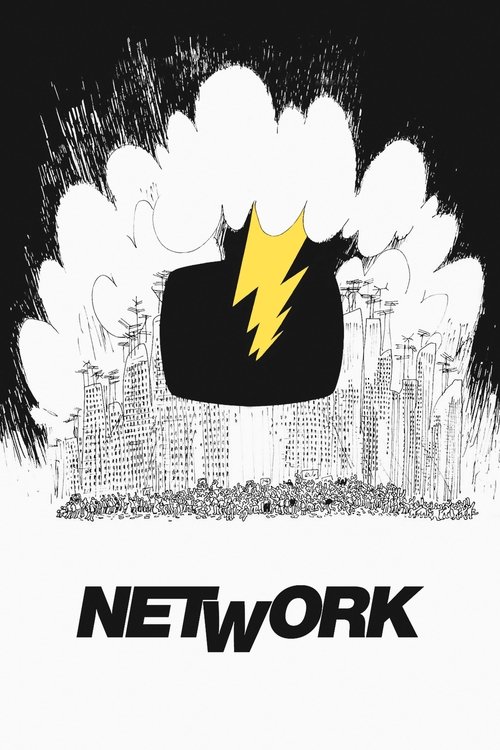
Paddy Chayefsky's savage satire about how media systems and ratings chase control human emotion and behaviour. Prophetic about the machinery of modern consciousness—Curtis's argument in fictional form.
But A drama, not a documentary. Feels very 70s. The satire can tip into melodrama, which might seem lighter than Curtis's tone.
Better Late Than Never2016
Curtis again, examining how Western misunderstanding of Afghanistan created a feedback loop of failed interventions—how systems of knowledge become systems of control. Tighter and more focused than Machines.
But Deeply pessimistic about Western foreign policy. Some find it one-sided. Very dense; you need to concentrate hard.

Come and See1985
Where Curtis shows how control systems colonise thought invisibly, Elem Klimov shows the same machinery made flesh and blood—the end point when those systems encounter human reality.
A brutal, immersive film about war that shows—doesn't explain—how systems and machines reduce humans to casualties. The most visceral possible argument against technological determinism and the logic that enables atrocity.
But Extraordinarily difficult to watch. Not an essay; pure nightmare. Some viewers find it exploitative rather than illuminating. It will upset you.

People
Cast
 Adam CurtisPresenter
Production
- Dominic Crossley-HollandExecutive Producer
- Lucy KelsallProducer
Recommended by
Lo and Behold: Reveries of the Connected World, The Power of Nightmares: The Rise of the Politics of Fear, Pandora's Box, The Trap: What Happened to Our Dream of Freedom, The Facebook Dilemma, The Creepy Line