
Television series
Pandora's Box
Other titles called Pandora's Box: the 1929 film.
Adam Curtis's six-part essay on the unintended chaos wrought by rational planning. Using archive film, interviews, and his distinctive narration, Curtis traces how technocrats and politicians tried to engineer perfect systems—and ended up making the world stranger and more dangerous. Hypnotic, troubling, essential viewing for anyone who wants to understand how we got here.
If you liked this
The Century of the Self2002
Curtis's four-part follow-up exploring how Freudian psychology shaped consumerism and political manipulation. If Pandora's Box got you thinking, this deepens the argument with the same archival brilliance and more intimate personal stories at its core.
But It's four hours of dense argument with no traditional narrative. The pacing can feel glacial, and some will find Curtis's narration portentous rather than compelling.
HyperNormalisation2016
Curtis's three-part investigation of how we learned to accept the absurd as normal. Syria, Putin, the financial crisis, social media—all part of the same broken system. Feels urgently contemporary even now.
But Can feel overwhelming and deliberately bleak. Curtis doesn't offer solutions, only explanations, and for some that will feel defeatist.
All Watched Over by Machines of Loving Grace2011
Three episodes exploring how technology promised liberation but delivered control. Curtis at his most visually inventive, combining nature documentaries with political history in genuinely unsettling ways.
But The connection between segments sometimes feels tenuous. It rewards patient watching but can frustrate anyone wanting a clearer argument.
Not sure tonight? Get a pick in a minute, starting from Pandora's Box
The wildcard
Something you would not have found on your own.
The Shock Doctrine2009
Both trace how idealistic systems (rationalism, free-market theory) were imposed on populations with catastrophic, unintended results. Both ask: who benefits?
Naomi Klein's film adaptation of her book on how disaster capitalism exploits crises. Same DNA as Pandora's Box—how grand theories produce chaos—but anchored in specific economic policy and its human cost. Furious and galvanizing.
But Explicitly political argument, not neutral observation. Some will feel lectured rather than shown. Covers a lot of ground, so connections sometimes feel compressed.
More like this (5)
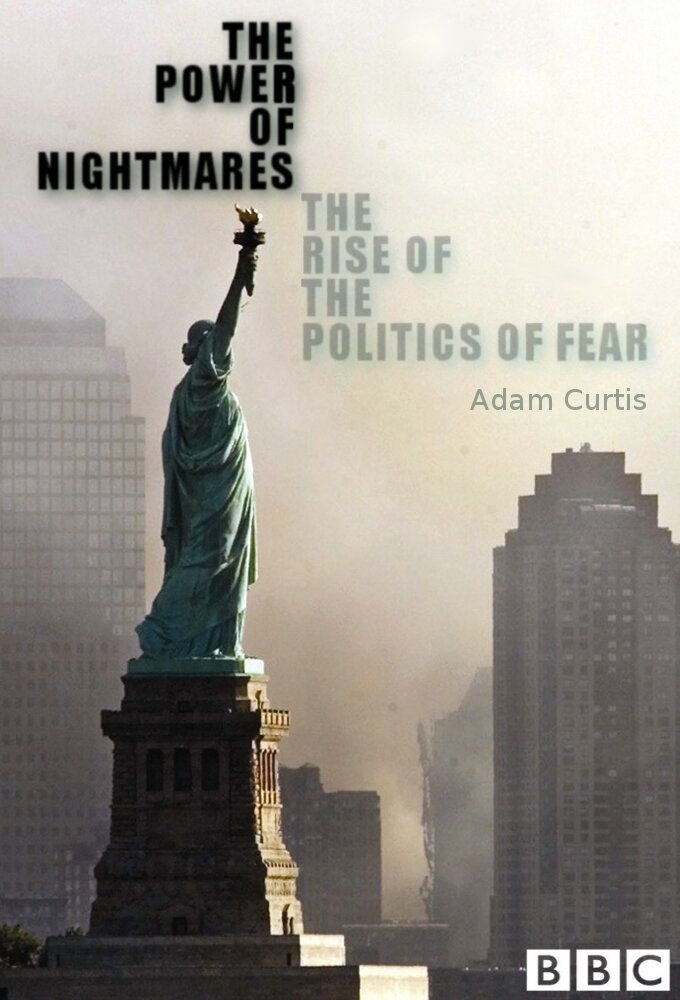
The Power of Nightmares: The Rise of the Politics of Fear2004
A three-part reconsideration of the War on Terror that influenced a generation's political thinking. Shows how fear, not evidence, shaped policy after 9/11. Urgent and clarifying.
But Some will feel it's too revisionist about terrorism's real dangers. Dense archive work may feel slow to those wanting faster-paced documentary.
Better Late Than Never2016
Curtis's account of Afghanistan's role in Cold War geopolitics and its aftermath. Dense but stunning—connects dots between oil, ideology, and empire in ways mainstream media never will.
But Nearly three hours, heavily archival, and the argument requires real concentration. Not beginner Curtis.
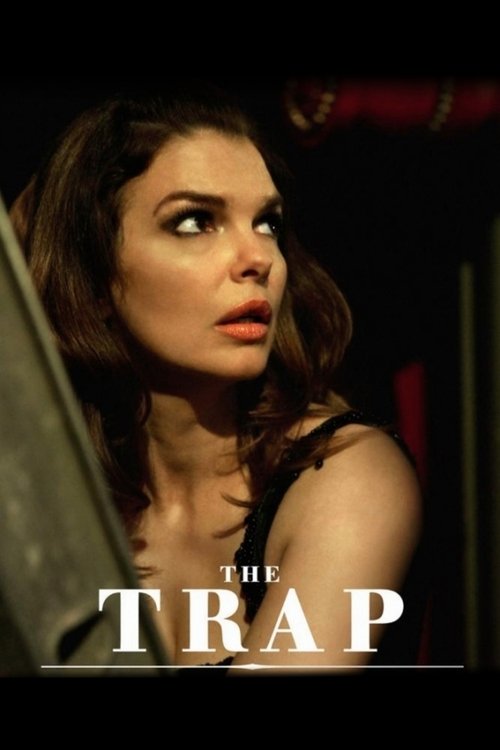
The Trap2007
A three-part critique of game theory and rational choice theory as they colonized politics and relationships. Intellectually thrilling, with real-world consequences that still matter.
But Heavy on theory and archive, light on conventional narrative momentum. The academic foundations might feel abstract.
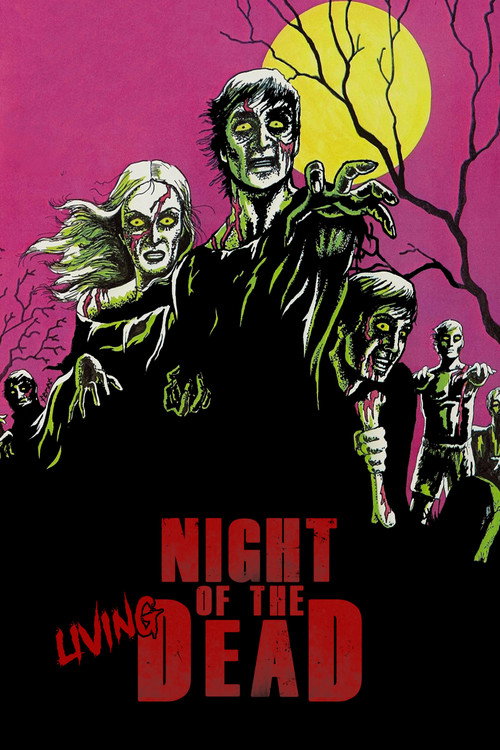
Night of the Living Dead1968
Curtis on how the Soviet Union's collapse left the West without a clear enemy, so we invented new threats. A bridge between Cold War logic and modern paranoia.
But Among his less focused works. The argument sprawls and doesn't always cohere, even by Curtis's rambling standards.
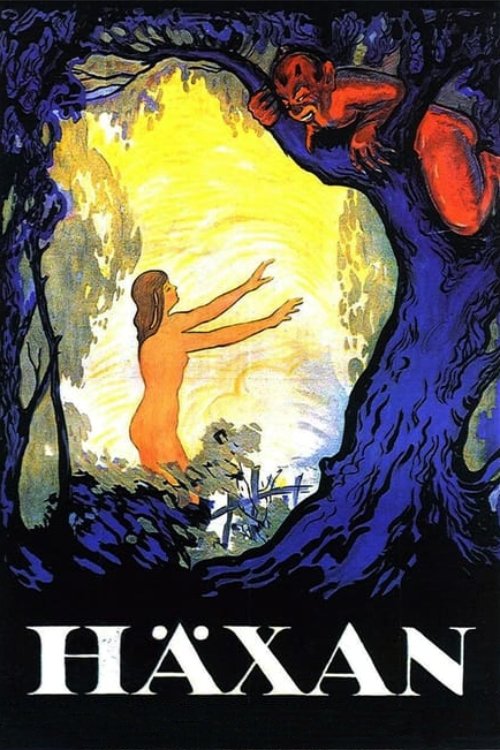
Häxan1922
Like Curtis, Häxan shows how rational authority figures imposed order on the world by defining ordinary people as threats. Both argue that 'explanations' can be more dangerous than mysteries.
A Swedish silent film presenting witch hunts as the result of ignorance, fear, and misdiagnosis of mental illness. Startlingly modern in its skepticism toward received authority. Visually hallucinatory and genuinely unsettling.
But Silent film with intertitles requires patience. The film's own framing occasionally feels paternalistic by modern standards. Very deliberately weird.
People
Production
- Edward MirzoeffExecutive Producer
- Adam CurtisProducer