
Film
The Trap
Other titles called The Trap: the 1966 film, the 2015 film, the 2023 film.
A taut 20-minute thriller about a woman whose surprise birthday party conceals something far darker. Shot with real precision on a tight budget, it builds dread through misdirection and the slow realization that her closest friends may not be who she thinks. Lean, efficient filmmaking for anyone who loves short-form suspense that doesn't waste a second.
If you liked this
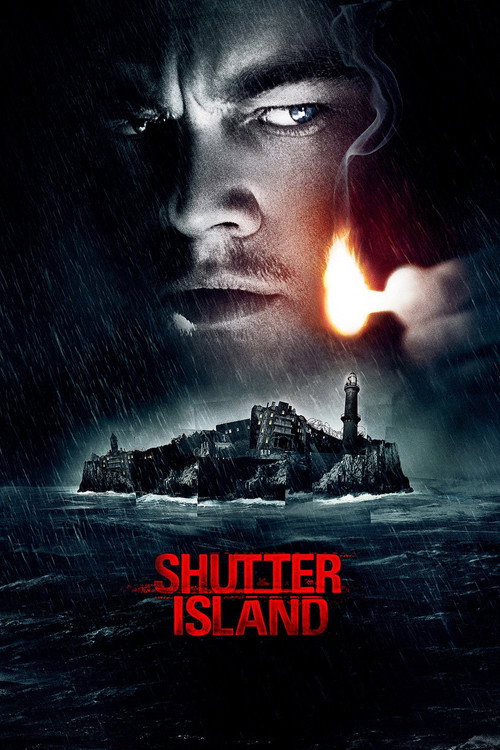
Shutter Island2010
A psychological thriller that similarly uses misdirection and the unreliability of perception to trap you alongside the protagonist. Delivers the same gut-punch twist that recontextualizes everything you've watched.
But Dense, heavy, and deliberately disorienting—some find it more puzzle box than character study.
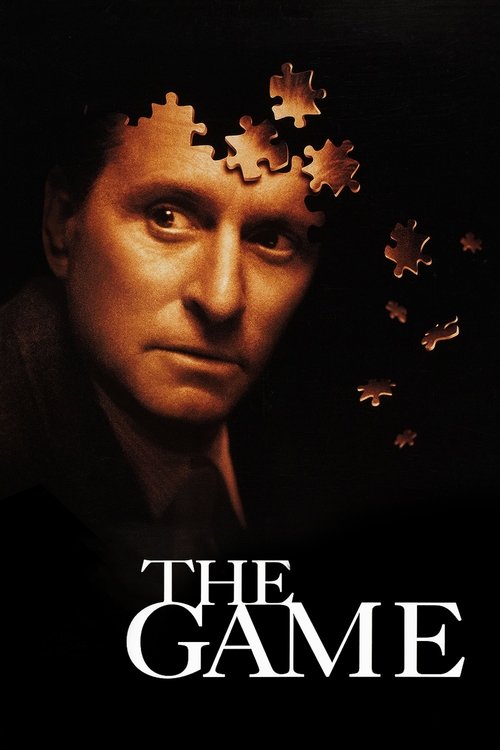
The Game1997
Fincher's masterclass in paranoia and audience manipulation. Like The Trap, it treats the thriller mechanics as a tool to examine trust, control, and what we think we know about the people closest to us.
But The setup can feel contrived on first viewing, and some find the tone wobbles between thriller and satire.
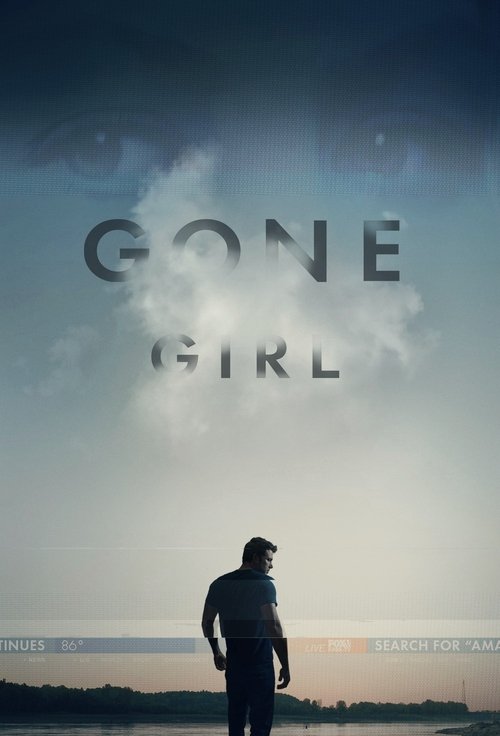
Gone Girl2014
Explores how deception and secrets corrode intimate relationships. Builds tension through careful reveals that make you second-guess everyone, mirroring The Trap's core unease about who your friends really are.
But Deliberately cold and misanthropic—there's no one to root for, which some viewers find exhausting rather than thrilling.
Not sure tonight? Get a pick in a minute, starting from The Trap
The wildcard
Something you would not have found on your own.
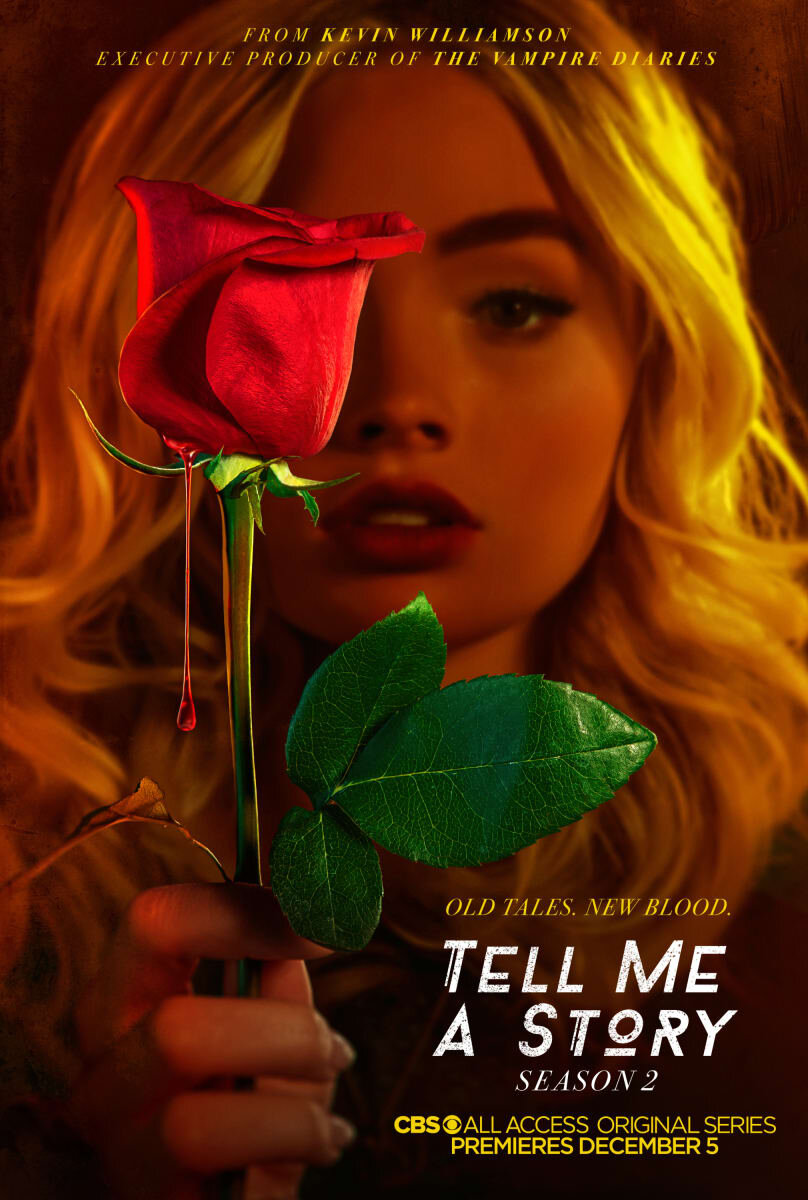
Tell Me a Story2018
Both use the familiar (a birthday party, a bedtime story) as the container for something genuinely sinister. The horror emerges not from jump scares but from the slow realization that intimacy itself can be the trap.
A serialized psychological thriller that uses fairy tales as a template for real modern horror—deception, entrapment, and the dark side of familiar relationships. Each episode peels back another layer of what you thought was true.
But Uneven season-to-season, and the fairy-tale framing can feel heavy-handed if you're not with the concept.
More like this (8)
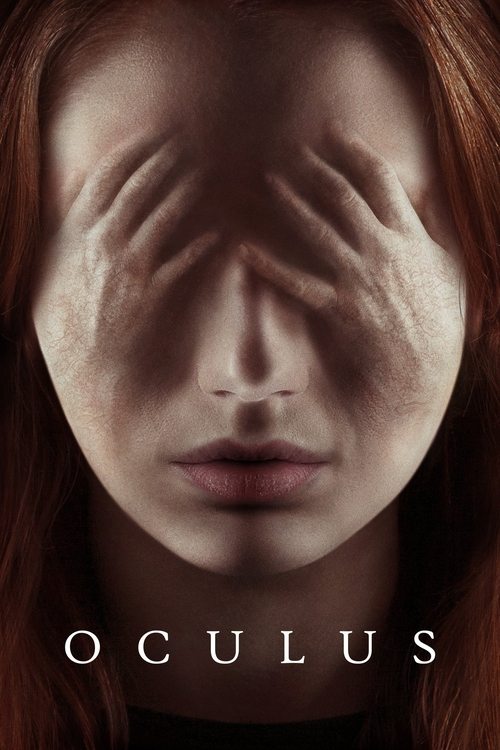
Oculus2014
Another efficient, ambitious short-form thriller idea (expanded to feature length). Traps its protagonist in a reality she can't trust, forcing her—and us—to question what's real in real time.
But Relies heavily on jump scares and can feel repetitive once you clock the structure.
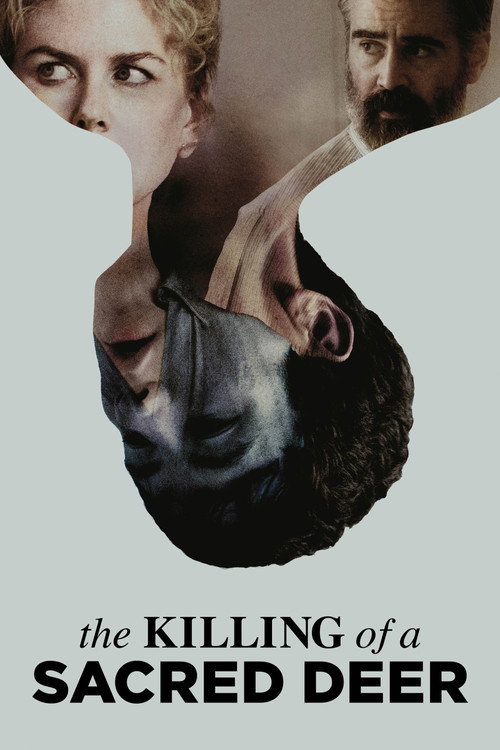
The Killing of a Sacred Deer2017
A slow-burn psychological thriller about a man trapped by his own buried guilt and the way it metastasizes through his relationships. Builds dread through courtesy and polite horror rather than violence.
But Deliberately paced and deeply uncomfortable; the genre trappings serve an almost Greek-tragedy bleakness that some find glacial.
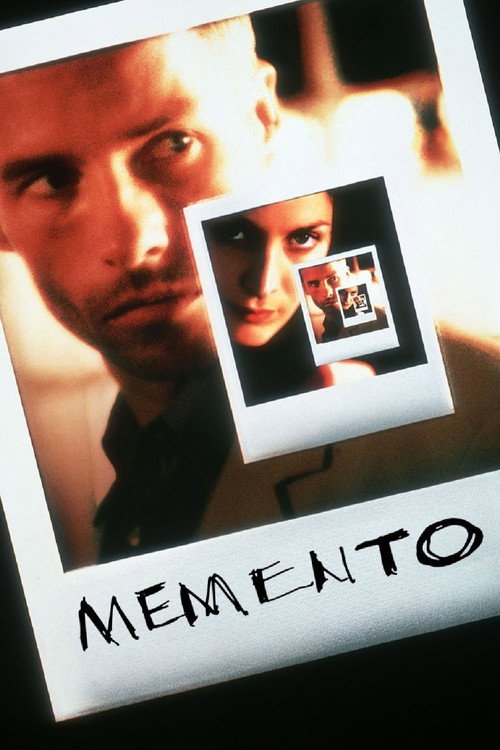
Memento2000
Uses structural trickery—non-linear narrative, unreliable memory—to make you complicit in the protagonist's confusion. The final twist doesn't just reframe the plot; it questions your own judgment as a viewer.
But The gimmick can overwhelm character, and the reverse chronology feels more clever than emotionally resonant to some.
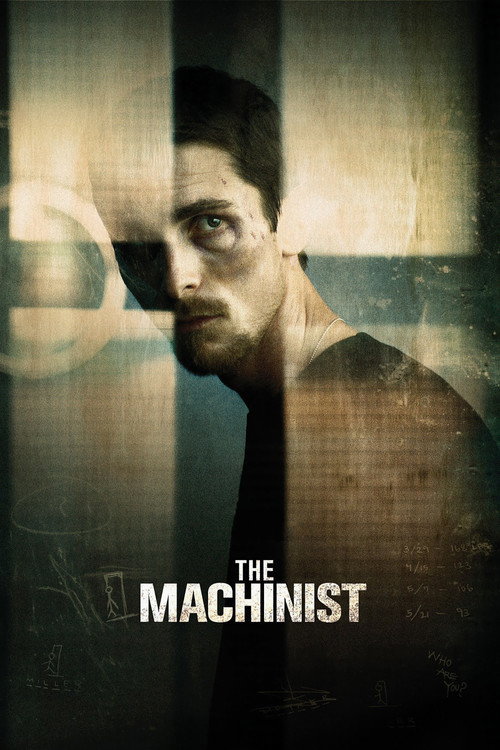
The Machinist2004
Intimate, unsettling portrait of a man whose guilt and paranoia have become indistinguishable from reality. Built on atmosphere and the deterioration of trust more than plot mechanics.
But Punishingly bleak and slow; Christian Bale's extreme weight loss can be difficult to watch without context.
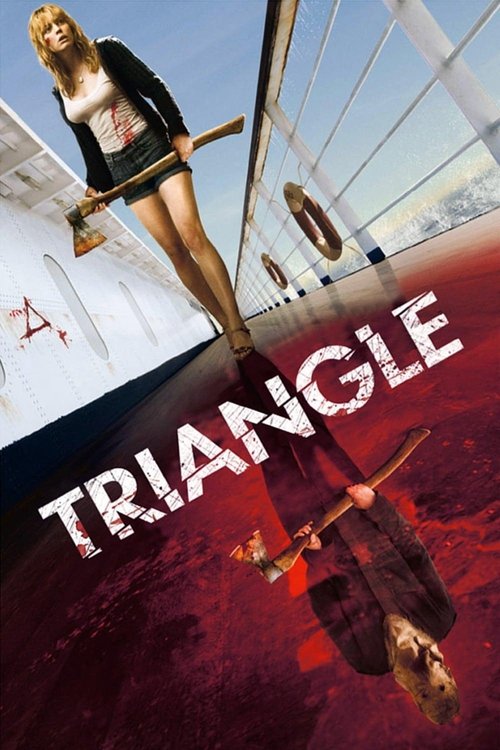
Triangle2009
A trapped-in-a-loop psychological thriller that earns its repetition. Builds genuine dread through escalating revelation, making earlier scenes unbearable once you understand what's happening.
But The premise takes patience to pay off, and some find the circular structure more conceptual than satisfying.
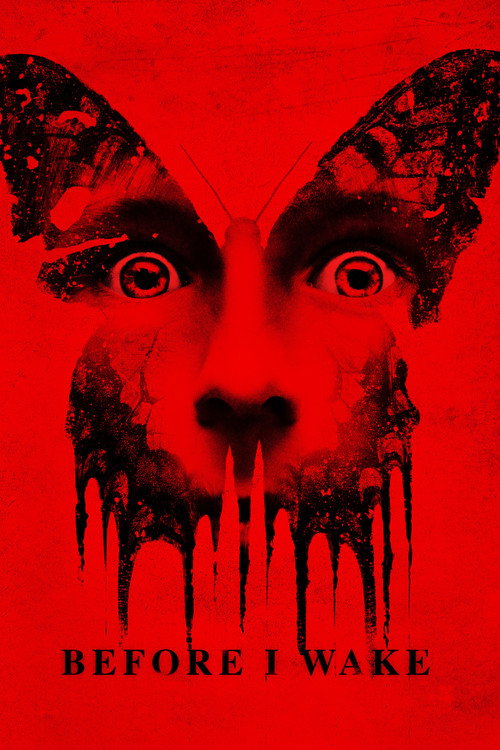
Before I Wake2016
A quieter thriller that slowly reveals the horror beneath a domestic setup. Mines tension from what isn't said, from the gap between how things appear and what's actually true in a marriage.
But Shifts tone partway through and some imagery feels more gothic horror than domestic thriller—tonal whiplash for some viewers.
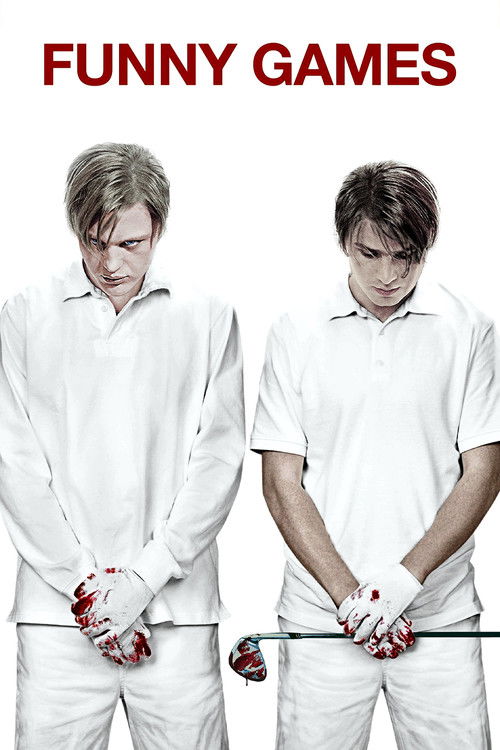
Funny Games2008
Both understand that the worst horror isn't sudden violence—it's the slow understanding that the people you trust have set a trap for you. The Trap achieves this through misdirection; Funny Games achieves it through unflinching aggression. Opposite approaches to the same terror.
Haneke's acid remake of his own 1997 film—a brutal, meta examination of why we watch violence. Two young men terrorize a family in real time, but the real subject is the audience's complicity and comfort with cruelty as entertainment.
But Deliberately punishing and uncomfortable. It's a critique of thriller audiences, not a thriller for them. Some see it as self-righteous and alienating rather than enlightening.
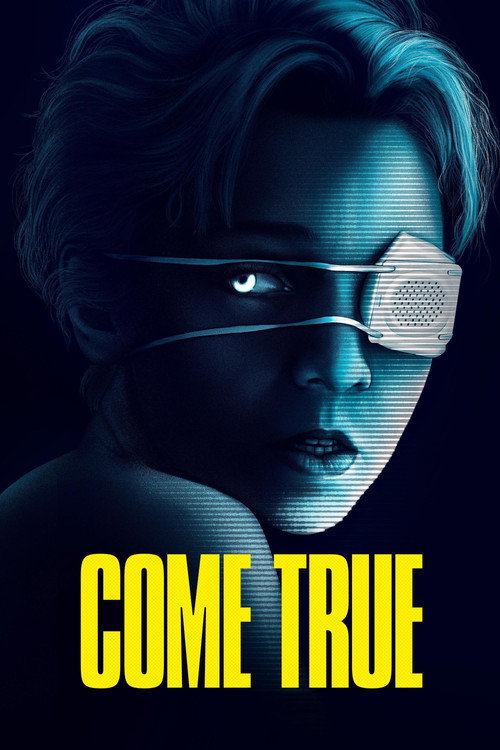
Come True2020
Both are lean, efficient pieces that prioritize atmosphere over exposition. Both trap their protagonist (and audience) in situations where the rules keep shifting and nothing feels safe. The Trap does it through social deception; Come True does it through altered states and the unreliability of consciousness. Different prisons, same claustrophobia.
A science-fiction thriller about a teenage girl who volunteers for a sleep study that spirals into something incomprehensible and horrifying. Gorgeous, dreamlike cinematography paired with genuine creeping dread—the opposite of glossy indie horror.
But The plot is deliberately vague and the ending is ambiguous in ways some find frustrating. It's more mood and texture than narrative clarity.
People
Cast
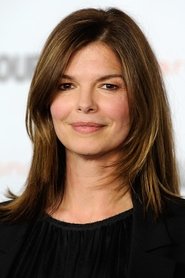 Jeanne TripplehornMaggie
- Gregory ButlerOberon
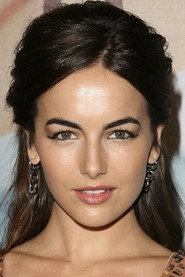 Camilla BelleHermia
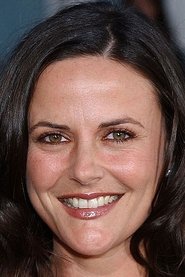 Gia CaridesClara
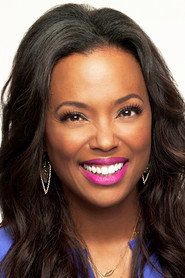 Aisha TylerAngela
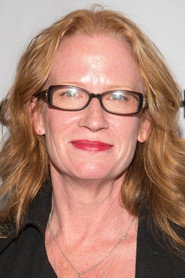 Johanna DayToni
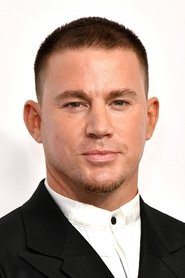 Channing TatumGreg
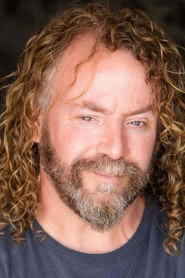 Ray PorterFlasher
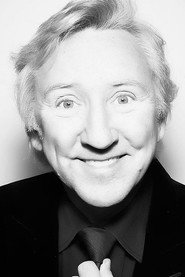 Ray PiercePro Trapeze Artist / Catcher
Directing
- Rita WilsonDirector
Writing
- Anna FrickeWriter
Production
- Randi HillerCasting
- Sarah Halley FinnCasting
- Francesca SilvestriProducer
- Kevin ChinoyProducer