
Film
Print the Legend
Print the Legend captures the collision of hype, innovation, and ideology in 3D printing's early days. It's a portrait of competing visions—entrepreneurs chasing utopia or profit, hackers believing in disruption, regulators scrambling to keep up. Sharp, sometimes funny, essential viewing for anyone who wants to understand how technology myths get made.
Should you watch it?
Watch it if you are curious about how a scrappy, garage-born technology gets pushed toward the mainstream, and you enjoy watching startup founders argue over money, hype and ideals in a documentary that feels like it was shot in the middle of the fight.
Skip it if you want a tidy, expert-led explainer with clear answers, since this runs on the messy energy of rival companies and bold predictions rather than settled conclusions about where the technology is heading.
What it asks of you: It runs about a hundred minutes and stays brisk, moving between workshops and boardrooms, so it rewards steady attention more than patient, lingering observation.
Not sure? Find tonight's pick in a minute.
If you liked this
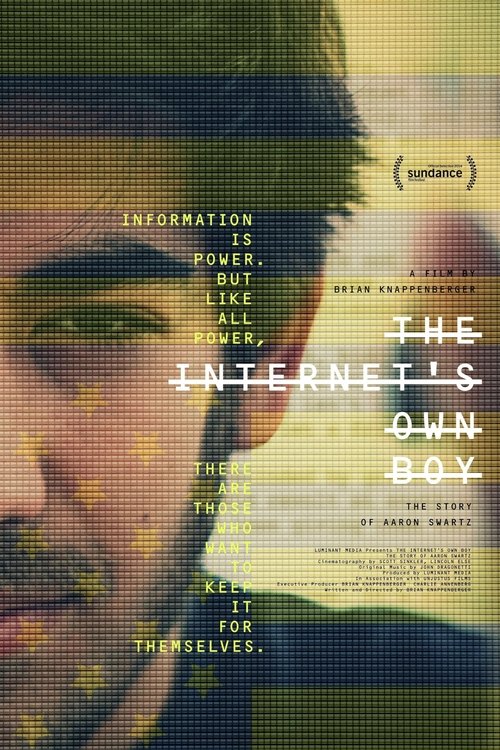
The Internet's Own Boy: The Story of Aaron Swartz2014
A sympathetic portrait of a brilliant idealist who believed technology could liberate information and democratize knowledge. Shares Print's interest in how visionaries clash with power structures and law.
But Heavy subject matter—Swartz's depression and suicide cast a shadow over the film's second half. Requires patience with technical concepts and courtroom procedure.
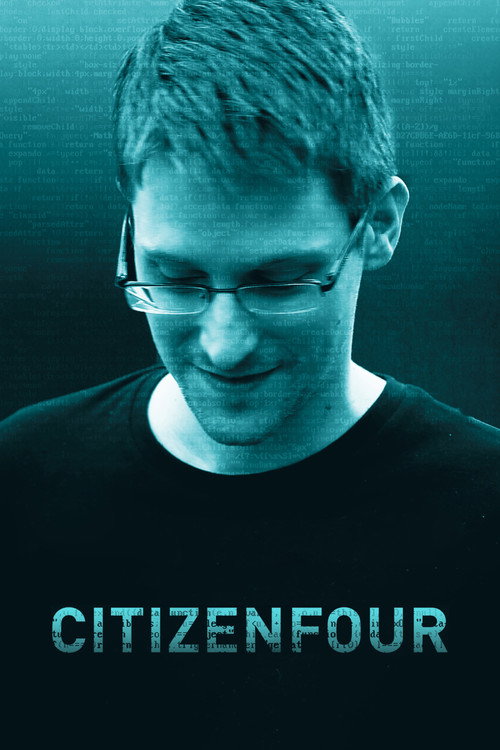
Citizenfour2014
Laura Poitras documents Edward Snowden's revelations in real time, capturing the moment a lone person tries to change what's possible through technology and disclosure. Tense, morally urgent.
But Can feel like a thriller in the worst way—paranoia, phone checks, hotel rooms. Some find the pacing slow or the stakes abstract until they suddenly become visceral.
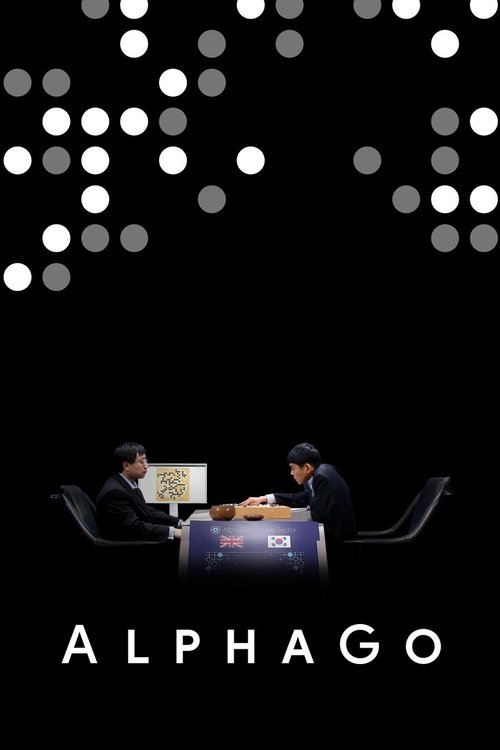
AlphaGo2017
Beautifully made documentary about DeepMind's neural network learning to play Go. Documents that threshold moment when AI stopped being theoretical—a story about hubris, brilliance, and the fear of obsolescence.
But You need to care about Go or AI to feel the stakes. If neither registers, it's just clever people staring at screens.
Not sure tonight? Get a pick in a minute, starting from Print the Legend
The wildcard
Something you would not have found on your own.
Pumzi2009
Both explore the myth we tell about technology—Print shows the hype cycle of 3D printing; Pumzi imagines the ruins when those promises collapse. They're opposite ends of the same story.
A speculative fiction short (18 minutes) set in a post-apocalyptic Africa where water is currency and memory is contraband. Gorgeous, haunting, asks what gets lost when technology fails or becomes weaponized.
But Very short, very strange, deliberately oblique. If you want plot clarity or feel-good endings, this isn't it.

More like this (6)
Terms and Conditions May Apply2013
Dark comedy about surveillance, data harvesting, and the false choice between using technology and surrendering privacy. Funny, infuriating, and uncomfortably relevant.
But Argues a position hard enough to feel preachy. If you've already made peace with your digital footprint, the film's anger might bounce off you.

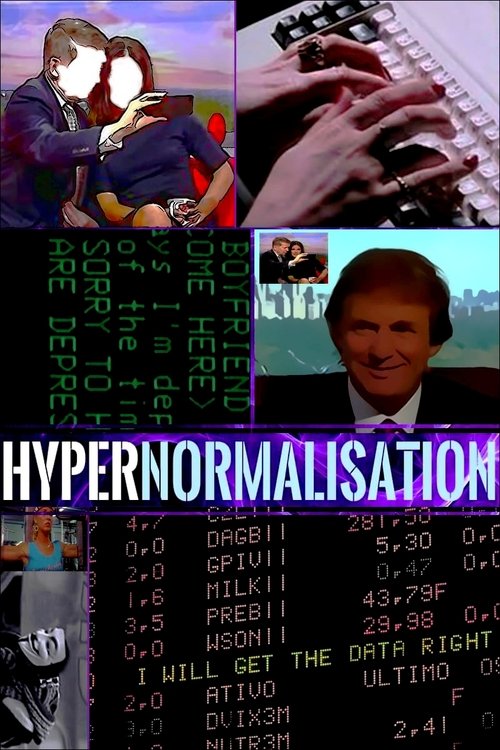
HyperNormalisation2016
Adam Curtis traces how technology, power, and narrative have converged to create a world where we accept chaos as inevitable. Dizzying, intellectually ambitious, visually arresting.
But Famously dense and difficult. Curtis connects dots across decades; if you're not following the argument, it feels like a two-and-a-half-hour montage.
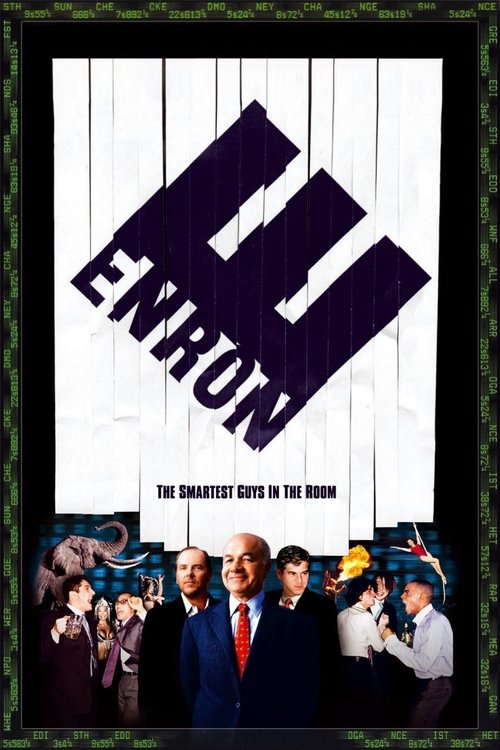
Enron: The Smartest Guys in the Room2005
How brilliant technologists and financiers can rationalize catastrophe. The arrogance, the certainty, the belief they're remaking the world—parallels Print's more cautionary notes.
But Watching intelligent people commit fraud is depressing. The film is angry in ways that don't always feel satisfying.
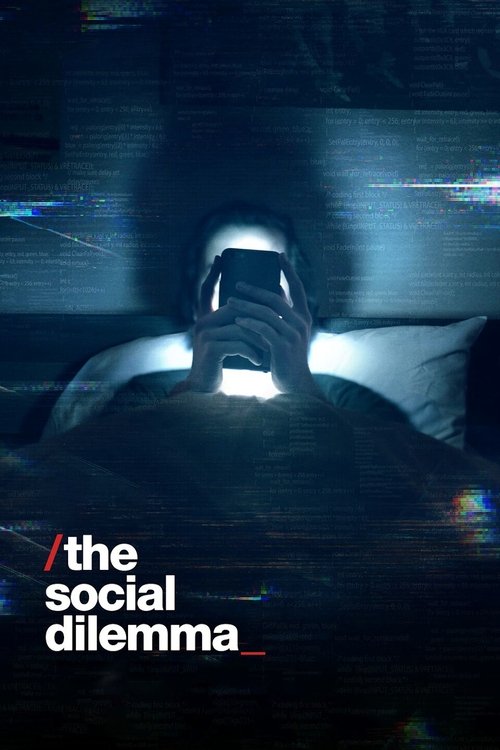
The Social Dilemma2020
Silicon Valley insiders explain how platforms became addictive engines designed to capture attention. Direct, accessible, and asks the moral questions Print's subjects rarely do.
But Feels like a TED talk sometimes. The dramatized sequences are clunky, and the film preaches to people already worried about their phones.
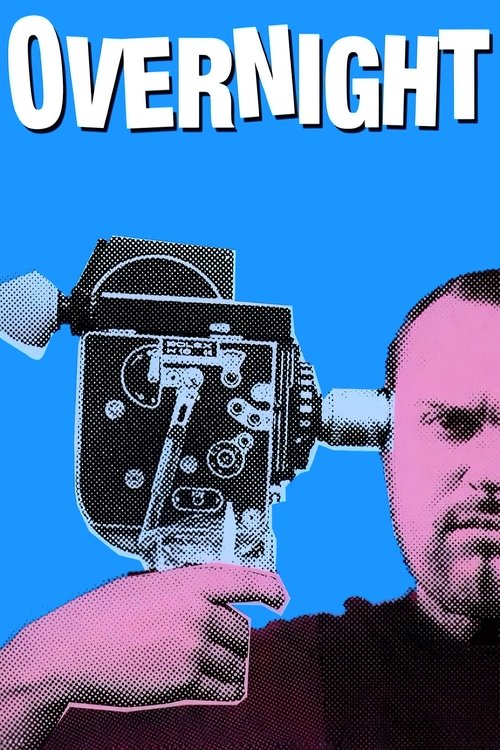
Overnight2003
Print profiles entrepreneurs with utopian visions; Overnight profiles an artist convinced he's a genius. Both are about charisma and the people around someone convinced they're changing everything—except Overnight doesn't let you look away from how it actually ends.
A doc following the making and unmaking of an indie film by a visionary who believes his own mythology. Hypnotic tragedy about ego, ambition, and the gap between vision and execution.
But Watching someone's delusions and entitlement in real time is uncomfortable. You may finish it angry at the subject and unsure if the filmmaker is sympathetic or cruel.
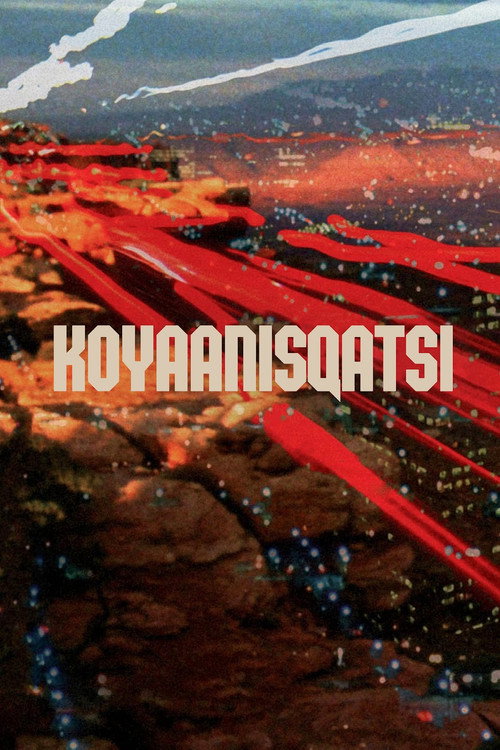
Koyaanisqatsi1983
Print asks who will make the future; Koyaanisqatsi shows the unintended consequences of the ones who already did. One is an argument; the other is a scream. Together they're a conversation about progress.
A wordless, hypnotic hour-plus meditation on technology and nature in collision. No plot, no interviews—just images and Philip Glass's score, showing systems transforming the world at scales both intimate and vast.
But Completely abstract and demands patience. Some find it profound; others find it pretentious or just tedious. No narrative to hold onto at all.
People
Cast

Directing
- J. Clay TweelDirector
- Luis LopezDirector
Writing
- J. Clay TweelWriter
- Luis LopezWriter
- Steven KleinWriter
Production
- Chad TroutwineProducer
- Dan O'MearaProducer
- Seth GordonProducer
- Steven KleinProducer
Recommended by
Code: Debugging the Gender Gap, Rush: Beyond the Lighted Stage