Television series
The Machine That Changed the World
- Light-hearted
A five-part PBS documentary tracing the computer revolution from Babbage's mechanical dreams through the digital age, with stops at ENIAC, microchips, artificial intelligence, and the early internet. Elegant, intellectually curious, and genuinely thrilling about ideas—this is history told by people who understand both the technology and why it matters. For anyone who's ever wondered how we got here.
Should you watch it?
Watch it if you enjoy history told through the minds behind the machines, with an unhurried curiosity about how abstract ideas became hardware and then ordinary life.
Skip it if you want a current, fast-cut account of computing, since this 1992 survey moves at a measured pace and its predictions about the future now read as quaint.
What it asks of you: Roughly five sittings of patient, chronological listening, with a steady unhurried pace that rewards staying with the thread rather than skimming ahead.
Not sure? Find tonight's pick in a minute.
If you liked this
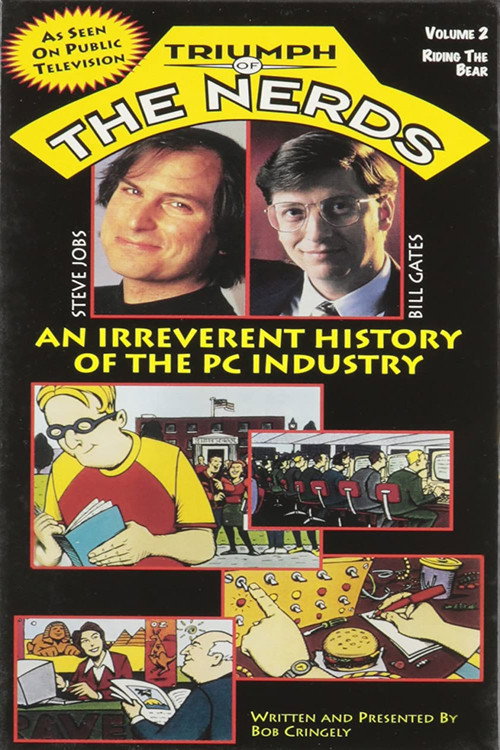
The Triumph of the Nerds: The Rise of Accidental Empires1996
Robert X. Cringely's three-part history of personal computing is rollicking, gossipy, and surprisingly moving about the idealists who built the industry. Interviews with Jobs, Gates, and dozens of others you've never heard of who changed everything.
But Aired over 25 years ago, so the production values look dated. Some of the early tech culture lionizing hasn't aged perfectly.
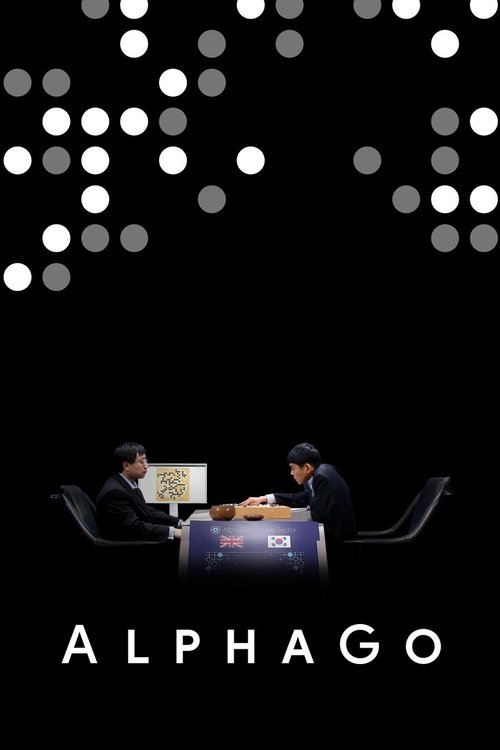
AlphaGo2017
A gripping documentary about Google's AI system learning to play Go, a game thought impossible for machines. Gorgeously shot, genuinely suspenseful, and explores what it means for humans to be surpassed by something we built.
But If you don't care about game theory or AI research, the stakes might feel abstract or slow-burn in the middle.
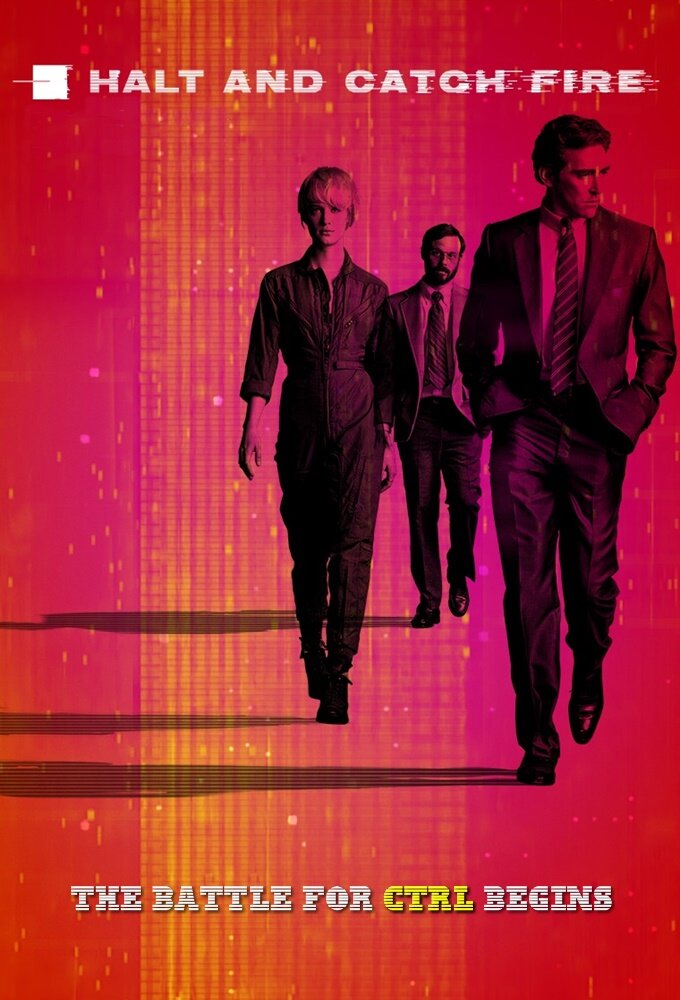
Halt and Catch Fire2014
A fictional but meticulously researched drama about the personal computer revolution in Texas, 1983-1994. It's *exactly* the emotional sequel to this documentary—showing what drove the people building the machines you're learning about.
But Four seasons is a commitment. Some storylines get repetitive, and the later seasons lose focus.
Not sure tonight? Get a pick in a minute, starting from The Machine That Changed the World
The wildcard
Something you would not have found on your own.
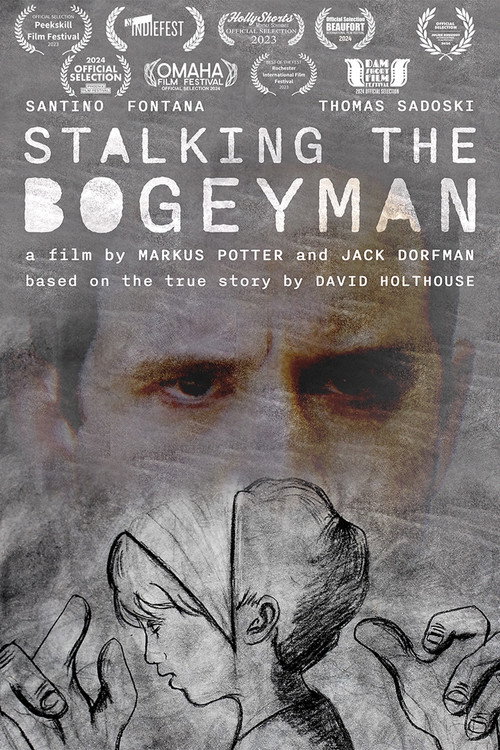
Stalking the Bogeyman
Both use emerging communication technologies (home video, digital archiving, then computers) as the actual medium of the story, not just the subject. Both ask: what does it mean to document and preserve?
A documentary made almost entirely from 8mm home video, drawings, and archival footage—no talking heads, no conventional narration. It's a visual essay about memory, technology, and violence. Formally radical and absolutely hypnotic.
But The subject matter is a decades-long childhood trauma. The avant-garde form demands active attention and rewards it, but won't feel like a documentary you can half-watch.
More like this (6)
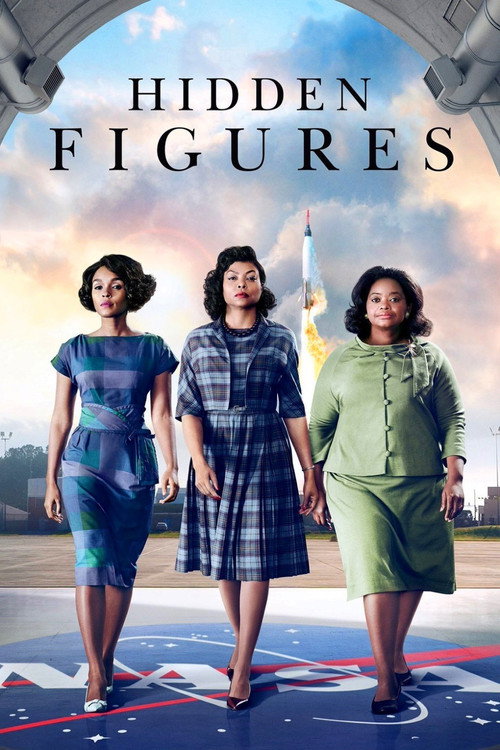
Hidden Figures2016
The untold story of Black women mathematicians whose calculations were essential to NASA's space race. Vibrant, urgent, and a necessary correction to narratives that forgot half their heroes. Inspiring without being saccharine.
But Takes liberties with the timeline and real events for dramatic effect. Some viewers find the emotional beats oversimplified.
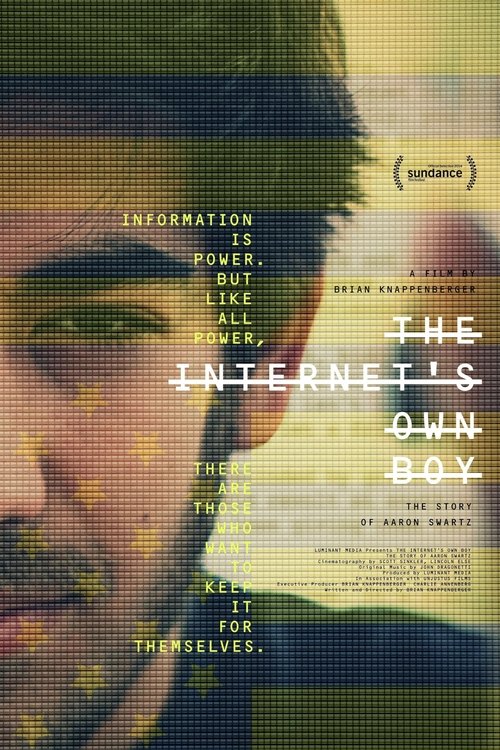
The Internet's Own Boy: The Story of Aaron Swartz2014
A documentary about Aaron Swartz and his fight for internet freedom and information access. Passionate, angry, and heartbreaking—it shows what happened when idealism met institutional power and surveillance.
But Heavy subject matter dealing with depression and suicide. The tone is advocacy-driven rather than neutral, which won't suit everyone.
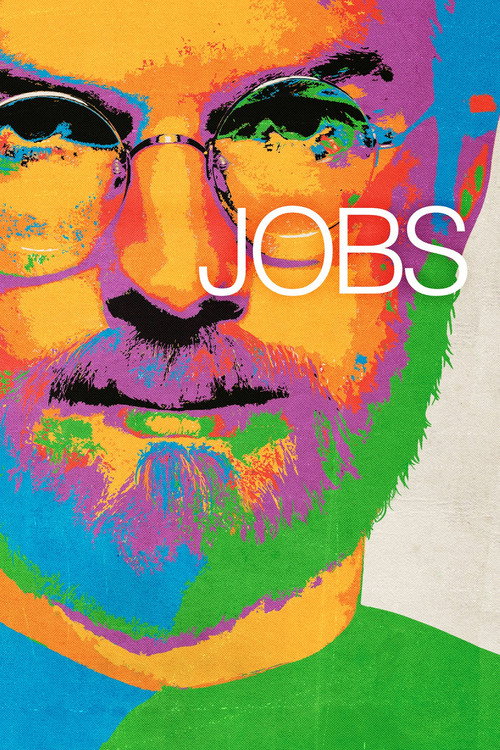
Jobs2013
Ashton Kutcher's surprisingly nuanced portrayal of Steve Jobs across key moments in Apple's early story. Captures the obsession and vision-casting that turned computers from office tools into personal devices.
But Critics and Jobs biographers have quibbled with accuracy. It's hagiography dressed as biography, and some scenes feel theatrically overwrought.
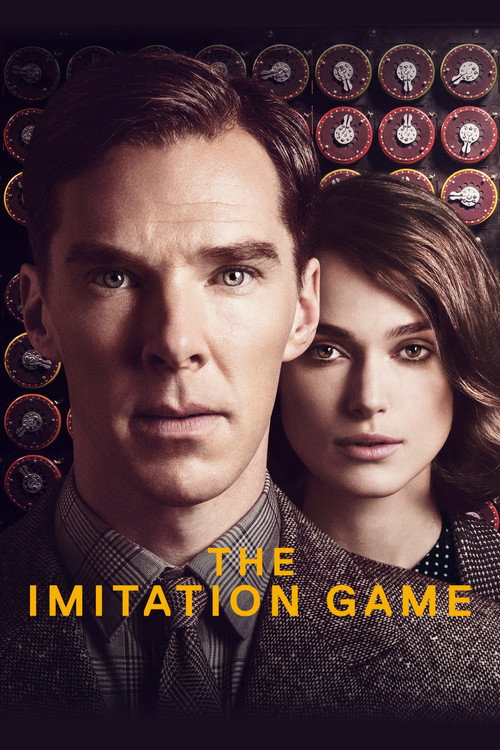
The Imitation Game2014
Benedict Cumberbatch plays Alan Turing, cracking Nazi codes and inventing foundational computer science. Visually handsome and emotionally raw about genius, secrecy, and the cruelty of the state toward those who threaten it.
But Takes considerable dramatic license with Turing's life and significantly alters the historical record. Some scenes feel manipulative rather than authentic.
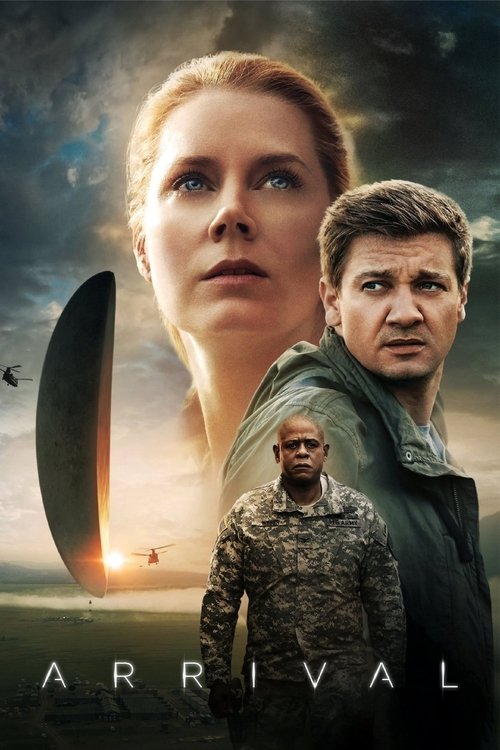
Arrival2016
Both explore how tools—languages, computers—don't just help us think better, they literally change how we think and perceive reality. Computing isn't just machines; it's a new way of processing existence.
A science fiction film about a linguist learning an alien language and discovering it fundamentally rewires how humans perceive time. Philosophically ambitious, visually gorgeous, emotionally devastating. Treats language as the ultimate technology.
But Slow-paced meditative sections won't appeal to those wanting plot momentum. The ending reframes everything, which some find beautiful and others find emotionally manipulative.
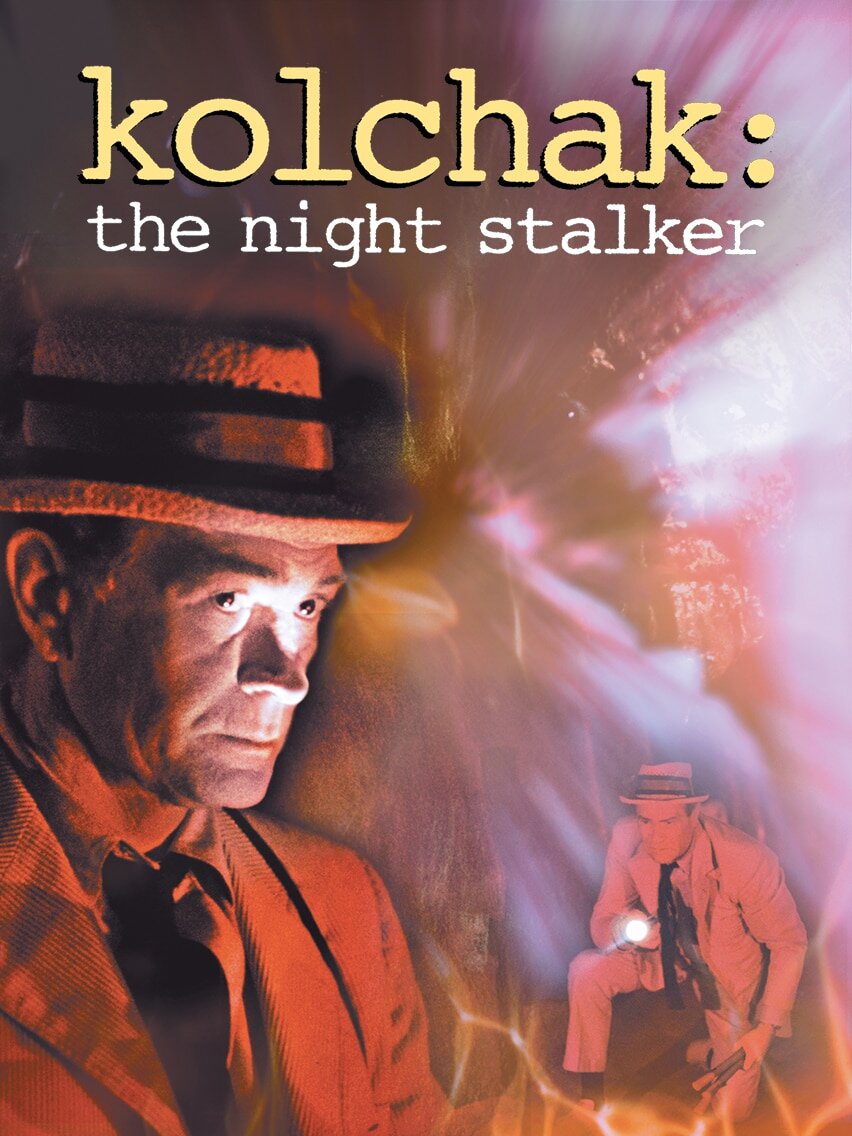
Kolchak: The Night Stalker1972
Both dramatize how technology mediates our understanding of reality. As 'The Machine' shows computers changing how we solve problems, 'The Night Stalker' asks: what evidence even counts? How does the medium of recording shape what we believe happened?
A two-part TV movie (and later series) about a reporter investigating the supernatural with only emerging technology—tape recorders, radio networks, early data—to document things that shouldn't exist. Creepy, beautifully shot, oddly prescient about information and proof.
But Horror-drama hybrid from 1974 may feel slow to modern viewers. The supernatural genre might feel like a detour from serious subjects, though that's the point.