
Film
Banking on Bitcoin
Banking on Bitcoin charts the cryptocurrency's emergence from cypherpunk obsession to regulatory flashpoint. It's a 2016 snapshot of early believers, technical pioneers, and the establishment's dawning alarm—told through talking heads and archival footage. For anyone curious about how Bitcoin entered the world, or wanting to understand the ideological roots of crypto beyond the hype.
Should you watch it?
Watch it if you enjoy documentaries that trace how a strange idea grows into a fight over money, power and who gets to hold it, with the people who built it talking straight to the camera.
Skip it if you want a documentary that digs hard into the technology itself or pushes a clear argument, since this one leans toward a friendly, surface-level tour of the bitcoin story.
What it asks of you: About ninety minutes of steady, talky interviews and archive footage, with no hurry and little visual flourish, so it rewards patience more than close attention to detail.
Not sure? Find tonight's pick in a minute.
If you liked this
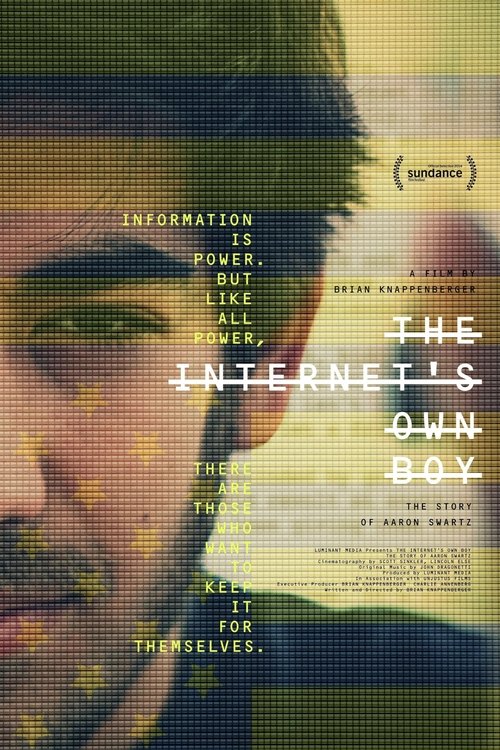
The Internet's Own Boy: The Story of Aaron Swartz2014
Another documentary about a brilliant, idealistic technologist challenging institutional power. Swartz's fight against the establishment mirrors Bitcoin's early David-versus-Goliath narrative, with real stakes and genuine moral complexity.
But It's heavier and more tragic than Banking on Bitcoin. Swartz's story ends in suicide, which casts a different shadow over the whole enterprise.
The Man in the High Castle2015
Explores how alternate systems of power and control reshape society. Like Bitcoin's promise to disrupt financial sovereignty, this series asks what happens when the rules change fundamentally—and who gets hurt in the transition.
But It's science fiction, not documentary, so the intellectual parallels require you to do some work yourself. Also slower and more meditative than you might want.

Deep Web2015
Follows the Silk Road and Ross Ulbricht with the same energy Banking on Bitcoin brings to crypto's early days. It's about the lawless optimism of the dark web and the collision with law enforcement.
But The subject matter (drug markets, illegal activity) is darker and more uncomfortable than blockchain ideology. Also controversial in its framing of Ulbricht.
Not sure tonight? Get a pick in a minute, starting from Banking on Bitcoin
The wildcard
Something you would not have found on your own.
The Corporation2003
Both are obsessed with how institutional power works and who gets to decide the rules of the game. Banking on Bitcoin asks if code can replace lawyers; The Corporation asks if we ever should have let lawyers create the entities we're now rebelling against.
A documentary essay on how corporations became legal persons and escaped accountability. Bitcoin's founders wanted to escape corporate and state control entirely—this film investigates what we're actually running from and whether the escape is possible.
But It's more of a philosophical tract than a narrative. Shot in 2003, so the production values feel dated, and at 145 minutes it demands real commitment.
More like this (6)
The Social Dilemma2020
Another tech-disruption documentary that asks whether innovation served ideals or just created new forms of control. It has the same tension between utopian promise and regulatory reckoning.
But Feels more mainstream and glossy than Banking on Bitcoin's grassroots energy. Some viewers find it obvious or preachy about social media's harms.

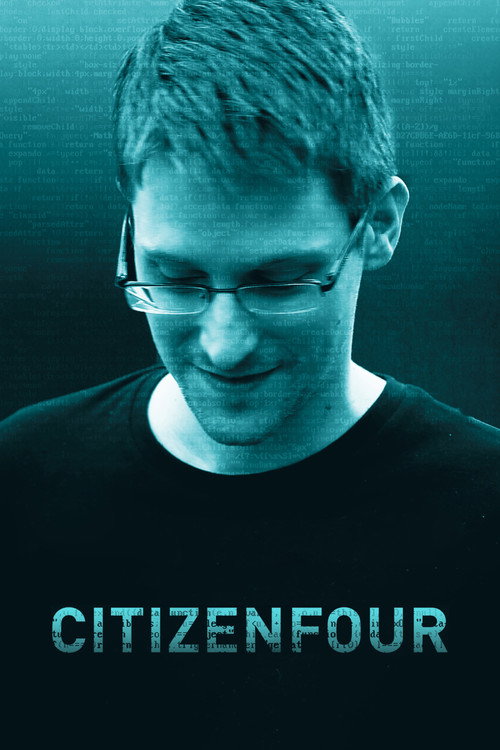
Citizenfour2014
Edward Snowden's story, told by Laura Poitras. It's about surveillance, cryptography, and one person's attempt to expose how power operates in the shadows—themes that electrify Banking on Bitcoin's worldview.
But More geopolitical and heavyweight than you might expect. Also requires patience; it's slow and deliberately crafted rather than fast-paced.
The China Hustle2018
Exposes how financial markets can be gamed and how regulators struggle to keep up. It's the flip side of Bitcoin's promise—showing how disruption and deception often travel together.
But Focuses on stock fraud in a way that might feel less culturally urgent than cryptocurrency does. Some scenes are darkly funny in a way that might undercut the seriousness.

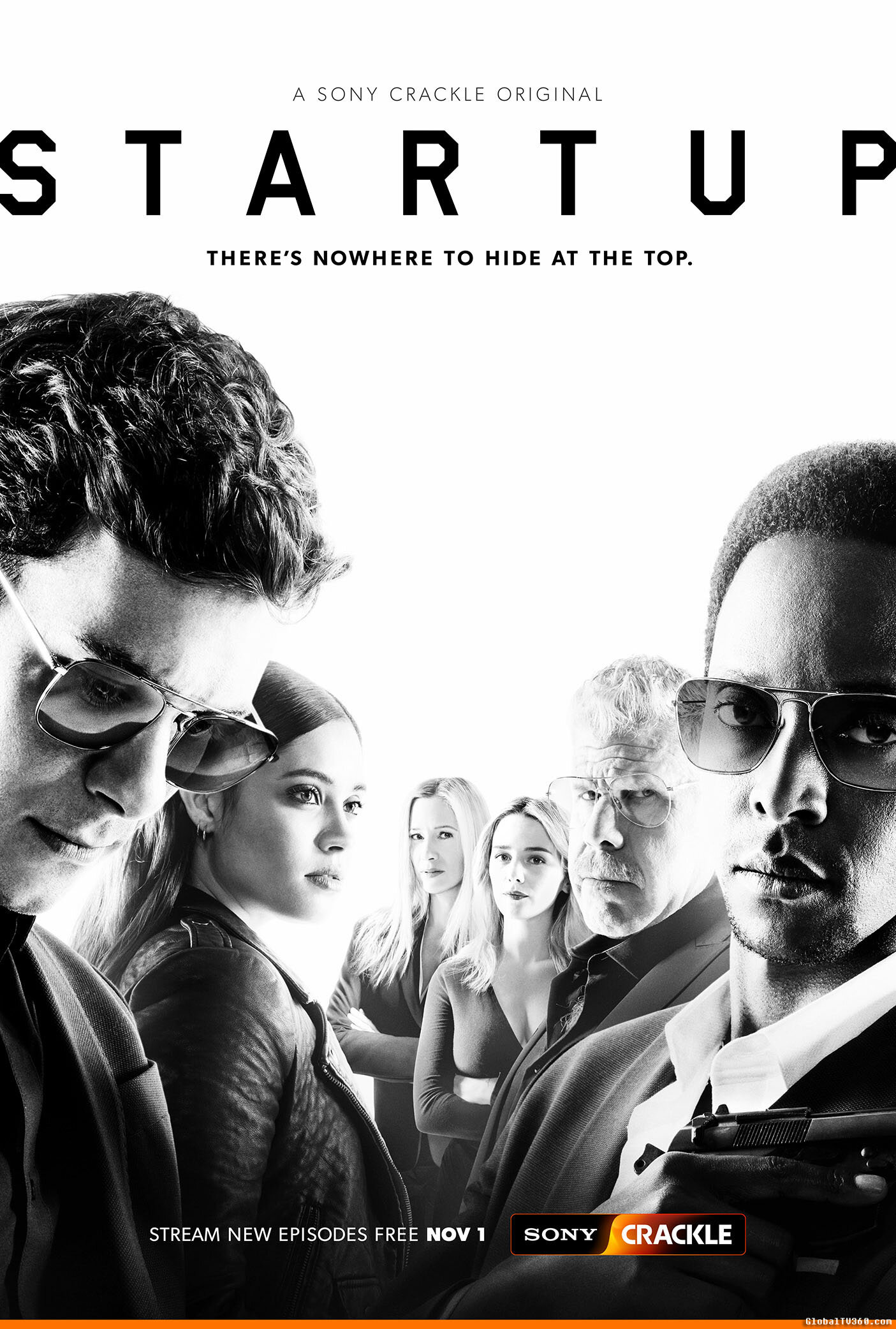
StartUp2016
A scripted series about launching a cryptocurrency that mirrors Banking on Bitcoin's themes of idealism meeting harsh reality. It's tenser and more dramatic but captures the same tension between vision and survival.
But It's fiction, so less intellectually rigorous than documentary. Also cancelled after two seasons, so it ends on a cliffhanger rather than resolution.
Trust Me2017
Both circle around whether you can replace human institutions with mechanisms (code, in one case; money, in the other). Trust suggests you can't—and shouldn't try. The collision between these perspectives is what makes each one sharper.
A brilliant, utterly strange miniseries about greed, inheritance, and how family wealth corrupts everyone it touches. It's in a different register entirely—dark comedy where Banking on Bitcoin is earnest—but asks the same question: what happens when you try to build a system that doesn't require trust, and why do we need trust anyway?
But Very bleak, very funny at the worst moments, and structurally unconventional. If you want insight into actual human behaviour rather than ideology, it might hit too close.

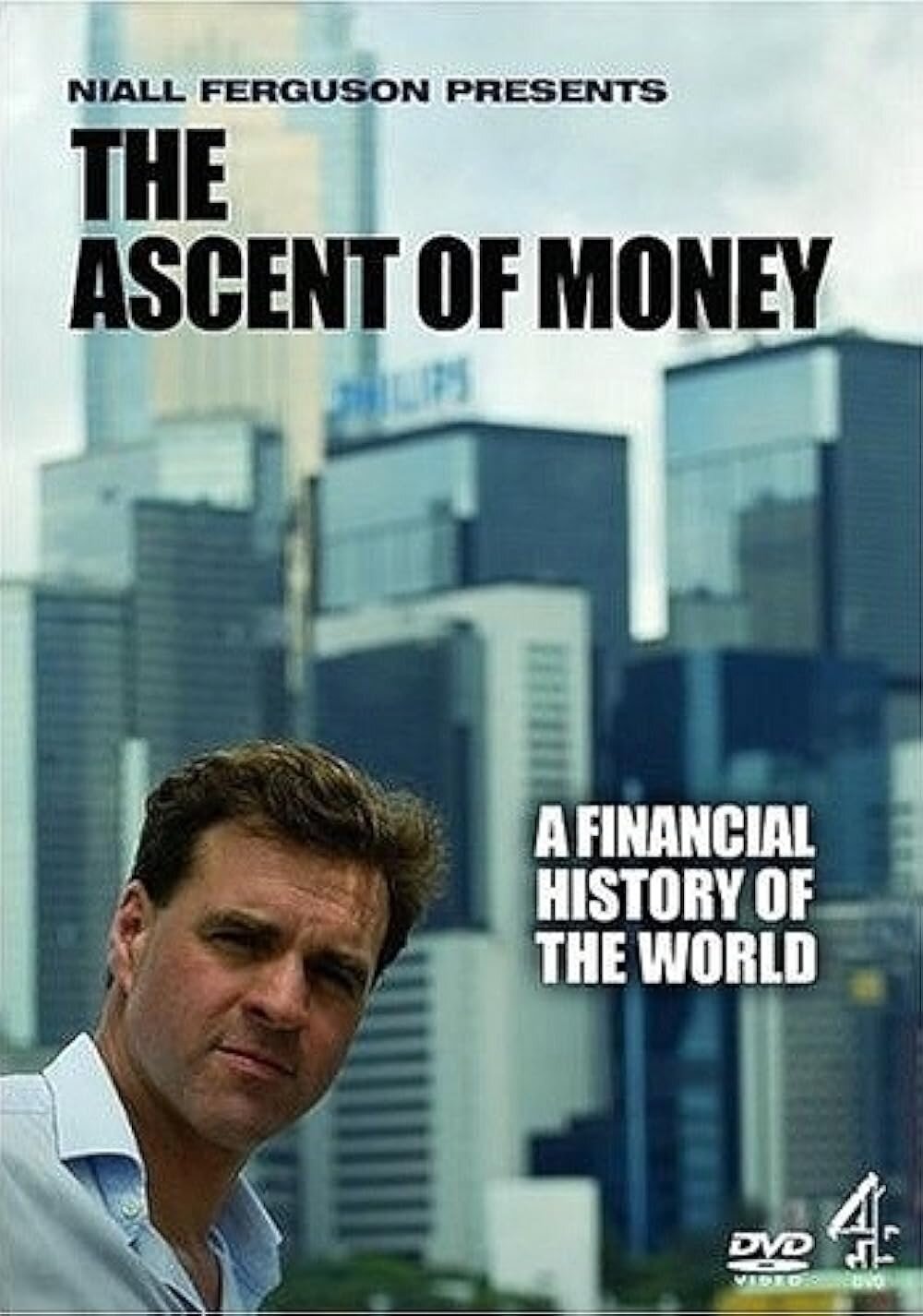
The Ascent of Money2008
Banking on Bitcoin treats cryptocurrency as unprecedented disruption; The Ascent of Money shows that every major innovation in finance—from mortgages to stocks to derivatives—was once radical and destabilising. They're the same revolution, told at different speeds.
Niall Ferguson's BBC series traces finance from ancient Mesopotamia to the 2008 crash. It's the historical context Banking on Bitcoin almost completely ignores—understanding why Bitcoin arose requires understanding that finance has always been revolutionary and unstable. This is the long view.
But It's a straightforward educational documentary from 2008, so the production feels dated. Ferguson himself is a controversial figure, and the series carries his ideological assumptions. Not designed to be thrilling.
People
Cast
- Wences CasaresHimself
- Nathaniel PopperHimself
 Alex WinterHimself
 Rand PaulHimself
 Cameron WinklevossHimself
- Andy GreenbergHimself
 Tyler WinklevossHimself
- Michael CaseyHimself
- Gavin AndresenHimself
- Paul VignaHimself
Directing
- Christopher CannucciariDirector
Writing
- Christopher CannucciariWriter
- Prichard SmithWriter
Production
- Phillip GalinskyAssociate Producer
- Andria HopkinsCo-Producer
- Jon AlpertExecutive Producer
- Christopher CannucciariProducer