
Film
Life 2.0
Life 2.0 follows people whose identities, relationships, and sense of self are radically remade inside a virtual world. It's a sincere, unflinching look at how the digital and physical blur for those most invested in these spaces—neither mocking nor naive. For anyone curious about identity, community, and what "real" means when connection happens on a screen.
If you liked this
Molotov Alva and His Search for the Creator: A Second Life Odyssey2007
This earlier documentary explores the same virtual world with similarly thoughtful curiosity about identity and belonging. It's a perfect companion piece that deepens your understanding of the phenomenon Life 2.0 investigates.
But The format is dated and some of the technical aspects feel quaint now. It moves slowly and requires patience with long stretches of virtual wandering.

The Social Dilemma2020
Both examine how digital spaces reshape human psychology and relationships, though from different angles. This expands the conversation about our relationship to screens beyond gaming and virtual worlds.
But It's more polemical and less sympathetic to the people caught in these systems. Some of its arguments feel like they're shouting at you rather than inviting reflection.
Catfish2010
Released the same year, it investigates deception and identity online with similar moral complexity. The investigation into who we are versus who we present resonates deeply with Life 2.0's themes.
But It's built as a mystery thriller, which sometimes feels manipulative. The pacing can feel slow if you're not invested in solving the central puzzle.
Not sure tonight? Get a pick in a minute, starting from Life 2.0
The wildcard
Something you would not have found on your own.
Synecdoche, New York2008
Both treat identity and performance as equally real and equally fragile. Both ask whether the self we construct is more or less authentic than the body it inhabits.
Charlie Kaufman's film explores identity, performance, and the collapse of reality and fiction through a sprawling theatrical installation. It approaches Life 2.0's central question—what is real when we're all performing?—through surreal narrative rather than documentary observation, making the abstraction visceral and emotional.
But It's deliberately confusing and increasingly abstract. If you want clarity and grounded storytelling, this will frustrate you profoundly.

More like this (7)
Lo and Behold: Reveries of the Connected World2016
Werner Herzog's documentary surveys internet culture broadly, including virtual worlds and online identity. It has the same philosophical curiosity about what connection means in the digital age.
But Herzog's presence can overwhelm the subjects. His distinctive narration and perspective dominate rather than letting people speak for themselves.
Indie Game: The Movie2012
Another intimate documentary about people whose lives revolve around digital worlds. It shares Life 2.0's interest in obsession, creative expression, and what drives people to invest so deeply.
But It's focused on game developers rather than players, so the angle is quite different. Some may find the subjects less sympathetic than the people in Life 2.0.
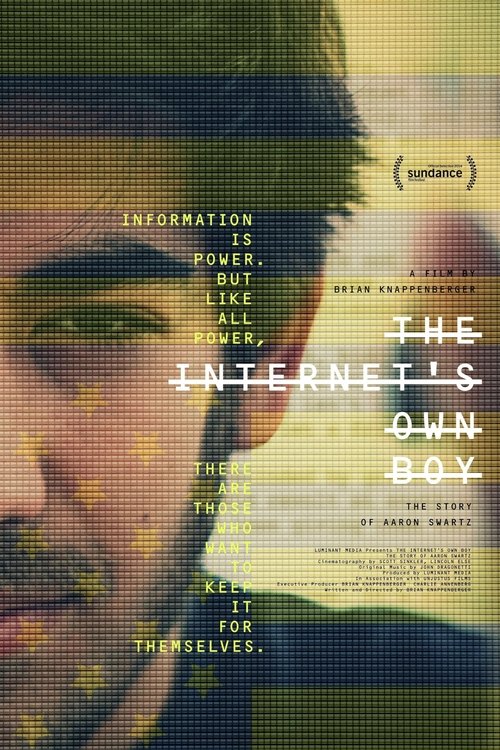
The Internet's Own Boy: The Story of Aaron Swartz2014
This documentary investigates digital culture and community through the story of Aaron Swartz. It grapples with similar questions about freedom, identity, and what we owe each other online.
But It's more activist and political than exploratory. The narrative can feel didactic if you're seeking open-ended reflection rather than a clear argument.
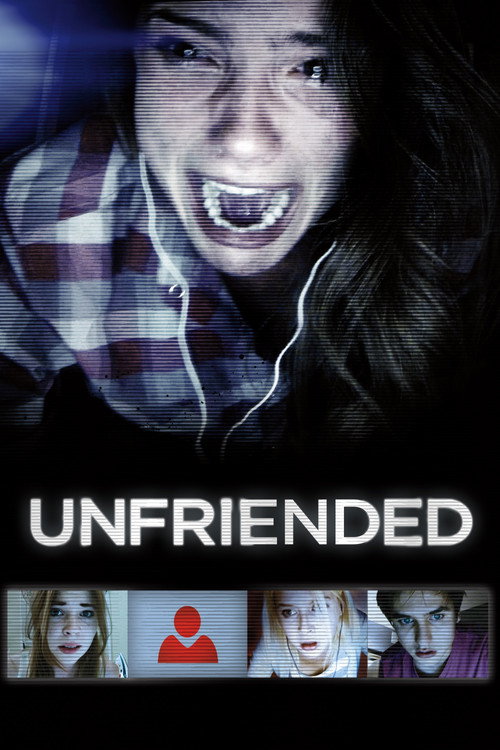
Unfriended2014
This horror film uses the internet as its primary setting in innovative ways. It captures something real about digital identity and exposure that Life 2.0 explores from a different angle.
But It's sensationalist where Life 2.0 is contemplative. If you're looking for documentary realism, the genre conventions here might feel exploitative by comparison.
Her2013
This sci-fi film meditates on relationships with digital entities and what connection means when a screen mediates it. It shares Life 2.0's philosophical questioning about love and identity online.
But It's fiction rather than documentary, so it trades observation for metaphor. Some find it sentimental rather than truly challenging in its treatment of these themes.

Citizenfour2014
Laura Poitras's documentary about digital privacy and identity is meticulous and immersive. It investigates how we present ourselves and hide ourselves in the digital realm with similar gravity.
But It's dense and demanding, requiring sustained attention. The stakes feel much higher and more urgent than Life 2.0, which can shift the emotional tenor.

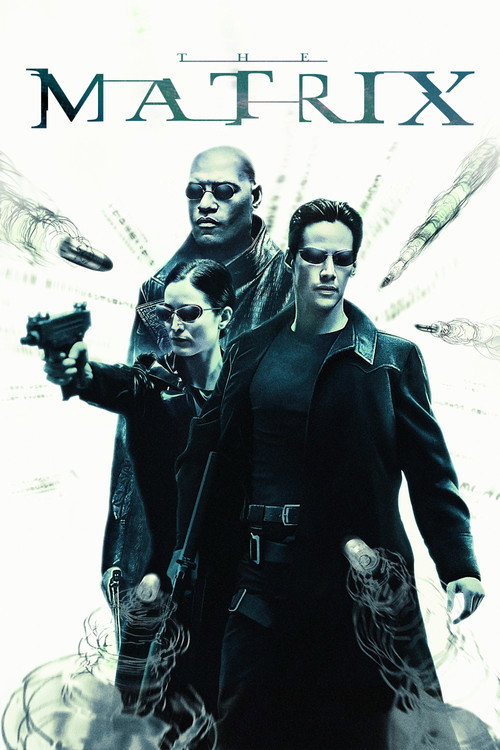
The Matrix1999
Both fundamentally ask whether a life lived in a constructed reality is less valid or less real than one lived in physical space. Both treat the question seriously rather than dismissively.
This action film is actually a metaphysical investigation of reality, identity, and what it means to truly "live." Life 2.0's participants are grappling with the same philosophical questions the film poses as science fiction, but in actual lived experience.
But It's a blockbuster with action sequences and a plot you're expected to follow. If you're looking for slow, observational documentary style, the spectacle might feel trivial.
People
Directing
- Jason Spingarn-KoffDirector
Production
- Jonathan ShukatCo-Producer
- Dan KraussConsulting Producer
- Andrew LaurenProducer
- Jason Spingarn-KoffProducer
- Stephan PaternotProducer