
Film
Kony 2012
Kony 2012 is a 30-minute viral documentary that made a massive cultural impact in 2012 by attempting to mobilize youth activism around the arrest of Ugandan warlord Joseph Kony. It's a fascinating case study in how idealism, social media, and documentary filmmaking can collide—worth watching now as a historical artifact and to understand both the power and peril of activist media.
If you liked this
The Act of Killing2012
A haunting documentary about Indonesian genocide perpetrators confronting their own crimes through film-within-film. Like Kony 2012, it grapples with atrocity and accountability, but with devastating moral complexity and no easy answers.
But Watching perpetrators re-enact their murders is genuinely disturbing and morally queasy. It's long, demanding, and offers no catharsis.

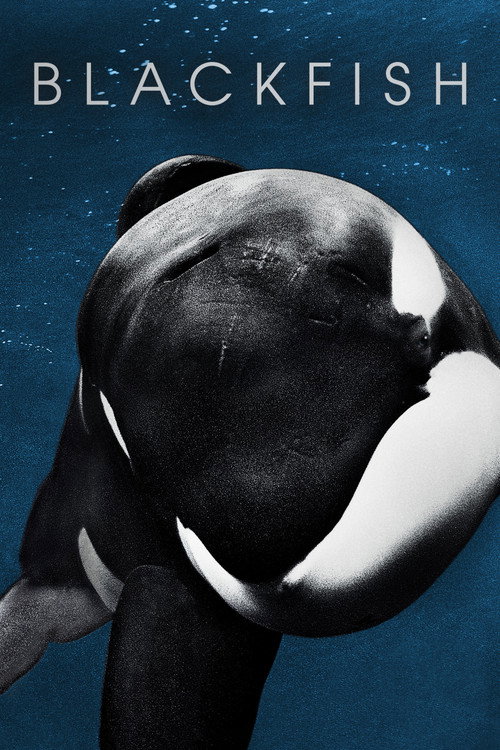
Blackfish2013
An investigative documentary that mobilized public opinion by presenting a compelling human narrative alongside systemic injustice. It shows how docs can drive real-world change through emotional engagement and accessible storytelling.
But The investigation has been criticized for selective editing and presenting one side of a complex debate as settled fact. It feels designed to make you angry rather than think.
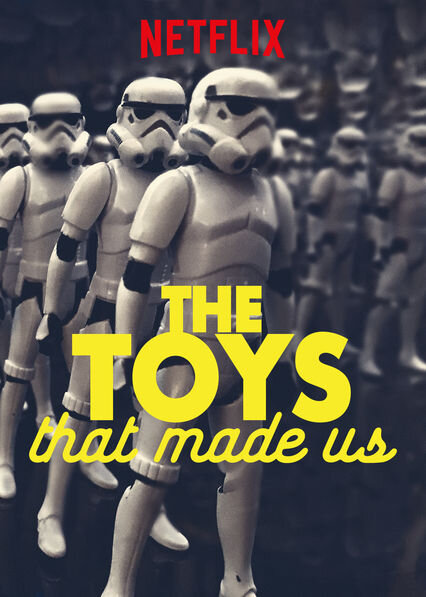
The Toys That Made Us2017
Like Kony 2012, these episodes show how cultural artifacts can become global phenomena. They capture the machinery of viral moments and ask why certain things capture collective imagination.
But It's nostalgic marketing dressed as documentary. There's no real investigation, just brand-friendly retrospectives that celebrate consumerism.
Not sure tonight? Get a pick in a minute, starting from Kony 2012
The wildcard
Something you would not have found on your own.
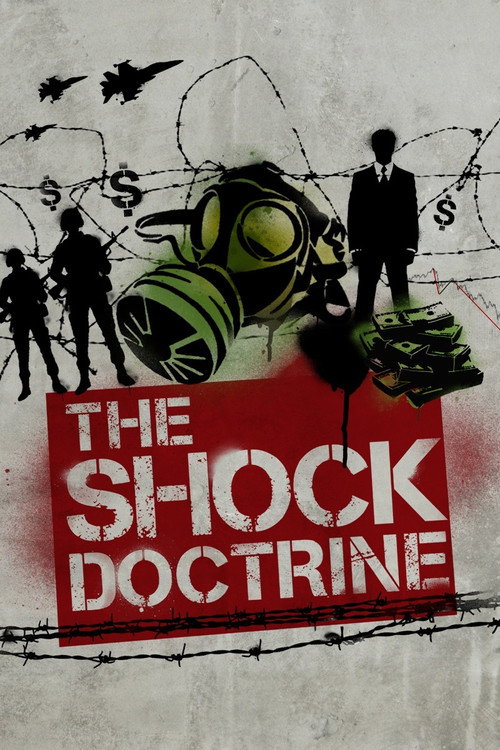
The Shock Doctrine2009
Both deal with how the West mobilizes around African crises; Klein's film asks what assumptions underlie that impulse, and what structural forces make 'saving' so appealing.
Naomi Klein's documentary traces how disaster capitalism and Western intervention reshape nations in the global South—the geopolitical context that makes a film like Kony 2012 possible in the first place. It explains why good intentions often backfire.
But Aggressively theoretical and ideological. If you want concrete facts instead of systemic critique, this will frustrate you.
More like this (6)
Won't You Be My Neighbor?2018
A documentary about earnest idealism and using media to change hearts and minds. It's a gentler counterpoint to Kony 2012—proof that activism through screen can be thoughtful without being manipulative.
But It's reverential and sometimes saccharine. If you're cynical about the goodness of institutions or individuals, this will feel naive.

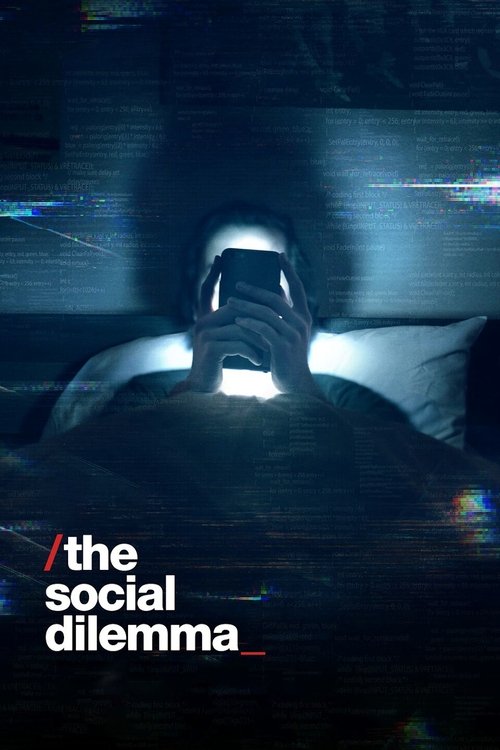
The Social Dilemma2020
Essential viewing about how social media platforms enabled Kony 2012's viral spread—and how they distort truth, weaponize emotion, and drive half-baked activism. A necessary companion piece.
But Heavy-handed and occasionally preachy. The dramatic reconstructions undercut the documentary's own argument about manipulation.
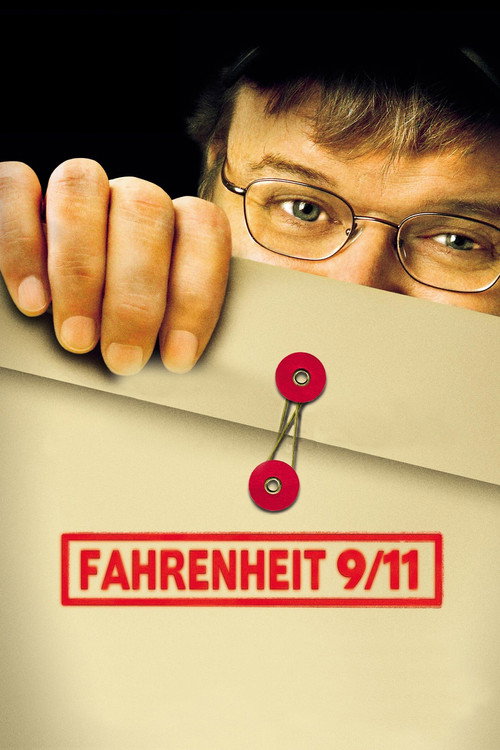
Fahrenheit 9/112004
Michael Moore's polemic about post-9/11 politics shows how documentary can be activist and entertaining, for better or worse. It's the godfather of the viral-activism doc format.
But Wildly one-sided and emotionally manipulative. Moore cherrypicks evidence shamelessly and the rhetoric matters more than truth.
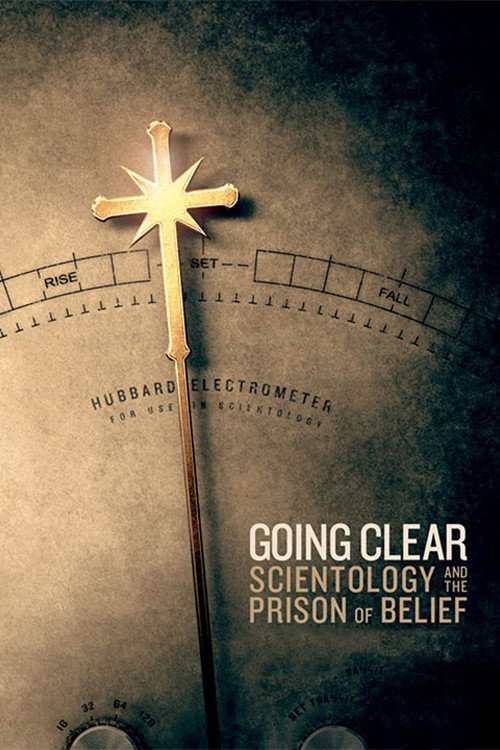
Going Clear: Scientology and the Prison of Belief2015
Like Kony 2012, it's about how charismatic ideology recruits true believers and insulates them from doubt. It traces how movements justify the unjustifiable to their followers.
But Relies on former members' testimonies without always verifying claims. The film's own narrative structure can feel as designed as the belief systems it critiques.
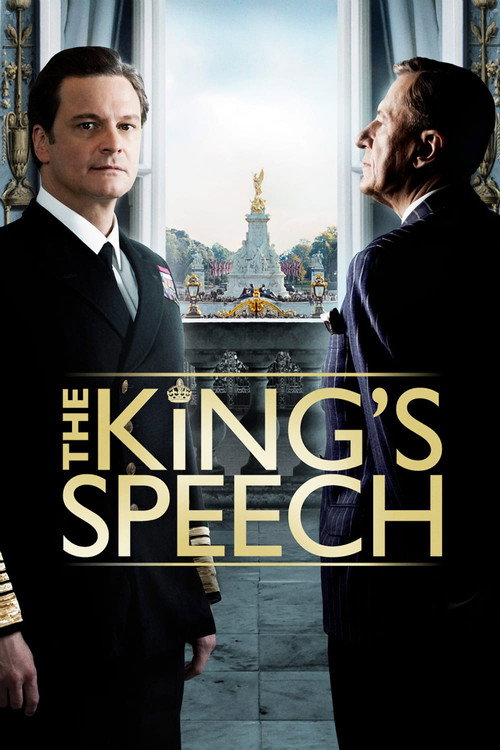
The King's Speech2010
Both are masterclasses in emotional manipulation designed to move audiences toward a specific goal. Watching them back-to-back shows you how the same techniques work across genres.
A glossy, deeply engineered feel-good film about overcoming obstacles through determination and connection. It's the spiritual ancestor of Kony 2012's emotional architecture—crafted for maximum audience mobilization through personal narrative.
But It's royalist propaganda disguised as inspiration. The mechanics feel transparent once you see them, and that can make it exhausting.
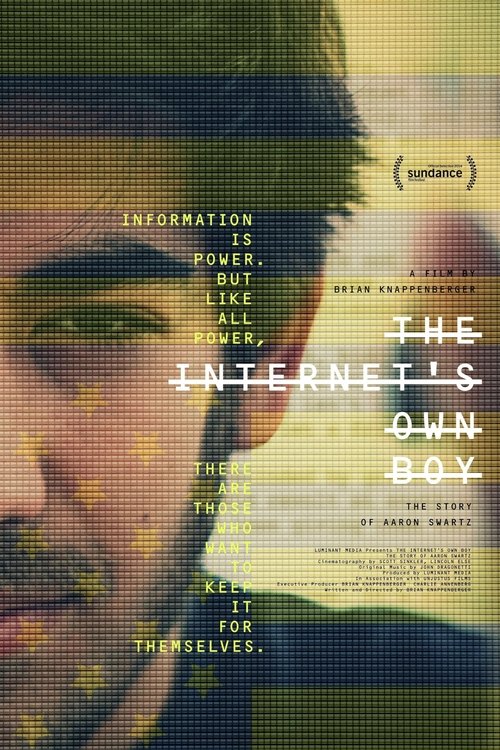
The Internet's Own Boy: The Story of Aaron Swartz2014
Both films capture the fever dream of young activists convinced they can change the world through technology and collective will—and both ask, implicitly, what happens when that dream meets reality.
Documentary about Aaron Swartz and Internet activism—a dissection of idealism, technological utopianism, and the gap between intention and outcome. It's a mirror held up to why people like those behind Kony 2012 believed so fiercely.
But The film is hagiographic about Swartz and sometimes glosses over the moral complexity of his actions. It's more elegy than investigation.
People
Cast
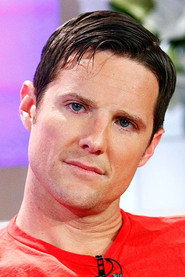 Jason RussellSelf
- Joseph KonySelf
- James InhofeSelf
Directing
- Jason RussellDirector
Production
- Chad ClendinenProducer
- Heather LongerbeamProducer
- Kimmy VandivortProducer
- Noelle JougletProducer