
Film
Flickering Lights
Four Copenhagen crooks on the run hole up in a dilapidated countryside house with millions in stolen cash. What begins as a desperate hiding spot becomes something stranger: a refuge where these small-time criminals discover they might want to stay. Darkly funny, surprisingly tender, and built on the chemistry between its excellent cast. A film about reinvention disguised as a crime caper.
If you liked this
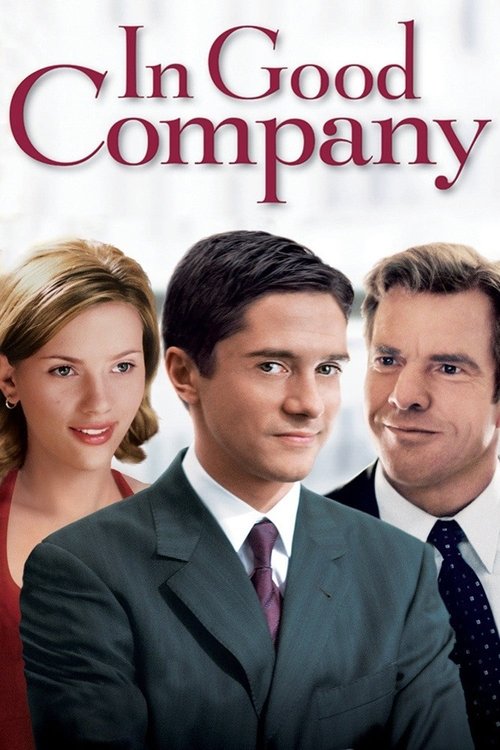
In Good Company2004
Mads Mikkelsen shines in a lighter role before his darker turns. The film has that same blend of warmth and oddness—ordinary people in extraordinary circumstances learning who they really are.
But It's gentler and more sentimental than Flickering Lights, which might feel like a step down if you're craving the edge.
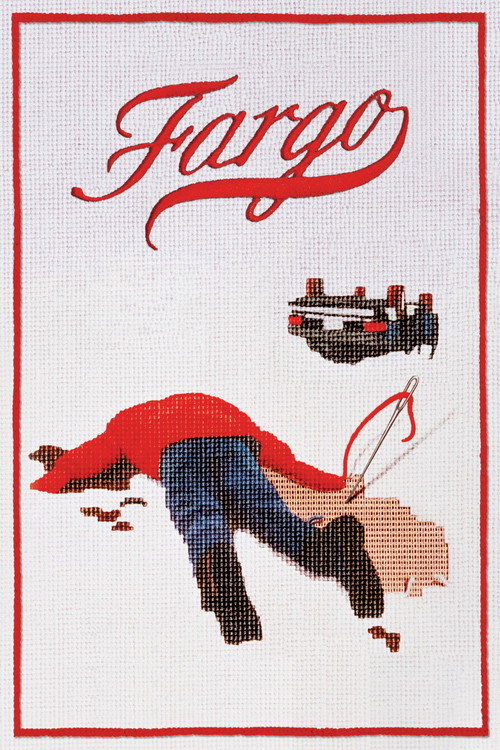
Fargo1996
Criminals in over their heads, gallows humour, moral reckoning in snowy nowhere, and performances so good you believe every stammered line. The DNA is similar: crime that spirals into something about human nature.
But It's bleaker and more violent. Where Flickering Lights finds hope, Fargo finds only consequences.
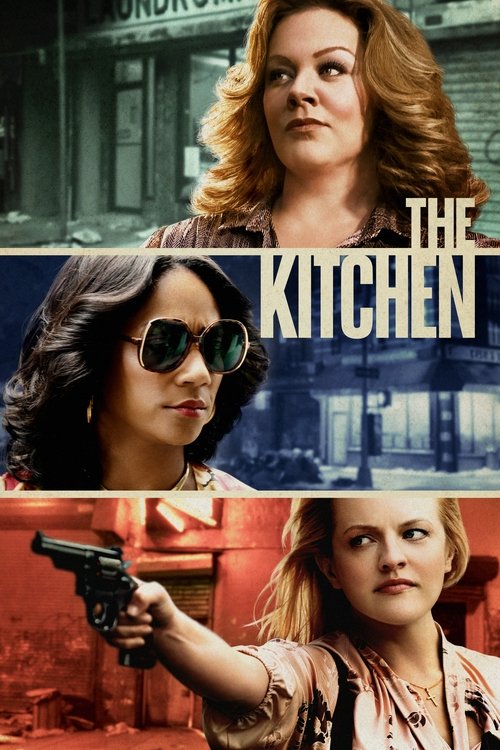
The Kitchen2019
Criminal desperation becomes refuge and found family. Ulrich Thomsen is superb, and the film catches that same sense of people discovering unexpected peace in the worst circumstances.
But Less tightly plotted than Flickering Lights and the tone wavers—sometimes it lands, sometimes it doesn't.
Not sure tonight? Get a pick in a minute, starting from Flickering Lights
The wildcard
Something you would not have found on your own.
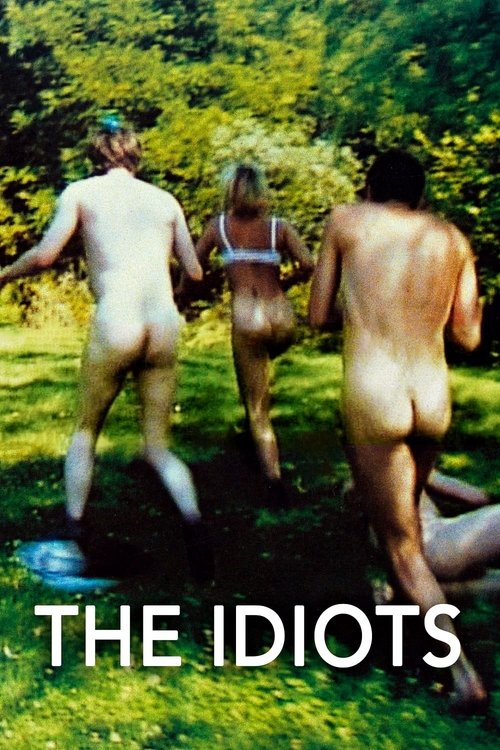
The Idiots1998
Both are ensemble films about people finding unexpected community through transgression, shot with deadpan commitment to finding truth in absurdity.
Lars von Trier's provocation about a commune of people performing mental disability as rebellion. Like Flickering Lights, it's about misfits finding strange belonging in a house together, stripping away pretence to find something real underneath. But it swings between hilarity and horror, never settling. Both films trust their ensemble casts completely and use comedy as a weapon against sentimentality.
But It's deliberately offensive, aggressively ugly, and shot in grainy digital video that exhausts the eye. Many will find it repugnant rather than revelatory, and there are scenes designed to alienate you.
More like this (8)
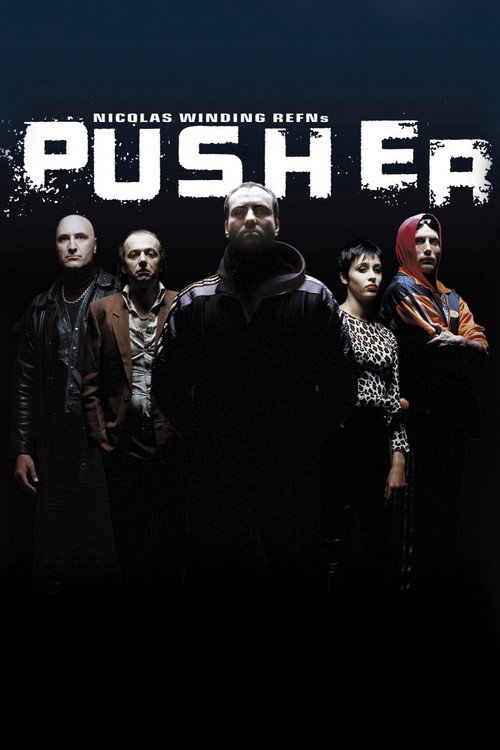
Pusher1996
Danish crime, raw realism, and the criminal underworld at its most unglamorous. If you want to see where Nordic noir's bite comes from, this is essential.
But Genuinely bleak and violent in ways Flickering Lights avoids. No redemption, no refuge—just the gravity of bad choices.
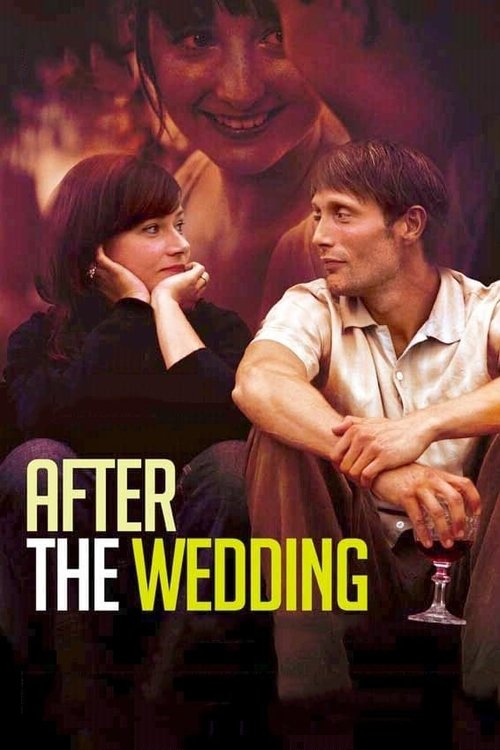
After the Wedding2006
Søren Pilmark and Rolf Lassgård in a film about secrets, reinvention, and the lies we live. Slow-burn intensity that trusts the audience completely.
But Intensely quiet and interior. If you're looking for the roaring crime energy, this is its opposite—meditative to the point of stillness.
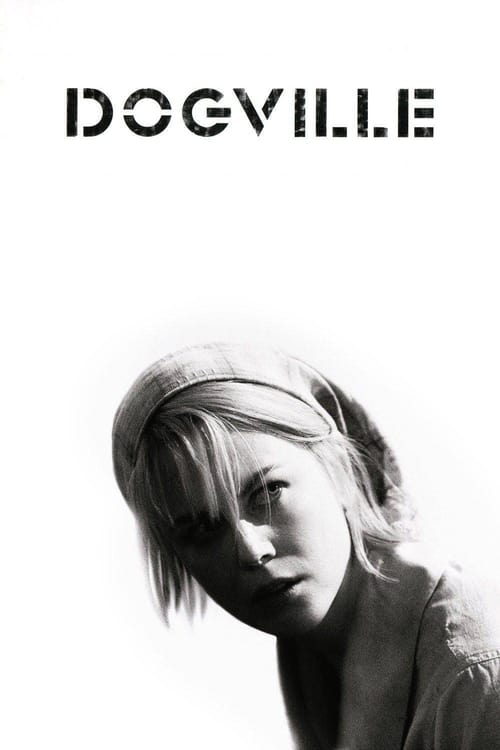
Dogville2003
Von Trier's strangest film: a community of misfits, moral reckoning, extraordinary performances. Iben Hjejle is devastating. It has that same feeling of small people in a closed space forced to become who they are.
But It's aggressively minimalist, filmed on a soundstage with no sets. Pretentious in ways some will find unbearable. And deeply, harshly pessimistic.
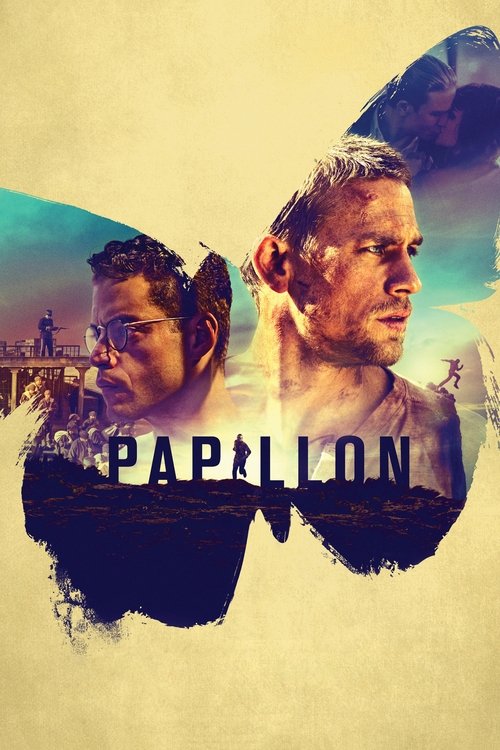
Papillon2017
Men trapped, men escaping, men discovering they're stronger than they knew. The intimate portrait of survival and brotherhood has echoes of what Flickering Lights does with its four crooks.
But Brutally serious where Flickering Lights finds comedy in darkness. Much longer, and some scenes of violence are hard to watch.
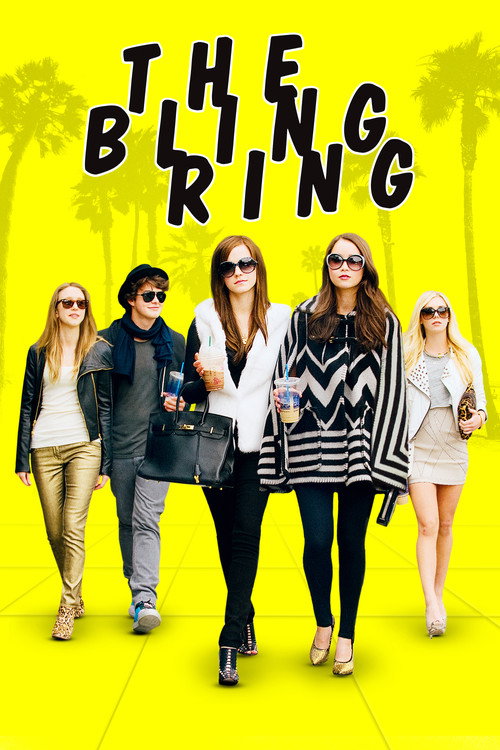
The Bling Ring2013
Small-time criminals, the strange domesticity of hiding and scheming together, the question of whether crime corrupts or just reveals. Stylish and funny in an uncomfortable way.
But It's frivolous about its subject in a way that can feel hollow. The criminals never quite earn your sympathy.
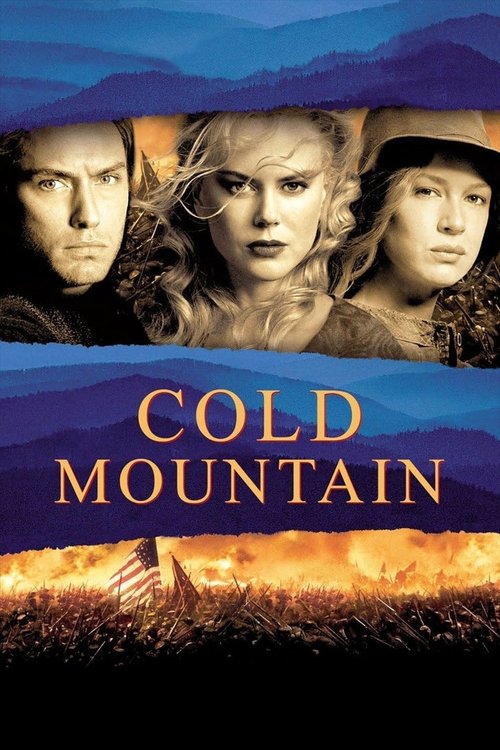
Cold Mountain2003
Broken people building something in isolation, learning to live differently. Jude Law and Nicole Kidman in a film about refuge and the cost of staying hidden.
But It's a lush period piece that drags. Romanticism suffocates the story in its final hour.
Harakiri1962
Both films are ultimately about men discovering their true selves through pressure and isolation, and both treat that discovery with a strange tenderness beneath the surface.
A Japanese masterpiece about ritual, honour, and the masks men wear. A samurai prepares for ritual suicide while we learn why. It has nothing to do with crime or comedy, but it shares Flickering Lights' deep interest in who people become when they strip away pretence and face their own nature. Exquisite, devastating, unlike anything else on this list.
But It's a slow black-and-white film from 1962 about a man walking toward his own death. The pace is glacial. It demands patience and offers no comfort.

Come and See1985
Both use enclosed spaces and ensemble dynamics to explore how ordinary people are transformed by circumstance, but Come and See shows the inverse: not refuge, but devastation.
A Soviet war film about a boy's loss of innocence. Tonally it's the inverse of Flickering Lights—where that film finds refuge and strange hope in decay, this finds only annihilation. But they share a structure: ordinary people trapped in a closed space, watching the world remake them. It's one of cinema's greatest achievements and almost unbearably moving.
But It is one of the most harrowing films ever made. Not entertaining. Not even remotely fun. Watching it is an ordeal by design, and some will decide the ordeal isn't worth it.

People
Cast
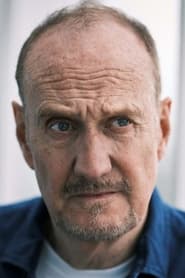 Søren PilmarkTorkild
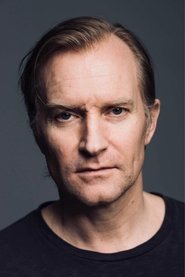 Ulrich ThomsenPeter
 Mads MikkelsenArne
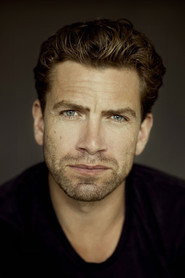 Nikolaj Lie KaasStefan
 Sofie GråbølHanne
 Iben HjejleTherese
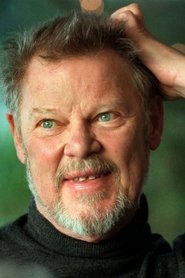 Frits HelmuthCarl
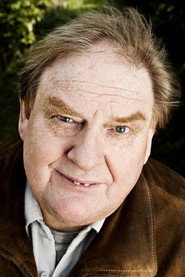 Ole ThestrupAlfred
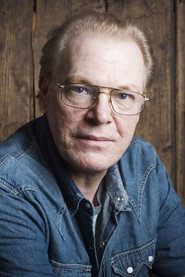 Peter AnderssonFæringen
 Niels Anders ThornWilliam
 Henning JensenPeters Far
 Solbjørg HøjfeldtPeters Mor
Directing
- Jannik JohansenAssistant Director
- Anders Thomas JensenDirector
- Benedicte RosenkrantzScript Supervisor
- Tomas Villum JensenSecond Unit Director
Writing
- Anders Thomas JensenScreenplay
- Kenneth KainzScript Consultant
- Peter Gren LarsenScript Consultant
Production
- Jette TermannCasting
- Marianne MoritzenExecutive Producer
- Michael Bille FrandsenLine Producer
- Ole GuldbrandsenLocation Manager
- Kim MagnussonProducer
- Tivi MagnussonProducer
- Line SpanningProduction Assistant
- Premilla RajaniProduction Assistant
- Inge WolleProduction Executive
- Lene NielsenProduction Manager
- Line SpanningProduction Manager
- Ilse SørensenProduction Secretary
- Vibeke AagaardProduction Secretary
- Karen RudolphPublicist
- Inge WolleUnit Production Manager