
Film
Open Hearts
A Danish film about the aftermath of a devastating car accident that tears apart two families. Susanne Bier's direction finds both heartbreak and small moments of grace as characters collide with desire, guilt, and the impossible weight of changed circumstances. Emotionally precise without being maudlin.
Should you watch it?
Watch it if you're drawn to slow, morally knotty dramas about ordinary people whose decency gets tested, where the emotional truth matters more than tidy resolution.
Skip it if you want a light romance or a brisk plot, since this one is patient, uncomfortable at times, and lingers on awkward silences rather than rushing toward reassurance.
What it asks of you: Nearly two hours of close, unhurried attention, with long quiet stretches doing as much work as the dialogue, and little comic relief to lighten the mood.
Not sure? Find tonight's pick in a minute.
If you liked this
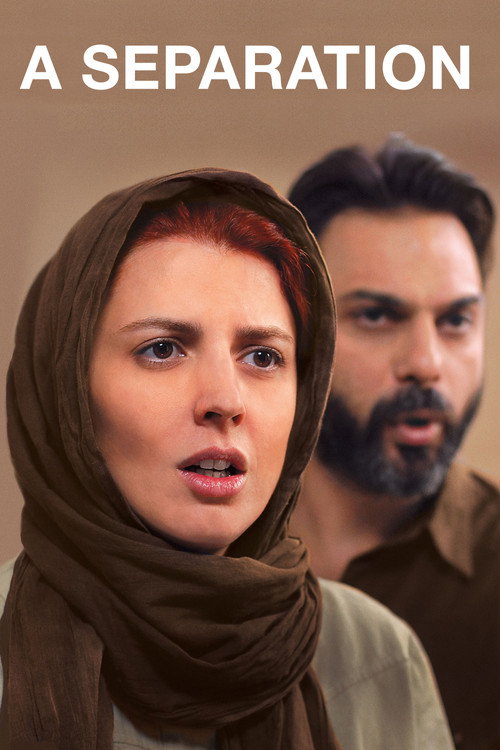
A Separation2011
Iranian masterpiece about a marriage unraveling, with the same moral complexity and refusal to assign simple blame. Every scene complicates what you thought you understood.
But Deliberately slow, shot in real locations, with a legal drama framework that some find draining rather than moving.
After the Wedding2006
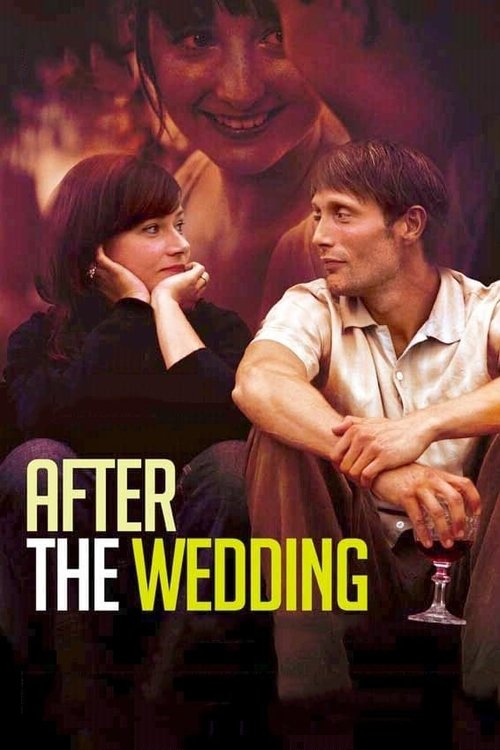
Also directed by Susanne Bier. A revelation unspools at a wedding, forcing characters to reckon with hidden lives and impossible choices. Bier at her finest.
But The twist, if you know it coming, can feel mechanical. And the pacing is deliberate—this isn't plot-driven entertainment.
Still Life2006
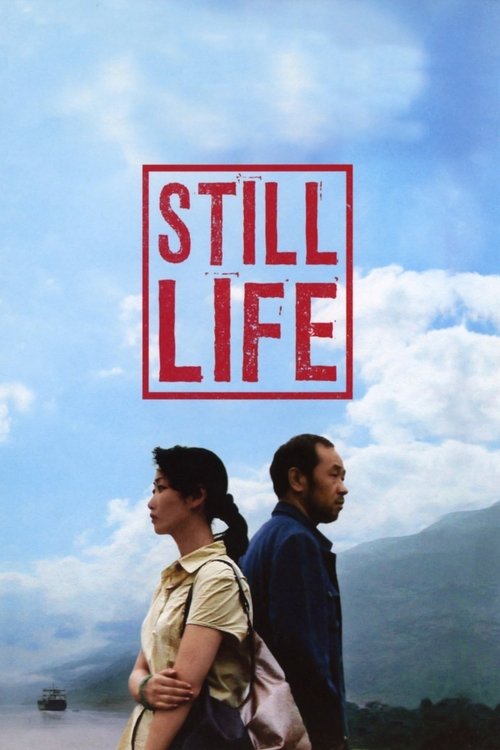
Chinese film about a man searching for his estranged wife in a town about to vanish underwater. Meditative, visually spare, wrestling with how we live alongside irreversible change.
But Operates almost in silence. Some find it transcendent, others glacial. Demands patience.
Not sure tonight? Get a pick in a minute, starting from Open Hearts
The wildcard
Something you would not have found on your own.
Dogville2003
Both films interrogate how ordinary people behave when circumstance demands moral choice. Neither offers comfort.
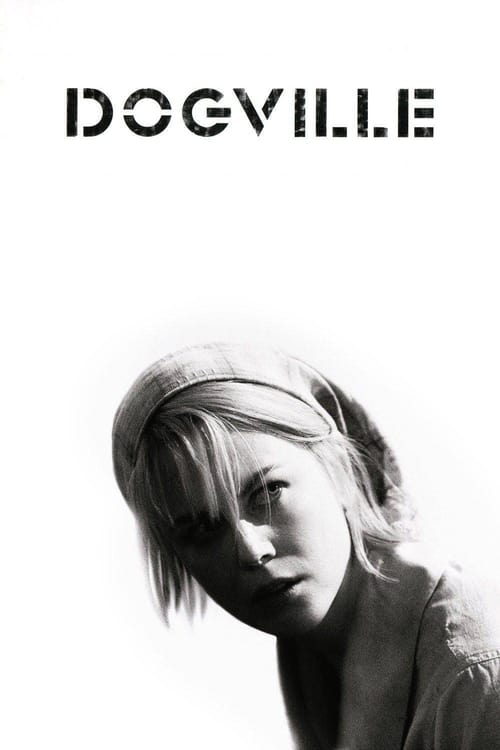
Lars von Trier's provocation about charity, complicity, and what communities owe strangers. Shot on a bare stage, it strips away distraction to force you to look. A spiritual sibling to Open Hearts' unflinching gaze at human behavior under pressure.
But Three hours, deliberately artificial staging, and a third act that infuriates many viewers. You may feel manipulated rather than moved.
More like this (6)
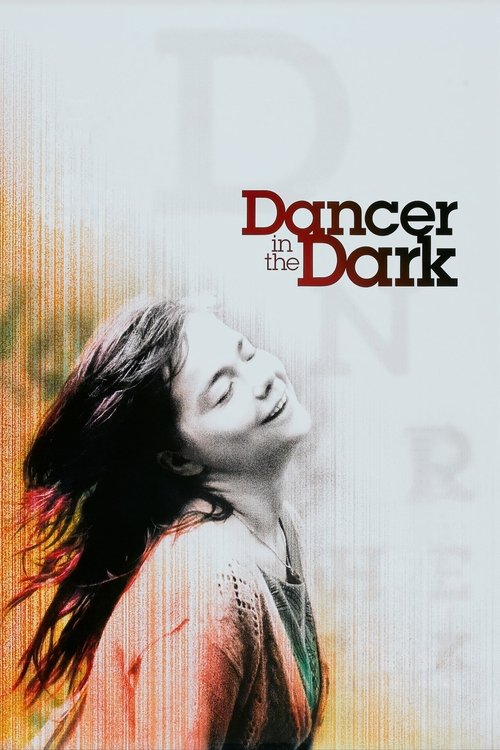
Dancer in the Dark2000
Björk in a Lars von Trier film about impossible circumstances and the small dignities we cling to. Devastatingly human, with an ending that doesn't relent.
But Genuinely bleak. The ending is designed to break you. Von Trier's provocation can feel gratuitous if you're not in the mood for it.
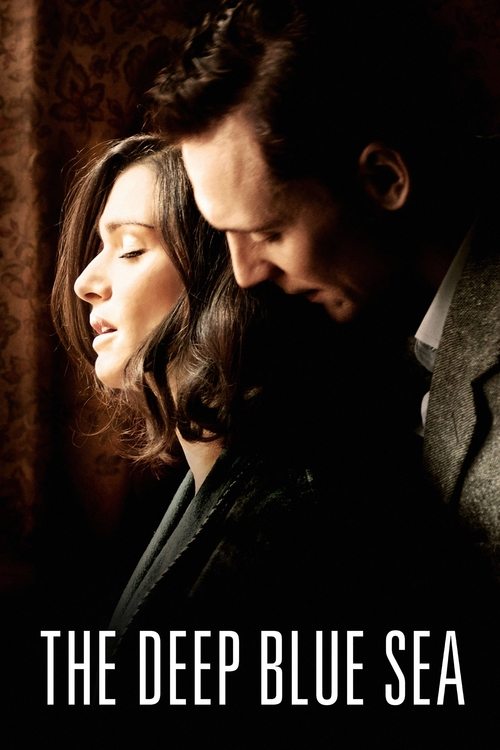
The Deep Blue Sea2011
Terence Davies on infidelity, obsession, and the particular pain of loving the wrong person. Luminous cinematography wraps emotional wreckage in beauty.
But Period piece with a chamber-drama feel. Some scenes feel more like poetry than narrative, which loses people expecting plot momentum.
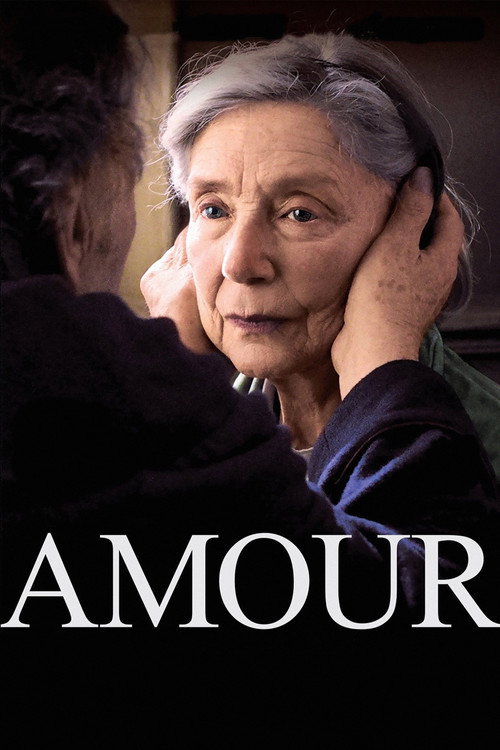
Amour2012
Michael Haneke's portrait of a couple facing terminal illness. Unbearably tender. Shows what it costs to love someone through their dissolution.
But Unsparing in depicting physical decline. The stillness and restraint is the point, but it can feel punishing. Some viewers find it clinical rather than moving.
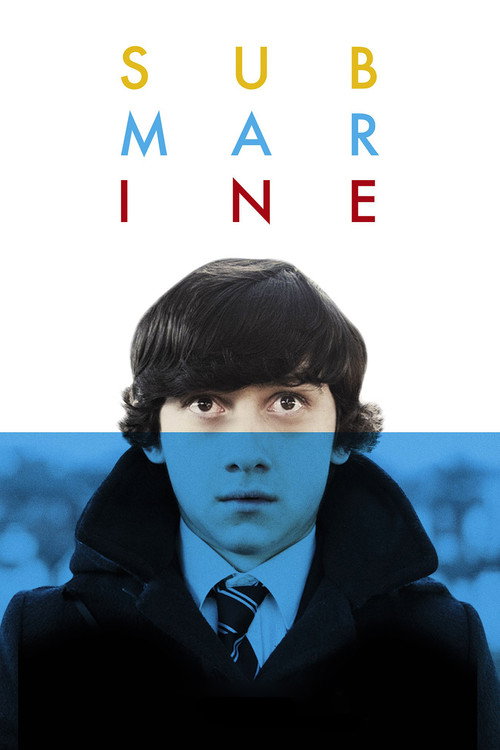
Submarine2011
British indie where a teenager navigates first love and family dissolution with wry humor and genuine feeling. Proof that small stories can matter as much as large ones.
But Quirky tone won't land if you find self-aware adolescent angst precious rather than poignant. The whimsy can overshadow the actual pain.
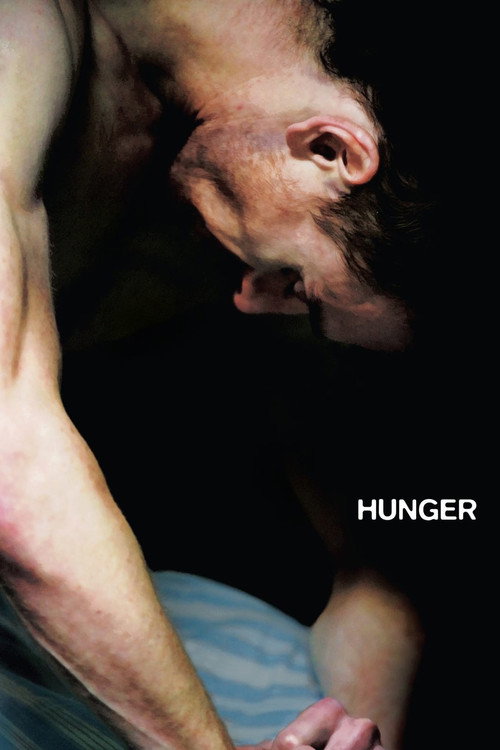
Hunger2008
Both refuse sentiment and cheap catharsis. Both understand that proximity—sitting with suffering—matters more than explanation.
Steve McQueen's film about an IRA prisoner's final days, told through long, unbroken takes. Operates almost without dialogue. The body becomes the only text. Formally radical but emotionally devastating.
But Demands active viewing. Minimal plot, political content that's presented without explanation, and climactic scenes that are genuinely difficult to witness.
The Leopard1963
Both films understand that personal dramas play out against forces larger than the individual. Both find dignity in people adapting to what they cannot change.
Visconti's 1963 epic about a Sicilian prince watching his world crumble into modernity. A masterpiece about grace under erasure, beauty persisting despite loss. Gorgeously photographed, devastatingly sad, but not without hope.
But Over three hours, in Italian, composed at a stately pace. If you want plot momentum or contemporary filmmaking, this will feel impossibly slow.

People
Cast
 Sonja RichterCecilie
 Nikolaj Lie KaasJoachim
 Mads MikkelsenNiels
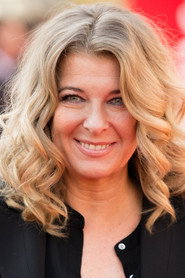 Paprika SteenMarie
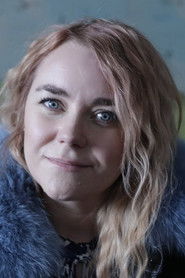 Stine BjerregaardStine
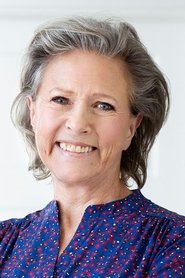 Birthe NeumannHanne
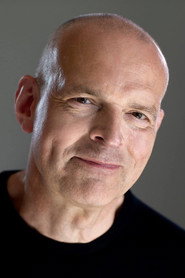 Niels OlsenFinn
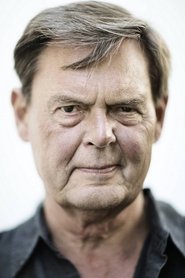 Ulf PilgaardThomsen
 Ronnie LorenzenGustav
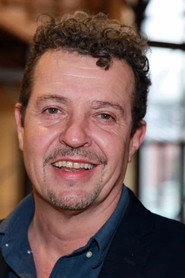 Anders NyborgRobert
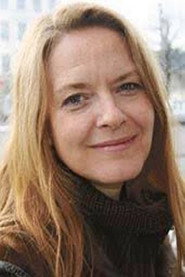 Ida DwingerSanne
Directing
- Susanne BierDirector
Writing
- Anders Thomas JensenScreenplay
Production
- Jette TermannCasting
- Lene SeestedCasting
- Peter Aalbæk JensenExecutive Producer
- Karen BentzonLine Producer
- Jonas FrederiksenProducer
- Sisse Graum JørgensenProducer
- Vibeke WindeløvProducer