
Film
Taxi
Other titles called Taxi: the 1978 series (NBC).
Jafar Panahi sits in a Tehran taxi with a camera on the dashboard, chatting with strangers who reveal themselves—their contradictions, frustrations, hopes. It's playful and heartbreaking, a portrait of Iranian life built from dozens of small conversations. Funny without being light. Essential cinema about constraint and ingenuity.
Should you watch it?
Watch it if you like films that get their drama from small talk and ordinary conversation, where a city's mood surfaces through strangers arguing, joking and confessing inside one fixed frame.
Skip it if you need plot momentum or polished performers, since nearly everything happens in one car and the talk can feel repetitive if you want scenes to build.
What it asks of you: an eighty-minute, mostly unhurried ride that rewards close attention to faces and asides more than to plot, drifting from light moments toward sharper ones.
Not sure? Find tonight's pick in a minute.
If you liked this
A Prophet2009
Prison microcosm where one man's rise reveals the systems everyone inhabits. Like Taxi, it builds character through observation and dialogue rather than plot, finding universal truths in confined spaces.
But Long, methodical, and demands patience. Some find the pacing glacial; others, meditative.

Before Sunrise1995
Two strangers walk Vienna talking. The entire film is conversation—argument, flirtation, philosophy—with no plot beyond connection. Linklater does what Panahi does: make speech itself the story.
But Nothing happens. If you need narrative momentum or a climax, this will frustrate you.

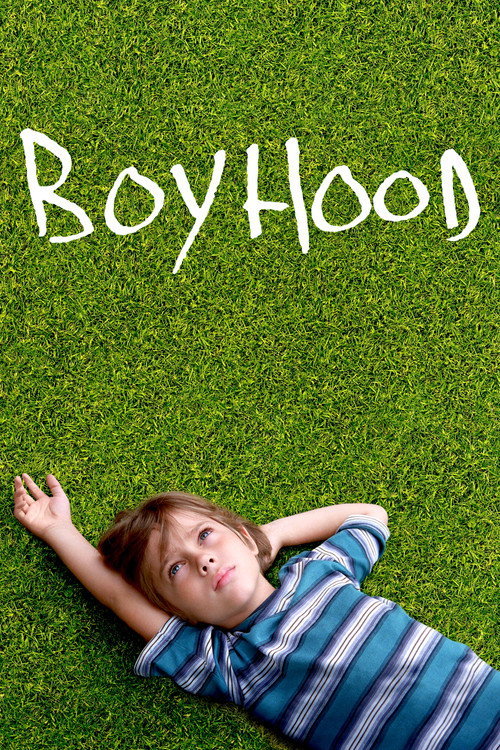
Boyhood2014
Twelve years of a boy's life captured in fragments. Like Taxi, it trusts small moments and dialogue over plot. It's about the texture of existence, not the skeleton of story.
But Three hours. Episodic. Some feel it mistakes duration for depth; others find that duration is precisely the point.
Not sure tonight? Get a pick in a minute, starting from Taxi
The wildcard
Something you would not have found on your own.
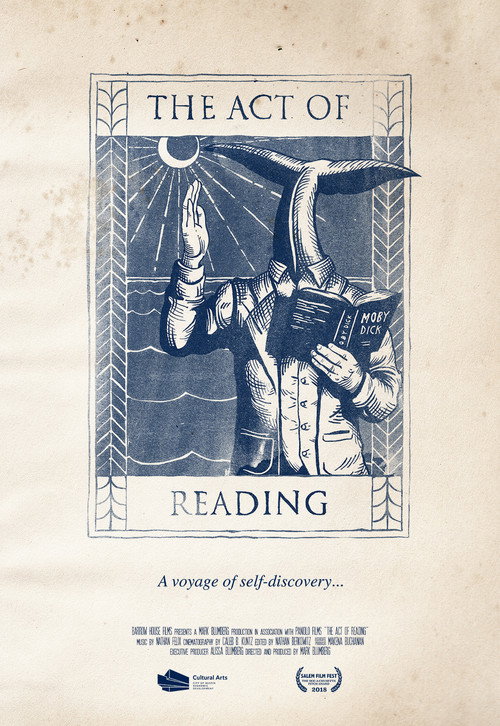
The Act of Reading2021
Both strip cinema to its essence: faces, speech, and the truth we can extract from human presence. Opposites in method—one expansive, one concentrated—but aligned in principle.
A German experimental film where an actress reads text while camera pans her face. Pure cinema about attention, interpretation, and the gap between words and expression. Panahi's taxi captures dialogue; this captures what dialogue omits.
But Experimental, minimal, difficult. No plot. Demands active viewing rather than passive reception. May feel pretentious or boring.
More like this (6)
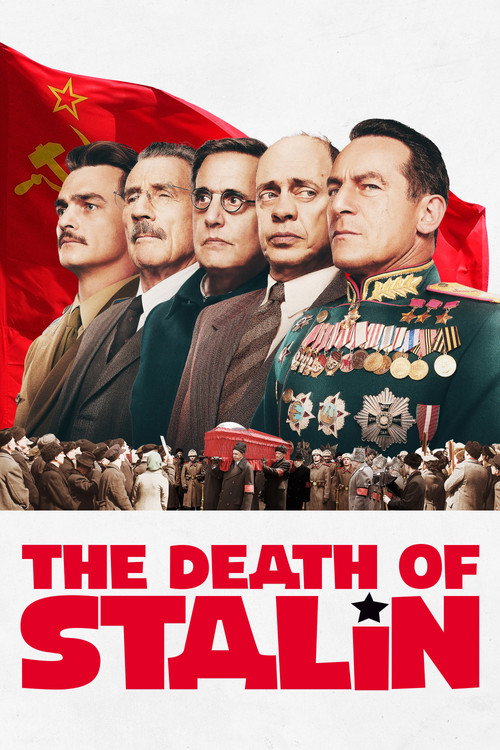
The Death of Stalin2017
Gallows humour about power, grief, and bureaucracy. It uses comedy the way Panahi does—as a weapon and a shield, letting you laugh at horror without trivialising it.
But Black-and-white, satirical, and deeply political. If you need warmth or straightforward feeling, you won't find it.
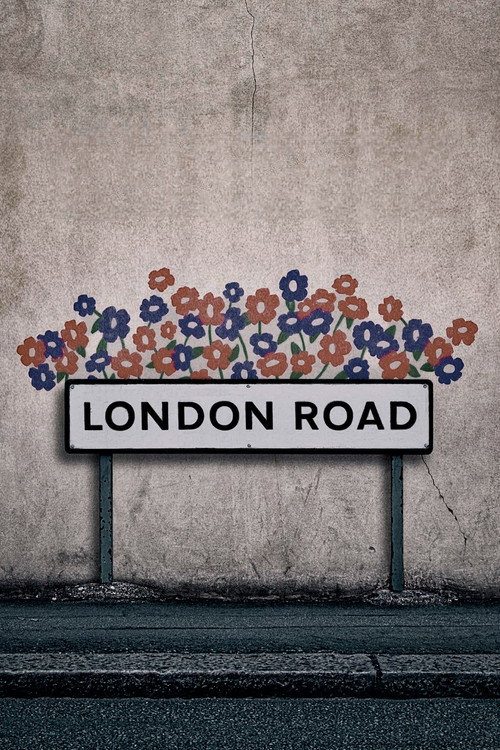
London Road2015
A street in England where residents talk, sing, and testify about a real crime. Like Taxi, it's about community unveiled, multiple voices in one space, the mundane and the terrible adjacent.
But Musical elements won't feel natural to everyone. Some may find the form precious or self-conscious.
The Act of Killing2012
Documentary where perpetrators of atrocity recreate and reflect on their crimes. Like Taxi, it uses the camera to excavate contradiction, moral blindness, and the stories we tell ourselves.
But Deeply disturbing. The subject matter is genocide. Not suitable for viewing casually or in the wrong frame of mind.

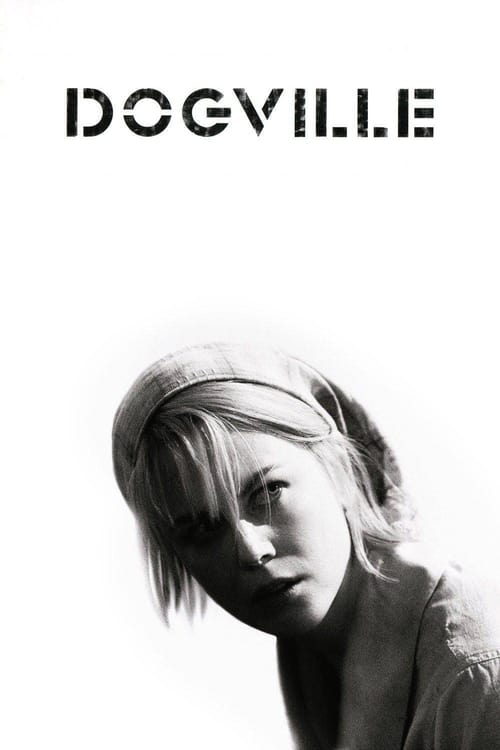
Dogville2003
Von Trier strips the mise-en-scène away, filming on a bare stage with actors. It's about seeing clearly—what Panahi's taxi does through conversation, Trier does through form.
But Three hours, austere, and ends in genuine darkness. Von Trier's coldness isn't for everyone, and the finale is nihilistic.
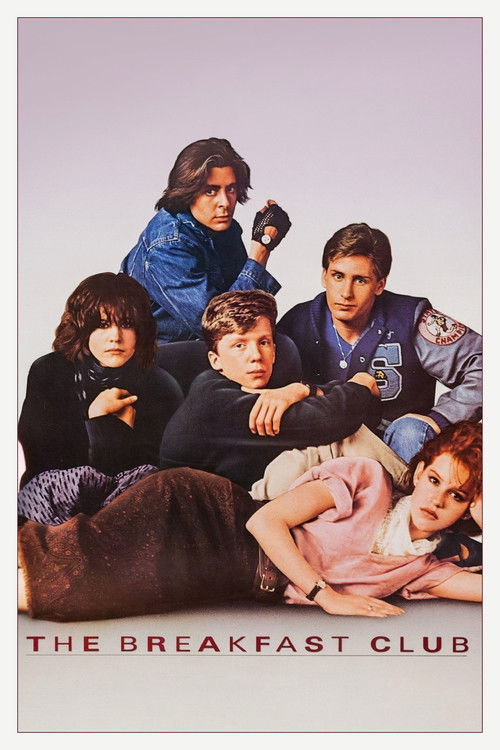
The Breakfast Club1985
Five teenagers in detention reveal themselves through talk. It's a chamber piece about identity and assumption. The same architecture as Taxi, though lighter and more American.
But Dated soundtrack, dated politics, and sentimentality that feels thin now. The ending is pat.
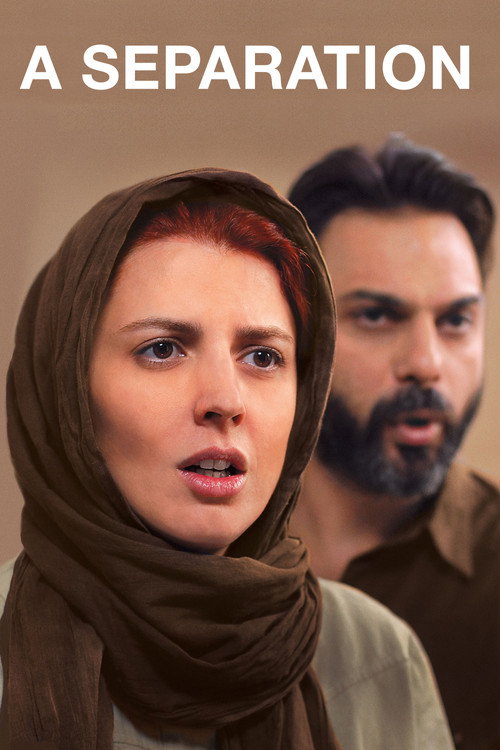
A Separation2011
Both are Iranian films about the texture of life under constraint, using character and dialogue rather than spectacle. Taxi is comedy through strangers; Separation is drama through intimacy—same country, same era, opposite angles.
Narges (Leila Hatami) navigates Iranian law, family, and her own contradiction. Like Taxi, it's about ordinary lives under pressure, conversations revealing what cannot be said aloud, the gap between what people claim and what they do.
But Iranian cinema, subtitled, slow. The moral complexity never resolves neatly. Some find it frustratingly ambiguous.
People
Cast
 Jafar PanahiSelf
- Hana SaeidiSelf
- Nasrin SotoudehWoman with roses
 Majid PanahiCinema Student (uncredited)
Directing
- Jafar PanahiDirector
Writing
- Jafar PanahiScreenplay
- Jafar PanahiStory
Production
- Jafar PanahiProducer
Recommended by
A Syrian Love Story, Exodus: Our Journey, Notturno, Rosewater, Hooligan Sparrow, No Bears, In The Name Of Scheherazade Or The First Beergarden In Tehran