
Film
In The Name Of Scheherazade Or The First Beergarden In Tehran
- Comedy
- Strange
A surreal documentary following four exiles from the Middle East who've landed in Germany, told through a kaleidoscopic web of stories and meta-narrative play. Director Narges Kalhor dissolves the boundary between documentary and fable, creating something that feels like watching someone think out loud about displacement, belonging, and the stories we tell to survive. Playful, elliptical, and deeply humane.
If you liked this
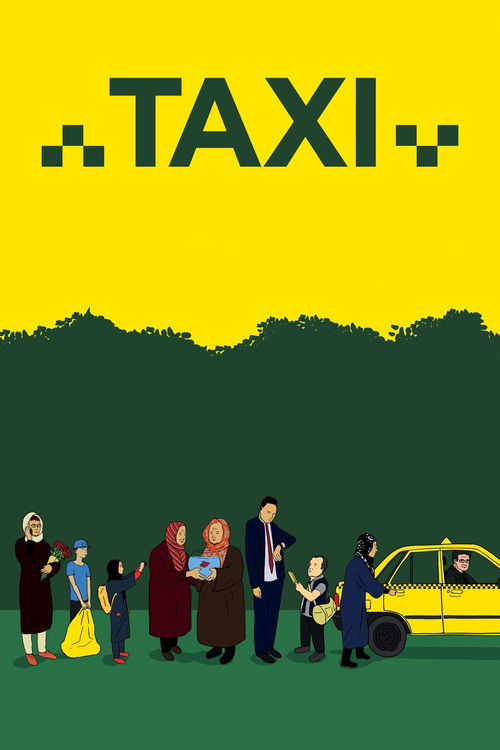
Taxi2015
Another Iranian perspective on life under constraint, told through the windshield of a car. Jafar Panahi films strangers and himself, creating something that's documentary, essay, and performance all at once. It shares Scheherazade's formal inventiveness and refusal to stay still.
But Panahi's earlier work; if you haven't encountered his style, it can feel frustratingly fragmented rather than illuminating. The fixed location might feel claustrophobic.
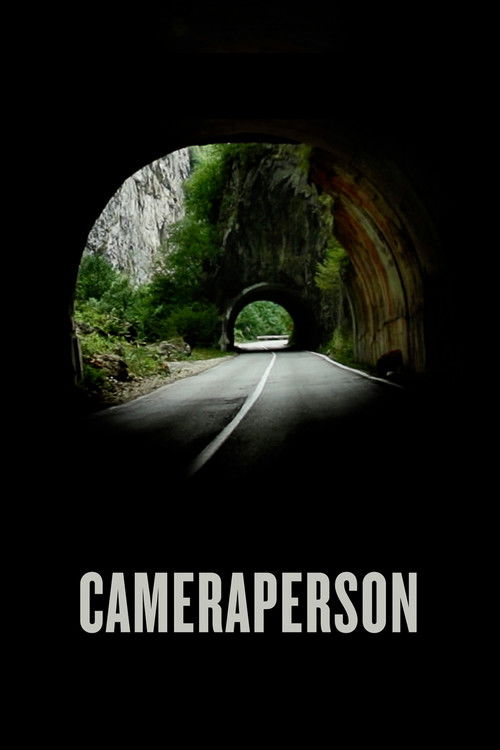
Cameraperson2016
Kirsten Johnson's documentary collage of footage she's shot worldwide over decades. It's intimate, political, formally radical—essentially a visual essay about witnessing and empathy. The fragmented, storified approach echoes how Scheherazade builds meaning through accumulated moments rather than linear narrative.
But No plot spine to follow. Some moments are disturbing. Requires active watching; passive viewing leaves you stranded.
The Act of Killing2012
Joshua Oppenheimer's stunning and morally complex film where Indonesian death-squad leaders recreate their crimes. It's formally inventive, asking how stories shape reality and responsibility. Like Scheherazade, it knows that how you tell something is inseparable from what you're saying.
But Lengthy at 122 minutes and emotionally difficult. The recreation sequences are unsettling by design. Not a light watch, or even a comfortable one.

Not sure tonight? Get a pick in a minute, starting from In The Name Of Scheherazade Or The First Beergarden In Tehran
The wildcard
Something you would not have found on your own.
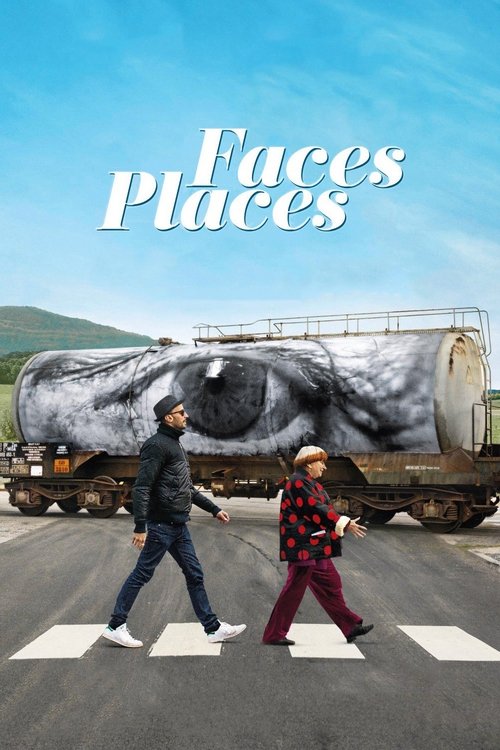
Faces Places2017
Both use spatial and narrative fragmentation to explore how people tell stories about themselves and their place in the world.
Agnes Varda and photographer JR drive across rural France in a mobile darkroom, creating large-format portraits and hearing stories. It's a documentary, yes, but also a meditation on aging, art, and what it means to listen. The connection: both films understand that displacement (literal or existential) requires new forms of storytelling—new ways of seeing and hearing. The road trip becomes a vessel for collected narratives.
But It's gentle rather than urgent, which might feel slow after Scheherazade's fractured energy. Varda's late-career work is wiser than provocative.
More like this (4)
Sans Soleil1983
Chris Marker's experimental essay film—a collage of images, voice, text, and philosophy about memory, travel, and political consciousness. It's the ancestor of this kind of deconstructed storytelling. If you want to know where formal playfulness meets genuine substance, this is it.
But Fifty years old and shot on video in the 1980s; the look is deliberately austere. Requires patience. The ideas come faster than explanation does.

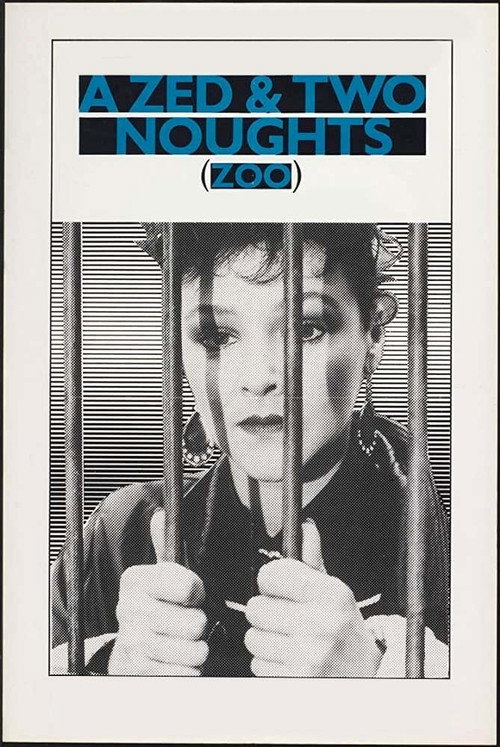
A Zed & Two Noughts1985
Peter Greenaway's baroque narrative about twins, symmetry, and decay. Not a documentary, but it shares Scheherazade's baroque sensibility—language, image, and concept layered until meaning becomes almost tactile. A masterclass in visual and narrative density.
But Deliberately artificial and cold. Some find Greenaway insufferable rather than brilliant. The film's artifice is the entire point, which won't appeal to everyone.
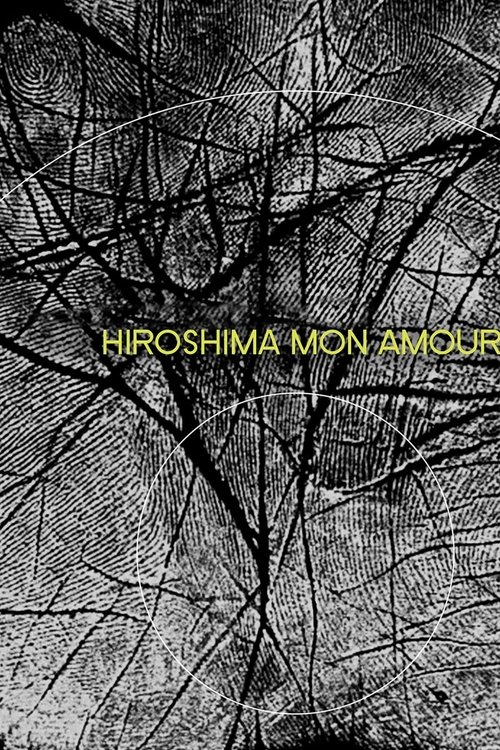
Hiroshima Mon Amour1959
Alain Resnais and Marguerite Duras craft a film where past and present, personal and political, blur impossibly. It's fractured, lyric, and formally radical for 1959. The way memory and story become inseparable is very much Scheherazade's territory.
But French New Wave formalism; if you find that precious or mannered, this will confirm it. Subtitles and abstraction together can be a lot.
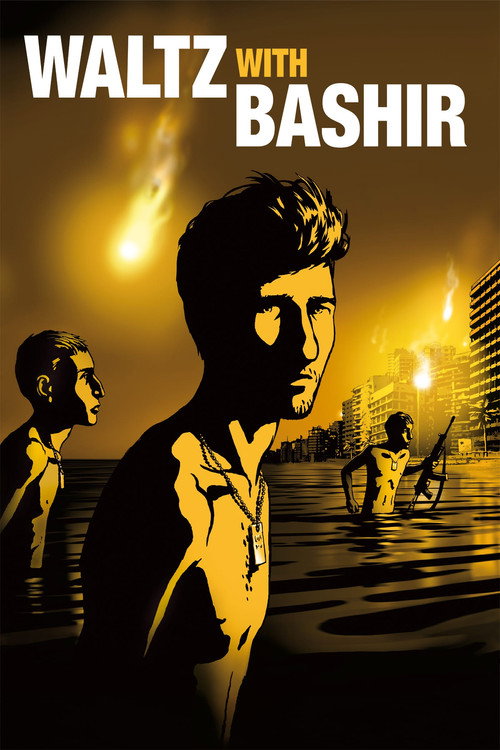
Waltz with Bashir2008
Both use formal innovation and meta-narrative to approach displacement and political violence; both understand that the way you tell a story about trauma shapes whether anyone can actually hear it.
Ari Folman's animated documentary about his lost memories of Lebanon and war. It reconstructs trauma through dreamlike sequences, interviews conducted in animation, and a formal language that's entirely its own. Like Scheherazade, it knows that some truths can only be told sideways, through surrealism and playfulness rather than solemn testimony.
But Animated documentary about war and trauma; the formal playfulness might feel inappropriately light to some, or conversely, the subject matter might be too heavy for the style you want. Ninety minutes and demanding.
People
Directing
- Narges KalhorDirector
Writing
- Aydin AlinejadScreenplay
- Narges KalhorScreenplay
Production
- Nicholas ColemanProducer