
Film
Rosewater
- Drama
- Very dark
Jon Stewart's directorial debut follows Iranian-Canadian journalist Maziar Bahari through 118 days of imprisonment after Iranian authorities misread a satirical Daily Show interview as espionage. It's intimate, tense, and occasionally darkly funny—a portrait of how absurdity and brutality coexist under authoritarian surveillance, grounded in performance rather than spectacle.
Should you watch it?
Watch it if you love political stories where wit and dread share a scene, and a sharp, humane lead who keeps his composure while the walls close in.
Skip it if you want a fast thriller; this is talky and measured, with long stretches of waiting and interrogation that stay more frustrating than suspenseful.
What it asks of you: Just under two hours of patient attention, with a tone that shifts between dry humour and real menace rather than chasing big set pieces.
Not sure? Find tonight's pick in a minute.
If you liked this
A Prophet2009
A Moroccan inmate's rise through prison hierarchy mirrors Bahari's navigation of power dynamics with his captor. Both examine how systems of confinement shape identity, with the same unflinching focus on human behaviour under pressure.
But It's slower and colder than Rosewater, with less emotional warmth. The prison setting feels relentlessly gray and European rather than viscerally immediate.

Taxi2015
Iranian director Jafar Panahi's own response to state repression, filmed covertly inside a Tehran cab. It shares Rosewater's dark humour and specificity about Iranian bureaucratic absurdity, but from the inside.
But It's fragmented and deliberately anti-narrative—a series of vignettes rather than a throughline. The political context matters enormously; without it, scenes can feel scattered.

Spotlight2015
Another film about journalists pursuing truth against institutional indifference, but in America. The procedural satisfaction and ensemble work resonate with Bahari's investigation of his own case.
But It's an ensemble piece focused on process rather than individual suffering. There's no personal imprisonment, so the stakes feel different—less intimate, more institutional.

Not sure tonight? Get a pick in a minute, starting from Rosewater
The wildcard
Something you would not have found on your own.
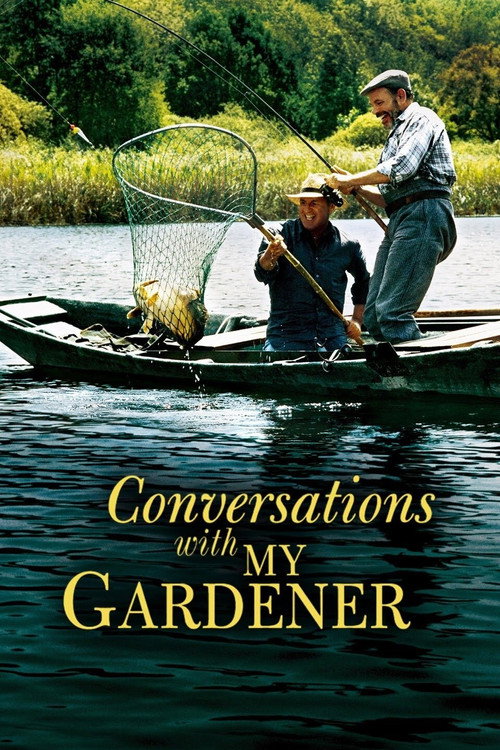
Conversations with My Gardener2007
Both films locate resistance not in action but in maintaining human dignity through conversation. Bahari's interrogations with his captor echo the gardener's patient refusal to disappear into abstraction.
A French painter and his gardener discuss art, mortality, and meaning over decades. Radically lighter than Rosewater, it's about bearing witness and connection—how ordinary presence becomes revolutionary under tyranny of indifference.
But It's a two-hander with minimal plot and no conventional drama. If you need incident and momentum, this will feel like nothing is happening.
More like this (7)
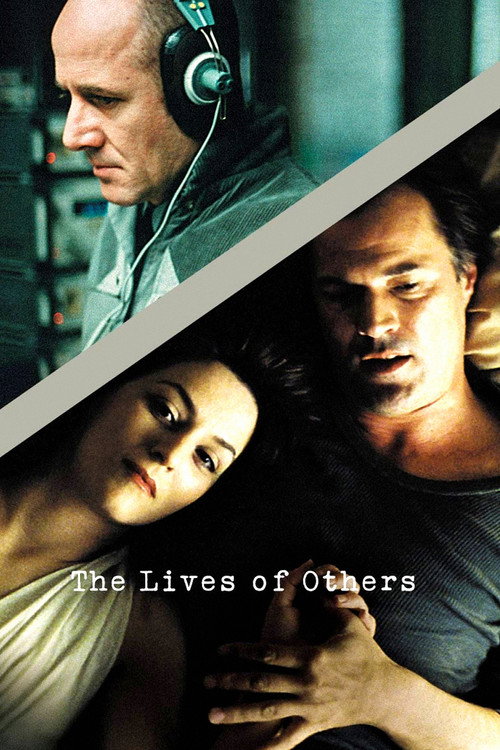
The Lives of Others2006
A Stasi officer's surveillance of a playwright in Cold War Berlin echoes Rosewater's exploration of watchers and watched. It's masterfully tense, with genuine moral complexity at its heart.
But It's more European and cerebral, less grounded in a specific personal ordeal. The protagonist's transformation can feel abstract compared to Bahari's concrete experience.
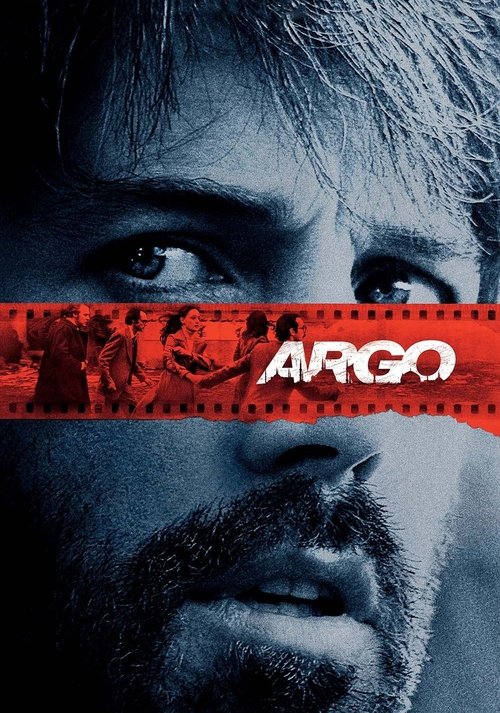
Argo2012
Ben Affleck's Iran hostage thriller shares the setting and era. It's taut, clever, and deeply engaged with how the West narrativizes Iranian crises.
But It's a heist film first and foremost—entertaining but ultimately simpler than Rosewater's psychological wrestling with torture and complicity.
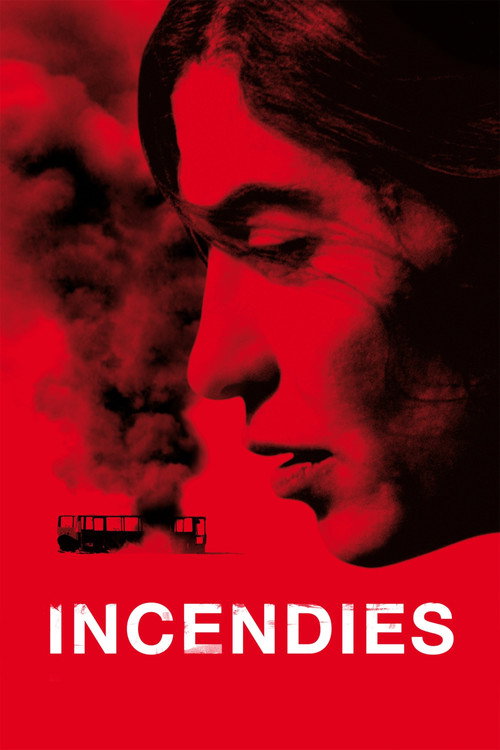
Incendies2010
Denis Villeneuve traces family rupture across decades of Middle Eastern conflict. Like Rosewater, it refuses easy sentiment while exploring how trauma rewrites identity.
But It's Byzantine, bleak, and structured around revelations that can feel manipulative. The time jumps demand close attention and emotional endurance.
The Act of Killing2012
Joshua Oppenheimer gets Indonesian death-squad leaders to reenact their mass murders. It's about complicity, performance, and how power rewrites history—themes woven through Rosewater's interrogation scenes.
But It's graphically disturbing and morally vertiginous in ways that feel almost unbearable. The reenactments are grotesque; this isn't cathartic viewing.

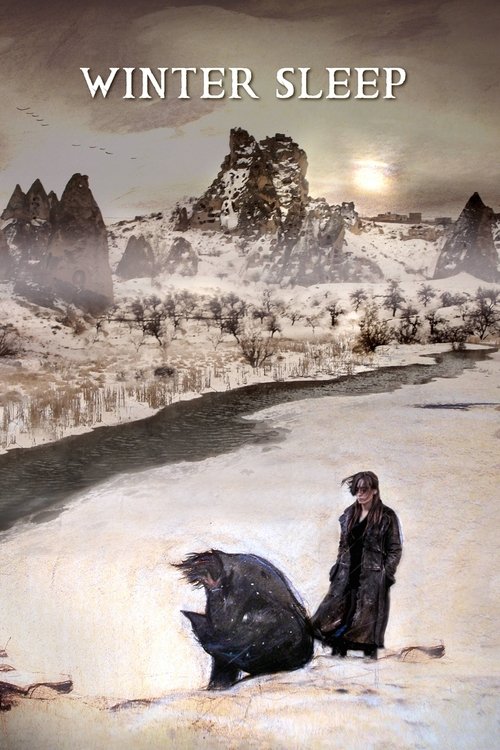
Winter Sleep2014
Nuri Bilge Ceylan's three-hour Turkish epic about power, righteousness, and the distance between intention and impact. It shares Rosewater's interest in how systems dehumanize the people trapped inside them.
But It's glacially paced, almost entirely dialogue, and structured as philosophical argument rather than narrative drive. Winter Sleep demands patience most viewers won't have.
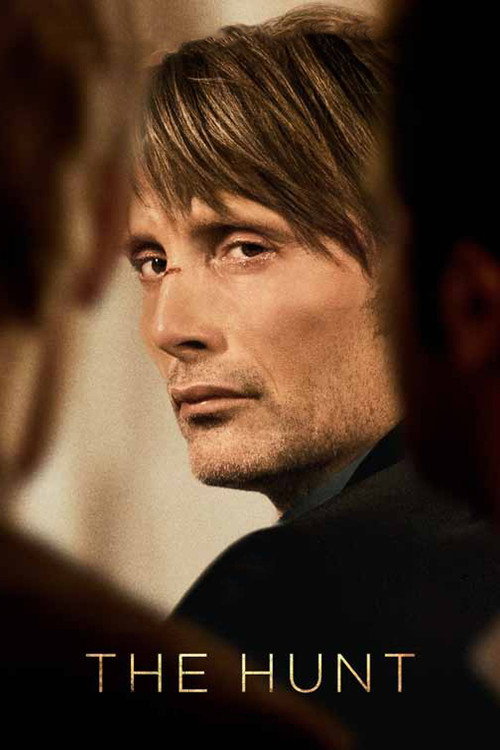
The Hunt2012
Both examine how confession becomes impossible under pressure, how a person can be simultaneously guilty of nothing and unable to prove it. The system doesn't require truth; it requires surrender.
Thomas Vinterberg's Danish film about a false accusation that destroys a man's life. It's a masterclass in how authority and credibility operate, how easily narrative collapses into propaganda.
But It's infuriating by design—you watch injustice compound with increasing helplessness. The bleakness extends to the ending; there's no catharsis.
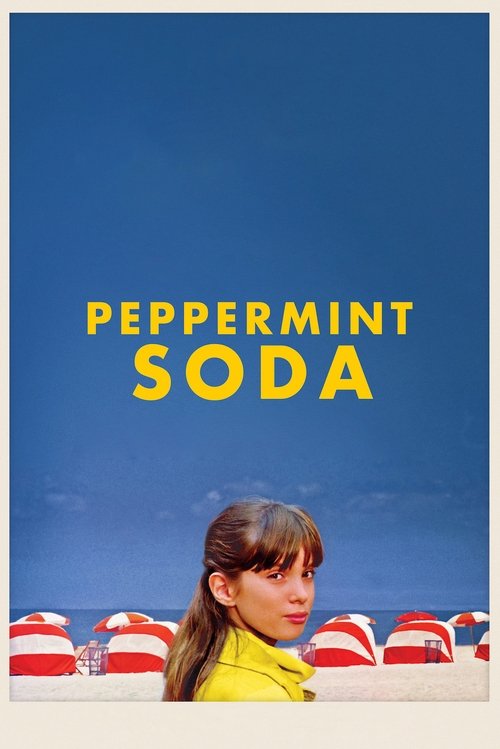
Peppermint Soda1977
Both films insist that personal memory and state history are inseparable. Rosewater and Peppermint Soda refuse to let politics live in a separate compartment from intimacy, food, family, the texture of a room.
Diane Kurys remembers 1960s France through two sisters navigating adolescence and Algeria's independence crisis. It's gorgeous and urgent, mixing daily life with historical rupture in the way Rosewater interweaves torture with mundane details.
But It's a nostalgic coming-of-age film that some will find self-indulgent. The political context is peripheral unless you know French history; without it, the gravity feels assumed rather than earned.
People
Cast
 Gael García BernalMaziar Bahari
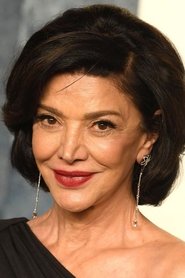 Shohreh AghdashlooMoloojoon
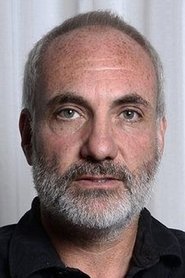 Kim BodniaJavadi (Rosewater)
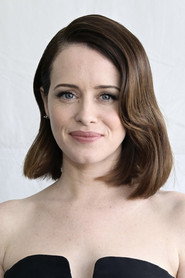 Claire FoyPaola
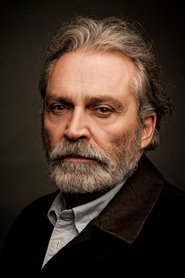 Haluk BilginerBaba Akbar
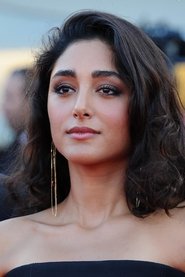 Golshifteh FarahaniMaryam
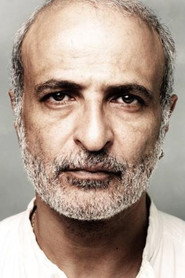 Nasser FarisHaj Agha
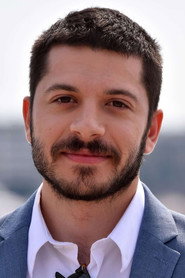 Dimitri LeonidasDavood
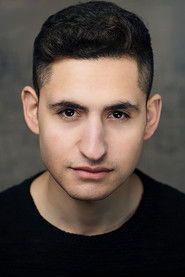 Amir El-MasryAlireza
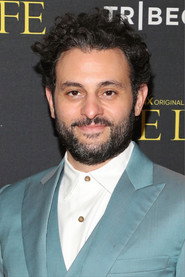 Arian MoayedHamid
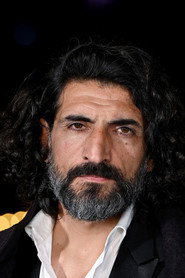 Numan AcarRahim
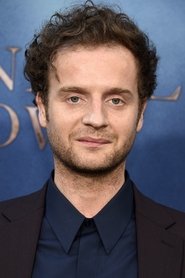 Andrew GowerJimmy the avid editor
Directing
- Jon StewartDirector
- Mary BaileyScript Supervisor
Writing
- Jon StewartScreenplay
- Aimee MolloyStory
- Maziar BahariStory
Production
- Atilla Salih YücerAssociate Producer
- Catherine FarrellAssociate Producer
- Jason SackAssociate Producer
- Jason ShrierAssociate Producer
- Debra ZaneCasting
- Jina JayCasting
- Rachel DesmarestCasting
- Will WeiskeCo-Producer
- Chris McShaneExecutive Producer
- Eli BushExecutive Producer
- Lila YacoubExecutive Producer
- Gigi PritzkerProducer
- Jon StewartProducer
- Scott RudinProducer