
Film
Notturno
- Western
- Very dark
- Slow-burning
Gianfrancesco Rosi's immersive documentary follows ordinary people across four Middle Eastern border zones—Iraq, Kurdistan, Syria, Lebanon—rebuilding fractured lives amid ongoing conflict, ISIS remnants, and political collapse. Shot over three years with patient, observational cinema, it's intimate and expansive, refusing easy answers or sentimentality. For viewers who want to understand how people endure when everything feels broken.
Should you watch it?
Watch it if you find real patience with images, and want a film that lets a night-time landscape and a stranger's silence say more than any commentary would.
Skip it if you want a story with a spine, a guiding voice or context handed to you; this is observation without explanation, and it can feel slow and diffuse.
What it asks of you: Around a hundred minutes of unhurried frames, long pauses and little spoken explanation; the attention has to supply the connections itself.
Not sure? Find tonight's pick in a minute.
If you liked this
The Act of Killing2012
A shattering documentary that confronts perpetrators of atrocity directly, forcing them to perform their own crimes. Like Notturno, it refuses the safety of distance and asks uncomfortable questions about survival and complicity.
But Emotionally brutal and potentially nauseating. The premise feels like it shouldn't work, and watching it unfold is genuinely disturbing.

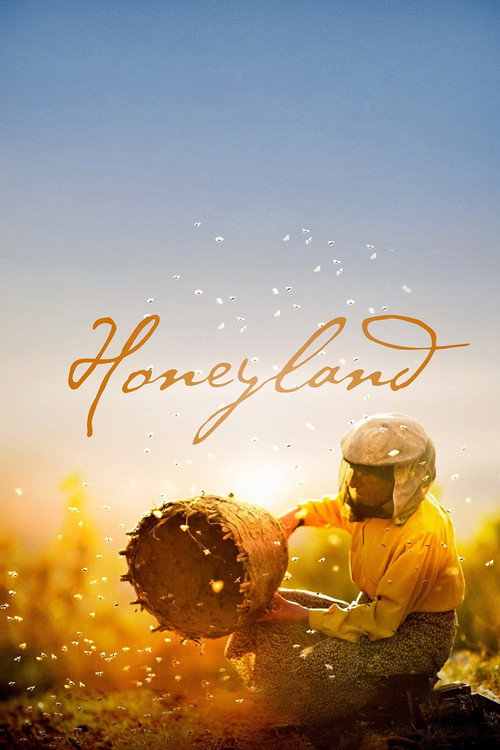
Honeyland2019
A documentary about a woman beekeeping in rural Macedonia that becomes a profound study of resilience, dignity, and resource scarcity. Same patient, non-exploitative approach to ordinary lives under pressure that makes Notturno so moving.
But Quiet and slow-paced; there's no plot engine, just observation. Some will find it meditative, others will find it remote.
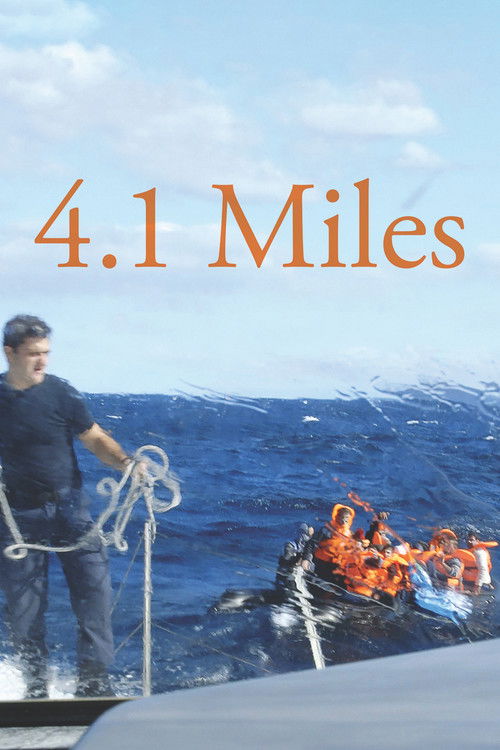
4.1 Miles2017
Shot on the Aegean Sea, following coast guard rescuers saving migrant boats. It's documentary cinema at its most ethically precise—showing what's happening without performing for the camera or manufacturing drama.
But The repetition of rescue, near-death, and bureaucratic indifference can feel grinding. It doesn't resolve anything.
Not sure tonight? Get a pick in a minute, starting from Notturno
The wildcard
Something you would not have found on your own.
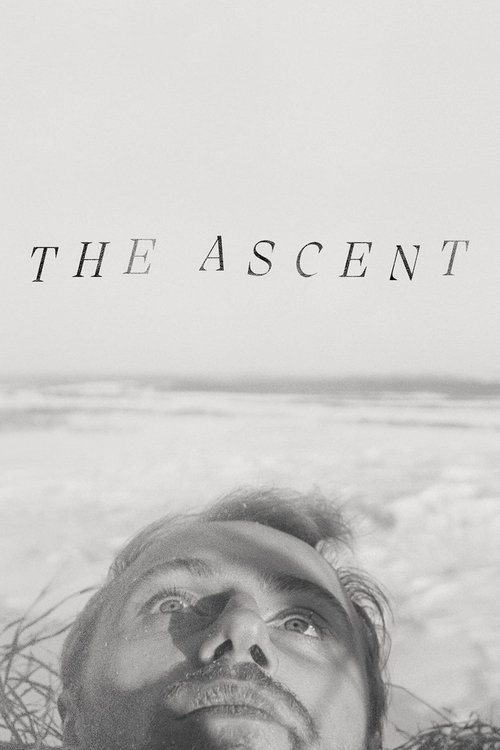
The Ascent1977
Both use landscape, endurance, and sparse dialogue to explore how humans survive when ideology and geography conspire against them. No easy answers, no catharsis.
Andrei Tarkovsky's film about two Soviet partisans in occupied Poland—a spiritual and philosophical meditation on faith, suffering, and the body under extremity. Like Notturno, it treats violence and hardship with metaphysical seriousness rather than journalistic distance.
But Glacial, symbolic, and demanding. If you approach it as a war film, you'll be mystified. It's a poem in cinema form.
More like this (6)
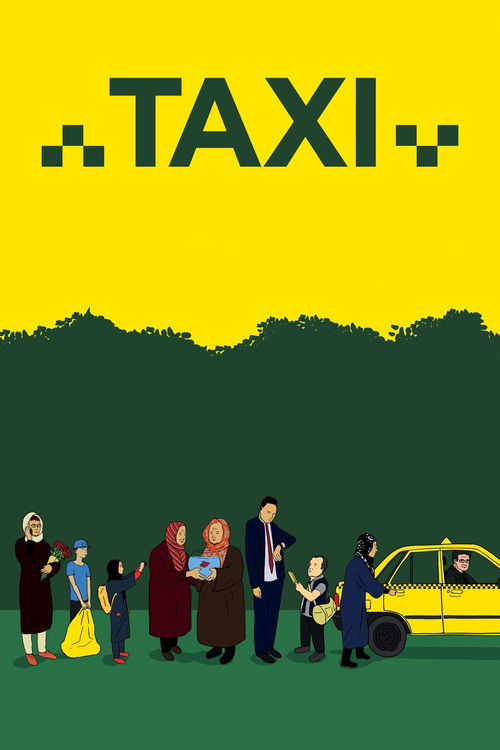
Taxi2015
A taxi driver in Tehran picks up passengers and records their stories. It captures daily life under oppression with humour, intimacy, and enormous humanity. The constraints create possibility rather than merely constraint.
But The episodic structure means nothing 'happens.' If you need narrative momentum, this will feel static.
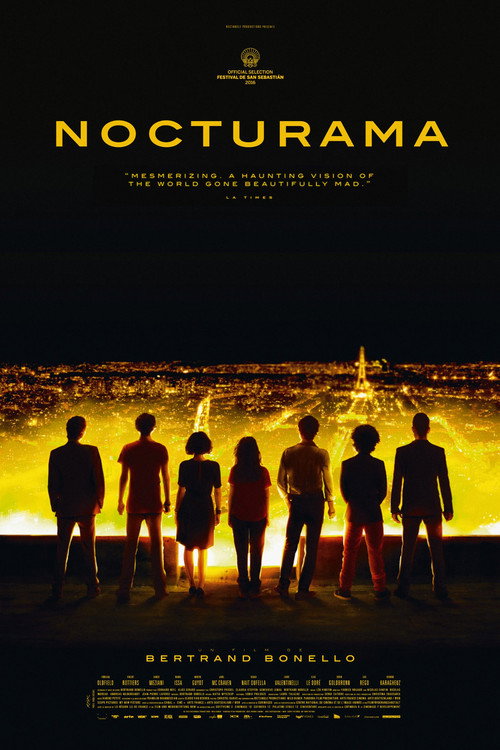
Nocturama2016
Though narrative rather than documentary, this film by Bertrand Bonello shares Notturno's obsession with surveillance, urban space, and young people trapped in historical forces beyond their control. A formal experiment that feels urgent.
But Deliberately opaque and slow-burn. The final act asks a lot of the viewer's patience and willingness to sit with ambiguity.
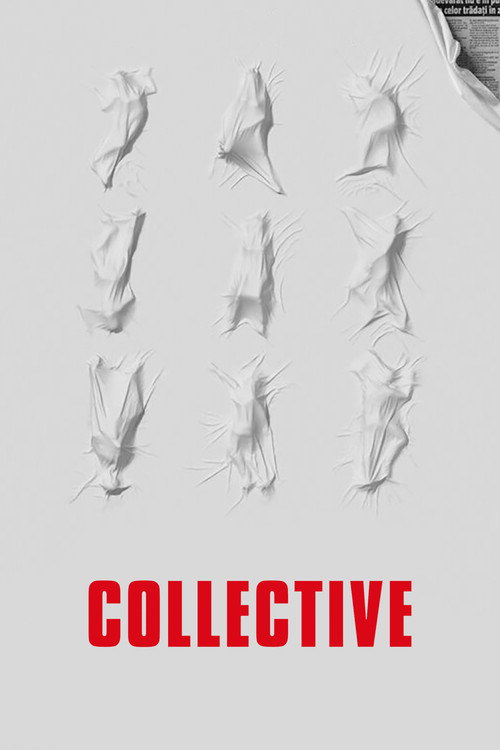
Collective2019
A Romanian documentary about institutional corruption following a nightclub fire. It shows how documentation itself becomes an act of resistance, and how ordinary people navigate impossible bureaucracies.
But Procedurally dense and infuriating—you'll want to scream at the screen. Not cathartic; deliberately frustrating.
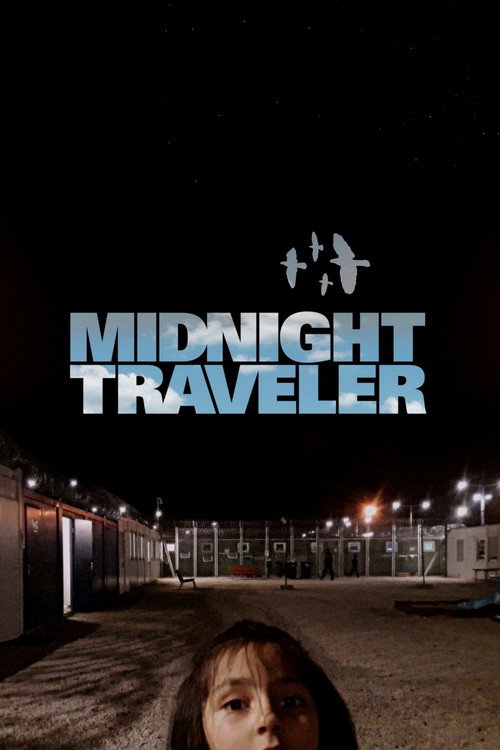
Midnight Traveler2019
An Afghan family films themselves fleeing to Iran, Pakistan, and Turkey using their phones. Intimate, immediate, and harrowing—what it actually feels like to be displaced, not what documentarians typically show us.
But The aesthetic is deliberately rough and mobile. If you need cinematic polish, it will feel amateurish (it's intentionally so).
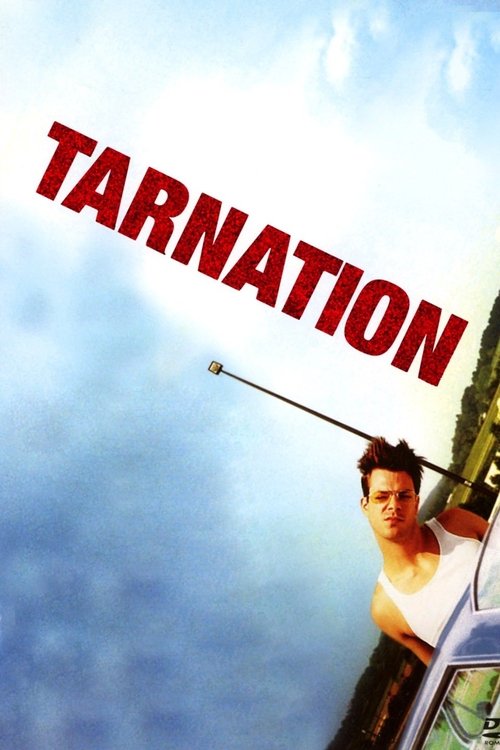
Tarnation2003
Both reject the 'neutral observer' stance of conventional documentary. They ask: how do you formally represent suffering without exploiting it or prettifying it?
Jonathan Caouette made this on DV in the early 2000s—a fractured, chaotic family documentary that feels like trauma itself, with layered footage, found material, and non-linear editing. Radically different formal approach but similar emotional truth about lives broken by forces beyond individual control.
But Formally difficult and emotionally raw. The editing is intentionally disorienting; some will find it gimmicky rather than moving.
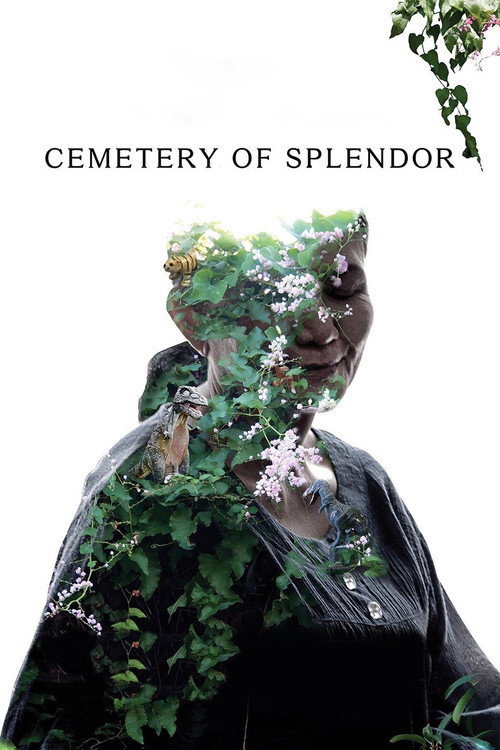
Cemetery of Splendor2015
Both use patient observation and landscape to ask what it means to continue living when circumstances are beyond understanding. Neither film pretends to solve the problem it observes.
Apichatpong Weerasethakul's narrative film set in a rural Thai hospital where a mysterious illness spreads. It's formally experimental and gorgeously shot, but its real subject is time, memory, and the ordinary persistence of life amid inexplicable crisis.
But Deliberately dreamlike and resistant to plot. It moves on its own logic, not yours. Requires genuine patience and comfort with ambiguity.
People
Directing
- Giuseppe Del VolgoAssistant Director
- Guevara NamerAssistant Director
- Hassan HaidarAssistant Director
- Salam Salman MezaalAssistant Director
- Gianfranco RosiDirector
Writing
- Gianfranco RosiWriter
Production
- Hanna M. IssaFinance
- Martin BertierLine Producer
- Camille LaemléProducer
- Diana El JeiroudiProducer
- Donatella PalermoProducer
- Eva-Maria WeertsProducer
- Gianfranco RosiProducer
- Orwa NyrabiaProducer
- Paolo Del BroccoProducer
- Serge LalouProducer
- Gustavo CoscarellaProduction Accountant
Recommended by
Kedi, Valentino: The Last Emperor, Amandla! A Revolution in Four-Part Harmony