
Film
Amandla! A Revolution in Four-Part Harmony
A documentary about South Africa's anti-apartheid movement told almost entirely through music. Lee Hirsch assembles archival footage, contemporary interviews, and live performances to show how songs became the language of resistance—protest anthems that united communities, sustained hope, and ultimately helped topple a regime. Essential viewing for anyone who wants to understand how cultural expression becomes political power.
If you liked this
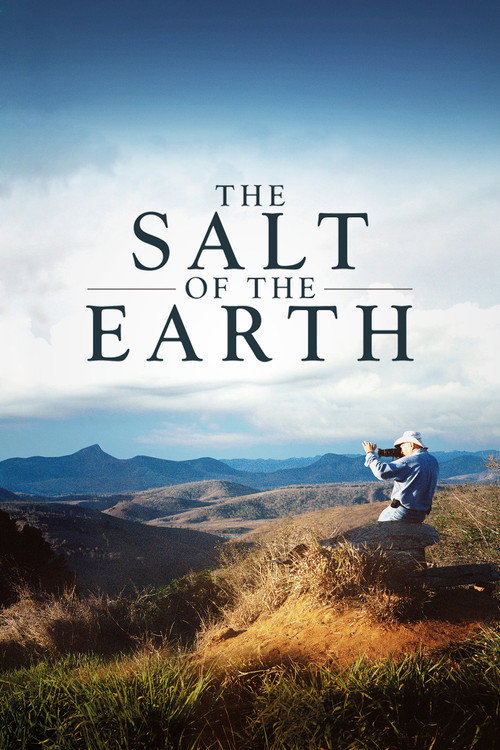
The Salt of the Earth2014
Sebastião Salgado's photographs of human struggle and resilience are presented alongside his own reflections. Like Amandla!, it shows how art—visual rather than sonic—becomes witness and testimony to suffering and resistance.
But It's visually overwhelming in its bleakness. Long stretches demand patience; it doesn't entertain so much as demand you sit with the weight of what you're seeing.
Winnie the Pooh2011
A documentary portrait of Winnie Madikizela-Mandela that goes beyond the mythology surrounding her, using interviews and archival material to explore complicity, power, and complexity in the struggle against apartheid.
But It's deliberately ambiguous and refuses easy judgement. Some viewers want clarity; this film offers moral complication instead.
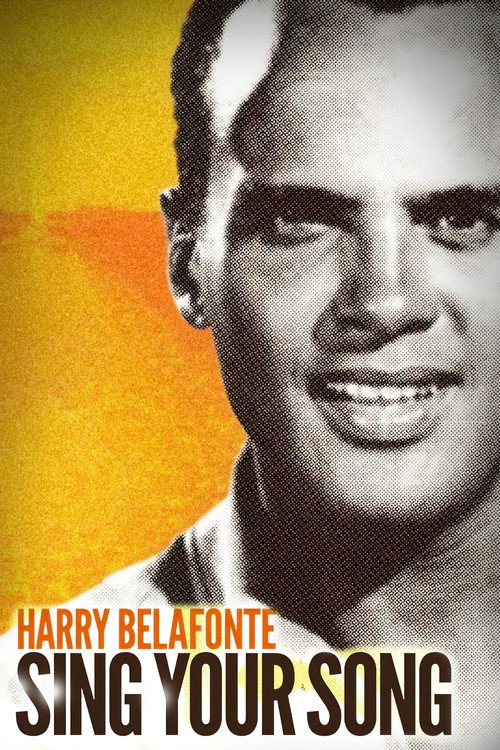
Sing Your Song2012
Harry Belafonte's autobiography through music and activism. He sang for the Civil Rights movement and against apartheid, using his platform the way Amandla! shows ordinary South Africans used theirs.
But It's structured as a conventional biographical doc. If you're hoping for formal innovation or challenging narrative, you won't find it here.
Not sure tonight? Get a pick in a minute, starting from Amandla! A Revolution in Four-Part Harmony
The wildcard
Something you would not have found on your own.
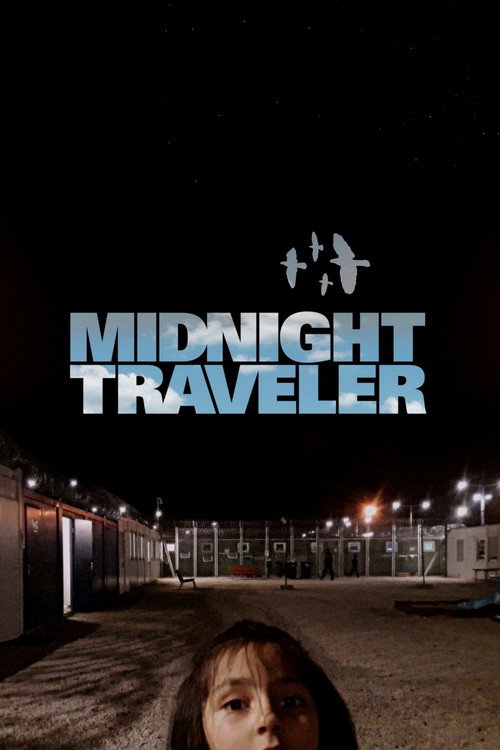
Midnight Traveler2019
Both are about survival through documentation and witness. Where Amandla! shows how communities sang together against oppression, Midnight Traveler shows how a family keeps going by recording the truth they're living. Both trust testimony and presence over spectacle.
An Afghan filmmaker documents his family's escape from the Taliban using only a smartphone. It's intimate, urgent, and achingly real—a contemporary story of displacement and survival that echoes the stakes and solidarity that ran through South African resistance.
But It's filmed entirely on a phone and has minimal production value. Formally, it's rough; emotionally, it's relentless. Some viewers find the aesthetic raw to the point of discomfort.
More like this (7)
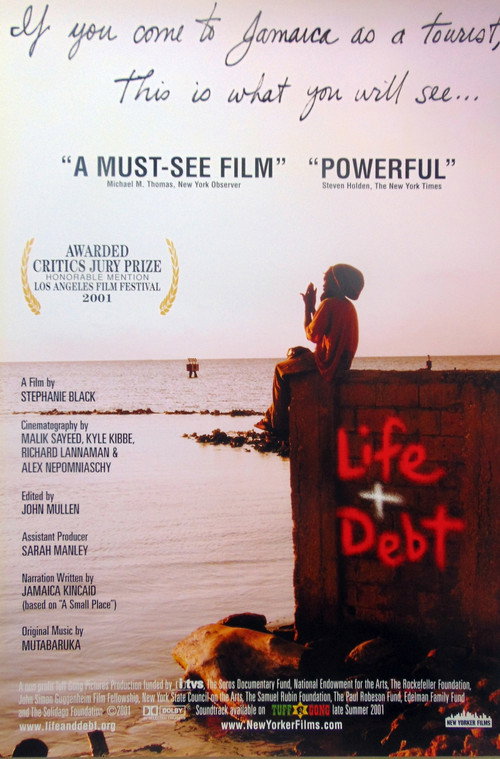
Life and Debt2001
Stephanie Black uses music, archival footage, and poetic montage to explore Jamaica's economic colonization. The formal approach—using sound and image as argument—echoes Amandla!'s method of telling political history through culture.
But It's formally experimental and demands active viewing. Some sequences are abstract; there's no narrator explaining what you should think.
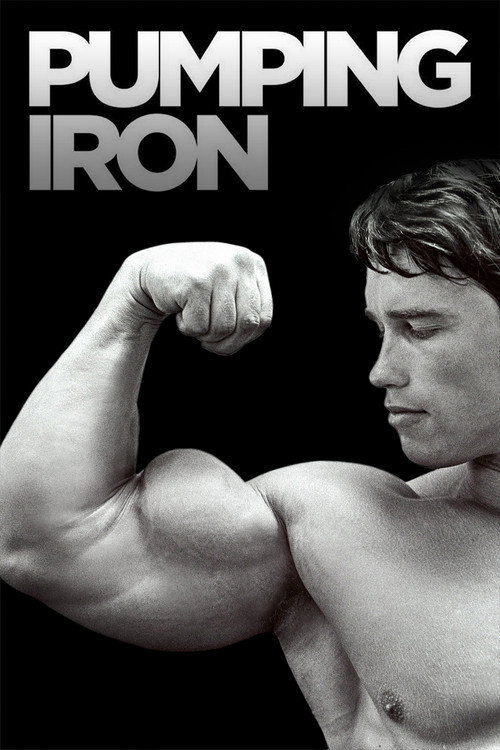
Pumping Iron1977
An unexpectedly great documentary about bodybuilding that captures a subculture on the cusp of mainstream acceptance. It has the fly-on-the-wall intimacy and cultural specificity that makes Amandla! feel alive rather than lecture-y.
But It's a film about muscles and narcissism. If that doesn't sound inherently interesting, the charm won't convert you.
The Act of Killing2012
A shattering Indonesian documentary where perpetrators of genocide reenact their crimes. It explores how societies process atrocity through a radically different approach, but shares Amandla!'s interest in how meaning is constructed and performed.
But It's deeply disturbing and morally vertiginous. Watching men cheerfully recreate mass murder is an ordeal, not entertainment.

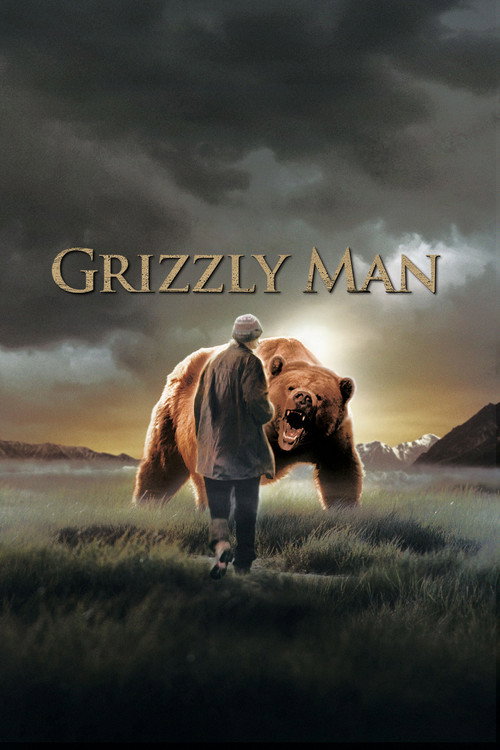
Grizzly Man2005
Werner Herzog's examination of Timothy Treadwell uses archival footage, interviews, and the director's own philosophical voice to ask questions about obsession, nature, and meaning-making. It's a masterclass in how documentary form can generate complexity.
But It's oblique about its actual subject for long stretches. If you want straightforward information about bears, you'll be frustrated.
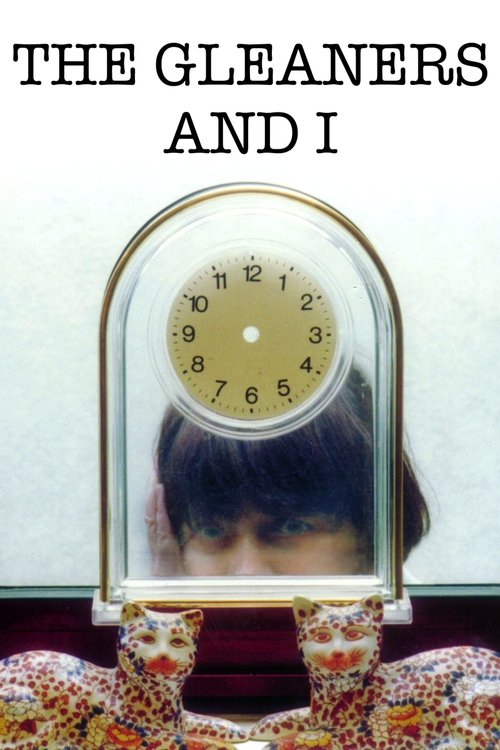
The Gleaners and I2000
Agnès Varda's essay film about waste, dignity, and class uses her own camera, voice, and encounters to build a portrait of rural France. It shares Amandla!'s warmth toward ordinary people and its refusal to be coldly academic.
But Nothing happens. There's no drama or conflict. If you need conventional narrative momentum, this will feel aimless.
Man with a Movie Camera1929
Dziga Vertov's avant-garde Soviet documentary uses music, montage, and visual rhythm to create meaning from everyday life. It's a radical ancestor to Amandla!'s approach: form itself becomes the argument.
But It's a silent film from 1929 with no plot. Most people find it challenging rather than accessible, even with a good score.

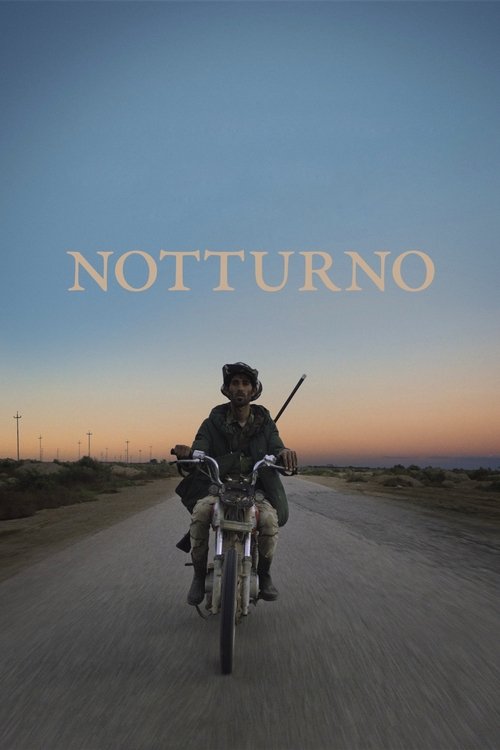
Notturno2020
Both films understand that showing up and listening is itself a form of resistance and love. Amandla! listens to South African voices singing for freedom; Notturno listens to the silence of people trying to survive. Both trust that presence and attention matter more than judgment or narrative convenience.
Gianfranco Rosi spends years filming in Iraq, Syria, Lebanon, and Palestine—capturing intimate moments with people displaced by war. There's no score, no interviews, no explanation; just observation and proximity. It's a profound meditation on witnessing and the possibility of dignity amid catastrophe.
But Nothing is explained. You're given images and sound, left to make sense of it. It's slow, oblique, and emotionally demanding in ways that feel almost hostile.
People
Cast
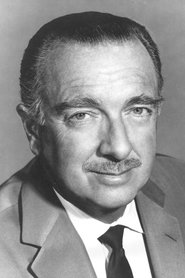 Walter CronkiteSelf (voice)
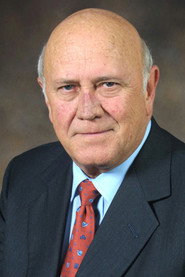 F.W. de KlerkSelf (archive footage)
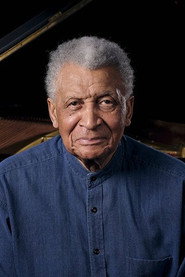 Abdullah IbrahimSelf
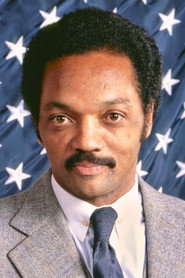 Jesse JacksonSelf (archive footage)
- Duma Ka NdlovuSelf
- Ronnie KasrilsSelf
- Vusi MahlaselaSelf
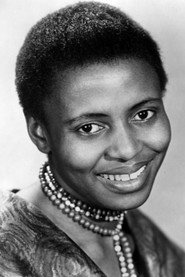 Miriam MakebaSelf
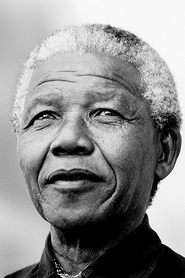 Nelson MandelaSelf (archive footage)
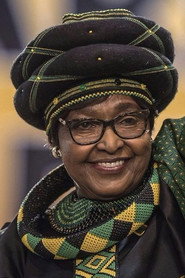 Winnie MandelaSelf (archive footage)
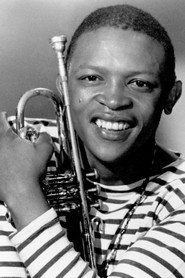 Hugh MasekelaSelf
Directing
- Lee HirschDirector
Writing
- Lee HirschWriter
Production
- Sherry SimpsonExecutive Producer
- Desireé MarkgraaffProducer
- Johnathan DorfmanProducer
- Lee HirschProducer
- Sherry SimpsonProducer
- Temple FennellProducer
- Eliza HindmarchPublicist