
Film
Life and Debt
Life and Debt is a documentary essay that lays bare how the IMF and World Bank's structural adjustment policies have systematized Jamaica's economic devastation. Using archival footage, interviews, and Belinda Becker's careful narration, it builds a case for how debt becomes a tool of control. Essential viewing for anyone who wants to understand how global finance actually works.
Should you watch it?
Watch it if you want a documentary that makes big global economics feel concrete, following how a single island's farms, factories and kitchens are reshaped by decisions made in distant boardrooms.
Skip it if you come to documentaries for talking heads and sweeping interviews, since this one leans on observational footage and a steady narrator, and its argument builds slowly rather than arriving with a jolt.
What it asks of you: Under ninety minutes, it asks for patient attention rather than emotional ups and downs, moving methodically through its case with a calm, clear-eyed tone that never really raises its voice.
Not sure? Find tonight's pick in a minute.
If you liked this
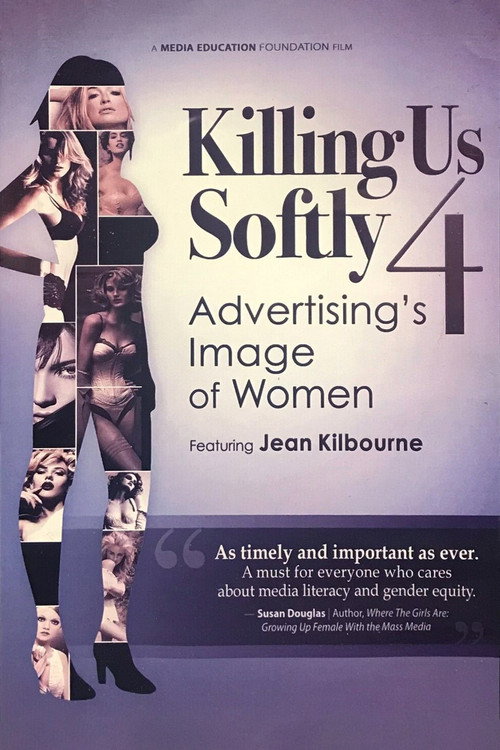
Killing Us Softly 4: Advertising's Image Of Women2010
Jean Kilbourne dissects advertising's psychological manipulation and how it manufactures desire and inequality, with clear examples and furious intelligence. Immediate and visceral in ways economic documentary often isn't.
But Focuses on gender and body image rather than economic systems, so it's narrower in scope than Life and Debt.
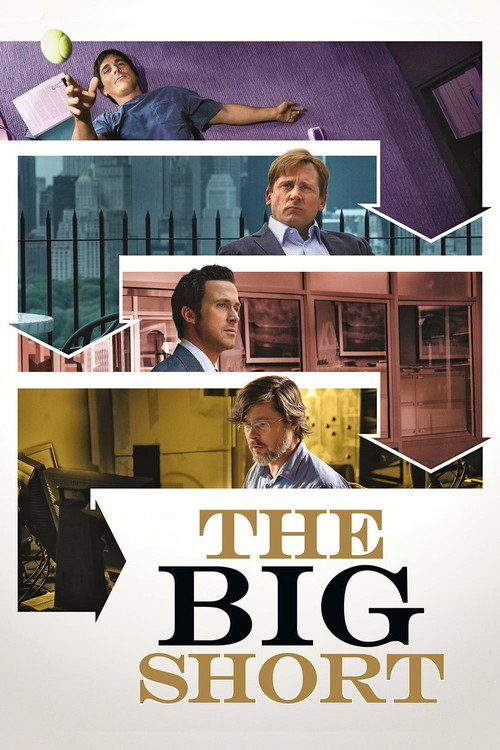
The Big Short2015
Tells the story of the 2008 financial crisis and the architects of disaster with rage, style, and a knack for making Byzantine financial instruments comprehensible to ordinary people. Furious and funny.
But It's about Wall Street excess rather than structural imperialism, and the showboating sometimes undercuts the moral weight of what it's describing.
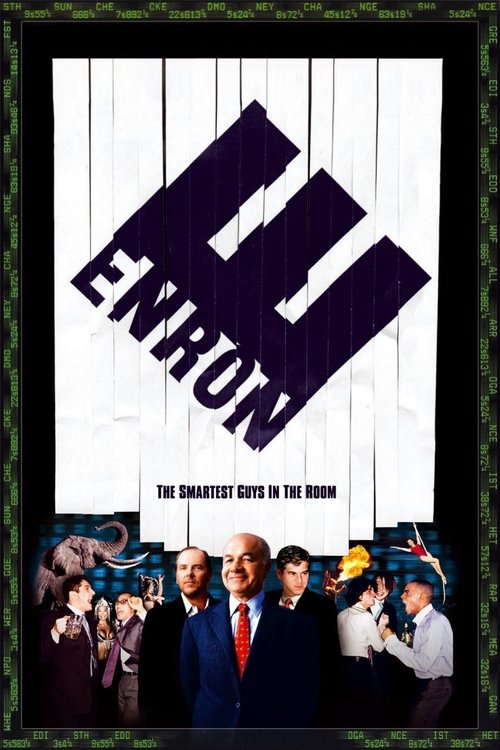
Enron: The Smartest Guys in the Room2005
A surgical examination of corporate fraud, hubris, and complicity. Shows how a system rewards sociopathy and how ordinary people become accessories to theft. Genuinely gripping.
But Focuses on individual villainy rather than systemic critique, so it can feel like a villain story rather than an indictment of the system itself.
Not sure tonight? Get a pick in a minute, starting from Life and Debt
The wildcard
Something you would not have found on your own.
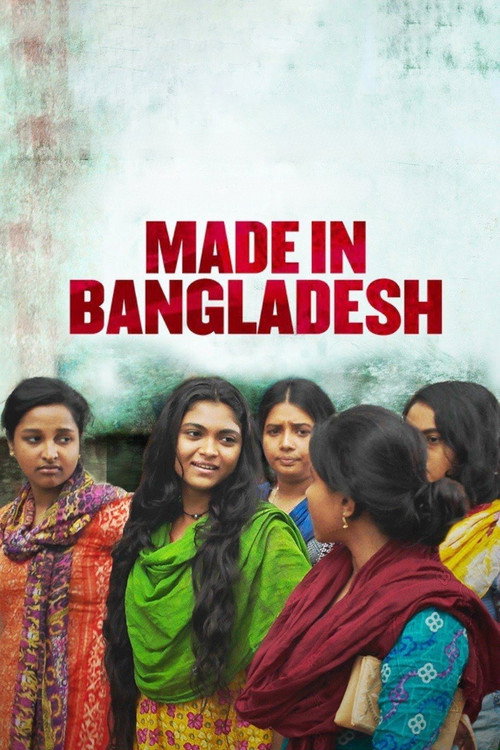
Made in Bangladesh2019
Same theme—how global finance extracts wealth from the poor—but told by and about the people actually living it, not by external analysts analyzing it.
A Bangladeshi documentary following garment workers fighting for dignity and safety in factories that supply Western fast fashion. It's a ground-level view of the global supply chain that Life and Debt describes from above—the workers' own voices and choices.
But It's in Bengali with subtitles, and the pacing is slower and more observational than Western documentary rhythm. Requires patience.
More like this (4)
The Yes Men Fix the World2009
Activists impersonate World Bank and corporate officials to expose the absurdity of their own rhetoric, using satire and stunt-journalism to make arguments that would be preaching if stated straight.
But The trickster approach means it sometimes feels more clever than substantive, and some targets feel small compared to the scale of actual harm.

Food, Inc.2008
Reveals how corporate consolidation has poisoned American food systems and destroyed farming communities. Clear-eyed, furious, and personal. You will never see a supermarket the same way.
But Focuses on American agriculture rather than global economics, and some solutions it proposes are available only to the already privileged.

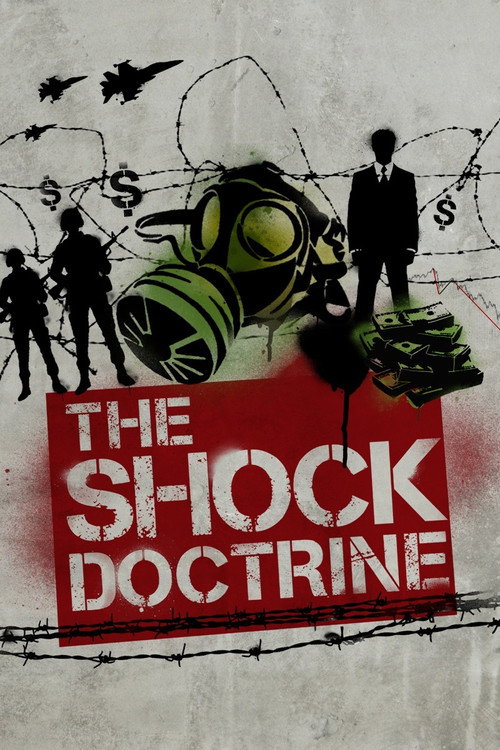
The Shock Doctrine2009
Based on Naomi Klein's book, it traces how disaster capitalism has used crises to impose neoliberal 'shock therapy' on vulnerable nations and communities worldwide. Methodical and damning.
But Dense with examples and historical jumps; it can feel scattered, and the breadth sometimes works against depth.
Bowling for Columbine2002
Michael Moore investigates American gun culture and violence through a personal, mischievous lens, taking on corporate power and media fearmongering with humor and genuine curiosity.
But Moore's persona can overshadow the subject, and some investigative methods here haven't aged well—it feels more stunt than substance in hindsight.

People
Cast
- Belinda BeckerNarrator (voice)
Directing
- Neal UsatinAssistant Director
- Stephanie BlackDirector
Writing
- Jamaica KincaidWriter
Production
- Stephanie BlackProducer
- Sarah ManleyProducer's Assistant
- Talawah LevyProduction Assistant
- Victor PattersonProduction Assistant
- Betsy BlakemoreProduction Manager
- Jeremy FrancisProduction Manager
- Peter PackerProduction Manager
Recommended by
13 Novembre: Fluctuat Nec Mergitur, The Linguists, Amandla! A Revolution in Four-Part Harmony, Pray the Devil Back to Hell, City of Joy