
Film
Tarnation
Jonathan Caouette spent his teenage years pointing a camera at himself and his mother, Renee, and out of that footage assembled a documentary that plays like a wound reopening in real time. Cut together on a home computer from Super-8, snapshots, answering-machine tapes and video diaries, it's raw, disorienting and genuinely upsetting — not a film to watch for craft polish, but for the unfiltered nerve of it.
If you liked this
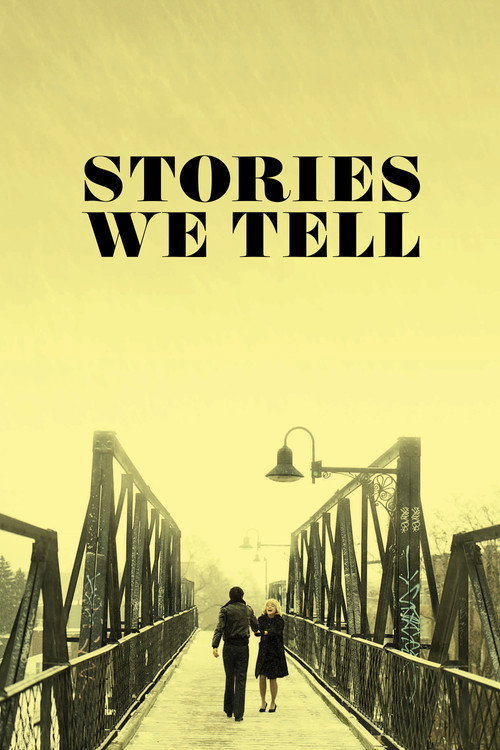
Stories We Tell2012
Sarah Polley dismantles her own family's mythology using old home movies, interviews and reenactments so seamless you'll lose track of what's real — the same restless need to understand a parent by re-cutting the past.
But The structural sleight-of-hand is the whole point, so if you dislike being deliberately misled by a documentary's form, it may frustrate rather than move you.
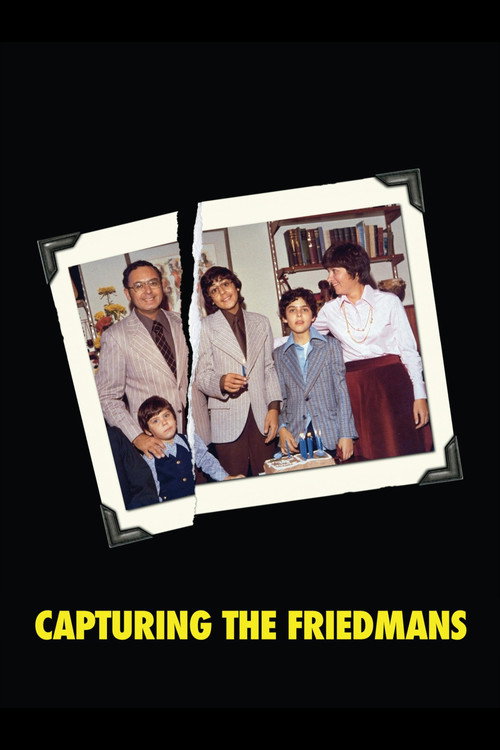
Capturing the Friedmans2003
Built almost entirely from one family's own home-video archive, this unravels a criminal case and a household at the same time, with the same queasy intimacy of watching people film their own collapse.
But It's morally murky by design and never resolves the central question — some viewers find that unsatisfying rather than provocative.
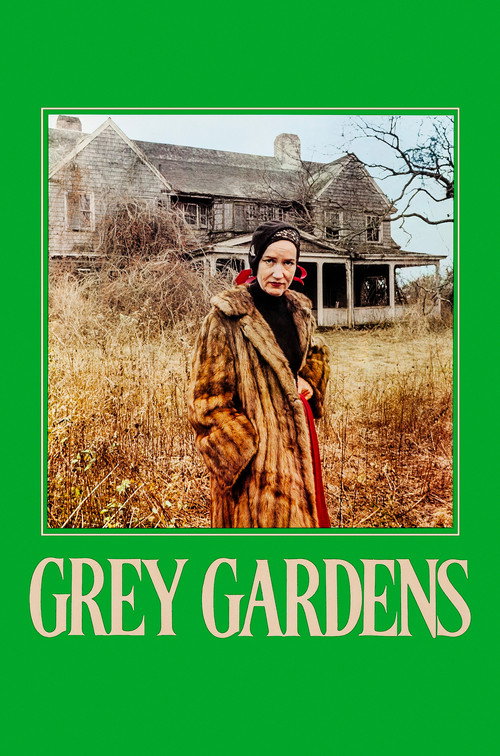
Grey Gardens1976
A mother and daughter, isolated and half-feral in a decaying East Hampton mansion, filmed with an intimacy that turns eccentricity into something tender and unbearable — the original portrait of a codependent, camera-ready family.
But The pacing is loose and plotless by modern standards; it rewards patience rather than momentum.
The wildcard
Something you would not have found on your own.
David Holzman's Diary1967no page yet
Caouette turns the camera on himself to find out who he is; Jim McBride's mockumentary got there first, in 1967, inventing the exact grammar of self-surveillance that Tarnation later used for real.
A lonely man decides that if he films every moment of his own life, he'll finally understand it — a droll, prescient fake documentary that invented the confessional-camera diary decades before anyone owned a camcorder.
But It's a fiction film pretending to be a documentary, and its 1967 pacing and grain will feel slow and alien if you're expecting anything like modern footage.
More like this (8)
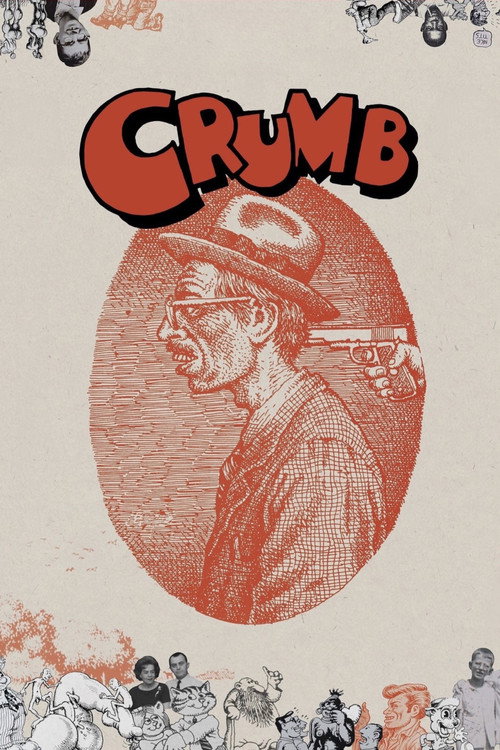
Crumb1995
Terry Zwigoff's portrait of underground artist R. Crumb widens out to his two even stranger brothers, revealing a family shaped by the same mix of trauma and creativity that runs through Tarnation.
But It's frank about disturbing material — self-harm, obsession, family cruelty — without much comfort offered.
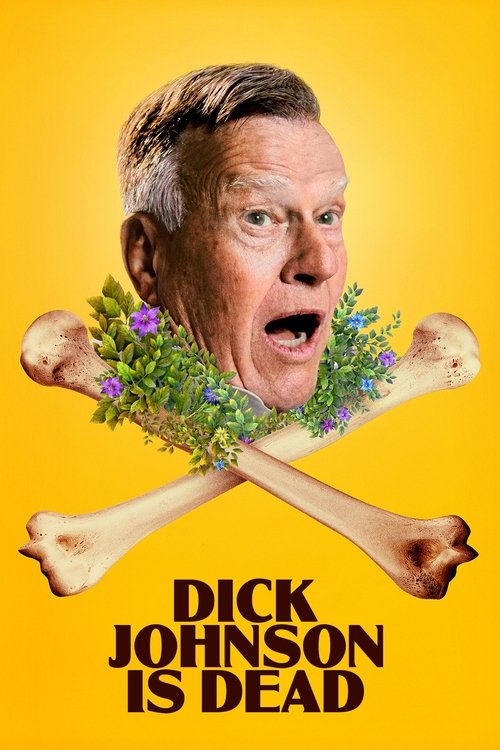
Dick Johnson Is Dead2020
Kirsten Johnson films her own father's decline into dementia by staging his death over and over, a strange, loving, formally inventive way of using the camera to hold onto someone slipping away.
But The tonal mix of playful and devastating won't sit right with everyone; some find the whimsy at odds with the subject.
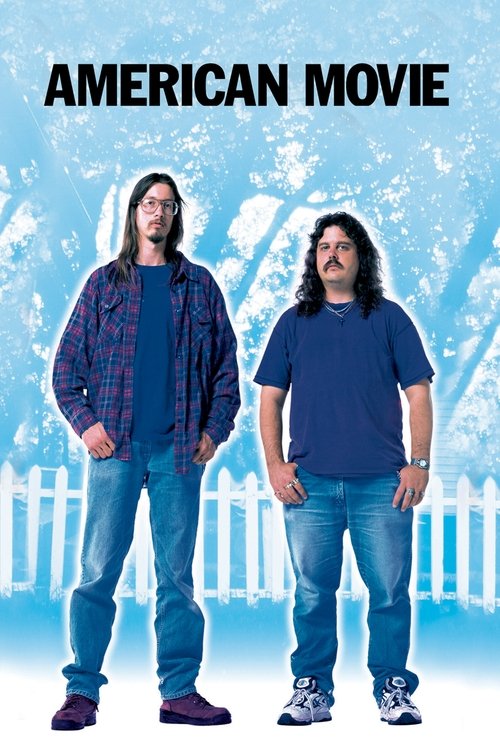
American Movie1999
A scrappy, broke amateur filmmaker in small-town Wisconsin fights to finish his horror short by any means necessary — funnier and warmer than Tarnation, but the same DIY-or-die spirit of making art from nothing.
But It's a comedy first, so if you want another gut-punch rather than a laugh, it plays lighter than expected.
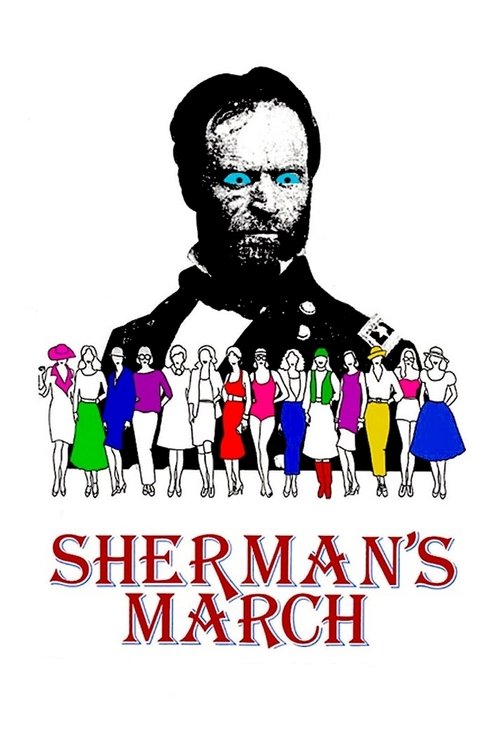
Sherman's March1986
Ross McElwee sets out to retrace a Civil War general's route and ends up making a rambling, self-interrogating diary film about his own romantic failures — an early, essential ancestor of the personal-essay documentary.
But It's talky, meandering and nearly three hours long; the digressions are the whole appeal, which won't suit impatient viewers.
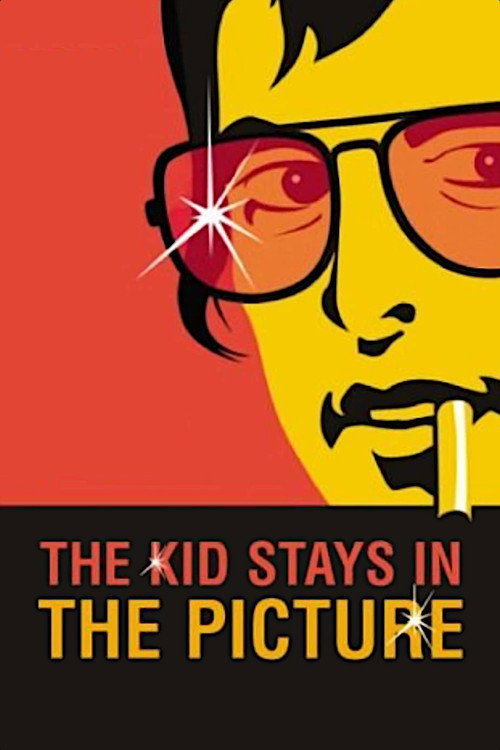
The Kid Stays in the Picture2002
Producer Robert Evans narrates his own outrageous life over a collage of stills, clippings and archive footage animated into motion — a slicker, showbiz cousin to Caouette's scrapbook-as-autobiography approach.
But Evans is an unreliable narrator of his own myth, and the film seems to enjoy that more than interrogate it.
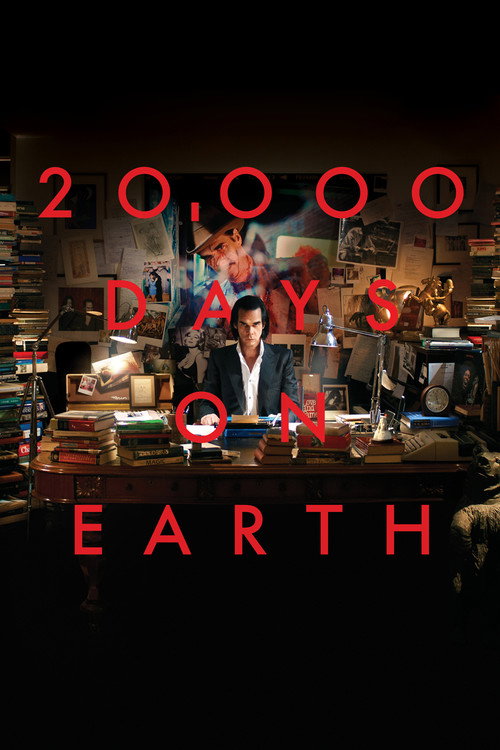
20,000 Days on Earth2014
Nick Cave co-writes and stages a single fictional day inside his own real life, blurring documentary and performance to get at something truer than a straight biography could — hybrid autobiography at its most controlled.
But It's stylised and staged where Tarnation is raw and accidental; if you want unpolished reality, this is the opposite experience.
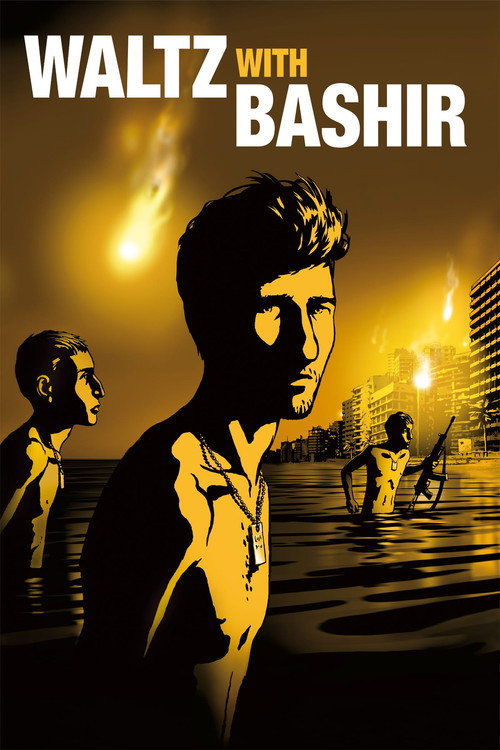
Waltz with Bashir2008
Both films admit that memory doesn't arrive as clean footage — Caouette collages decaying VHS and answering-machine tape, Folman draws his trauma from scratch, because sometimes the only honest way to show a memory is to admit you're reconstructing it.
An Israeli filmmaker animates his own fractured memories of the 1982 Lebanon War, using rotoscoped drawing to get at trauma that straight documentary couldn't touch — a completely different medium chasing the same impossible thing: an honest memory.
But It's about war and complicity rather than family, and the animation, however beautiful, keeps everything at one remove from raw footage.
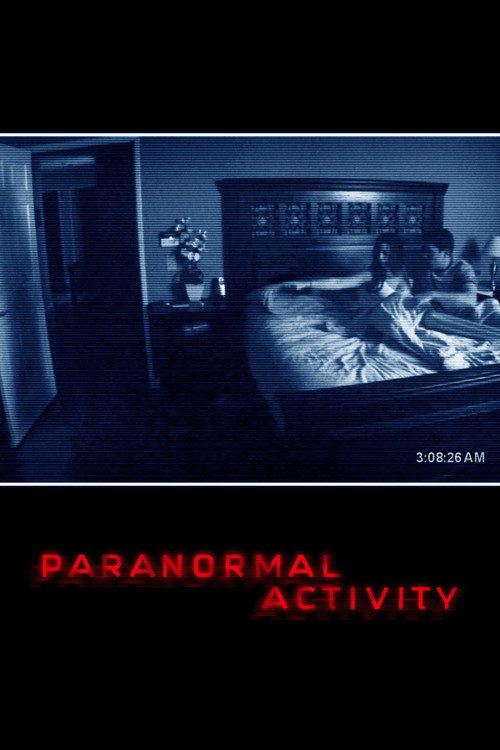
Paranormal Activity2007
Strip the grief out of Tarnation's aesthetic and you get this: static shots, a domestic interior, a family filming its own unraveling in the dark — Paranormal Activity just points that same camera at a haunting instead of a childhood.
A couple sets up a camera to catch whatever's haunting their house and gets increasingly bad news — a horror film built entirely from the same static, domestic, home-video dread that makes Tarnation so unnerving, just aimed at a ghost instead of a childhood.
But It's a genre film with jump scares and a twist ending, so if you want another real, unresolved human story, this is pure fiction and proud of it.
People
Cast
- Renee LeblancHerself
- Adolph DavisHimself
 Jonathan CaouetteHimself
- Rosemary DavisHerself
- David Sanin PazHimself
Directing
- Jonathan CaouetteDirector
Writing
- Jonathan CaouetteScreenplay
Production
- Gus Van SantExecutive Producer
- John Cameron MitchellExecutive Producer
- Jonathan CaouetteProducer
- Stephen WinterProducer
Recommended by
Crumb, Marwencol, The Diary of a Teenage Girl, Sherman's March