
Film
Nocturama
Nocturama follows a cell of young radicals planning a coordinated bombing campaign across Paris, then barricading themselves inside a vast shopping mall for one disorienting night. It's a film about the gap between revolutionary rhetoric and lived reality, watching ideology splinter under pressure. Bresson meets the thriller playbook—austere, formally precise, morally unsettling.
Should you watch it?
Watch it if you like films that treat a political act as a cold, practical puzzle, and that let a long stretch of silence in a deserted building do more work than any dialogue.
Skip it if you need characters to explain themselves, since these people stay opaque and the middle hour moves at the pace of a waiting room.
What it asks of you: Just over two hours, much of it hushed and watchful, with long takes that refuse to hurry and tension that gathers from stillness rather than noise.
Not sure? Find tonight's pick in a minute.
If you liked this
A Prophet2009
Laurent Cantet's masterpiece about a young man's transformation inside prison mirrors Nocturama's interest in radicalization and group dynamics. Tense, humanely observed, with a protagonist caught between worlds.
But It's a slow-burn prison drama that demands patience. Some viewers find its refusal to judge its subjects frustrating rather than enlightening.

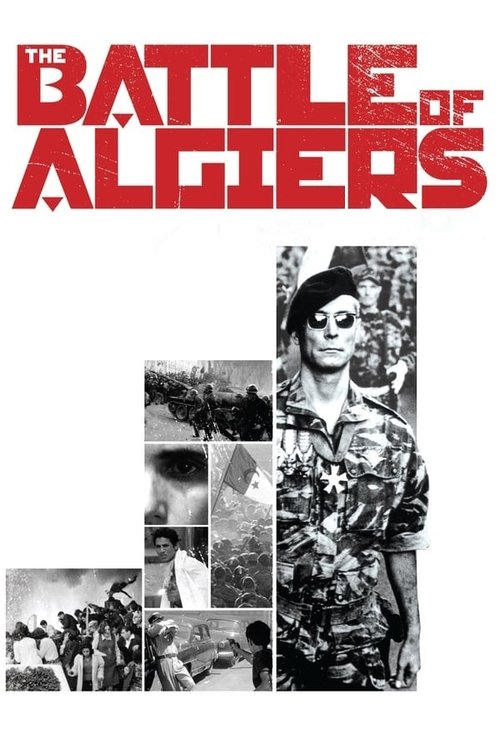
The Battle of Algiers1966
Pontecorvo's revolutionary thriller about insurgent tactics and urban warfare is the DNA of every political thriller made since. It's urgent, formally brilliant, and asks hard questions about means and ends.
But It's from 1966 and uses documentary-style filmmaking that can feel distant. The political debate might eclipse the human drama for some viewers.
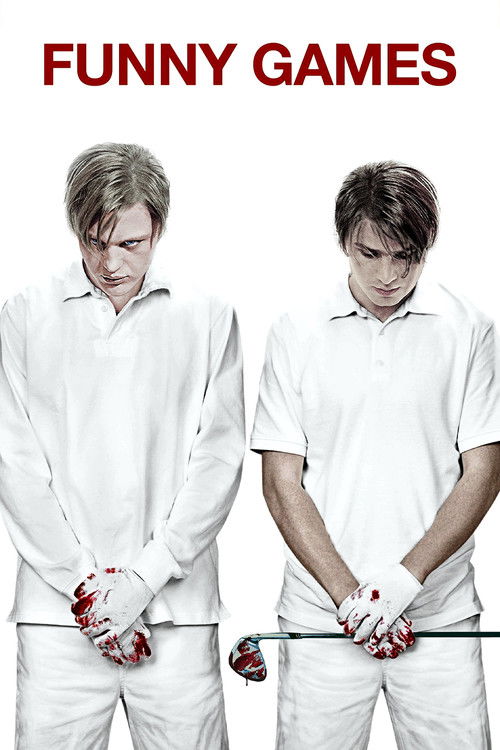
Funny Games2008
Haneke's home-invasion film shares Nocturama's interest in watching ideology (in this case, nihilism) enacted in real time. It's a provocation disguised as a thriller—brilliant and deeply uncomfortable.
But It's designed to alienate and disturb you. If you watch it waiting to enjoy yourself, you'll have a miserable evening.
Not sure tonight? Get a pick in a minute, starting from Nocturama
The wildcard
Something you would not have found on your own.
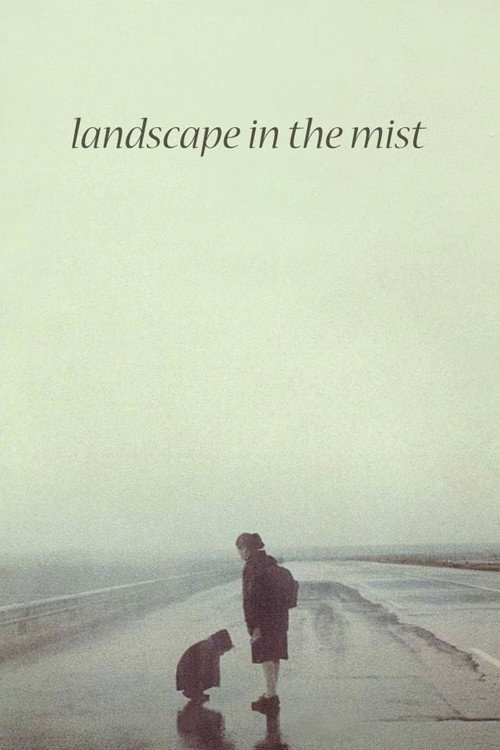
Landscape in the Mist1988
Both use formal rigor and extended observation to examine ideology, displacement, and the gap between belief and reality. They're political films that refuse to become polemical.
Theo Angelopoulos's meditation on displacement follows two children crossing borders in search of a mythical father. Like Nocturama, it's formally precise, deeply political, and uses long takes and silence to create unease. Both films treat their characters with anthropological distance.
But It's a long, slow film in Greek from 1988 with minimal plot. It prizes atmosphere over narrative, which will feel deliberately punishing to some.
More like this (8)
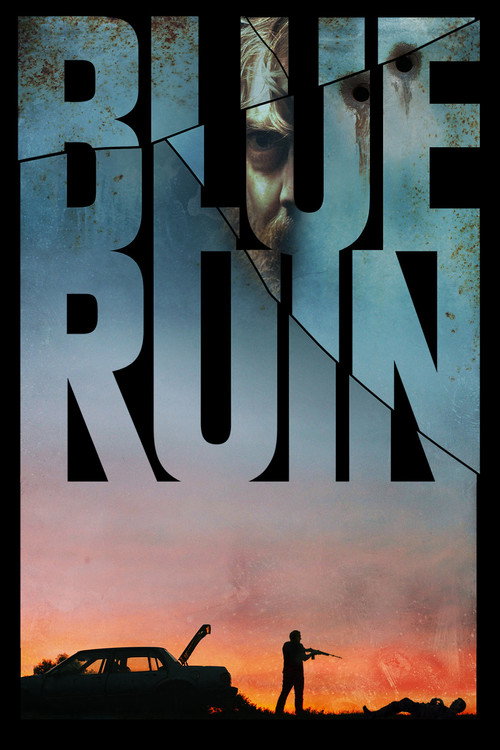
Blue Ruin2014
Jeremy Saulnier's revenge thriller strips away glamour to show what violence actually costs. Like Nocturama, it watches a plan collide with reality and watches people break under the weight.
But It's grimy and unglamorous in ways that might feel slow. The lead character's competence waxes and wanes in ways some find frustrating.
Under the Skin2014
Jonathan Glazel's sci-fi film uses long, observational takes and minimal dialogue much like Nocturama does. Both trust silence and image over explanation, creating a sense of alienation and dread.
But It's abstract and deliberately obscure. If you need plot clarity and character motivation spelled out, this will frustrate you intensely.

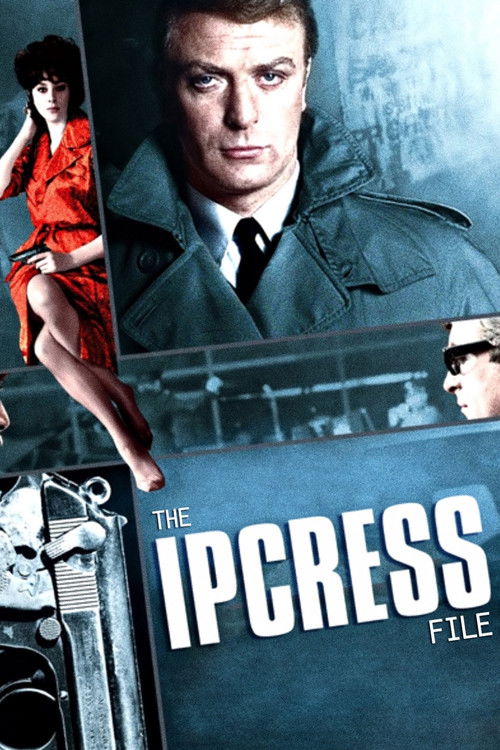
The Ipcress File1965
Sidney Furie's spy thriller uses cool, detached direction and formal precision to explore ideology and manipulation. It shares Nocturama's interest in compartmentalized groups and shifting loyalties.
But It's a '60s spy film, which means it moves at a pace some modern viewers find glacial. The plot requires attention you may not want to give.
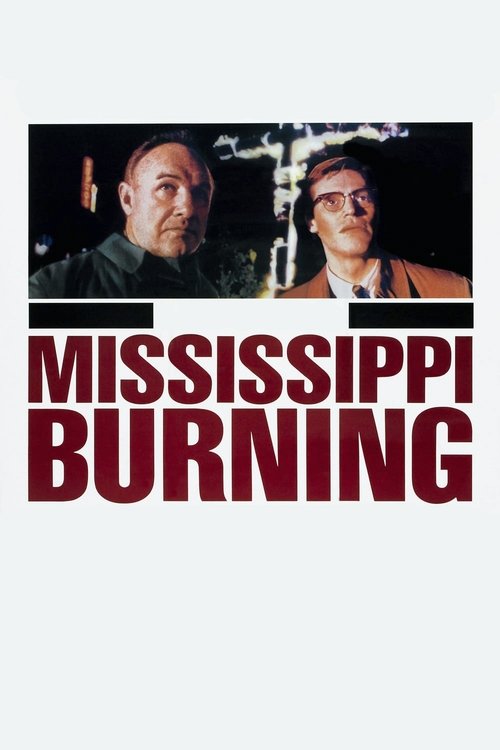
Mississippi Burning1988
Lee Chang-dong's mystery-thriller is formally rigorous and morally ambiguous, watching class resentment and revolutionary rhetoric turn corrosive. It trusts the viewer to live with uncertainty.
But It's 2 hours 28 minutes of mounting dread with no catharsis. The ambiguity infuriates people who want answers.
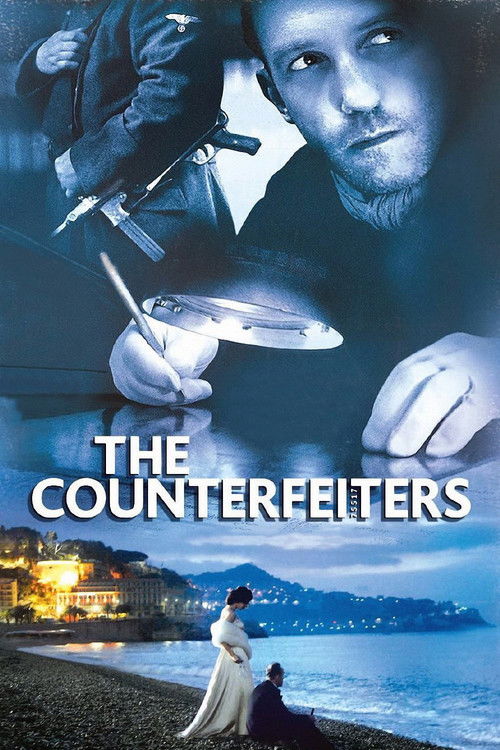
The Counterfeiters2007
Josef Rouschaupt's heist film about making fake money during WWII shows people trying to hold a group together under pressure. It's a moral inquiry dressed as a crime film.
But It's a lesser-known German film that can be hard to find. The pacing is deliberate in ways that test patience.
Winter Light1963
Bergman's chamber piece about faith and alienation shares Nocturama's interest in how ideology crumbles when tested against actual human need. It's formal, austere, and deeply moving.
But It's an 80-minute Bergman film in black-and-white about spiritual despair. If that description sounds like a punishment, it might be.

The Act of Killing2012
Both films are interested in how ideology is performed—how people become the stories they tell themselves, and how that performance masks emptiness or psychopathy beneath.
Joshua Oppenheimer's documentary makes its subjects—mass murderers—perform reenactments of their crimes. It explores how people narrativize atrocity to themselves, much as Nocturama examines how revolutionary cells construct their own mythology.
But It's a documentary about genocide and torture. Watching perpetrators brag about their crimes is ethically vertiginous and deeply disturbing, even as a critique.

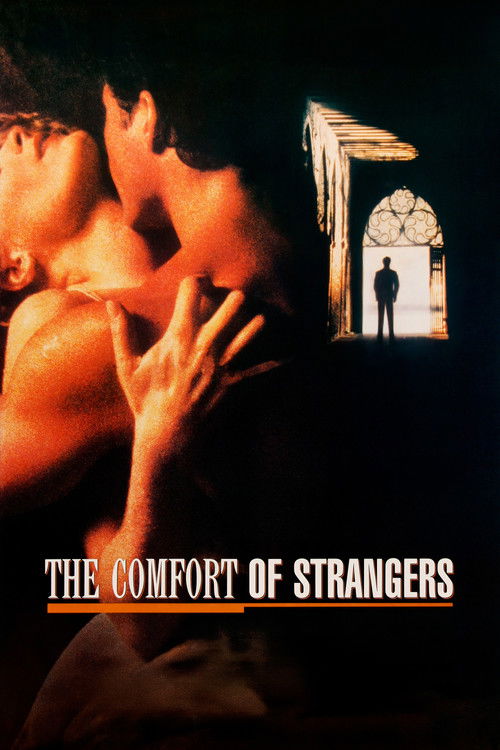
The Comfort of Strangers1990
Both films watch groups of people spiral into complicity with each other. Both use formal precision to keep emotional distance even as the violence becomes intimate. Both are interested in seduction—how people seduce themselves into things.
Paul Schrader's psychological thriller, adapted from Ian McEwan, follows a couple befriended by sinister strangers in Venice. Like Nocturama, it's a study in group dynamics, seduction, and the erosion of judgment. It has the same unsettling formal control and the same sense of watching people make catastrophic choices in real time.
But It's a slow, stylized psychological thriller from 1990 that privileges mood over plot. The eroticism and violence might feel gratuitous rather than purposeful.
People
Cast
 Finnegan OldfieldDavid
 Vincent RottiersGreg
 Hamza MezianiYacine
 Manal IssaSabrina
 Laure ValentinelliSarah
- Martin Petit-GuyotAndré
 Jamil McCravenMika

 Ilias Le DoréSamir
- Robin GoldbronnFred
 Luis RegoJean-Claude
 Hermine KaragheuzPatricia
Directing
- Winifrey Bandera-GuzmanCrowd Assistant Director
- Bertrand BonelloDirector
- Franklin OhannessianFirst Assistant Director
- Élodie Van BeurenScript Supervisor
- Marie DupontSecond Assistant Director
- Lea D'AngeloThird Assistant Director
Writing
- Bertrand BonelloWriter
Production
- Christel BarasCasting
- Bertrand BonelloCo-Producer
- Christoph FriedelCo-Producer
- Claudia SteffenCo-Producer
- Geneviève LemalCo-Producer
- Olivier PèreCo-Producer
- Alice GirardProducer
- Édouard WeilProducer
- Serge CatoireProduction Manager
Recommended by
Honey Boy, Cries from Syria, Notturno, Dateline NBC, #387, On Her Shoulders, The Quarry, Wakefield, The Cry of the Owl, All in the Family, Amor de Mãe, Una, Eyimofe (This Is My Desire), A Thousand Goodnights