
Film
Wakefield
A taut psychological descent into isolation. Bryan Cranston plays a man whose marriage fractures so completely he retreats to his attic, watching his family continue without him. It's uncomfortable, claustrophobic cinema—less about plot than about the slow disintegration of someone's grip on sanity and connection. For viewers drawn to uncomfortable character studies and existential crises.
Should you watch it?
Watch it if you like quiet, slightly uncomfortable character studies where one man's inner logic is examined closely, and you don't mind a premise that stays stubbornly small.
Skip it if your patience runs out fast with a man who withdraws from his own life, since almost nothing external happens and the mood stays muted throughout.
What it asks of you: Roughly an hour and three-quarters at a slow, mostly still pace, with dry humour and melancholy arriving in small doses rather than in scenes that build.
Not sure? Find tonight's pick in a minute.
If you liked this
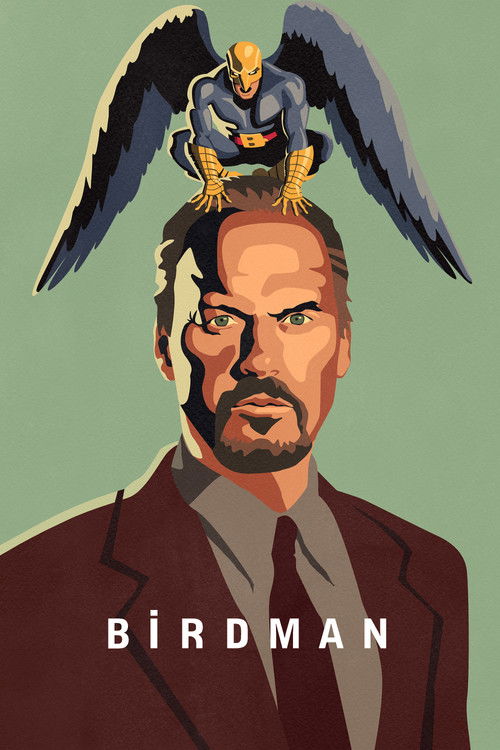
Birdman or (The Unexpected Virtue of Ignorance)2014
A man's mental unraveling unfolds in real time as his world contracts around him. Like Wakefield, it traps you inside a fractured perspective where the line between delusion and reality fractures. Visually inventive and mesmerizing.
But It's deliberately theatrical and stylized in ways that can feel pretentious. The constant kinetic energy may exhaust rather than engage you.
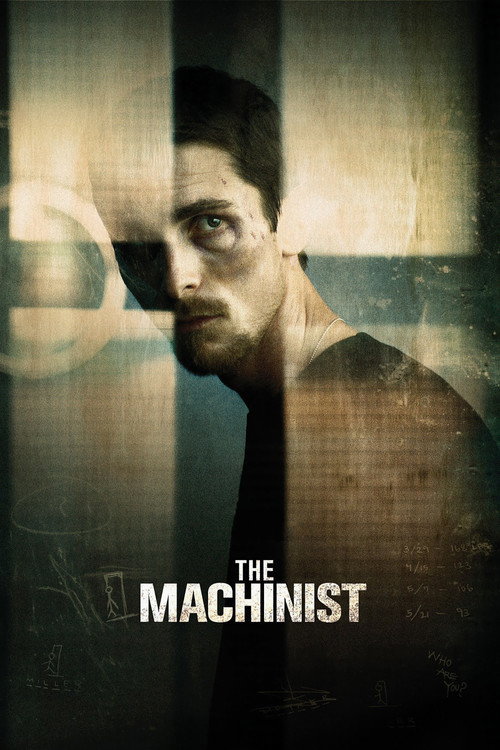
The Machinist2004
Christian Bale's gaunt, insomniac factory worker descends into paranoia and isolation through a single terrible act. Same register of psychological horror: watching someone disappear into their own mind, frame by frame.
But Deeply bleak and often physically uncomfortable to watch. The pacing is deliberately slow and some find it punishing rather than profound.
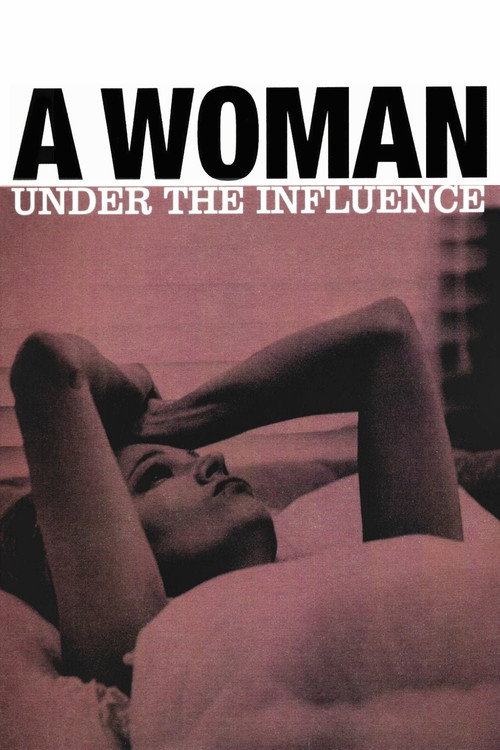
A Woman Under the Influence1974
Gena Rowlands gives one of cinema's greatest performances as a woman's mental health crisis devastates her marriage and family. Raw, unsentimental, and searingly intimate about how one person's breakdown destroys everyone nearby.
But It's nearly two and a half hours of confrontation and emotional chaos. Cassavetes' style is deliberately unglamorous and can feel chaotic or punishing to modern viewers.
Not sure tonight? Get a pick in a minute, starting from Wakefield
The wildcard
Something you would not have found on your own.
Autumn Sonata1978
Both are about a person's emotional withdrawal destroying their family's ability to function. Wakefield makes it physical; Bergman makes it philosophical. The damage is the same.
Ingmar Bergman's chamber piece between mother and daughter. Not about disappearance but about the emotional evasion that corrodes intimacy from within. A masterclass in how to make invisible damage visible and devastating.
But It's European art cinema from the 1970s—no music, no dramatic incidents, just brutal psychological honesty. Patience required.

More like this (8)
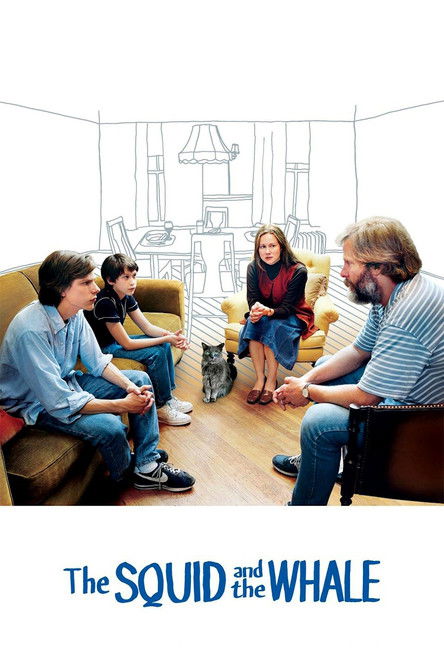
The Squid and the Whale2005
Noah Baumbach's divorce drama captures how self-absorbed men damage their families through inertia and refusal to engage. Sharp, funny, and brutally honest about the narcissism beneath emotional withdrawal.
But It's painful precisely because you recognize the selfishness in its characters. That recognition may sting more than catharsis.
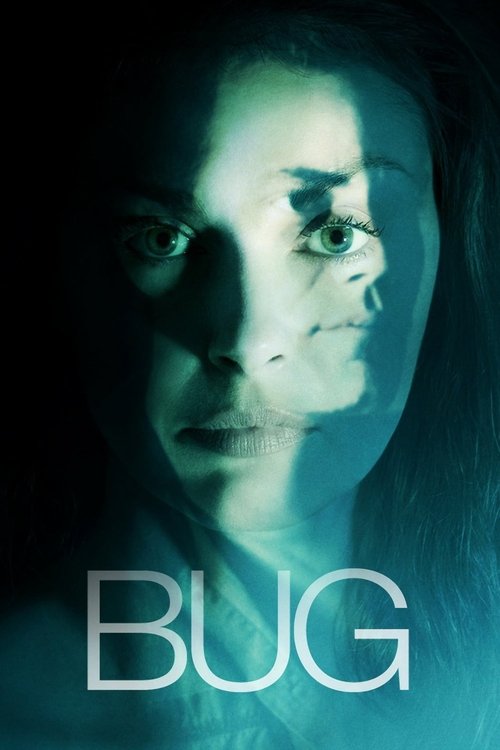
Bug2007
William Friedkin's chamber piece about two people's shared descent into paranoid delusion. Claustrophobic, intense, and genuinely unsettling about how isolation and fear can consume you.
But It's deliberately suffocating and repetitive—the point is the spiral, not resolution. Some will find it tedious rather than hypnotic.
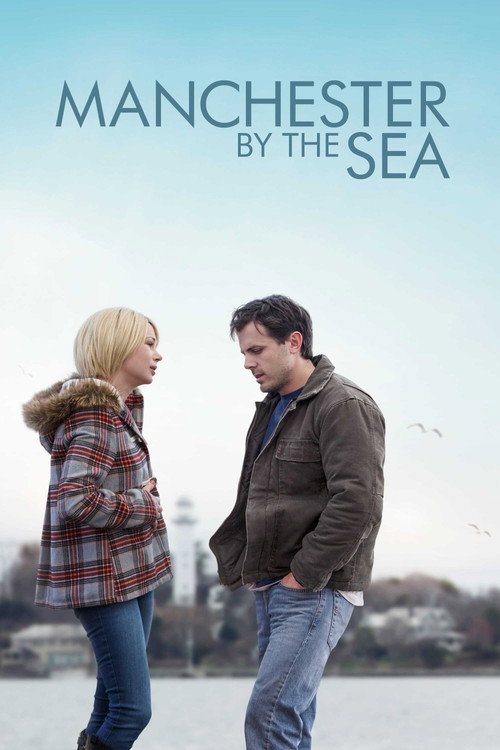
Manchester by the Sea2016
Casey Affleck's exploration of how trauma and shame can make someone emotionally uninhabitable. Like Wakefield, it's about the damage done by a man's inability to be present for those who need him.
But The grief is relentless and there's little catharsis. Its pace is deliberate and introspective in ways that can feel slow or self-pitying.
Synecdoche, New York2008
Charlie Kaufman's vision of a theater director losing grip on reality as his personal and professional lives collapse into obsessive art. Dizzying, ambitious, utterly committed to the texture of psychological breakdown.
But It's wilfully confusing and narratively indulgent. Some see it as a masterpiece; others find it self-indulgent and pretentious.

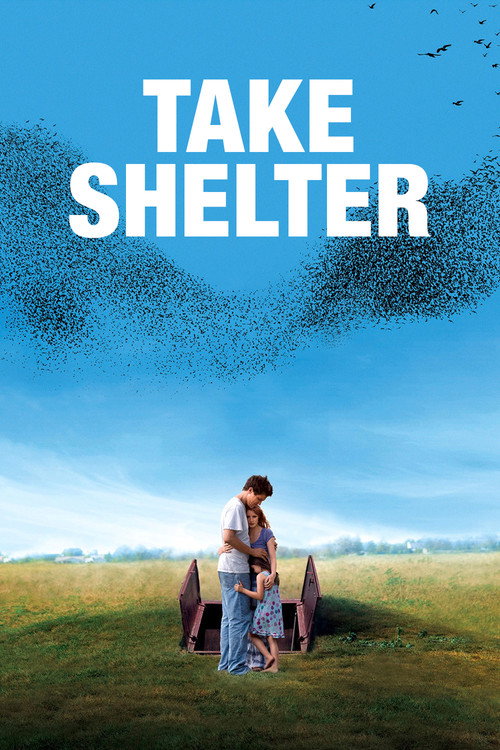
Take Shelter2011
Michael Shannon's paranoid man prepares for a catastrophe only he can sense, tearing his marriage apart. Riveting character study about obsession and the terror of losing control of your own mind.
But The ambiguity about what's real is unresolved. Some find the slow burn agonizing rather than compelling.
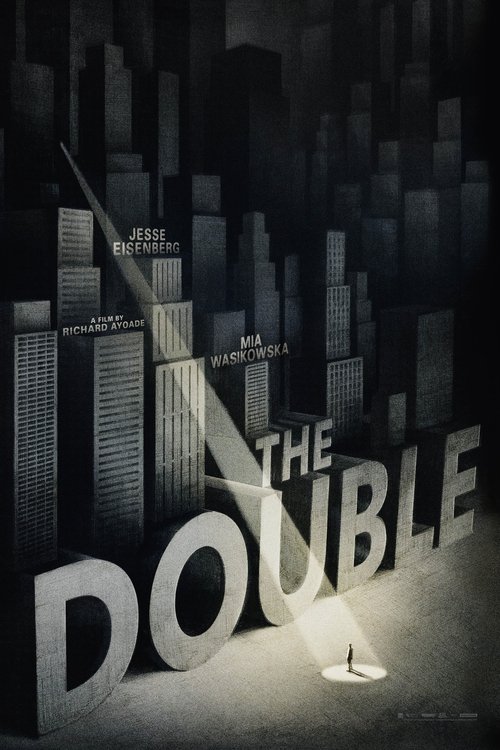
The Double2014
Ayoade's adaptation of Dostoevsky follows a meek man's psychological fragmentation as a doppelgänger appears. Clever, unsettling, and visually striking—it's paranoia rendered as surreal black comedy.
But The style is very mannered and indie—the formal games may overwhelm the emotional core. It can feel cold and alienating by design.
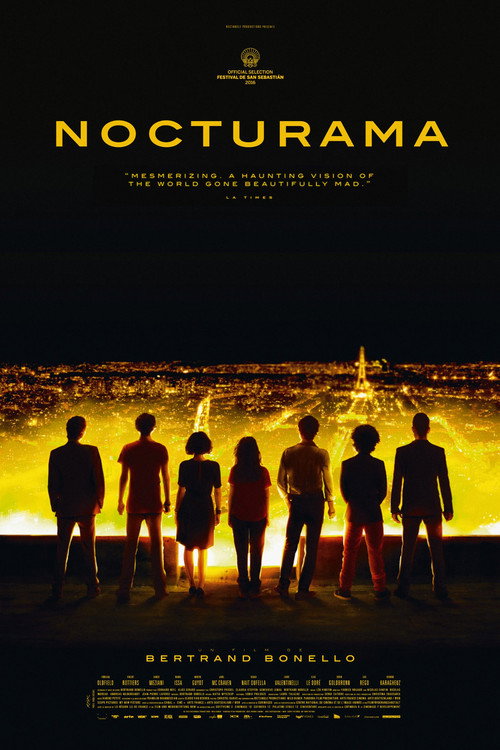
Nocturama2016
A man chooses confinement and observes the world from his self-imposed boundary. Wakefield does it in an attic; this film does it in a mall. Both are about the surreal distance that isolation creates from normal life.
Bresson's protagonist stages a rebellion and then seals himself inside a shopping mall at night. Formally rigorous, quietly hallucinatory, and obsessed with confinement and the territory between action and passivity. Mesmerizing and strange.
But It's deliberately austere and its plotting is opaque. The style is so controlled it can feel glacial, and the meaning remains deliberately elusive.
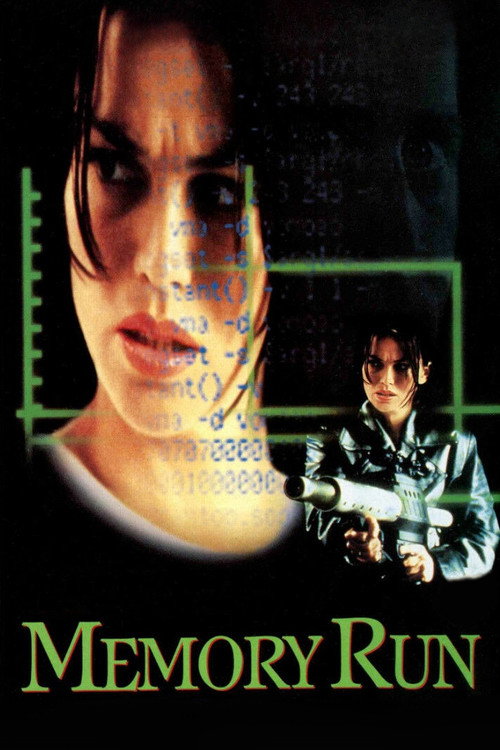
Memory Run1995
Both document the dissolution of a man's coherent self—one through isolation and distance, one through literal bodily invasion. The result is the same: watching someone you recognize disappear.
Shinya Tsukamoto's body horror about a man infested by a sentient virus that rewires his consciousness. Visceral, nightmarish, and genuinely about the dissolution of self from within. Wakefield is psychological; this is the same terror made grotesquely physical.
But It's visually intense, heavily stylized, and deeply strange. If you need conventional narrative or clarity, this will alienate you immediately.
People
Cast
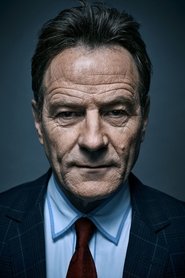 Bryan CranstonHoward Wakefield
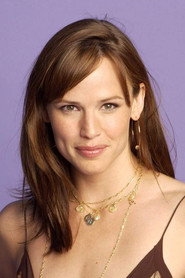 Jennifer GarnerDiana Wakefield
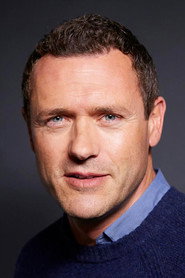 Jason O'MaraDirk Morrison
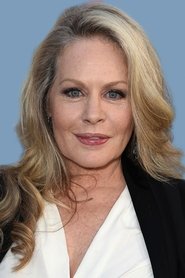 Beverly D'AngeloBabs
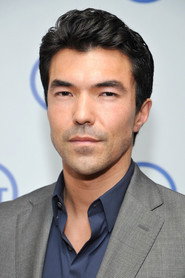 Ian Anthony DaleBen Jacobs
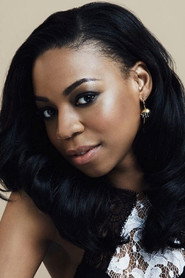 Pippa Bennett-WarnerEmily
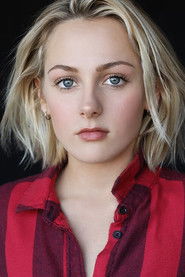 Ellery SprayberryGiselle
- Victoria BrunoTaylor
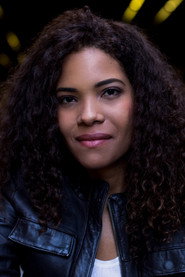 Monica LawsonEllen
- Isaac LeyvaHerbert
 Frederick KeeveProfessor
 Alexander ZaleDr. Sondervan
Directing
- Robin SwicordDirector
- Jan McWilliamsScript Supervisor
Writing
- E. L. DoctorowShort Story
- Robin SwicordWriter
Production
- Amy LippensCasting
- Amy Lynn QuinnCo-Executive Producer
- Eric NelsenCo-Executive Producer
- Gabrielle PalitzCo-Executive Producer
- Jason SpeerCo-Executive Producer
- Jesse SchraftCo-Executive Producer
- Jill RinearsonCo-Executive Producer
- Jim KiersteadCo-Executive Producer
- Keith PattersonCo-Executive Producer
- Kenneth KadesCo-Executive Producer
- Lars P. WintherCo-Executive Producer
- Marty NewtonCo-Executive Producer
- Michael PalitzCo-Executive Producer
- Monica Lee BellaisCo-Executive Producer
- Patricia KlausnerCo-Executive Producer
- Peter RinearsonCo-Executive Producer
- Peter WintherCo-Executive Producer
- Phil KennyCo-Executive Producer
- Sainty NelsenCo-Executive Producer
- Sean LydiardCo-Executive Producer
- Sharon CarrCo-Executive Producer
- Allison Avery JordanCo-Producer
- Elliot WebbCo-Producer
- Howard YoungCo-Producer
- Kim H. WintherCo-Producer
- Alex GuezExecutive Producer
- Bobby SainExecutive Producer
- Brandon PowersExecutive Producer
- Dominick LaRuffa Jr.Executive Producer
- Gayle GardnerExecutive Producer
- Iris SmithExecutive Producer
- Joel GardnerExecutive Producer
- Kevin LambExecutive Producer
- Luigi CaiolaExecutive Producer
- Maria J. McDonaldExecutive Producer
- Rob HinderliterExecutive Producer
- Ruth MutchExecutive Producer
- Stephanie PinolaExecutive Producer
- Bonnie CurtisProducer
- Carl MoellenbergProducer
- Eric NelsenProducer
- Julie LynnProducer
- Wendy FedermanProducer