
Film
The Double
Other titles called The Double: the 2011 film.
Richard Ayoade's adaptation of Dostoevsky's novella is a claustrophobic, darkly comic nightmare about identity and desire. Shot in stark black-and-white, it transforms a Russian fever dream into a 1960s-inflected office paranoia thriller. Hypnotic and unsettling, it's for viewers who want their psychological unease served precise and strange.
Should you watch it?
Watch it if you enjoy bleak, deadpan comedy where a drab, rule-bound world is rendered in exaggerated production design, and you don't mind a story that's more mood and unease than plot.
Skip it if you want a tidy thriller with clear stakes; its deliberately sluggish pace and dry humour can make the tension feel like an exercise rather than a rush.
What it asks of you: Patience with a slow, airless tone and an atmosphere that keeps tightening; at 93 minutes it is short, but every scene asks you to sit inside its unease.
Not sure? Find tonight's pick in a minute.
If you liked this
Synecdoche, New York2008
Kaufman's masterpiece about a theatre director building a life-size replica of New York inside a warehouse shares The Double's obsession with fractured identity and the blurred line between creation and reality. Gorgeously incoherent in the way only great art can be.
But It's deliberately bewildering and runs 124 minutes. You may emerge more confused than when you started—which might be exactly the point, but it's not for everyone.

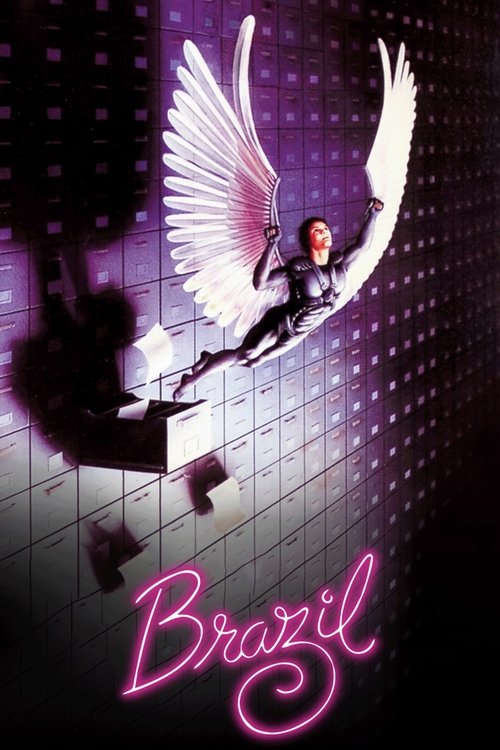
Brazil1985
Gilliam's masterwork about an individual crushed by bureaucratic absurdity in a retro-futuristic landscape has the same visual precision and pitch-black humour as The Double. Both are TLS films where the world itself is the antagonist.
But It's visually dense and narratively slippery. Long sequences with minimal plot movement may feel like they're wasting your time until you realize the design *is* the story.
Mulholland Drive2001
Lynch's LA noir dream dissects performance, duality, and obsession with the same commitment to surface strangeness and emotional underneath. Both films leave you convinced there's a single 'true' reading—then doubt that interpretation exists.
But It's cryptic by design. Lynch offers no decoder ring, and neither does Ayoade. If you need plot clarity, you'll find this maddening.

Not sure tonight? Get a pick in a minute, starting from The Double
The wildcard
Something you would not have found on your own.
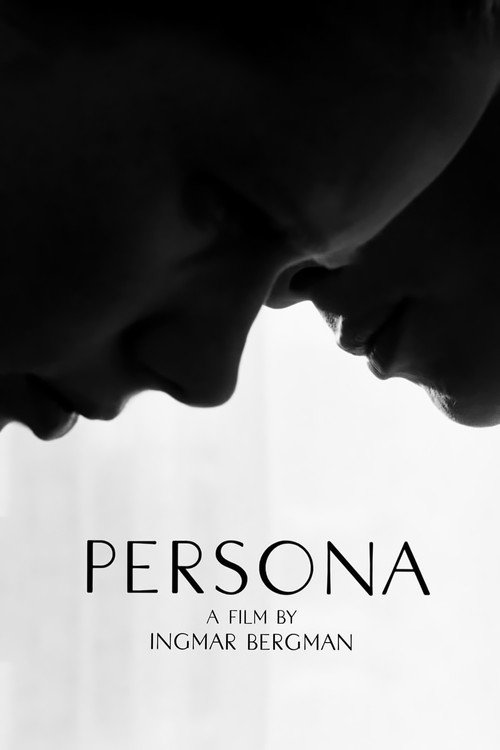
Persona1966
Both films use doubling and the instability of identity as their central image, and both trust visual language to convey psychological states that dialogue would betray. They're both about the gap between the face you show and the self beneath.
Bergman's film about two women—one who stops speaking, one who speaks for both—is the ancestor of all films about doubled identity and the performed self. It's philosophical cinema that achieves its ideas through pure image and presence, not explanation.
But It's 83 minutes that refuse to move like a conventional film. Long static shots of faces; minimal plot; dense with symbolism that resists being 'solved'. It demands patience and rewards it—but you must surrender first.
More like this (8)
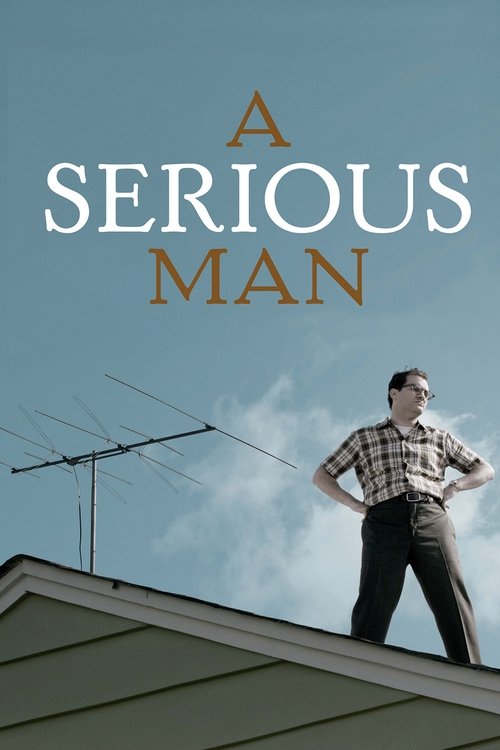
A Serious Man2009
The Coens capture the same sense of a man's life spiralling into inexplicable chaos, the mundane turning uncanny. Both are precise, formally controlled, and profoundly uncomfortable—which is exactly what makes them brilliant.
But Comedy-drama about suffering and cosmic indifference isn't everyone's idea of entertainment. It's funny-sad rather than funny-funny.
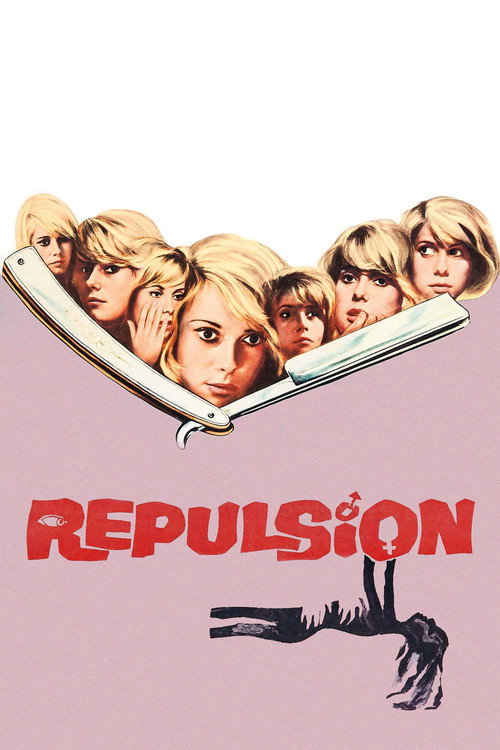
Repulsion1965
Polanski's brutal monochrome descent into fractured psychology feels like a spiritual predecessor to Ayoade's film. Both trap you in a protagonist's deteriorating mind with hypnotic visual control and minimal mercy.
But Depicts deep mental disturbance including assault. It's bleak and unsettling in ways that go beyond thriller mechanics—this isn't entertainment, it's cinema.
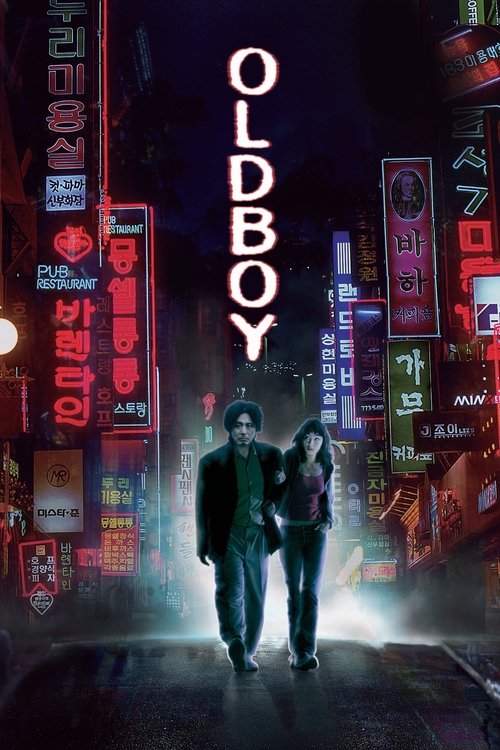
Oldboy2003
Park Chan-wook's obsessive revenge thriller about a man undone by hidden truths mirrors The Double's examination of identity and desire twisted into something toxic. Stunningly composed and morally murky.
But Contains graphic violence and sexual content. The moral logic is deliberately ugly—you're not meant to enjoy what unfolds, only watch it unfold.
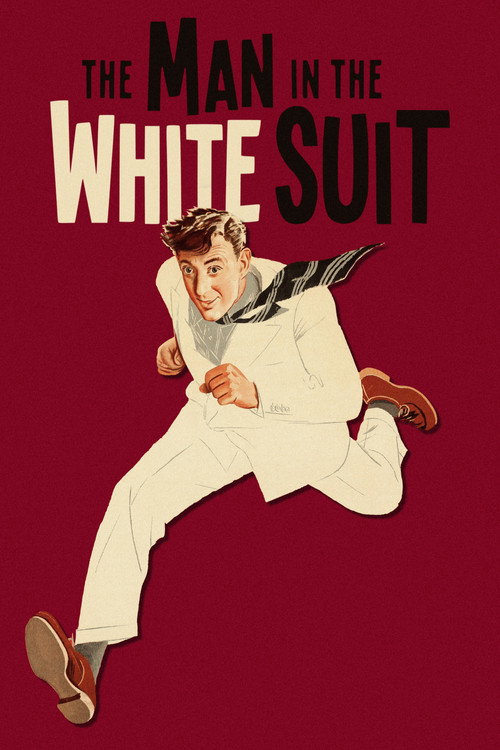
The Man in the White Suit1951
Mackendrick's Ealing comedy about a factory worker whose invention destabilizes the social order is The Double's lighter cousin—both use workplace settings and social dysfunction as stages for exploring individual versus system.
But It's Ealing—which means British whimsy. If you're allergic to that register, you'll find the period charm off-putting rather than charming.
The Killing1956
Kubrick's fractured heist film fragments time and perspective the way The Double fragments reality. Both are formally daring examinations of how men become unmoored from control, told through meticulous visual language.
But The narrative circling can feel more like a puzzle box than a story. If you prefer directness in storytelling, the technique may overwhelm the humanity.

Under the Skin2014
Glazer's abstract sci-fi horror about an alien in human form is visual cinema at its most severe. Like The Double, it's more interested in creating an atmosphere of dread and unreality than in plot momentum or explanation.
But Very little dialogue, very slow, deliberately opaque about what it means. Some viewers will find it hypnotic; others will find it tedious and cold.

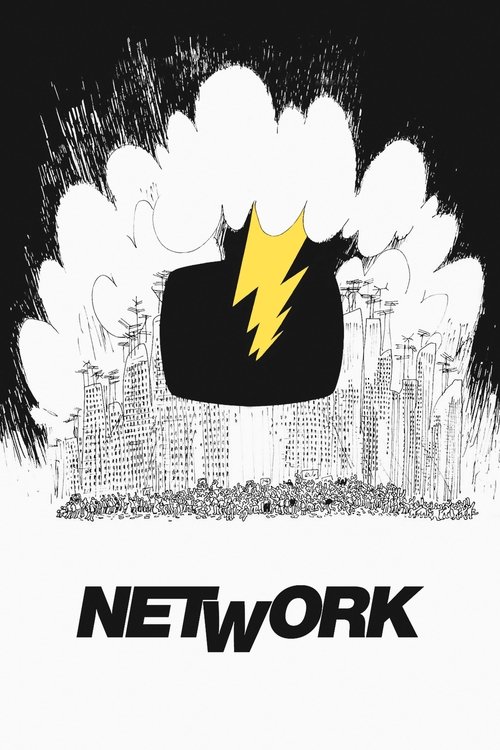
Network1976
Both are genre films (thriller, satire) that use workplace settings and performance anxiety to examine how systems deform the people inside them. One is interior and unsettling; one is exterior and outraged—complementary approaches to the same problem.
Lumet's savage satire about the media collapsing into performance and spectacle shows an office-based institution where everyone's playing a version of themselves. It's the Double's American cousin—blacker, louder, more explicitly political, but hunting the same emotional prey.
But It's agit-prop dressed as entertainment. Some viewers find its anger dated; others find it too on-the-nose. It doesn't have The Double's formal mystery—it just yells at you, very well.
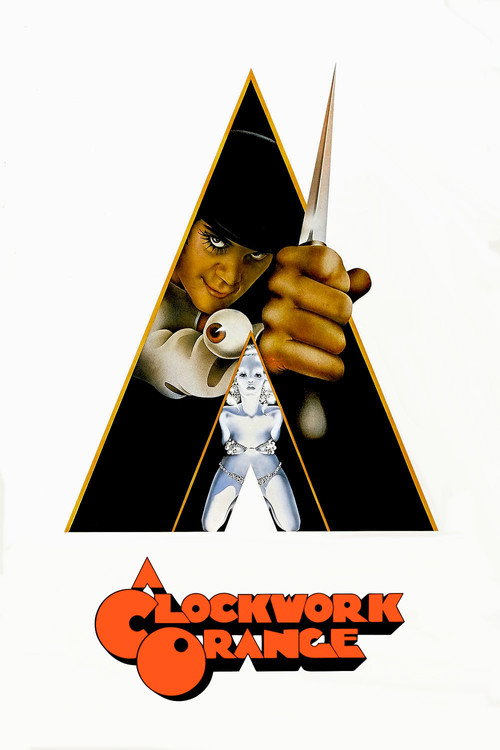
A Clockwork Orange1971
Both are formally controlled adaptations of literary material about fractured identity and the unreliability of the self observing itself. Both use stylization as a tool for moral estrangement—making the viewer unsure whether to judge or sympathize or both simultaneously.
Kubrick's adaptation of Burgess uses formal precision and stylized violence to trap you in the mind of someone you shouldn't like, shouldn't trust, can't look away from. It's The Double's displaced cousin—same commitment to form overwhelming content, same commitment to making you complicit.
But Deeply, explicitly violent. Sexual violence. It's been defended as satire and attacked as exploitation, and both arguments have merit. You'll need to decide if the inquiry justifies the assault—and it won't be comfortable.
People
Cast
 Jesse EisenbergSimon James / James Simon
 Mia WasikowskaHannah
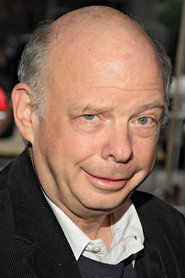 Wallace ShawnMr. Papadopoulos
 Yasmin PaigeMelanie
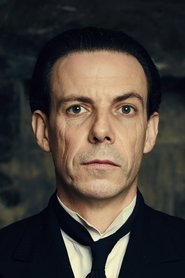 Noah TaylorHarris
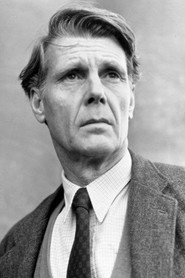 James FoxThe Colonel
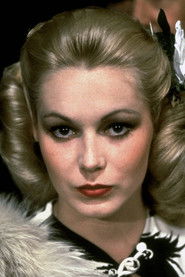 Cathy MoriartyKiki
 Phyllis SomervilleSimon's Mother
 Gabrielle DowneyStrange Woman
- Jon KorkesDetective
 Craig RobertsYoung Detective
 Kobna Holdbrook-SmithGuard / Doctor
Directing
- Richard AyoadeDirector
- Chris FogginThird Assistant Director
Writing
- Fyodor DostoevskyNovel
- Avi KorineWriter
- Richard AyoadeWriter
Production
- Harmony KorineAssociate Producer
- Graeme CoxExecutive Producer
- Michael CaineExecutive Producer
- Tessa RossExecutive Producer
- Amina DasmalProducer
- Lydia FoxProducer
- Robin C. FoxProducer
Recommended by
The Nutty Professor, Enemy, Plebs, Thriller, Deerskin, Cold Souls, Wakefield, Khoj, Remainder