
Film
The Nutty Professor
Jerry Lewis's most personal film is a Jekyll-and-Hyde gag stretched into a meditation on self-loathing: buck-toothed Professor Kelp swigs a formula and emerges as Buddy Love, a lounge-lizard so smooth he's genuinely unpleasant. It's slapstick with a bruise underneath — funnier the more you sense Lewis is settling scores with his own insecurities. Essential for anyone curious what American comedy looked like before it got cynical.
If you liked this
The Mask1994no page yet
Jim Carrey as a meek nobody who becomes an unstoppable, dangerously charismatic alter ego the second he puts something on — it's the exact same engine as Kelp and Buddy Love, just cranked to cartoon voltage.
But The manic '90s CGI energy and Carrey's rubber-face routine can feel exhausting if you're not already fond of him.
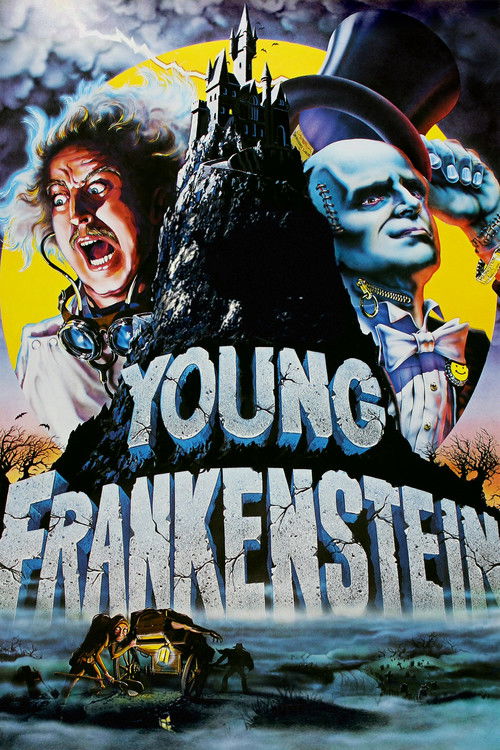
Young Frankenstein1974
Mel Brooks's loving spoof of mad-science movies has the same DNA as Lewis's picture — a nervous academic, a lab, a monster who turns out to be more charming than his creator expected.
But Broader and more overtly parodic than Lewis's film; if sight gags about monster anatomy aren't your thing, it'll wear thin.
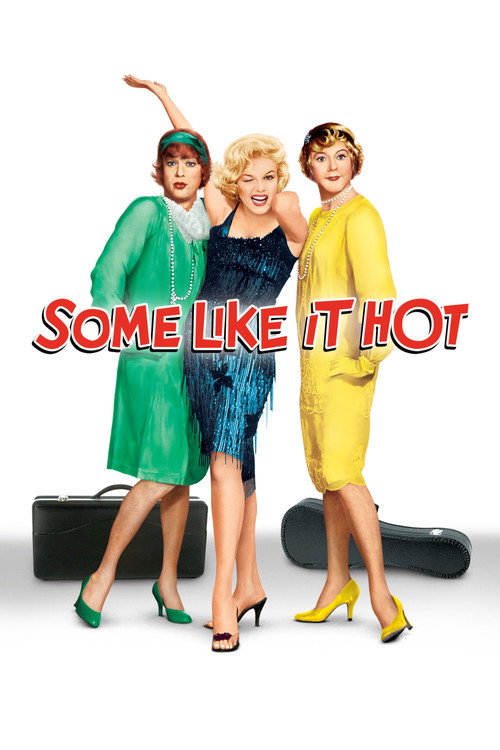
Some Like It Hot1959
The gold standard of the era's disguise comedy — two men become someone else entirely and the fun is watching the mask slip at the worst possible moments, just like Buddy Love's formula wearing off.
But It's a longer, more plot-driven farce than Lewis's vaudeville-style film, with less rubber-faced physical comedy.
The wildcard
Something you would not have found on your own.
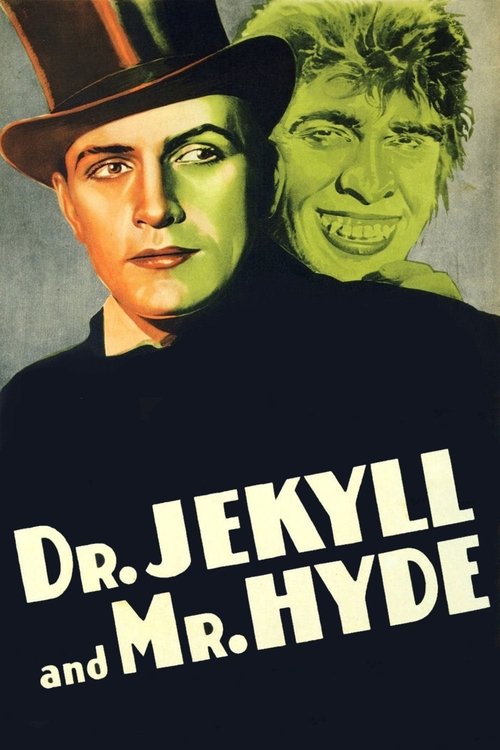
Dr. Jekyll and Mr. Hyde1931
Lewis's Buddy Love is a direct comic descendant of Hyde — same premise, same wish to shed a timid self, but here played as tragedy instead of farce.
Fredric March's Oscar-winning performance plays the exact same transformation dead straight and genuinely terrifying — the confident, appetite-driven alter ego Lewis turned into a lounge singer here destroys everything he touches.
But Pre-Code horror-drama with none of the jokes; it's a stark, sometimes disturbing watch, not a comedy at all.
More like this (8)
The Absent-Minded Professor1961no page yet
Disney's own bumbling-chemistry-teacher comedy came out just two years before Lewis's, and side by side they show two very different studios chasing the same nutty-professor archetype.
But Much gentler and more family-friendly — no Buddy Love-style edge, just wholesome sight gags and flying cars.
Cinderfella1960no page yet
Lewis's own gender-flipped fairy tale, made three years earlier, is essential companion viewing — same anxieties about being unlovable until magically transformed, filtered through a completely different fable.
But Slower and more sentimental in stretches; the ballroom finale takes its sweet time getting there.
Liar Liar1997no page yet
Jim Carrey again, this time cursed rather than blessed by a magic spell — a nice mirror image of the Kelp/Buddy Love dynamic, where the transformation ruins his life instead of fixing it.
But Broad, family-comedy pacing and a schmaltzy redemption arc that Lewis's film mostly avoids.
Bedazzled1967no page yet
Dudley Moore makes a deal with the devil to become someone more desirable, and each wish goes hilariously, painfully wrong — the same joke about wanting to be someone else, dressed as a Faust satire.
But British sketch-comedy rhythms and Peter Cook's dry menace are a different flavor than Lewis's American vaudeville.
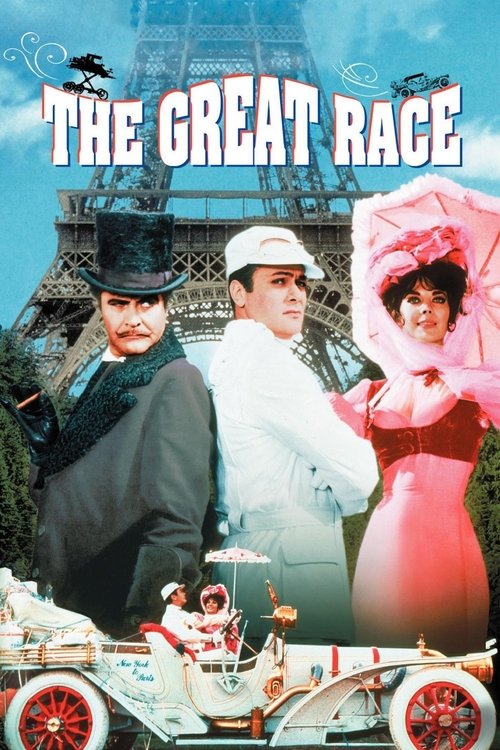
The Great Race1965
Tony Curtis and Jack Lemmon in a lavish, gag-stuffed slapstick epic from the same period — proof that Lewis wasn't the only comic pushing physical comedy to its limits in the early '60s.
But It's a sprawling two-and-a-half-hour road movie, not a tight character study — the scale is completely different.
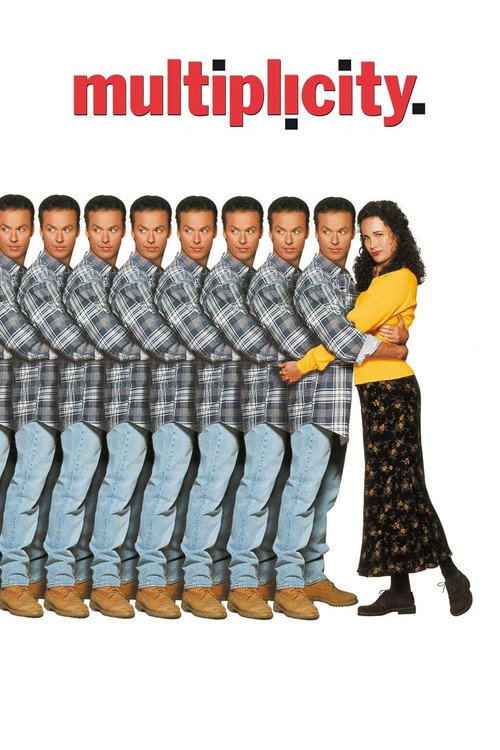
Multiplicity1996
Michael Keaton clones himself to keep up with his life, and each copy degrades a little more — a spiritual cousin to Buddy Love's instability, just with photocopiers instead of potions.
But High-concept '90s studio comedy with diminishing laughs in its back half; more concept than characters.
The Double2014no page yet
It takes Kelp and Buddy Love's dynamic — the self hating and envying its own more desirable double — and strips out every joke, leaving just the anxiety underneath.
Jesse Eisenberg plays a meek office drone tormented by his own more confident, more successful doppelganger — a paranoid, dreamlike descendant of the same split-self idea, filtered through Kafka instead of vaudeville.
But Deliberately airless and unsettling rather than funny; its deadpan indie tone is a world away from Lewis's mugging.
Jerry Lewis: The Man Behind the Clown2016no page yet
Explains, in Lewis's own history, exactly where Buddy Love's swagger and Kelp's self-loathing actually came from.
This documentary digs into Lewis's own insecurity and rumored resentment of the effortlessly cool Dean Martin — context that makes Buddy Love feel less like a gag and more like a confession.
But It's a talking-heads biography, not entertainment in the same sense — more illuminating than fun to sit through.
People
Cast
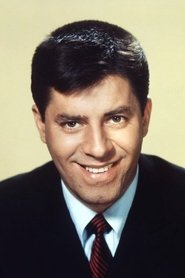 Jerry LewisProfessor Julius F. Kelp / Buddy Love / Baby Kelp
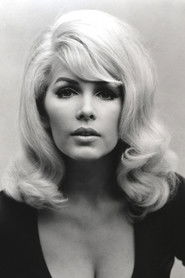 Stella StevensStella Purdy
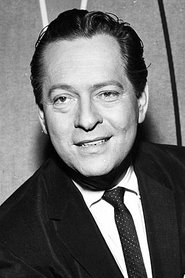 Del MooreDr. Hamius R. Warfield
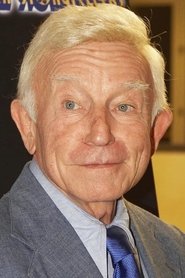 Henry GibsonGibson, College Student
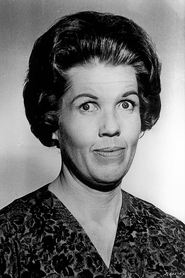 Kathleen FreemanMillie Lemmon
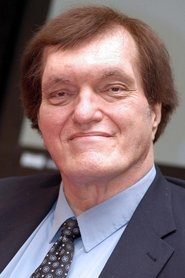 Richard KielMan in Gym (uncredited)
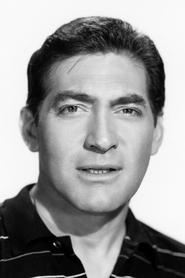 Norman AldenFootball Player
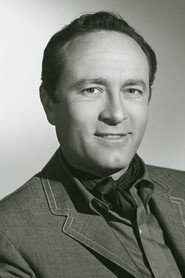 Howard MorrisMr. Elmer Kelp
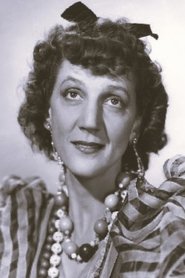 Elvia AllmanEdwina Kelp
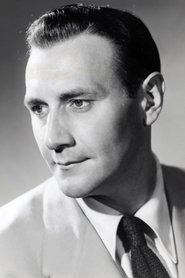 Milton FromeDr. M. Sheppard Leevee
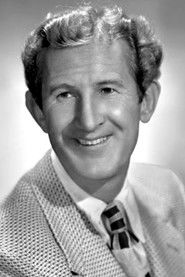 Doodles WeaverRube
 Murray AlperGym Attendant (uncredited)
Directing
- Ralph AxnessAssistant Director
- Jerry LewisDirector
- Dorothy YutziScript Supervisor
Writing
- Robert Louis StevensonOriginal Story
- Bill RichmondWriter
- Jerry LewisWriter
Production
- Hal BellAssistant Production Manager
- Arthur P. SchmidtAssociate Producer
- Edward R. MorseCasting
- Ernest D. GlucksmanProducer
- Marshall KatzProducer's Assistant
- William DavidsonProduction Manager