
Film
Dr. Jekyll and Mr. Hyde
Fredric March won an Oscar for playing both sides of this coin, and it's easy to see why: his Hyde is genuinely upsetting, all sneer and appetite, decades before movies were supposed to talk about desire this plainly. Made just before the Hays Code clamped down, it's leaner and nastier than you'd expect from a ninety-year-old horror film, with camera tricks that still startle.
If you liked this
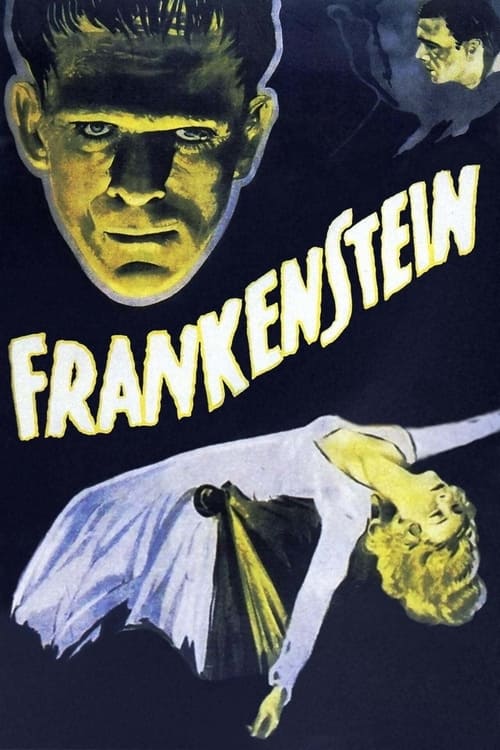
Frankenstein1931
Made the same year, from the same studio pedigree, asking a similar question: what happens when a man plays god with the body and loses control of what comes out. Boris Karloff's monster is heartbreakingly sympathetic in ways March's Hyde never gets to be.
But Slower and more melancholy than horror fans might expect; it's tragedy first, scares second.
The Invisible Man1933no page yet
Claude Rains turns a similar premise - science unleashing a man's worst impulses - into gleeful menace and pitch-black comedy. Same studio, same year range, same moral rot underneath the special effects.
But Leans more comic and pulpy than psychologically serious; less interested in guilt than in mayhem.
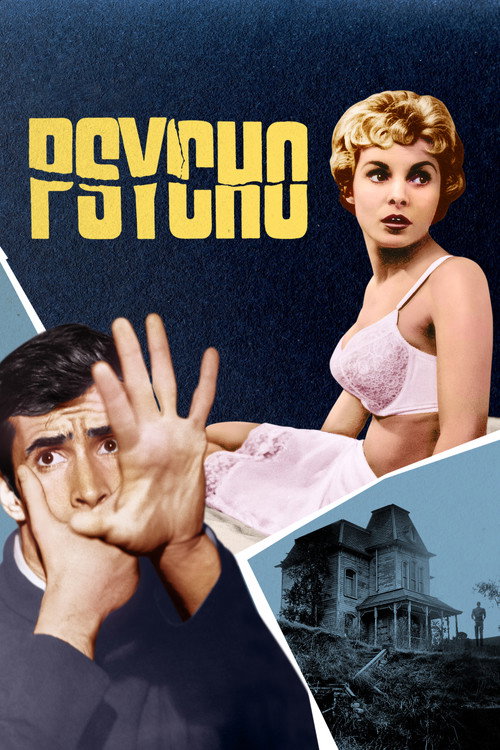
Psycho1960
Hitchcock drags the split-self idea into a motel bathroom, no chemistry set required. If Jekyll and Hyde is about the monster hiding in a respectable man, this is its terrifying, matter-of-fact descendant.
But The twist is so famous now it's hard to feel the shock a first audience did.
The wildcard
Something you would not have found on your own.
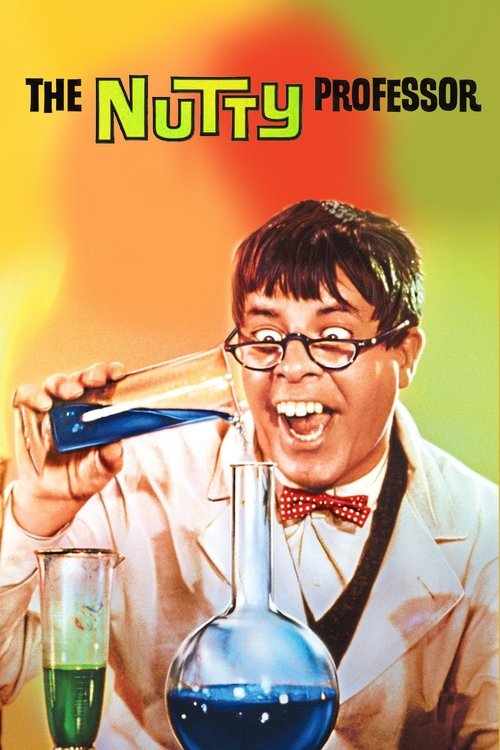
The Nutty Professor1963
Same chemical transformation, same idea that the potion just lets out what was already there - Kelp's insecurity curdles into Buddy's cruelty exactly the way Jekyll's repression curdles into Hyde's violence, just played for laughs instead of screams.
Jerry Lewis plays it as farce - Professor Kelp swigs a potion and becomes Buddy Love, a smug lounge-lizard alter ego instead of a killer. Same premise stripped of horror, played entirely for laughs, and shrewder about vanity than you'd expect.
But Lewis's mugging comic style hasn't aged evenly, and some will find Buddy Love's oiliness grating rather than funny.
More like this (8)
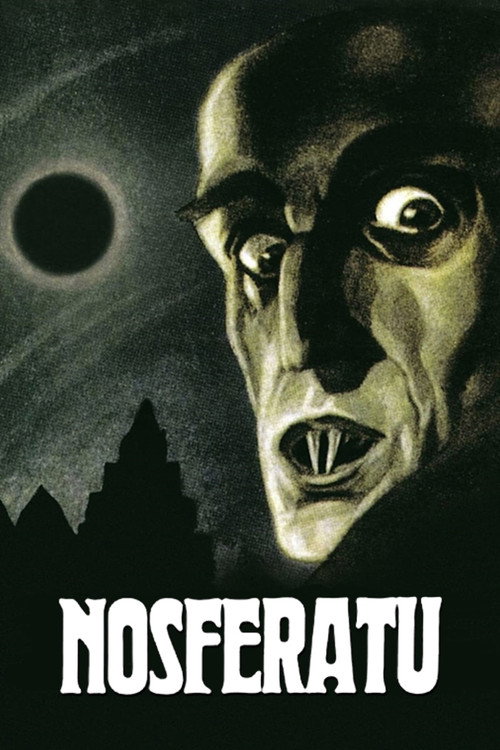
Nosferatu1922
The granddaddy of screen horror, silent and German and genuinely eerie a century on. If you want to see where the shadows and dread of Jekyll and Hyde actually came from, start here.
But Silent, with intertitles and a slower rhythm; it demands patience some viewers won't have.
The Picture of Dorian Gray1945no page yet
Same Victorian obsession with a man's hidden second self, told through a cursed portrait instead of a potion. Hurd Hatfield's stillness makes the corruption feel even colder.
But More languid and literary than horror; the shocks are implied rather than shown.
Altered States1980no page yet
Ken Russell's fever dream of a scientist regressing himself with drugs and sensory deprivation is the closest modern equivalent - same reckless experimentation, same body horror, cranked to eleven with dazzling effects.
But Deliberately overheated and psychedelic; some will find it exhausting rather than unsettling.
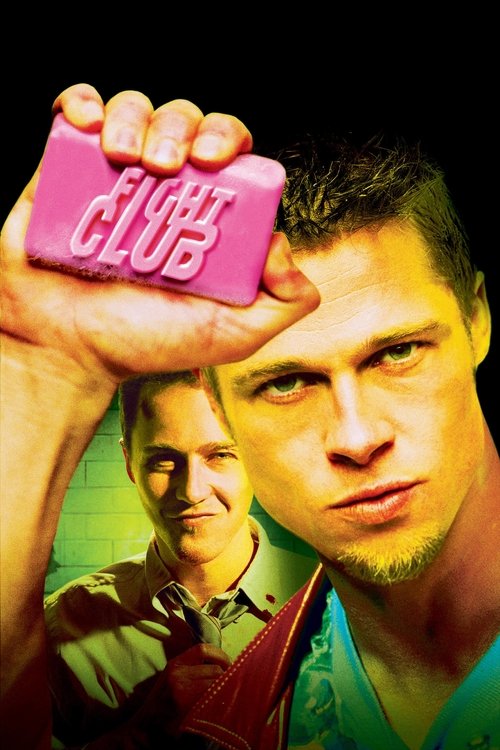
Fight Club1999
A modern, muscular reworking of the same idea: repression building a second self who does everything the first man won't allow himself. Funnier, angrier, and considerably more stylish.
But Its late-90s swagger and now-famous twist have been so absorbed into pop culture some of its punch is gone.
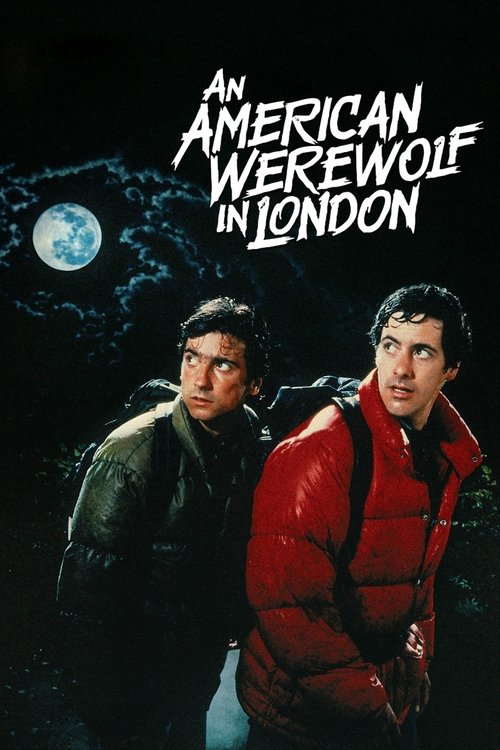
An American Werewolf in London1981
Trades the potion for a curse but keeps the core horror: a decent man losing control of his own body and hurting people he loves. The transformation scene remains a genuine achievement.
But More splatter and dark comedy than tragedy; the tonal whiplash is abrupt by design.
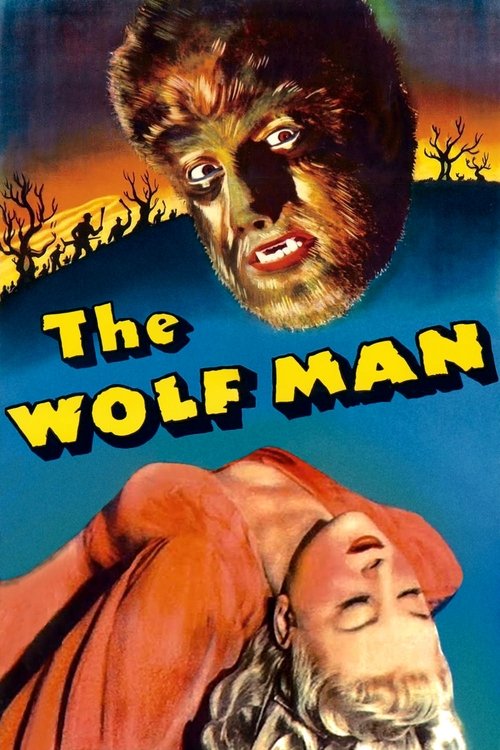
The Wolf Man1941
Lon Chaney Jr. brings real sadness to the same shape: ordinary man, uncontrollable second nature, mounting body count. The Universal monster movie that leans hardest into guilt and helplessness.
But Slighter and more formulaic than its reputation suggests; the pathos outruns the scares.
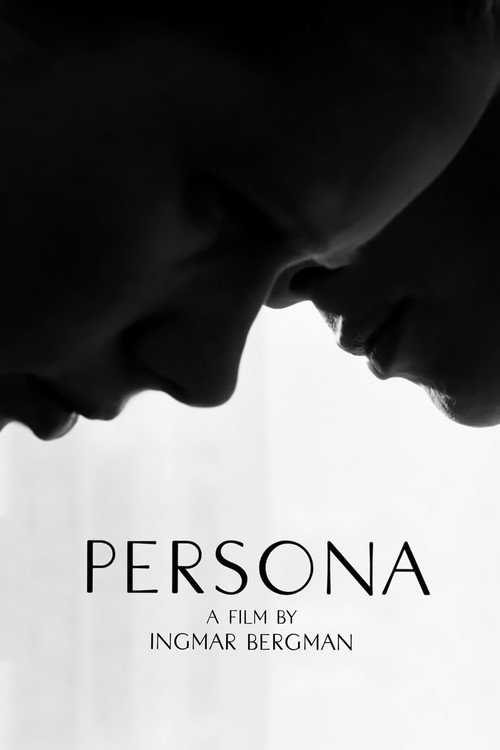
Persona1966
Both films ask whether a self is singular or a negotiation between masks, and both use a face - March's, then Andersson's and Ullmann's - as the actual site of horror.
Bergman's two women merge and swap identities until you can't tell where one self ends and the other begins - the doubling Jekyll and Hyde does with makeup and chemistry, done here with pure psychological dread and no monster at all.
But Deliberately opaque and demanding; it offers no plot resolution and rewards patience over thrills.
Complicated Women2003no page yet
This is the documentary explaining exactly why Fredric March's Hyde could ogle and menace so openly onscreen - the brief creative freedom, and eventual crackdown, that made 1931 horror bolder than almost anything that followed it.
A sharp, breezy documentary about the pre-Code Hollywood years - the brief window before the Hays Code when films could be this frank about sex, addiction and violence. It puts Hyde's leering appetite in exact historical context.
But It's a talking-heads clip show, not a dramatic experience; don't expect atmosphere or scares.
People
Cast
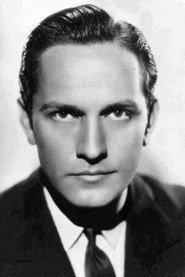 Fredric MarchDr. Henry Jekyll / Mr. Edward Hyde
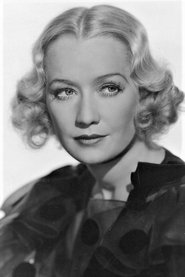 Miriam HopkinsIvy Pearson
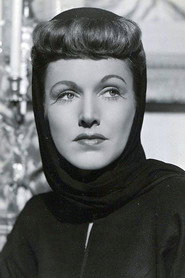 Rose HobartMuriel Carew
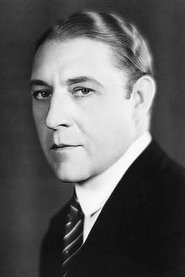 Holmes HerbertDr. John Lanyon
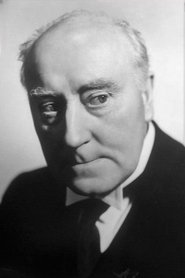 Halliwell HobbesBrig. Gen. Sir Danvers Carew
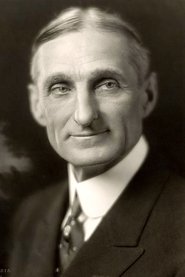 Edgar NortonPoole
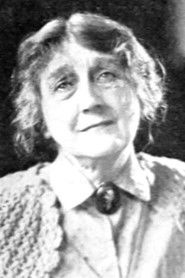 Tempe PigottMrs. Hawkins
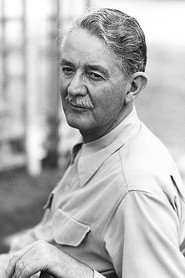 Leonard CareyBriggs, Lanyon's Butler (uncredited)
- Sam HarrisParty Guest (uncredited)
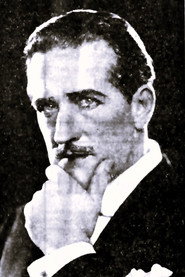 Boyd IrwinPolice Inspector (uncredited)
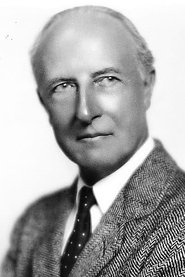 Arnold LucyUtterson (uncredited)
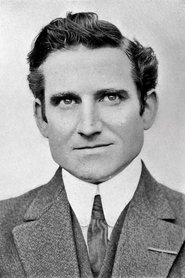 Murdock MacQuarrieDissenting Doctor at Lecture (uncredited)
Directing
- Robert LeeAssistant Director
- Rouben MamoulianDirector
Writing
- Robert Louis StevensonNovel
- Percy HeathScreenplay
- Samuel HoffensteinScreenplay
Production
- Adolph ZukorExecutive Producer
- Rouben MamoulianProducer
Recommended by
The Nutty Professor, The Incredible Hulk, The Nutty Professor, Charly